Tired of watching bugs treat your precious garden like an all-you-can-eat buffet? Put down that chemical spray!
Mother Nature has already designed the perfect pest control system, and it’s been hiding in plain sight.
The secret most plant experts won’t tell you is that certain plants act like natural bouncers, using their powerful scents to tell pests, “Sorry, not tonight!“
I was shocked to discover that companion planting can reduce pest problems by up to 70% in home gardens, according to research from the University of California’s Integrated Pest Management Program.
Let’s meet the plant heroes ready to transform your garden into a pest-free paradise!
Nature’s Ultimate Bug Bouncers: Top 5 Pest-Repelling Champions
1. Marigolds: The Undisputed Heavyweight Champion
If pest-repelling plants had a hall of fame, marigolds would have their own wing. These vibrant beauties don’t just look pretty.
They’re working underground too! Marigolds release a compound called alpha-terthienyl from their roots, creating a force field that nematodes and other soil pests find absolutely unbearable.
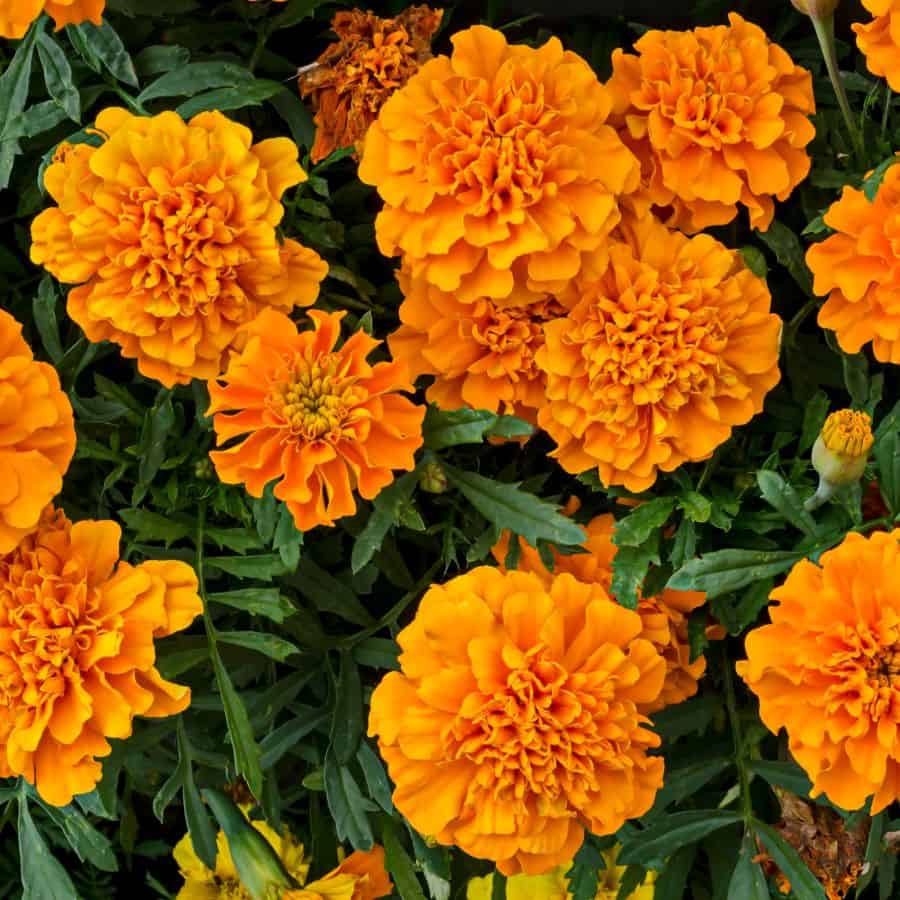
It’s like having tiny security guards patrolling your soil 24/7.
2. Rosemary: The Aromatic Enforcer
Forget what you’ve heard about rosemary being just a kitchen herb. This Mediterranean powerhouse is the aromatic equivalent of a bouncer with attitude.
Its potent oils overwhelm the sensory systems of aphids and other pests, sending them packing faster than you can say “herb garden.
Plus, its woody scent adds a spa-like atmosphere to your garden. Talk about multi-tasking!
3. Lemongrass: The Mosquito’s Nightmare
If mosquitoes held meetings about their most-hated plants, lemongrass would top the agenda.
Containing high levels of citronella oil (yes, the same stuff in those candles!), lemongrass creates a scent barrier that mosquitoes avoid like last week’s leftovers.
Plant it strategically around seating areas and watch outdoor evenings become dramatically more enjoyable.
4. Nasturtiums: The Sacrificial Decoys
These peppery-flavored flowers are the secret weapon in your garden arsenal. Nasturtiums operate like the ultimate bait-and-switch.
They attract aphids away from your precious vegetables, essentially offering themselves as sacrificial decoys.
The game-changer for your vegetable garden isn’t what you think. It’s these bright blooms working as aphid magnets, so your tomatoes can flourish in peace.
5. Garlic: The Vampire of Pest Control
Just as garlic supposedly repels vampires, its sulfur compounds send garden pests running for the hills.
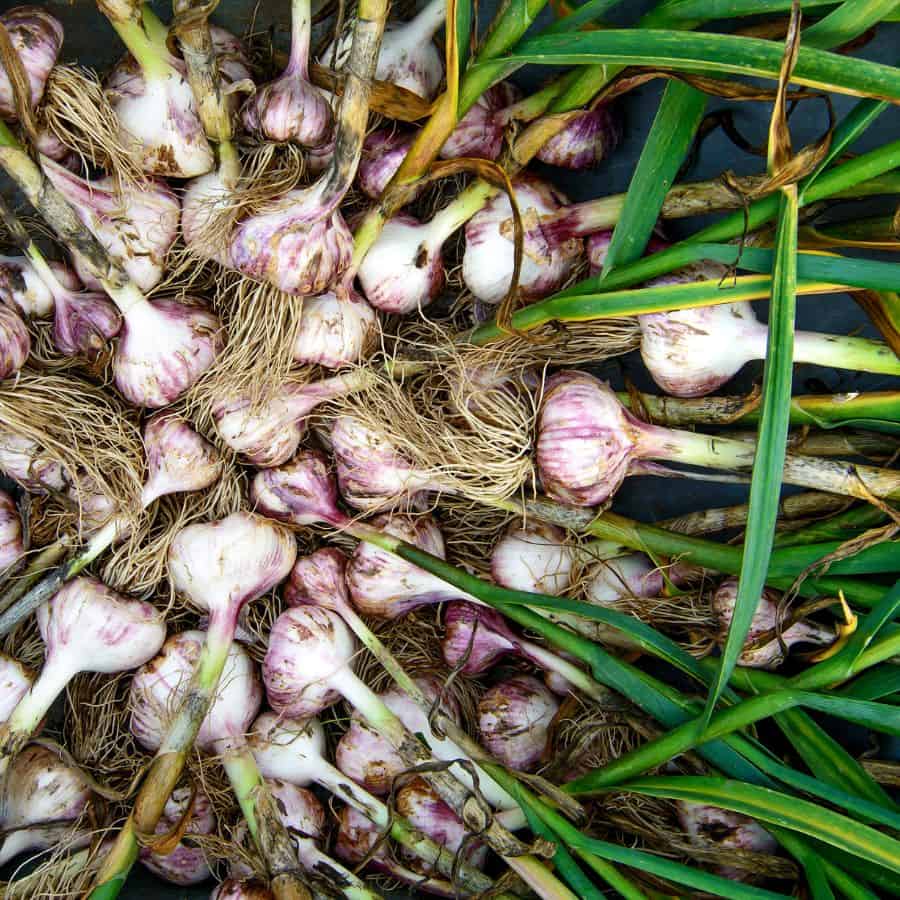
The pungent aroma completely confuses insects’ navigation systems, making your primary crops invisible to their tiny pest brains.
It’s like throwing a sensory smoke bomb into your garden. Bugs can’t attack what they can’t properly detect!
The Herbal Defense Squad: Aromatic Allies Against Pests
Your herb garden isn’t just for cooking. It’s a full-blown pest management system! These aromatic defenders pull double duty:
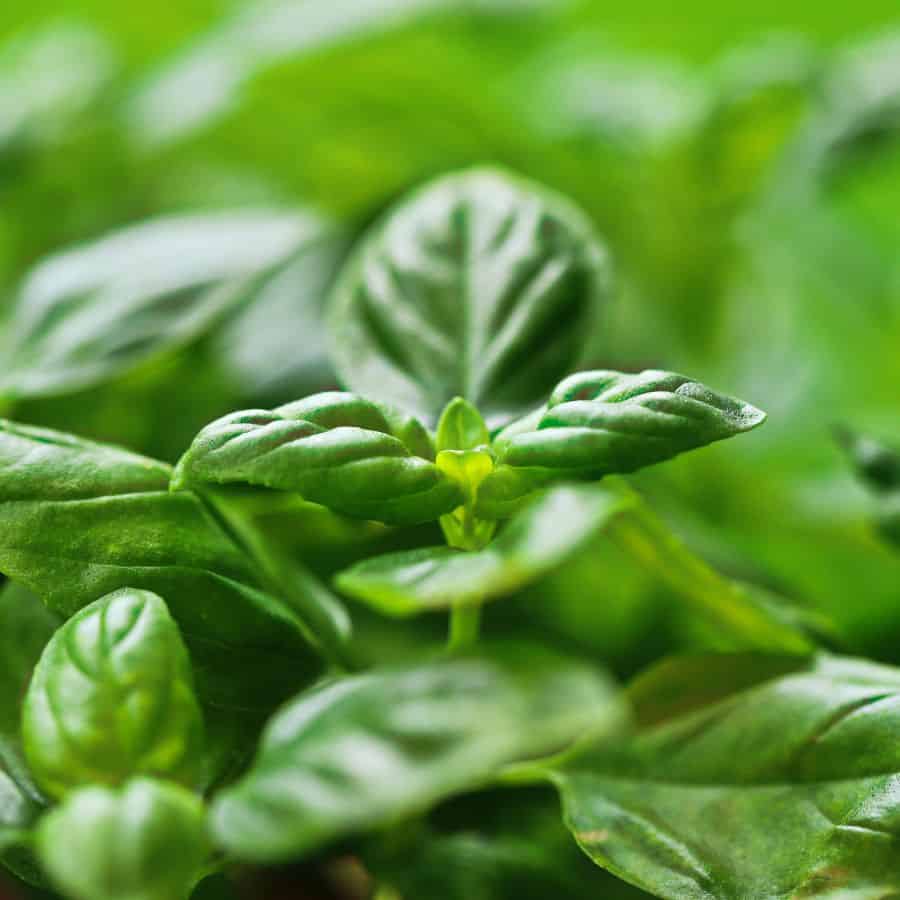
- Basil ❤️ Tomatoes: Those same oils that make your pasta sauce sing create chaos for mosquitoes and flies. Just a few basil plants can reduce mosquito activity by up to 40% in the immediate area!
- Oregano: This pizza-topping favorite emits a spicy, pungent scent that acts as an invisible “NO ENTRY” sign for common garden pests.
- Peppermint: Most people make this mistake with mint. They worry it will take over without realizing its superpower! That aggressive growth habit comes with an intensely minty aroma that overwhelms the sensory systems of ants, aphids, and even mice.
- Chives: These unassuming onion relatives pack a powerful punch. Their sulfur compounds create a pest-repelling barrier while also attracting beneficial pollinators—they’re like the diplomatic security detail of your garden.
The Understated Heroes: Lesser-Known Pest Repellers
Borage: The Blue Wonder
This stunning blue-flowered herb is gardening’s best-kept secret. Borage not only repels tomato hornworms and cabbage worms but also attracts beneficial pollinators like bees. It’s like having security guards who also bring gifts to the party!
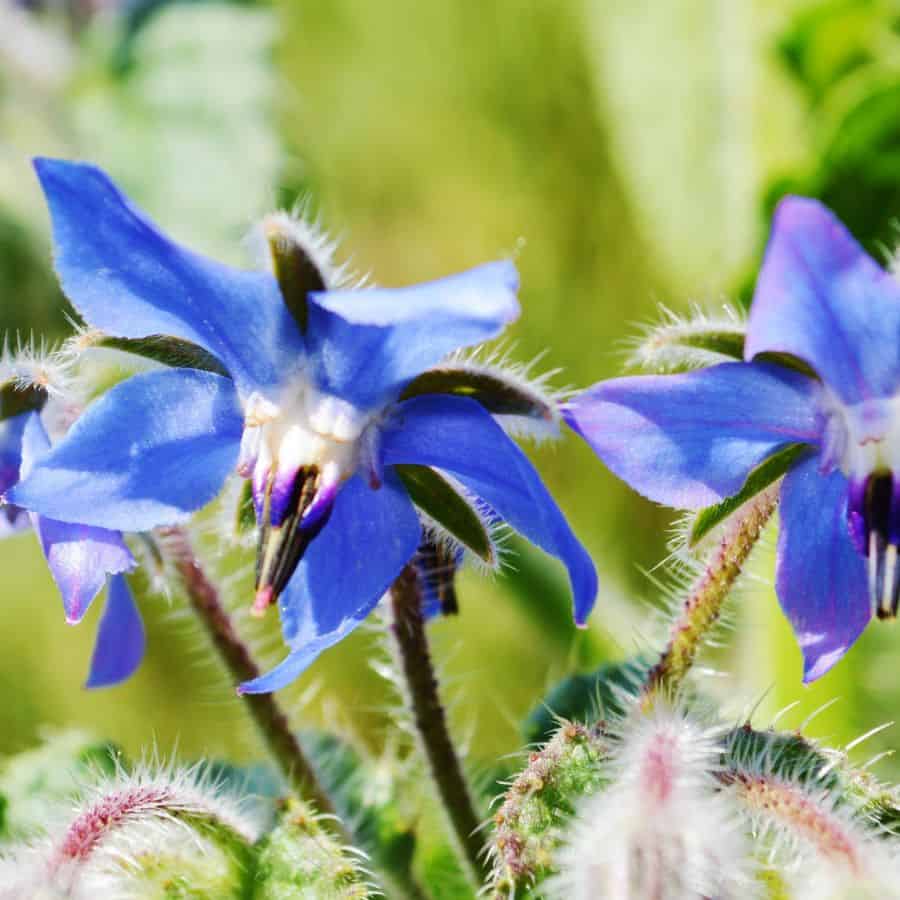
Plant it near tomatoes or strawberries and watch these fruits thrive under borage’s protective umbrella.
Clover: The Ground Cover Guardian
Don’t let those bare patches between plants become pest highways! Clovers rapidly spread to create a living mulch that deters aphids and wireworms while simultaneously fixing nitrogen in your soil.
They’re literally improving your soil while standing guard. The difference between amateur and pro plant parents is simply knowing which plants multitask like this !
Strategic Deployment: Making Your Plant Army Work Effectively
Simply tossing these plants into your garden at random won’t maximize their pest-repelling potential. Deploy them strategically:
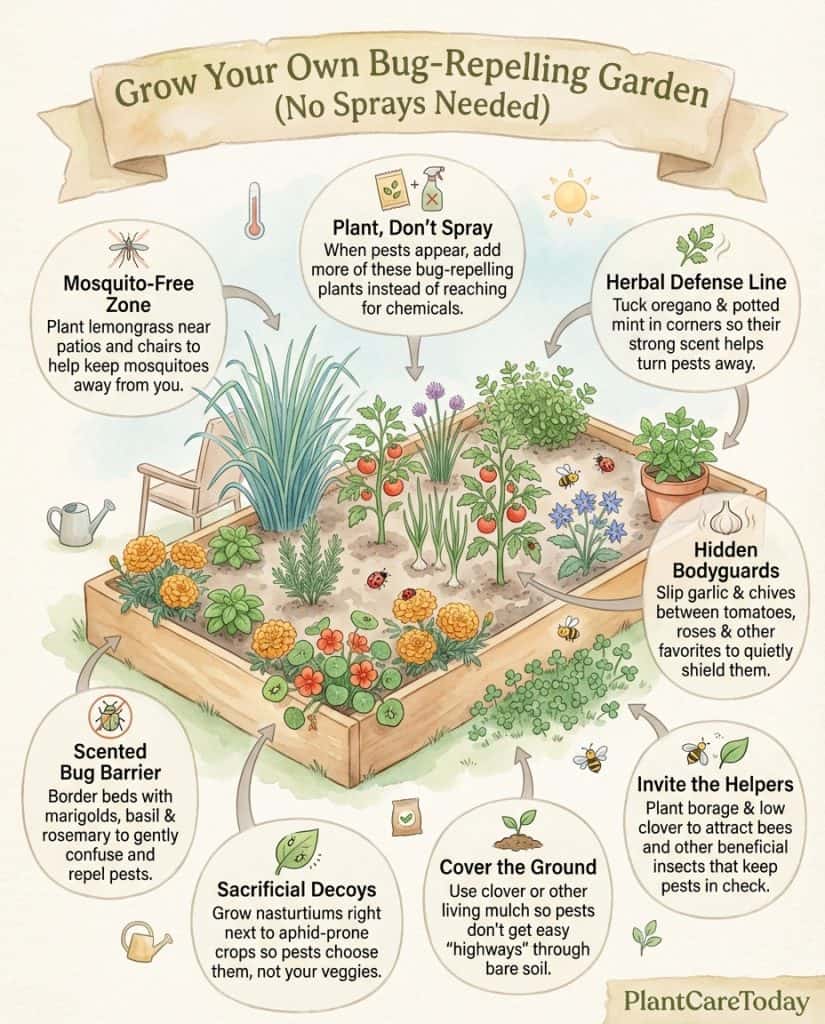
- Create aromatic borders around vegetable beds with marigolds, basil, and rosemary
- Intersperse garlic and chives between susceptible plants like roses or tomatoes
- Plant lemongrass near outdoor seating areas to create mosquito-free zones
- Use nasturtiums as sacrificial plants near crops that aphids typically target
Remember, these plants aren’t just pest bouncers. They’re also beautiful, useful additions to your garden that can transform bare spaces into vibrant, productive ecosystems.
Your garden is trying to tell you something important: chemical warfare isn’t necessary when nature has already designed the perfect pest management system.
By strategically incorporating these 11 powerhouse plants, you’ll create a garden that not only fights off pests naturally but looks spectacular and provides useful herbs for your kitchen.
The next time you spot a pest problem emerging, reach for your seed packets, not your spray bottle. Your garden, and the beneficial insects that call it home, will thank you!