
Did you know your garden is hiding a spectacular secret? Those vegetables you’re chopping down might actually be your ticket to endless harvests.
I was shocked to discover that with the right technique, one planting can feed you for months!
Welcome to the world of “cut-and-come-again” gardening. Nature’s most generous loophole and the game-changer your garden desperately needs.
Nature’s Comeback Artists: Why These Veggies Refuse to Die
Cut-and-come-again gardening isn’t magic. It’s biology at its most generous. By harvesting leaves or stalks while leaving the crown and roots intact, you’re essentially giving your plants a haircut that stimulates new growth.
And not just any growth. Many plants actually produce stronger, bushier yields after being cut!
The secret most plant experts won’t tell you is that this method transforms your garden from a one-and-done operation into a perpetual food factory. It’s like having a bank account that automatically refills after each withdrawal.
Why Smart Gardeners Are Obsessed With Cut-and-Come-Again
- Multiple harvests from a single planting (up to 4-5 times for some vegetables!)
- Less work with no constant replanting or reseeding
- Healthier, bushier plants that often outproduce traditional methods
- Pick only what you need for maximum freshness
- Perfect for small spaces, even a windowsill can become a mini food factory
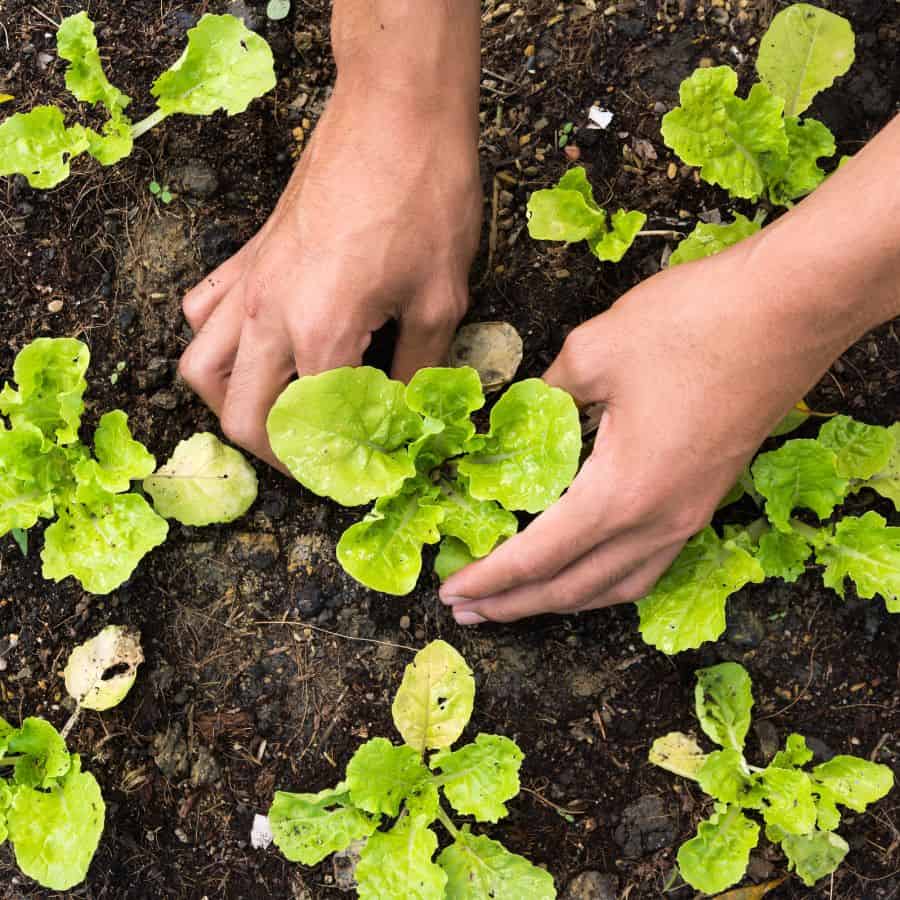
Ready to transform your garden into a perpetual harvest machine? Let’s dive into the top 15 vegetables that refuse to die after cutting.
The Leafy Green Superstars (The Regeneration Elite)
1. Lettuce (Loose-Leaf & Romaine)
The ultimate beginner’s cut-and-come-again crop . Simply snip outer leaves about 1 inch above the crown, leaving inner leaves intact.
In just 10-14 days, you’ll have fresh leaves again. Varieties like ‘Salad Bowl,’ ‘Oakleaf,’ and ‘Buttercrunch‘ are particularly vigorous regenerators.
2. Kale (The Undead Vegetable)
Kale is practically immortal when harvested correctly. Pick mature outer leaves once plants reach 8 inches tall, always leaving 4-6 center leaves.
In cold climates, kale can survive temperatures down to 20°F and keep producing. It’s like a vegetable zombie!
3. Spinach
This cool-weather champion delivers multiple harvests when you cut leaves 1 inch above the crown. Forget what you’ve heard about spinach being finicky.
Regular harvesting actually prevents bolting and extends your growing season by weeks.
4. Swiss Chard
The colorful workhorse of the garden. Cut the outer stalks near the base, leaving the center growth intact.
A single planting can produce for an entire season, from spring through fall, making it one of the highest-value vegetables per square foot.
5. Arugula (Rocket)
This peppery green grows so quickly that it practically jumps back after cutting. Harvest 1 inch above soil level when leaves reach 3-4 inches tall.

You’ll typically get 3-4 complete harvests before plants exhaust themselves, though most gardeners report the second harvest tastes best!
Asian Greens: The Rapid Regenerators
6. Pak Choi (Bok Choy)
The comeback champion. Cut the entire plant 1 inch above soil level and watch it sprout multiple new mini-heads in just 10-14 days.
It’s like getting a two-for-one deal, with the regrowth often being more tender than the original.
7. Mizuna
This delicate Japanese green regenerates faster than almost any other vegetable – sometimes in as little as 7 days after cutting!
Trim 2 inches above the crown and keep it watered. It’s the garden equivalent of a rapid-fire sprinter.
8. Mustard Greens
Spicy and prolific, mustard greens bounce back within 10-12 days after harvesting. Cut outer leaves with scissors, always preserving the central growing point.
‘Southern Giant Curled‘ and ‘Red Giant‘ varieties are particularly vigorous resprouts.
The Robust Regenerators
9. Endive and Escarole
These sophisticated greens actually improve with cutting. Harvest outer leaves at the base, leaving the center intact.
The regrown leaves often have a milder, less bitter flavor – especially during cooler weather.
10. Beet Greens
The secret two-for-one crop ! While growing beets for their roots, you can harvest up to one-third of their leaves regularly.
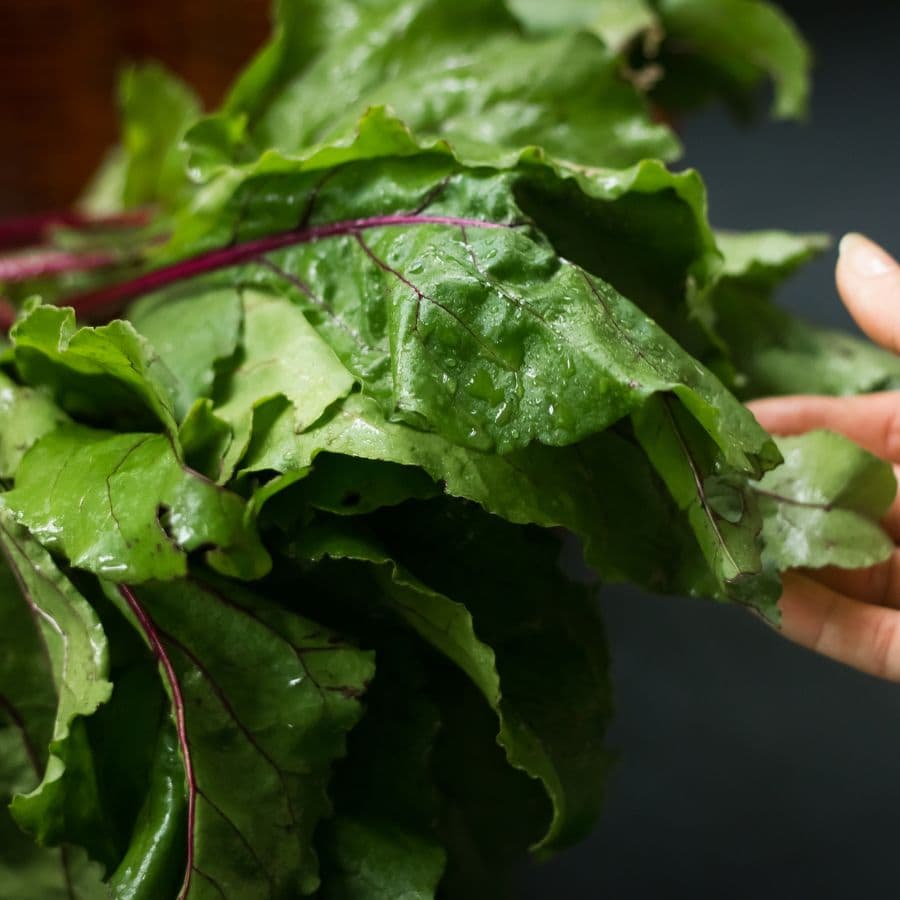
The plant will keep producing new leaves while it continues to develop that sweet root underground. Talk about multitasking!
11. Collard Greens
The marathon runner of cut-and-come-again vegetables. Properly harvested collards can produce for up to 2 years in warm climates!
Cut outer leaves at the base, leaving the top cluster intact, and you’ll have a never-ending supply of nutritional powerhouses.
12. Celery
Conventional wisdom says celery is finicky, but it’s actually naturally regenerative. Harvest outer stalks while leaving center shoots, and it’ll keep producing smaller (but equally flavorful) stalks.
Your grandmother’s trick of regrowing celery in water? That’s just tapping into its natural regrowth ability!
Herb Heroes That Keep On Giving
13. Parsley
This biennial herb thrives on regular harvesting. Cut outer stems at the base, leaving inner growth untouched.
With proper care, one parsley plant can produce for up to two years, yielding over 30 harvests in its lifetime!
14. Cilantro (Coriander)
The notoriously bolt-prone herb that actually loves being cut! Harvest outer leaves once plants reach 4-6 inches tall, leaving the center intact.
The game-changer for cilantro isn’t what you think – regular cutting actually delays flowering by weeks.
15. Garlic Chives
The marathon champion of cut-and-come-again plants. These perennial herbs can produce for 5+ years when harvested properly.
Cut leaves 1 inch above soil level and allow 2-3 weeks between harvests. They’re virtually indestructible. The plant equivalent of a trusty old friend.

The Cut-and-Come-Again Golden Rules
To transform your garden into a perpetual harvest machine, follow these non-negotiable principles:
- Never cut too low: Always leave at least 1 inch of growth above the crown
- Water immediately after harvesting: Plants need moisture to fuel regeneration
- Fertilize lightly after every 2-3 harvests with compost or organic liquid fertilizer
- Harvest in the morning when leaves are crispest and full of nutrients
- Rotate harvest sections in large plantings to give areas time to recover
(Side note: I learned this the hard way after decimating my first lettuce patch by cutting too low. Trust me, that extra inch makes ALL the difference!)
Level-Up Your Regrowth Game: Pro Tips
Want to take your cut-and-come-again garden to spectacular heights? Try these advanced strategies:
- Succession planting: Sow new seeds every 2-3 weeks for a continuous supply
- Container growing: Most cut-and-come-again crops thrive in pots as small as 8 inches deep
- Cool-weather revival: Many leafy greens produce more vigorously in spring and fall
- Partial shade trick: Moving containers to partial shade during summer heat can prevent bolting and extend harvests by up to 3 weeks
Most people make this mistake with their garden: they think harvest day is the end of the story. But for these 15 remarkable vegetables, it’s just the beginning of a beautiful cycle that can transform your relationship with food.
Ready to revolutionize your garden? Start with just one of these plants and watch the magic of nature’s regeneration unfold. Your garden isn’t just a place to grow food – it’s a renewable resource waiting to be tapped!