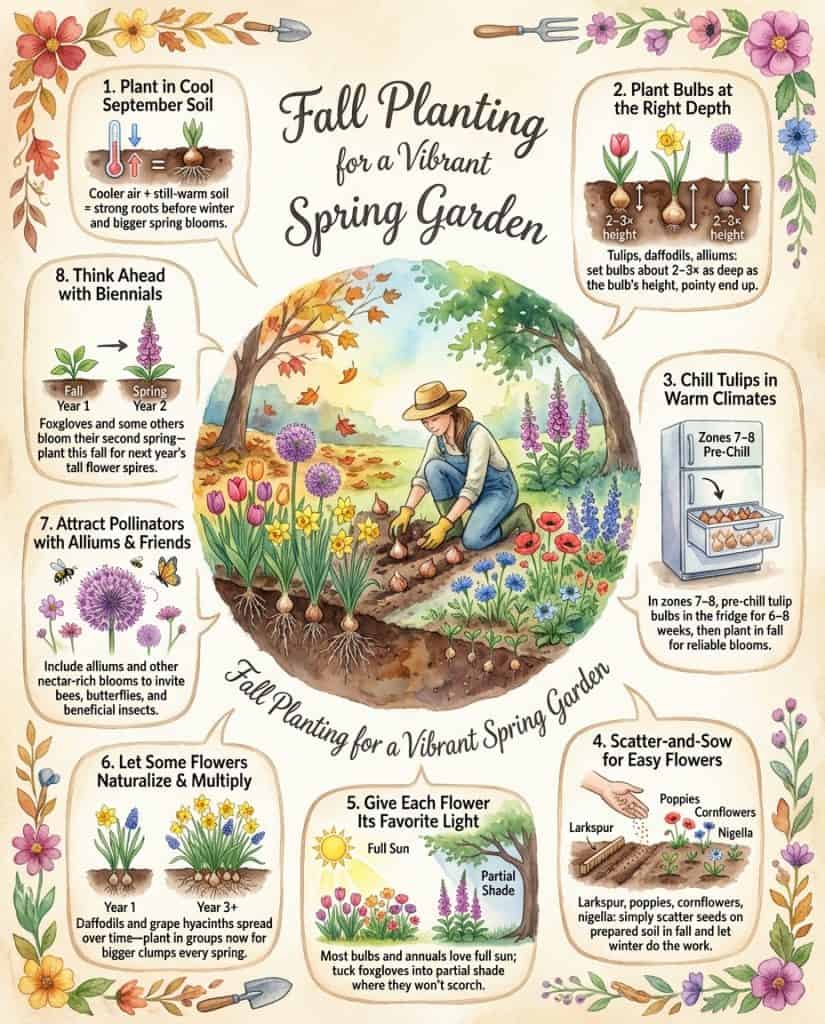
September isn’t just pumpkin spice season. It’s your secret weapon for creating a spring garden that will stop traffic.
While everyone else scrambles in March, you’ll be sitting back watching your garden transform into a spectacular show that looks like you hired professionals.
(Spoiler: Did you know that fall-planted bulbs often produce up to 50% more flowers than those planted in spring? Talk about a garden game-changer!)
Why September Planting Is Your Spring Garden’s Secret Weapon
Forget what you’ve heard about waiting for spring to plant flowers. September is actually the PERFECT time to set the stage for an epic spring garden, especially if you’re in zones 4-8.
Why? You’re catching that garden sweet spot: cooler air temperatures but soil that’s still warm enough for roots to establish before winter’s deep freeze.
Think of September planting like giving your flowers a head start in a cozy underground bunker. They’ll develop strong root systems during fall and winter, then burst forth with dramatic displays when spring arrives.
Your neighbors will wonder how your garden looks like Mother Nature’s personal stylist designed it!
11 Flowers That THRIVE When Planted in September
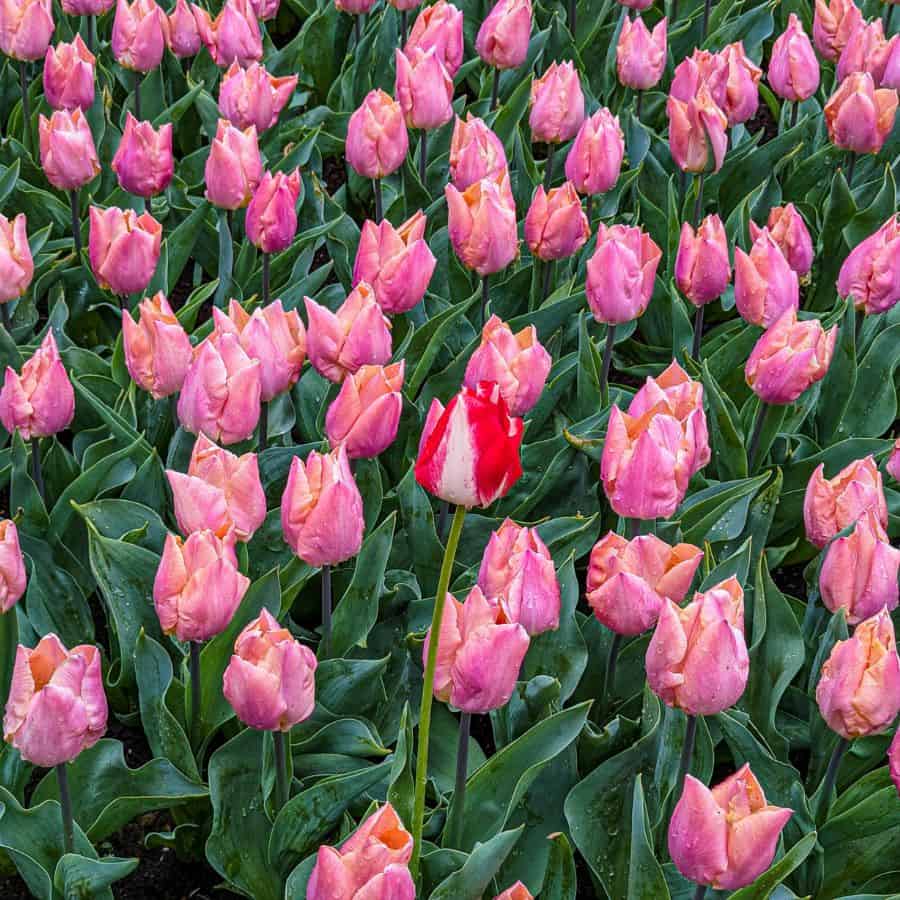
1. Tulips: The Spring Superstars (Zones 3-8)
Tulips are like the divas of the spring garden. They need their beauty rest (aka cold period) to perform their best.
Plant these beauties 6-8 inches deep in September, and they’ll reward you with a stunning spring performance.
The secret most plant experts won’t tell you is… tulips in warmer zones (7-8) need pre-chilling in your refrigerator for 6-8 weeks before planting. This mimics winter and guarantees those show-stopping blooms!
2. Daffodils: The Deer-Proof Delights (Zones 3-8)
If deer treat your garden like an all-you-can-eat buffet, daffodils are your new best friends.
These resilient bloomers not only survive harsh winters but also actively deter those four-legged garden destroyers. Plant them at twice their height for spectacular spring clusters that multiply year after year.
Think of daffodils as your garden’s cheerleaders—they announce spring’s arrival with bright yellow trumpets that practically shout, “Winter is OVER!
3. Grape Hyacinths: The Fast-Spreading Minis (Zones 4-8)
These tiny powerhouses spread like garden gossip! Their fragrant blue blooms create carpets of color that return stronger each year. At just 3 inches deep, they’re perfect for gardeners who want maximum impact with minimal effort.
I was shocked to discover that a single grape hyacinth bulb can multiply into dozens within just 3-4 years. Talk about getting serious bang for your gardening buck!
4. Alliums: The Pollinator Magnets (Zones 4-8)
These architectural wonders produce globe-shaped flowers that look like they belong in a high-end floral design magazine. Plant them 4-6 inches deep in full sun, and by late spring, you’ll have stunning purple spheres floating above your garden beds.
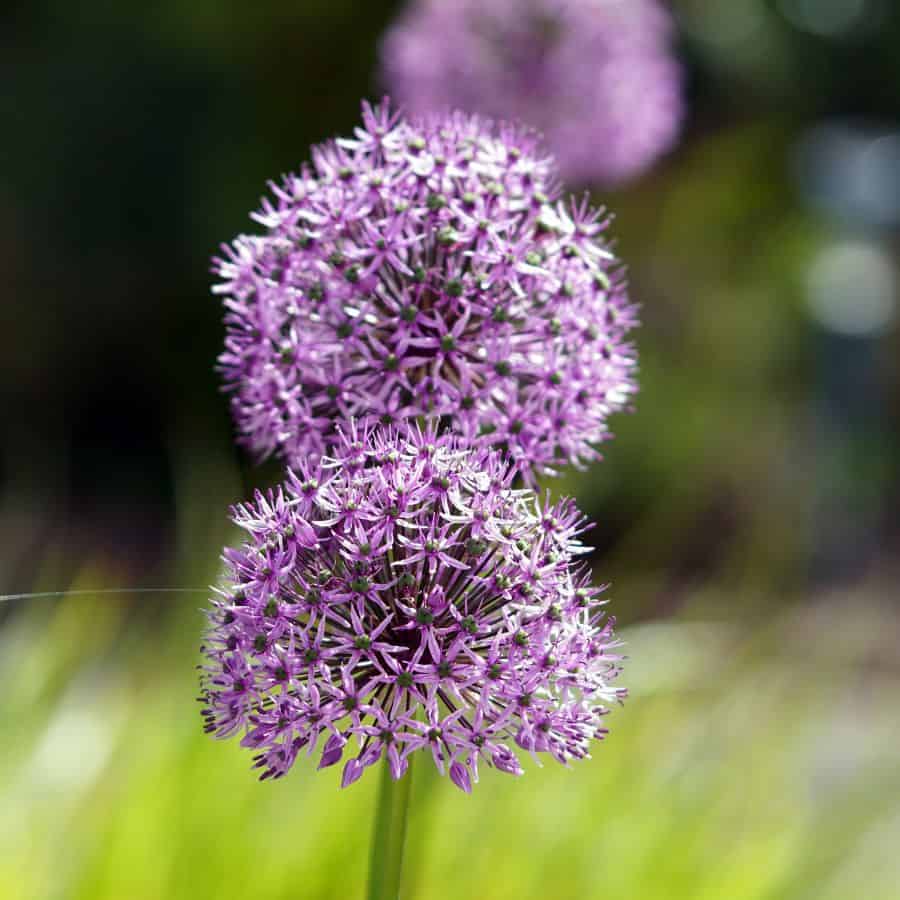
Bonus: butterflies, bees, and hummingbirds find these nectar-rich blooms irresistible, turning your garden into a vibrant wildlife habitat!
5. Sweet William: The Elegant Clusters (Zones 3-8)
Sow these seeds directly in September for clusters of flowers resembling tiny bouquets that grow straight from the ground. Just press the seeds lightly into the soil; no deep digging required!
The game-changer for your Sweet William isn’t what you think… It’s the cool fall temperatures that help them establish quickly without the stress of summer heat.
6. Larkspur: The Vertical Showstoppers (Zones 3-8)
These tall, dramatic spikes bring vertical drama to any garden. Most people make this mistake with their larkspur.
They wait until spring to sow! These seeds actually NEED winter’s cold to germinate properly. Direct sow in September and watch them soar in spring.
7. Shirley Poppies: The Delicate Dazzlers (Zones 4-8)
With tissue-paper petals in baby pink, red, orange, and white, Shirley poppies bring ephemeral beauty that’s worth every moment.
Scatter seeds on the surface (don’t bury them. They need light!) and prepare for a sea of dancing blooms.
Your garden visitors will swear you hired a professional landscaper when these beauties unfurl their silky petals next spring!
8. Cornflowers: The Cut-Flower Champions (Zones 4-8)
Those incredible blue blooms you see in fancy floral arrangements? You can grow them!
Cornflowers thrive when sown in the fall, producing abundant stems perfect for cutting. Direct sow in sunny spots and give each plant some space to flex its full potential.
9. Nigella: The Low-Maintenance Stunners (Zones 3-8)
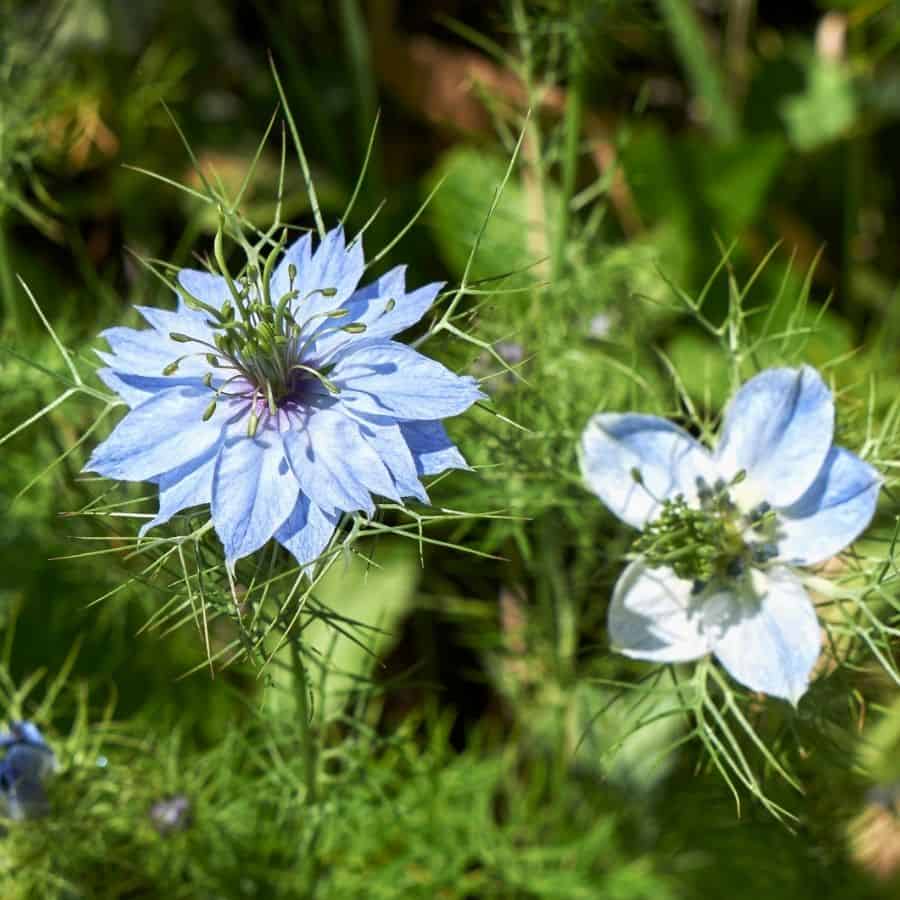
Also called Love-in-a-Mist, Nigella offers both beautiful flowers AND decorative seedpods.
They’re the ultimate plant-it-and-forget-it flower. They actually perform BETTER when left alone after sowing!
(Between you and me, I think these are the most underrated flowers in the garden. Once you grow them, you’ll wonder why everyone doesn’t have them!)
10. Foxgloves: The Shade-Loving Towers (Zones 4-8)
Those magical bell-shaped spires you see in cottage gardens? Plant them in September in partial shade. Unlike sun-worshipping flowers, foxgloves thrive with a bit of cool protection.
Important note: These biennial beauties won’t bloom until their second spring, but their spectacular displays make the wait worthwhile. They’re playing the long game in your garden!
11. Lupines: The Statement Makers (Zones 4-7)
With dramatic spires that resemble those in fairy tales, lupines create an immediate impact.
Soak seeds overnight before sowing directly into fertile, well-drained soil. Make sure you’re planting perennial varieties for the best fall-sowing results.
The September Planting Success Formula
The difference between amateur and pro plant parents is simply knowing when to plant what. For spectacular spring blooms, follow these simple guidelines:
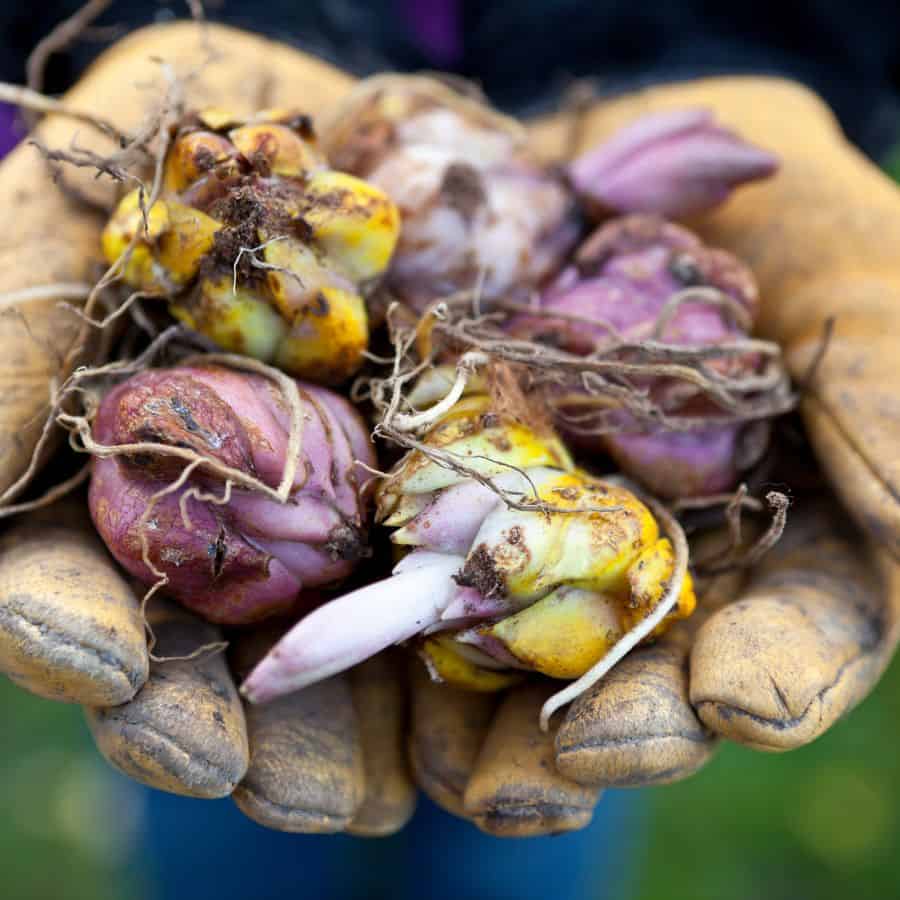
- For bulbs (tulips, daffodils, alliums, grape hyacinths): Plant at the proper depth (generally 2-3 times the bulb’s height) in well-draining soil
- For seeds (poppies, cornflowers, nigella, larkspur): Direct sow according to specific light requirements. Some need covering, others need contact with soil.
- Focus on zones 4-8: These areas provide the perfect balance of winter chill for spring-flowering bulbs without being too harsh for establishment
Transform Your Garden This Weekend
September won’t wait, and neither should your garden plans! These 11 flowers are your fast track to a spring garden that looks professionally designed but requires surprisingly little effort.
The most vibrant spring gardens aren’t created in March or April. They’re planted in September by gardeners who understand nature’s timeline. Will your garden be one of them this year?
Your future self will thank you when neighbors are asking for your landscaper’s business card while you smile knowingly, sipping lemonade amid your spectacular blooms!