Here’s a shocking truth that’ll change how you see your spring garden forever: most gardeners accidentally sabotage their daffodils the moment those cheerful blooms start to fade.
I’ve watched countless neighbors make the same heartbreaking mistake year after year, wondering why their once-spectacular daffodil displays become more pathetic each spring.
The secret most plant experts won’t tell you is this. What you do in the 6-8 weeks after blooming determines whether you’ll have a stunning display next year or a handful of struggling, weak flowers.
It’s like the difference between feeding an athlete after a marathon versus letting them collapse from exhaustion.
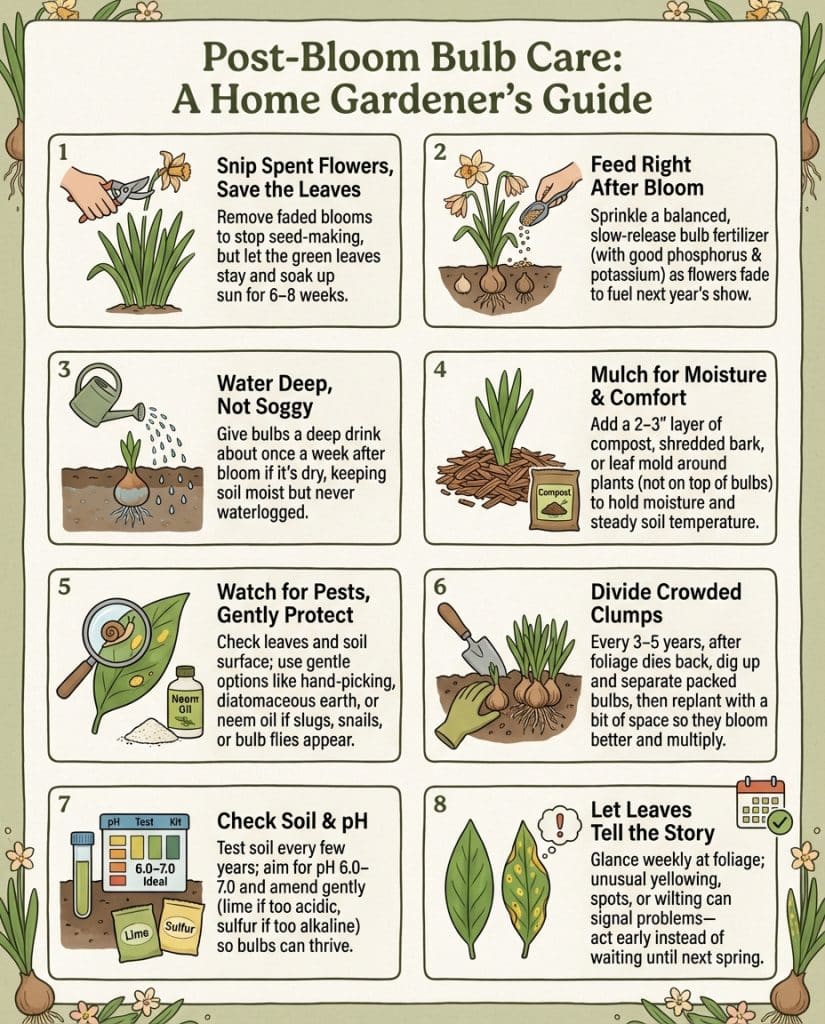
These 10 critical steps will change your daffodils from one-season wonders into perennial powerhouses that multiply and thrive for decades.

1. Deadheading: Your Bulbs’ Energy Rescue Mission
Think of your faded daffodil blooms as energy vampires, literally sucking the life out of next year’s flowers.
When you leave spent blooms on the plant, you’re forcing your bulbs to waste precious energy on seed production instead of storing power for next spring’s spectacular show.
Here’s the game-changer: snip off those flower heads the moment they start looking tired, but never touch those leaves! Those green beauties are like solar panels, capturing sunlight and feeding your bulbs for next year’s performance.
2. Strategic Fertilizing: The Nutrient Power-Up Your Bulbs Crave
Your daffodils just ran a marathon. They’re nutritionally depleted and desperate for the proper fuel.
Most people make the devastating mistake of thinking the show’s over, but this is actually prime feeding time.
Apply a balanced, slow-release fertilizer immediately after blooming. Look for formulas high in phosphorus and potassium. These are like protein shakes for exhausted bulbs, rebuilding their strength and positioning them for next year’s success.
3. Smart Watering: The Moisture Balance That Makes or Breaks Bulbs
Here’s where most gardeners either drown their bulbs or let them shrivel up like forgotten raisins. Your daffodils need consistent moisture after blooming, but waterlogged soil is a death sentence.
The sweet spot? Deep watering once weekly if nature doesn’t provide. Think of it like hydrating after exercise. Your bulbs need steady, consistent moisture to rebuild and strengthen, not feast-or-famine cycles that stress them out.
4. Protective Mulching: Your Bulbs’ Security Blanket
Mulching after daffodil blooming is like wrapping your garden investments in a protective shield.
A 2-3 inch layer of organic mulch around your plants creates the perfect microenvironment, retaining moisture, suppressing weeds, and regulating soil temperature.
Use shredded bark, compost, or leaf mold. As it breaks down, it’s literally feeding your soil, creating a thriving underground ecosystem that your bulbs will love.
5. Pest Patrol: Defending Against Hidden Threats
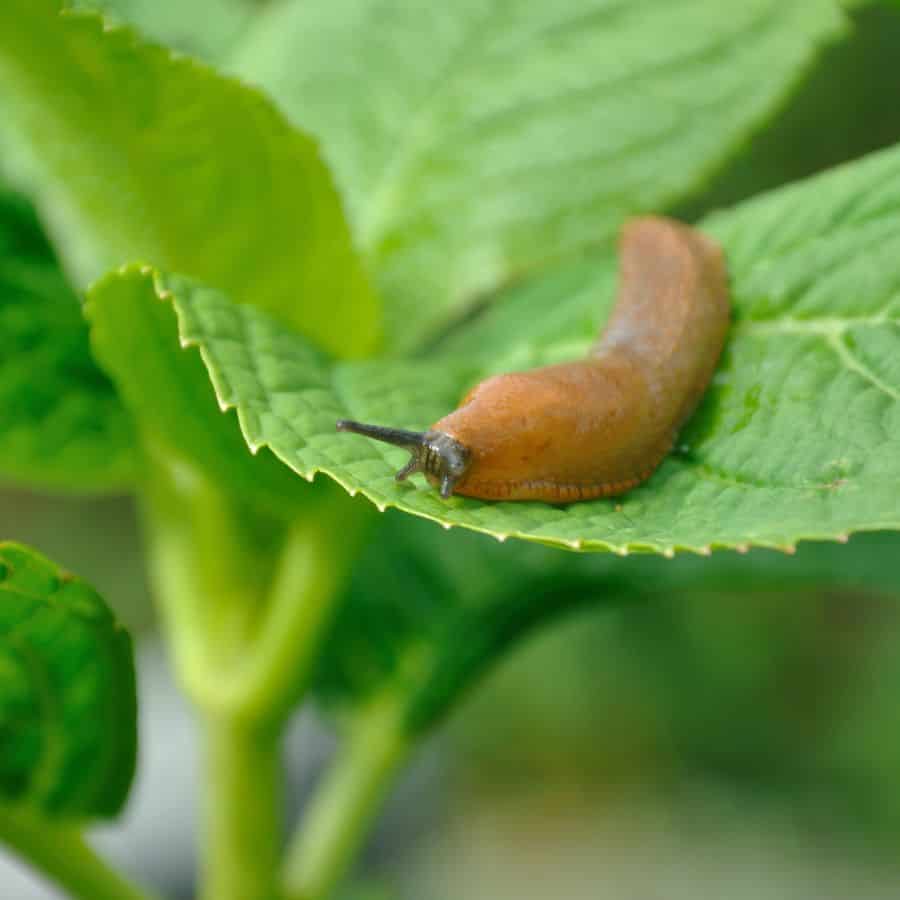
Don’t let the “daffodils are pest-resistant” myth fool you into complacency. While they’re tougher than most flowers, bulb flies, slugs, and snails can still wreak havoc on weakened post-bloom plants.
Regular inspection is your secret weapon. Catch problems early with natural deterrents like diatomaceous earth for slugs or neem oil for bulb flies. Your vigilance now prevents disaster later.
6. Division Magic: The Multiplication Secret
Here’s something that’ll blow your mind: overcrowded daffodil bulbs actually compete against each other, resulting in fewer, smaller blooms. It’s like forcing a family of six to live in a studio apartment; Nobody thrives.
After foliage dies back every 3-5 years, carefully dig up and separate those bulb clusters. You’ll literally multiply your daffodil population while dramatically improving bloom quality. It’s gardening magic at its finest!
7. Soil Analysis: The Underground Intelligence Report
Most gardeners fly blind, never knowing what’s happening in their soil. A simple soil test reveals the hidden chemistry that could be sabotaging your daffodils or supercharging their growth.
Daffodils prefer slightly acidic to neutral soil (pH 6.0-7.0). Too acidic? Add lime. Too alkaline? Sulfur is your friend. This one step can change mediocre bulbs into show-stoppers.
8. Foliage Health Monitoring: Your Early Warning System
Those green leaves aren’t just decoration. They’re your daffodils’ lifeline and your diagnostic tool. Yellowing, spotting, or wilting can signal serious problems such as basal rot or narcissus smoulder.
Catch the disease early, and you can save on your entire bulb investment. Ignore the warning signs, and you might be replanting from scratch next year. Weekly foliage checks are like health insurance for your garden.
9. Strategic Garden Planning: Creating Next Year’s Masterpiece
While your current daffodils are finishing their show, start plotting next year’s spectacular display. Consider bloom times, color combinations, and companion plants that’ll create a continuous spring celebration.
Think beyond just daffodils. Tulips, crocuses, and hyacinths can create layered blooming that extends your spring joy for months instead of weeks.
10. Garden Documentation: Your Success Blueprint
Here’s the difference between amateur and pro plant parents: documentation. Keep track of bloom dates, weather patterns, pest issues, and care actions in a simple garden journal.
This information becomes your personalized success blueprint, helping you make better decisions year after year. You’ll spot patterns, avoid past mistakes, and optimize your care routine based on real data, not guesswork.
The revelation that changed my gardening forever was realizing that daffodil care is a year-round relationship, not a brief spring fling. These 10 steps will transform your struggling bulbs into a thriving, multiplying colony that brings you decades of spring joy.
Your future self will thank you when you’re surrounded by hundreds of vibrant blooms instead of a handful of disappointed flowers.
The choice is yours. Will you join the ranks of gardeners who understand the secret, or will you keep repeating the same mistakes that leave your daffodils gasping for survival?