What Does Blood Type Have to Do With How Many Mosquitoes Land on You?
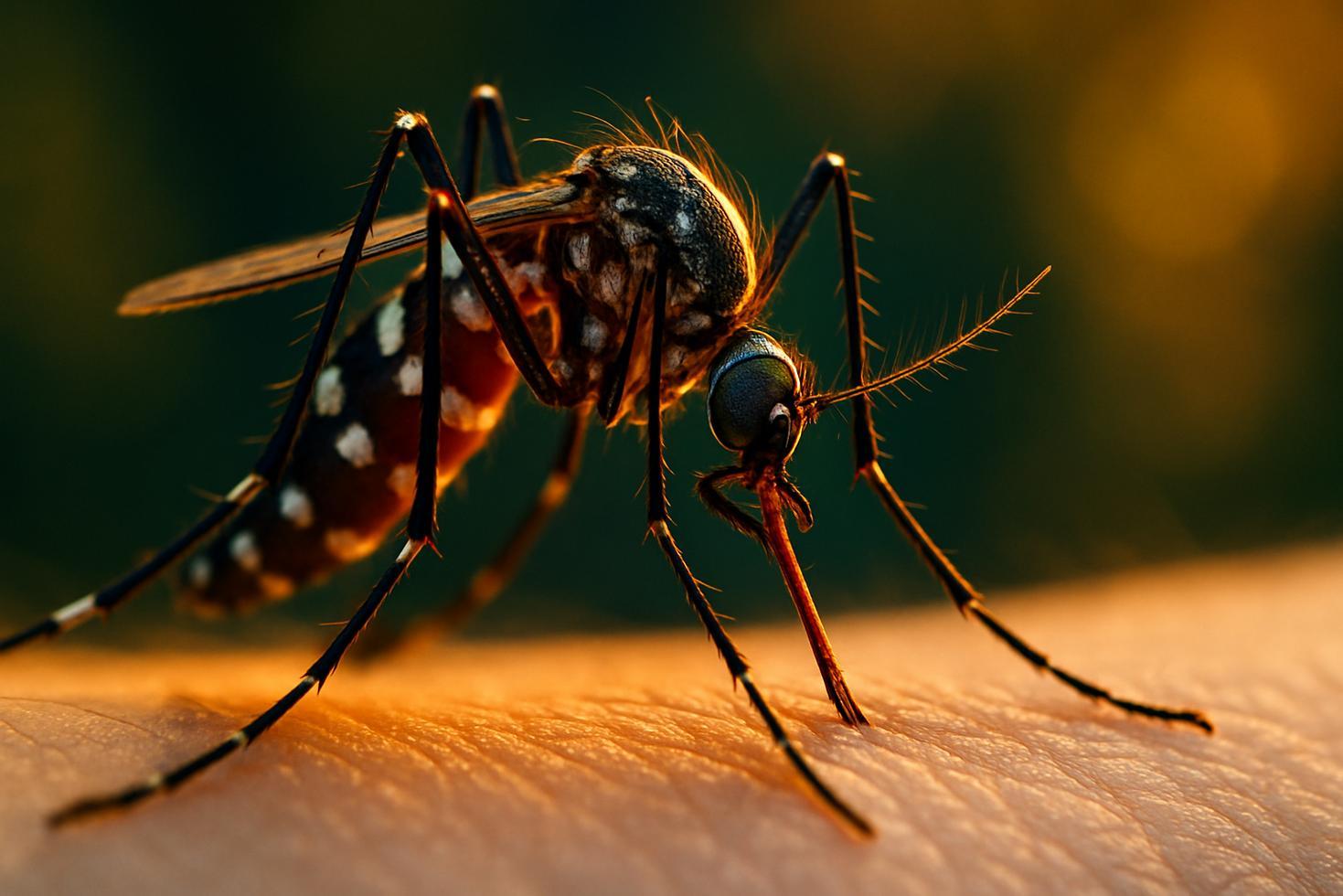
Close-up of a mosquito landing on human forearm skin, wings spread, proboscis near the surface.

Type O secretors drew 83.3% relative landing rate in a 64-experiment test. Type A secretors drew 46.5%. No blood type dropped to zero. Skin broadcasts a chemical identity, and mosquitoes can read it. In a 64-experiment human landing study on Aedes albopictus, type O secretors attracted mosquitoes at an 83.3% relative landing rate, compared to … Read more
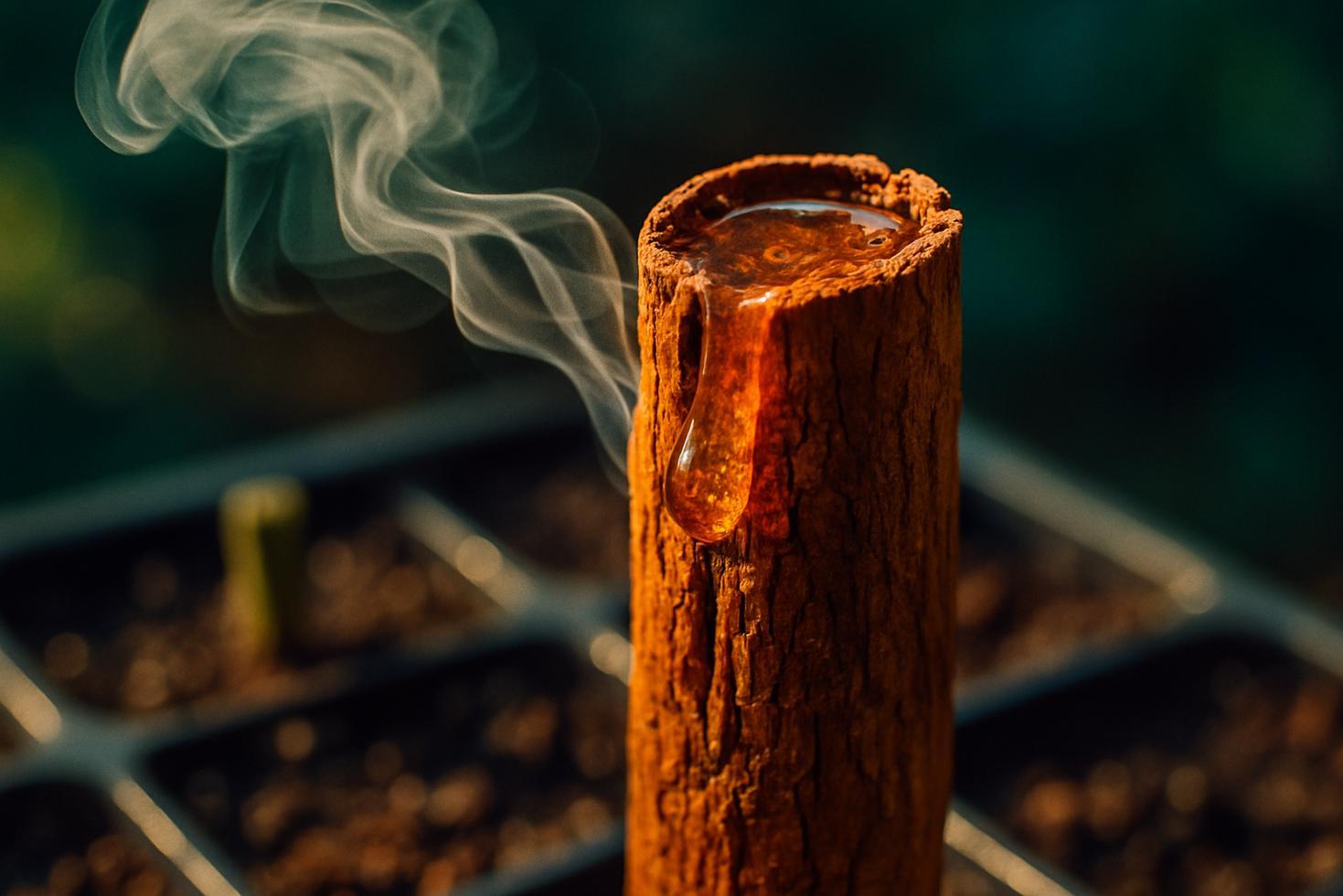

Does Cinnamon Actually Protect Plant Cuttings from Fungal Rot?

Close-up of cinnamon powder dusted on the cut end of a plant stem cutting laid on propagation medium

Cinnamaldehyde disrupts fungal cell membranes and blocks metabolic activity — and a single gram of garden soil holds hundreds to thousands of distinct fungal species waiting at every fresh cut. Cinnamaldehyde, the compound behind cinnamon’s sharp scent, functions as a bio-fungicide by disrupting cell membranes and interfering with the metabolic activity of plant-pathogenic fungi. That … Read more

How Do Roadrunners Kill Rattlesnakes Without Venom Immunity?

A greater roadrunner standing on desert ground, head lowered, facing forward in an alert hunting posture.

Two roadrunners. One distracts. The other pins the head and bashes the snake against rock. No venom resistance — just a division of labor that ends with a dead rattlesnake. Greater Roadrunners (Geococcyx californianus) are documented predators of rattlesnakes, and they accomplish this with no known systemic venom immunity. That fact is startling on its … Read more

Does Purslane Have More Omega-3 Than Salad Greens?

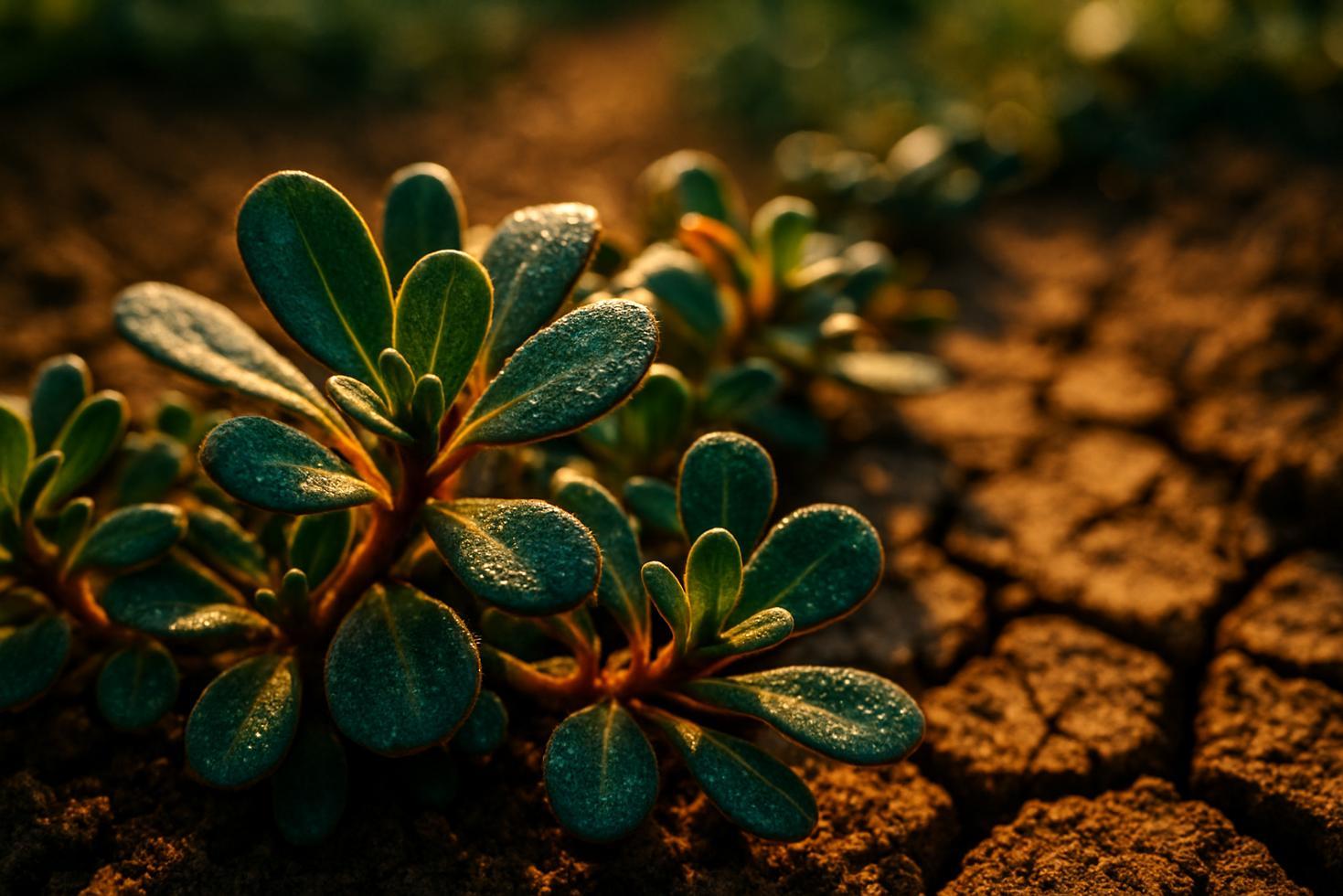
Close-up of purslane stems and fleshy leaves growing low against dry cracked soil in bright sunlight.

Purslane runs 300–500 mg of ALA per 100 g fresh leaves. Iceberg lettuce delivers roughly 20–30 mg. The weed most gardeners pull is doing something extraordinary. Purslane (Portulaca oleracea) contains more alpha-linolenic acid (ALA) per 100 grams than virtually any other commonly eaten leafy vegetable. Multiple peer-reviewed nutrition studies place purslane at 300–500 mg ALA … Read more

What Happens to Pasta’s Starch When It Cools in the Refrigerator?

Close-up of cooked spaghetti pasta cooling in a white bowl on a kitchen counter, steam fading

Freshly cooked pasta contains 8.03 g of resistant starch per 100 g — one night of refrigeration pushes that to 12.88 g, a 60% jump that survives reheating. Cooked pasta physically restructures its starch molecules during refrigeration, converting digestible carbohydrate into resistant starch that the small intestine cannot break down. That is not a metaphor. … Read more

Surprising Uses For Eggshells

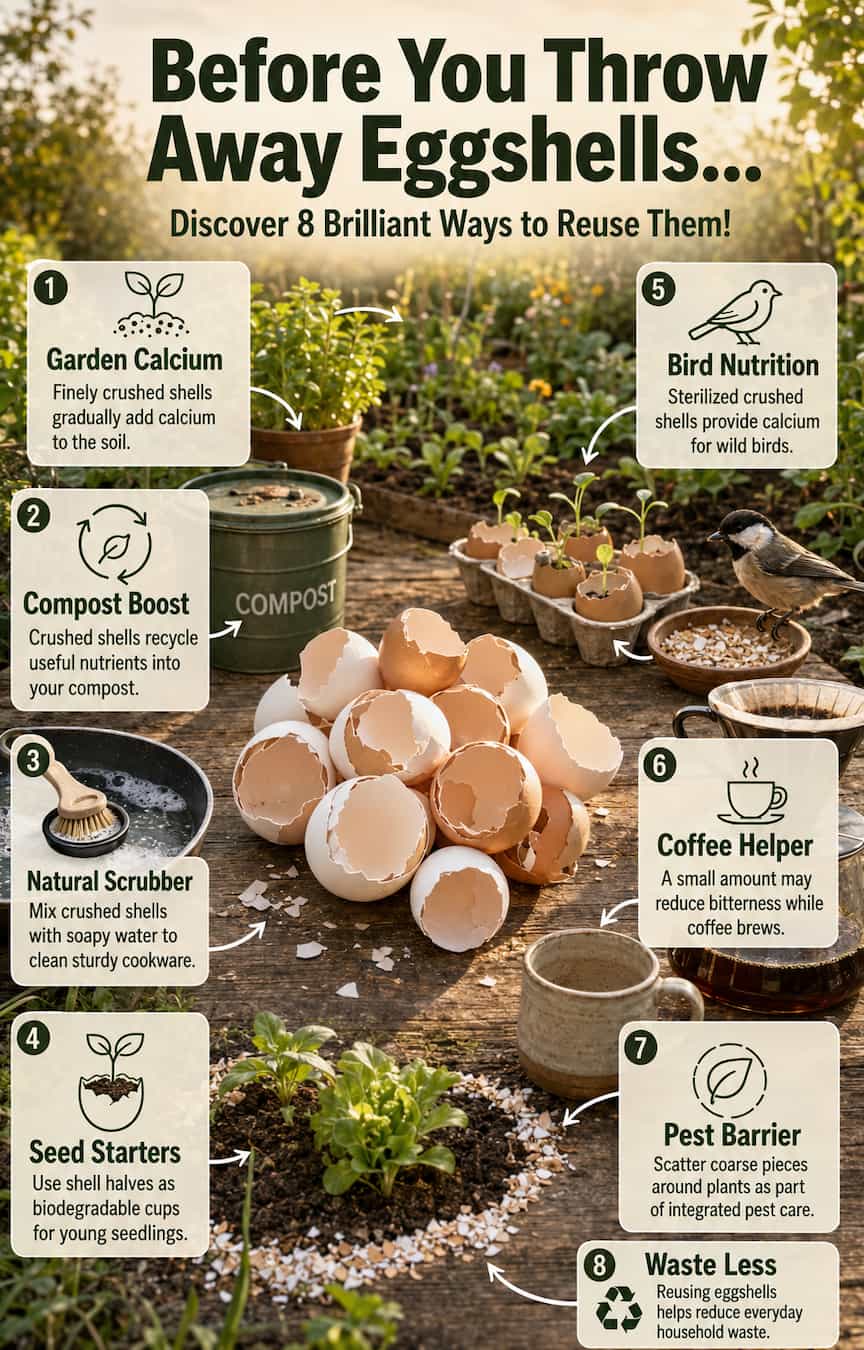
8 ways to use eggshells in the home and garden

If you used to throw away the eggshells until now, you might want to reconsider. Eggshells contain high amounts of calcium and other vital compounds that can be used for fertilizing the soil in your back garden and more. So after you prepare your favorite dish with eggs, save the shells for later use to … Read more

October Garden Miracle: Plant These 15+ Veggies Now for Double Harvests

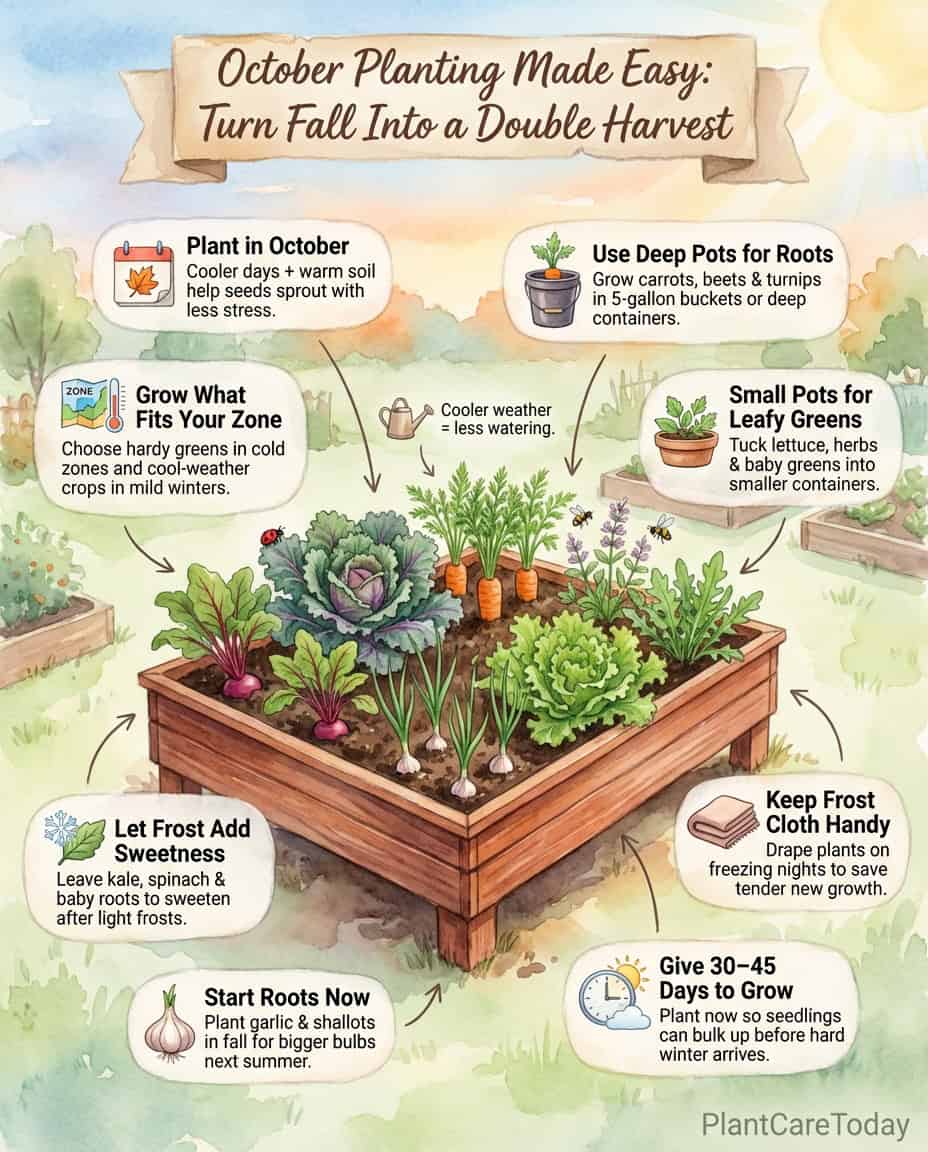
Infographic showing October vegetable planting guide with garlic and seasonal crops by zone

Think October means hanging up your gardening gloves? Think again! While your neighbors are packing away their tools, you could be planting the seeds of an epic harvest. (Spoiler alert: October might just become your new favorite planting month!) Let’s dig into what you can plant right now, no matter your growing zone, for a … Read more

Are Your Seeds Already Dead? The Life-Saving Guide You Need Now

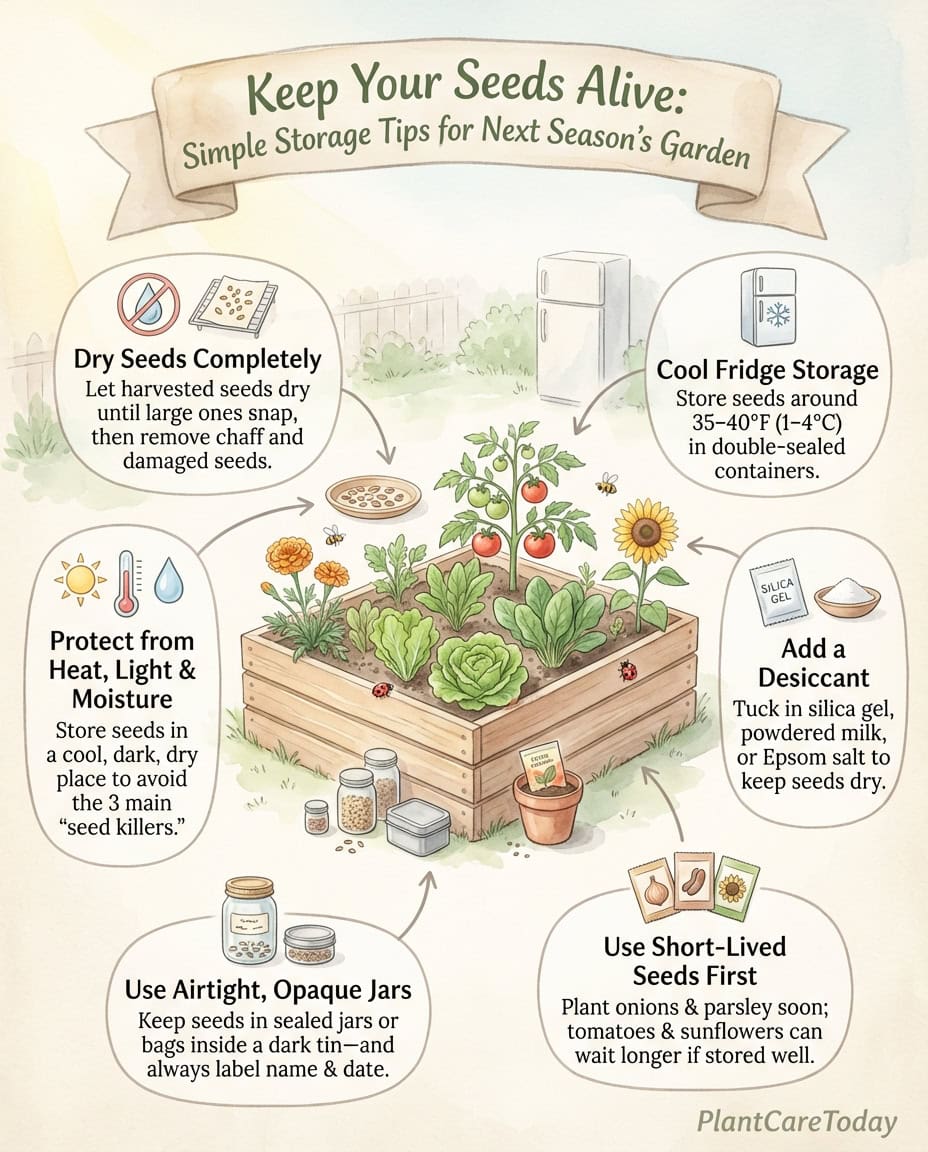
Seed storage infographic showing three common threats and preservation methods with container examples

Another gardening season has ended, leaving you with handfuls of precious seeds. But before you toss them in a drawer (the silent seed killer!), I need to share something crucial. The average gardener unknowingly destroys up to 70% of their stored seeds before the next planting season! Ready to join the elite seed-saving club instead? … Read more

Brown Pine Cones? BORING! Why Green Ones Are Nature’s True Miracle

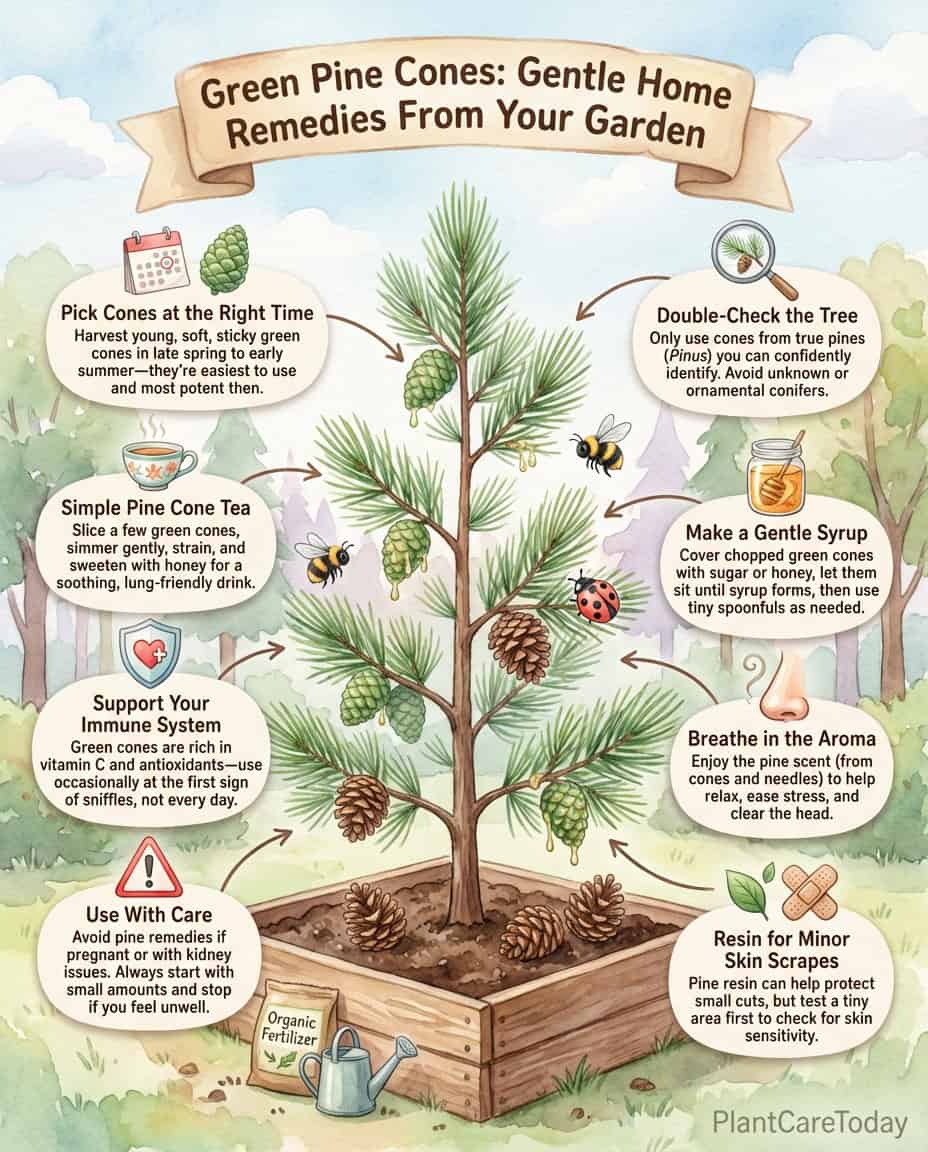
Pine cone foraging infographic comparing green vs brown cones with harvest timing and medicinal properties chart

Forget what you’ve heard about expensive superfoods from exotic locations. The most powerful natural remedy might be hiding in plain sight on the trees in your local park! Green pine cones, those sticky, immature cones you’ve probably stepped over without a second thought, are actually nature’s overlooked healing powerhouse. I was shocked to discover that these … Read more

Why This “Immortal Plant” Belongs in Your Bathroom, Not Your Garden

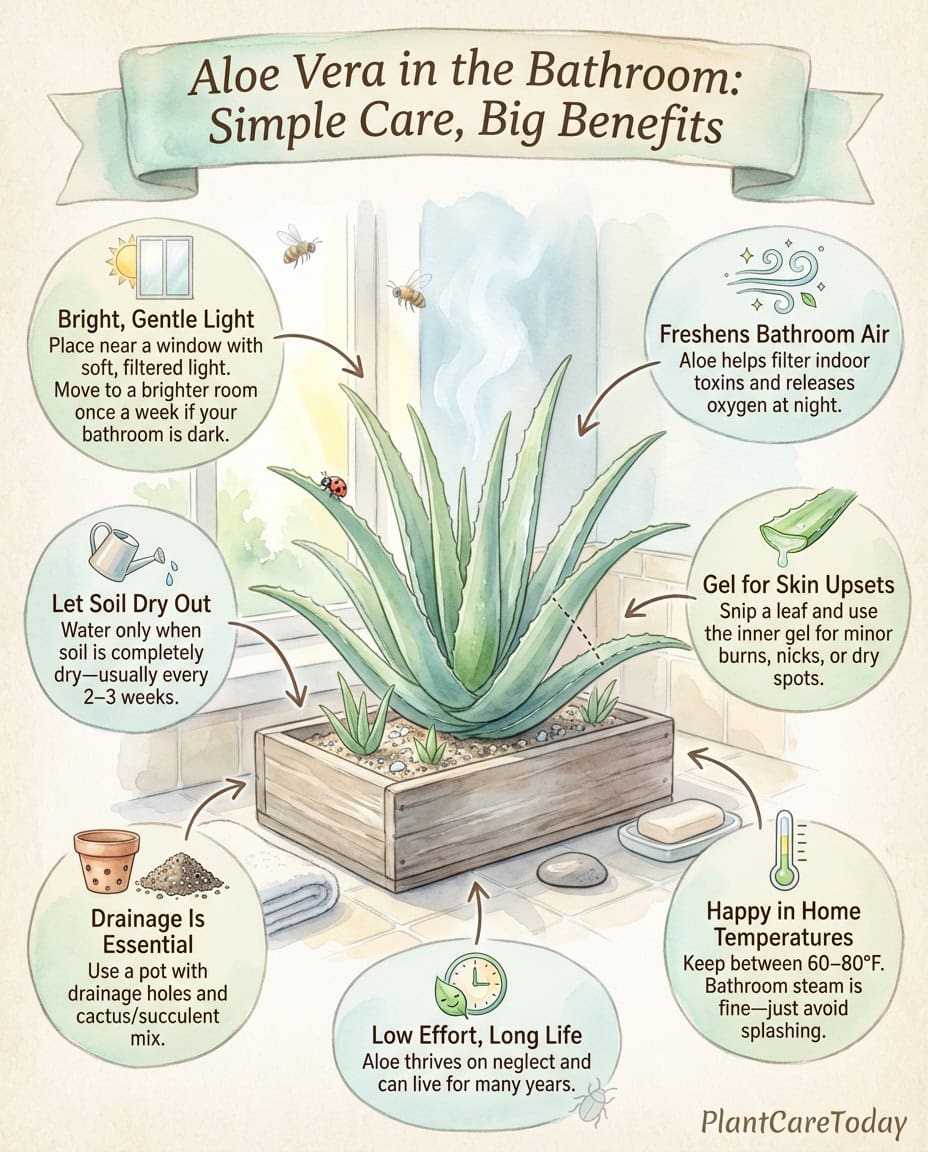
Aloe vera bathroom care infographic showing placement tips and humidity tolerance information

Forget what you’ve heard about keeping plants in your bathroom. While most green friends wither in humidity, there’s one superstar that’s practically BEGGING to live next to your shower. The ancient Egyptians called Aloe vera the “plant of immortality,” and once you discover what this unassuming succulent can do in your bathroom, you’ll understand why … Read more