The game-changer for your fall garden isn’t what you think… It’s probably crunching under your feet during autumn walks.
While you’re busy splurging on fancy fertilizers and high-tech gardening gadgets, Mother Nature’s MVP, the humble pine cone, is just waiting to transform your garden for exactly $0.
I was shocked to discover that these woody little wonders do WAY more than just look pretty in holiday crafts!
Nature’s Most Underrated Weather Station (No Batteries Required!)
Forget checking your weather app every morning. The secret most plant experts won’t tell you is that pine cones are natural humidity sensors that have been predicting weather patterns since before smartphones were a twinkle in Steve Jobs’ eye.
These fascinating structures literally open and close in response to moisture levels in the air. When humidity drops, they spread their scales to release seeds.
When’s the rain coming? They seal up tight like nature’s umbrella. This isn’t just cool science. It’s practical garden intel !
Your pine cone weather guide:
- Open cone = Dry weather ahead (perfect timing for watering, planting, or harvesting)
- Closed cone = Rain’s on the way (hold off on watering and prepare for moisture)
Simply hang a pine cone or two near your garden beds, and you’ll have 12-24 hours’ advance notice before the weather changes. That’s like having a meteorologist on staff! (And trust me, this one won’t be wrong half the time.)
The Natural Pest Patrol You’ve Been Overlooking
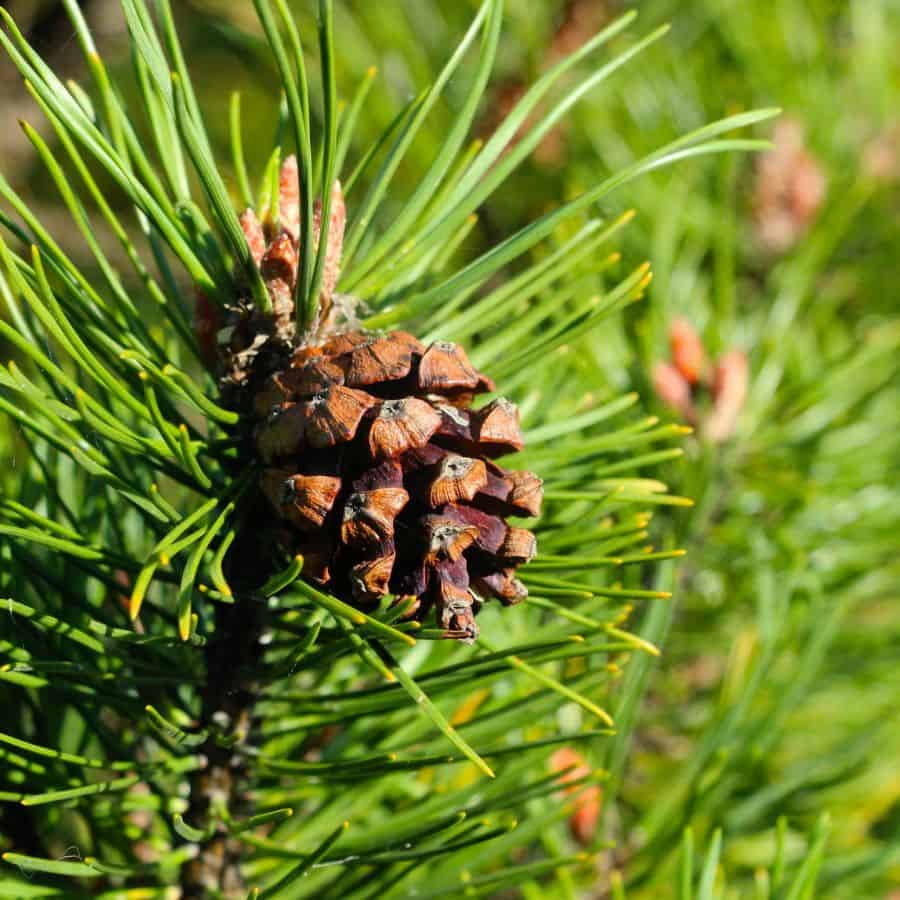
Most people make this mistake with their gardens: they reach for chemical pest solutions before trying nature’s original deterrents. Pine cones are essentially tiny, spiky bodyguards for your plants.
That spiky, woody texture that makes pine cones so distinctive? It’s a natural barrier against garden invaders.
Slugs and snails treat them like a bed of nails, while cats and other digging animals find them about as comfortable as walking on Legos.
Even better, the natural pine scent serves as a “No Vacancy” sign to many rodents and small mammals.
Your pest defense strategy:
- Circle vulnerable plants with pine cones to create a spiky defensive perimeter
- Scatter them throughout freshly planted beds to prevent scratching and digging
- Hang them from tree branches where the sun can warm them, releasing more of their natural deterrent scent
Who knew garden protection could be this sustainable? It’s like having an eco-friendly security system that actually improves your soil as it breaks down!
The VIP Lounge for Beneficial Wildlife
While pine cones are bouncers for the bad guys, they roll out the red carpet for garden allies. Your garden is trying to tell you something important: it needs beneficial insects and birds to thrive!
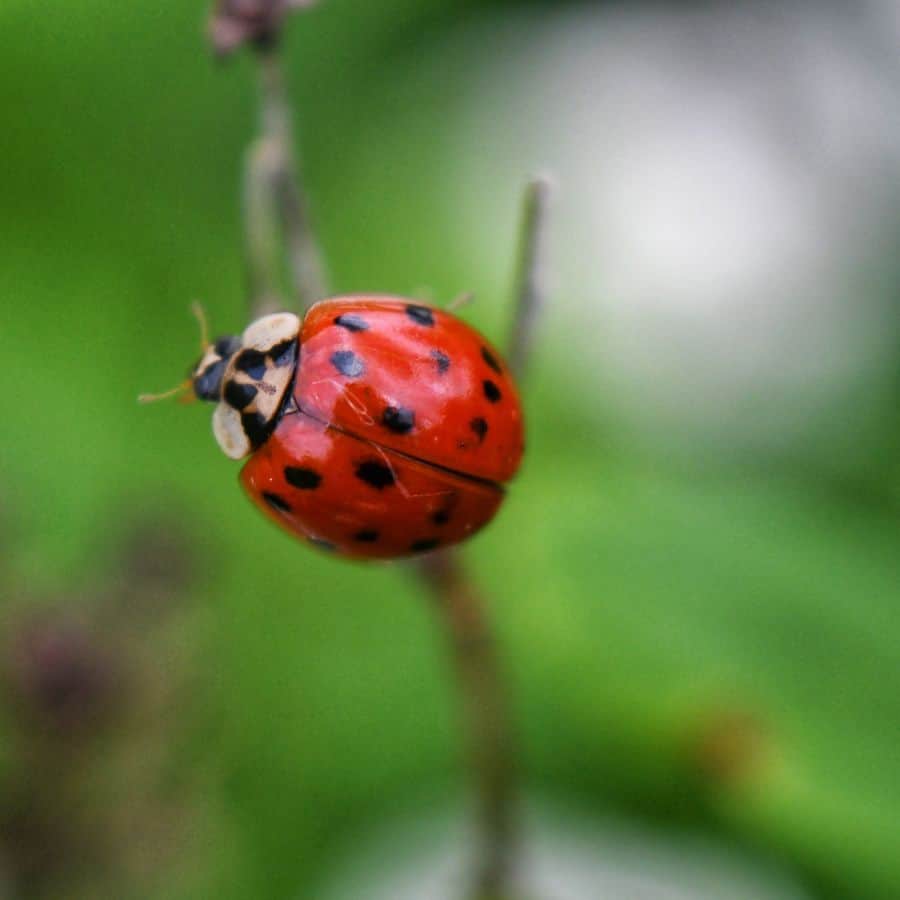
Those same crevices that make pine cones architectural marvels also create perfect microhabitats for garden helpers like ladybugs, lacewings, and solitary bees. Think of them as five-star insect hotels with thousands of tiny rooms.
Even more spectacular? Transform pine cones into natural bird feeders that will keep feathered friends visiting your garden all winter long:
- Smear a pine cone with peanut butter or suet
- Roll it in birdseed until coated
- Hang it near your garden beds
Did you know a single chickadee can eat up to 1,000 insects in one day? By attracting birds in fall, you’re essentially hiring a natural pest control team that works for seeds. Talk about a bargain!
Soil Superchargers That Work While You Sleep
The difference between amateur and pro plant parents is simply understanding that garden care happens below the surface, too.
Pine cones aren’t just working above ground. They’re soil improvement powerhouses.
When used strategically, pine cones can dramatically improve your garden’s foundation:
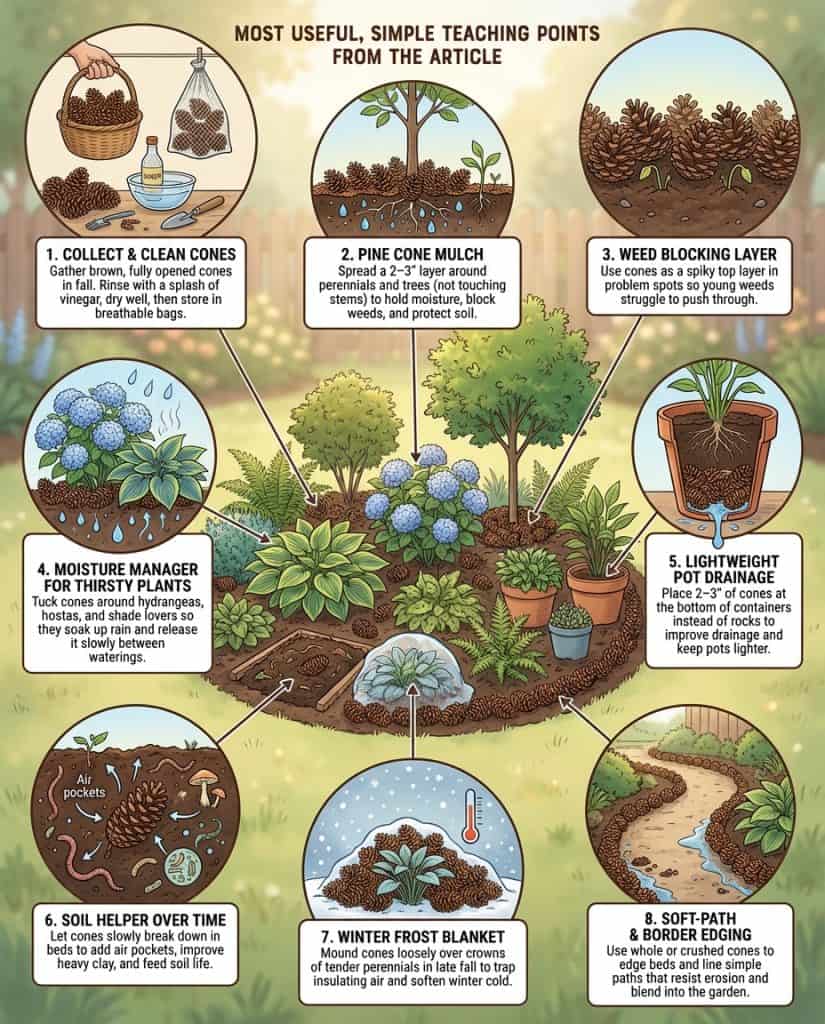
- As mulch: They create a protective layer that retains moisture, prevents erosion, and slowly breaks down into organic matter
- For aeration: Crushed pine cones mixed into heavy clay soil create air pockets that help roots breathe, and water penetrate
- In compost: Broken into smaller pieces, they add carbon-rich material that balances your “greens” and improves airflow
And contrary to popular belief, mature pine cones won’t significantly acidify your soil as fresh pine needles might. They break down neutrally, adding structure without altering pH. Nature really has thought of everything!
From Practical to Beautiful: The Decorative Bonus
Let’s be honest. Even if pine cones weren’t garden multitaskers, they’d still earn their place through sheer rustic charm.
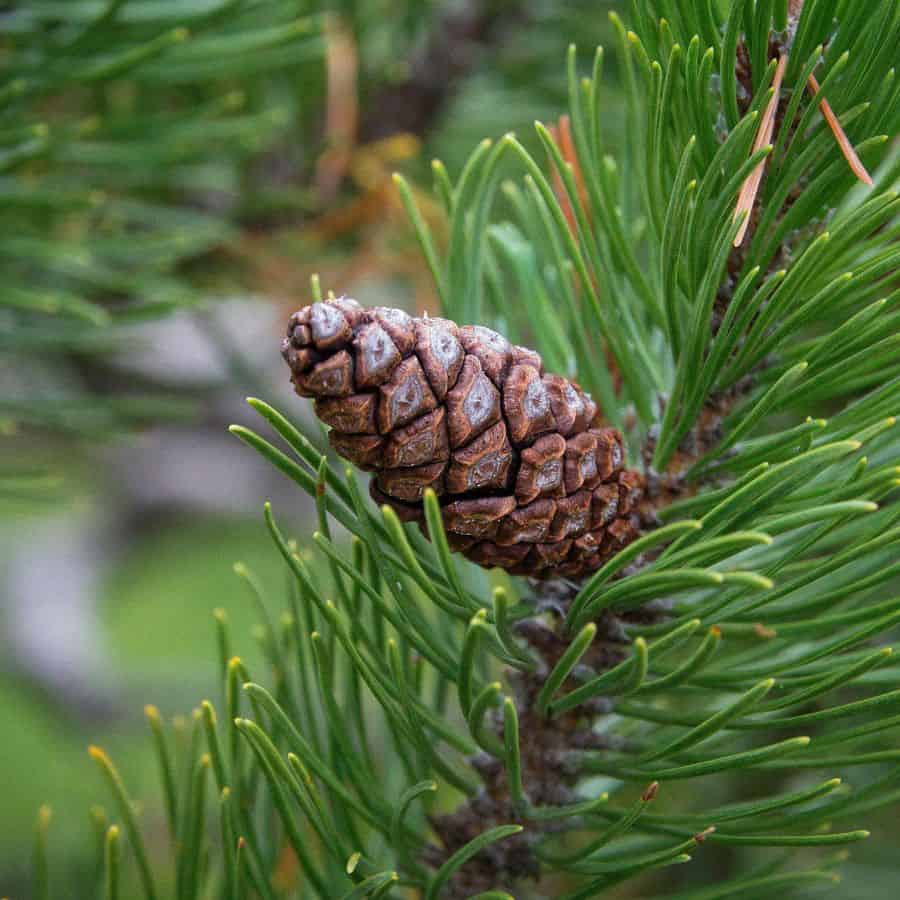
They’re like the Swiss Army knives of garden decor: functional, versatile, and naturally beautiful.
Hanging pine cones creates gentle movement and subtle sounds that enhance your garden experience while still serving their practical purposes. They’re the definition of form meeting function.
For an extra flourish, try coating them with essential oils like lavender or peppermint. You’ll add insect-repelling power while creating a garden that smells as good as it looks. It’s like an all-natural air freshener that also protects your plants!
Your 3-Step Pine Cone Garden Plan
Ready to let these woodland wonders revive your garden? Here’s how to start:
- Collect with care: Gather mature, dry cones in late summer or fall from parks or your yard (just make sure you’re allowed to collect them where you are!)
- Clean and prepare: Give them a gentle shake to remove debris, then bake at 200°F for 20-30 minutes to eliminate any hitchhiking pests
- Deploy strategically: Hang some as weather indicators, scatter others as pest barriers, and save a few for bird feeders
The best part? This entire garden upgrade costs nothing but a little time. As one gardener told me, “I used to spend $30 on pest repellents each season—now my pine cone collection does better work for free!”
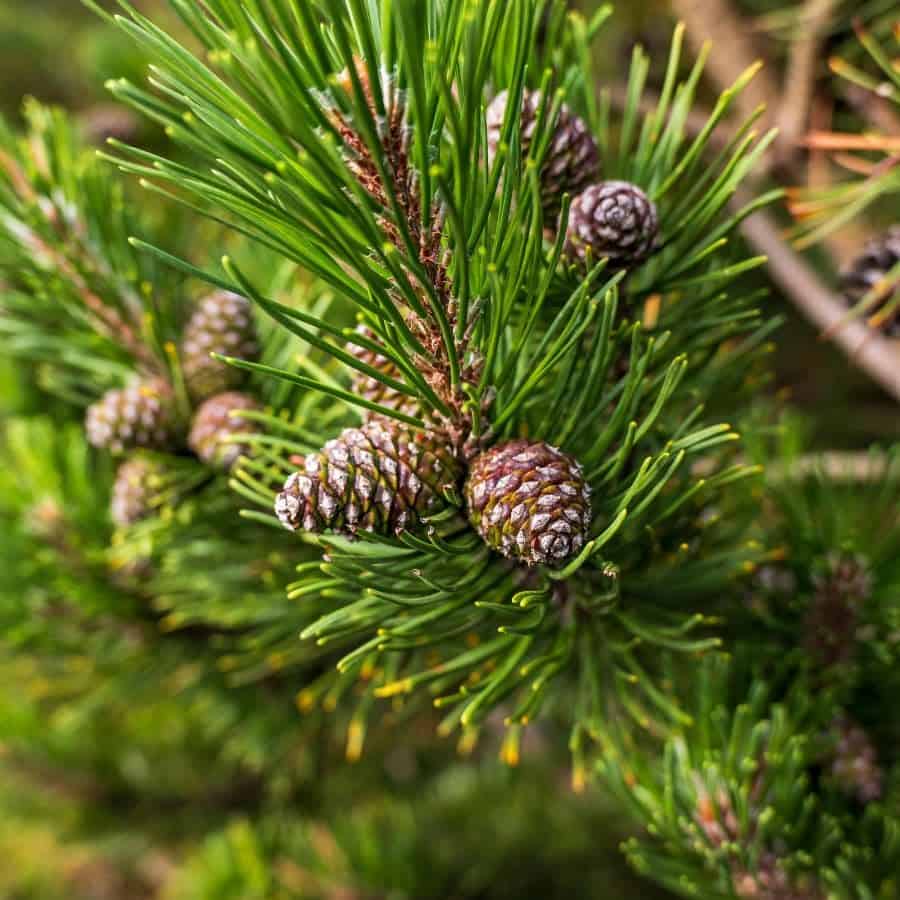
The Ancient Wisdom We Almost Forgot
For centuries, cultures worldwide recognized the power of pine cones. Ancient Egyptians saw them as symbols of fertility and renewal.
European gardeners hung them as charms for abundant harvests. Native Americans incorporated them into agricultural practices.
In our rush toward synthetic solutions, we’ve nearly forgotten what our ancestors knew: sometimes the most effective garden tools aren’t in the garden center. They’re already scattered across the forest floor, waiting to be recognized.
So before you click “buy” on that next garden gadget, take a walk outside. That pine cone by your feet might just be the free, sustainable solution your garden has been waiting for.