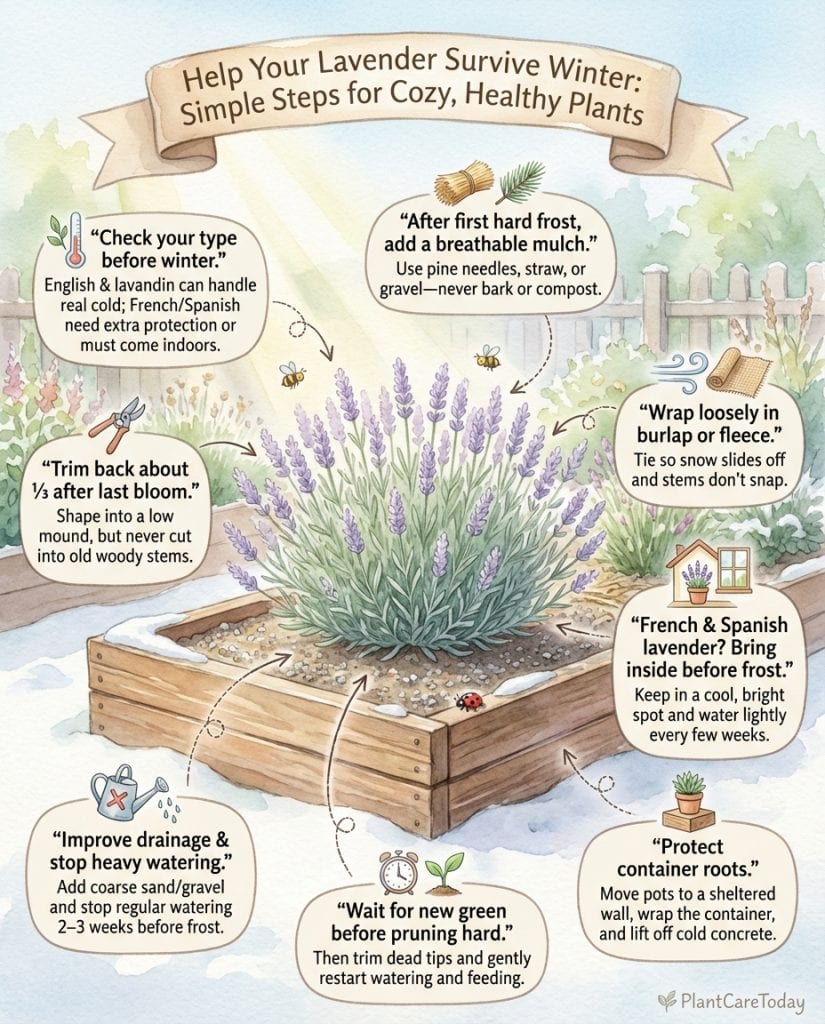
Is your gorgeous summer lavender about to face winter’s wrath?
That Mediterranean beauty might look tough, but here’s the shocker: it’s not the cold alone that kills lavender. It’s the deadly combination of cold AND moisture.
Your fragrant friend is silently begging for help before frost strikes! Let me show you how to transform your vulnerable plant into a winter warrior.
Know Your Lavender’s Secret Cold Tolerance
Your lavender’s winter survival depends entirely on which type you’re growing. (And yes, I was shocked to discover that many gardeners don’t even know which variety they have!)
- English Lavender ❤️ Cold Climates (Lavandula angustifolia): The cold-climate champion that survives down to a brutal -20°F. Perfect for zones 5-9.
- Lavandin ❤️ Hybrid Strength (Lavandula × intermedia): The sturdy hybrid withstanding temps to around -10°F. Works in zones 5-8.
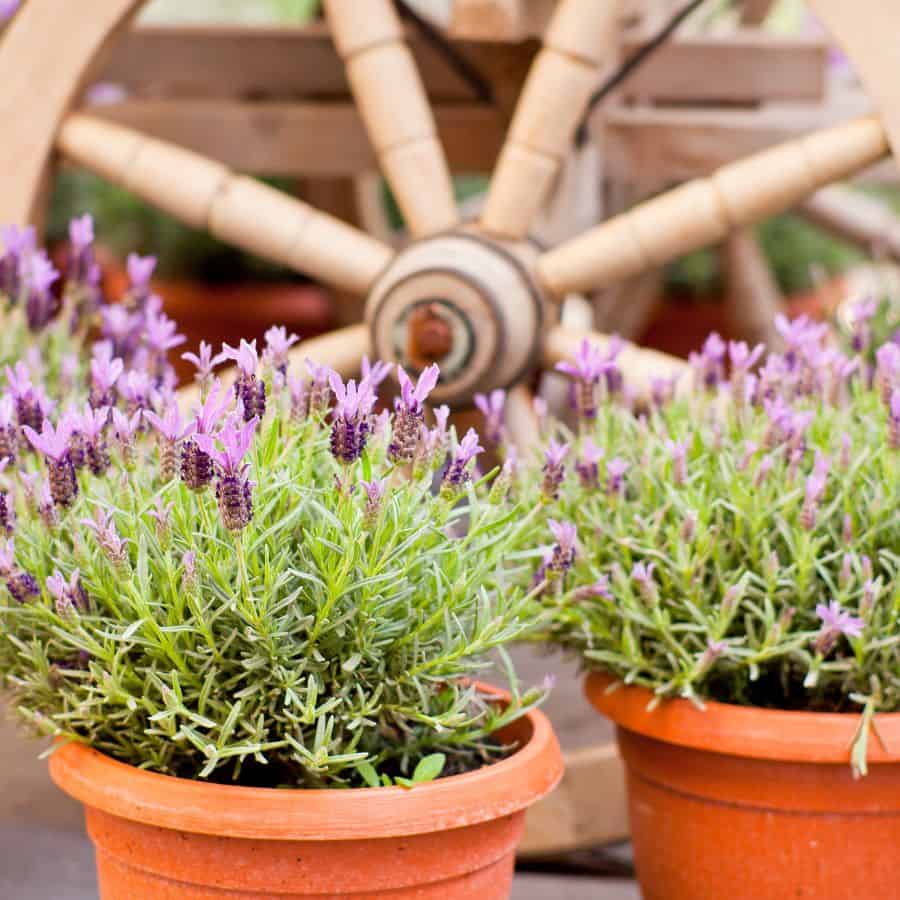
- French/Spanish Lavender ❌ Frost Foes: The drama queens of the lavender world – they’ll collapse at the first hint of serious frost (below 20°F). These zone 8-11 divas need special treatment.
The difference between amateur and pro plant parents is simply knowing what they’re growing.
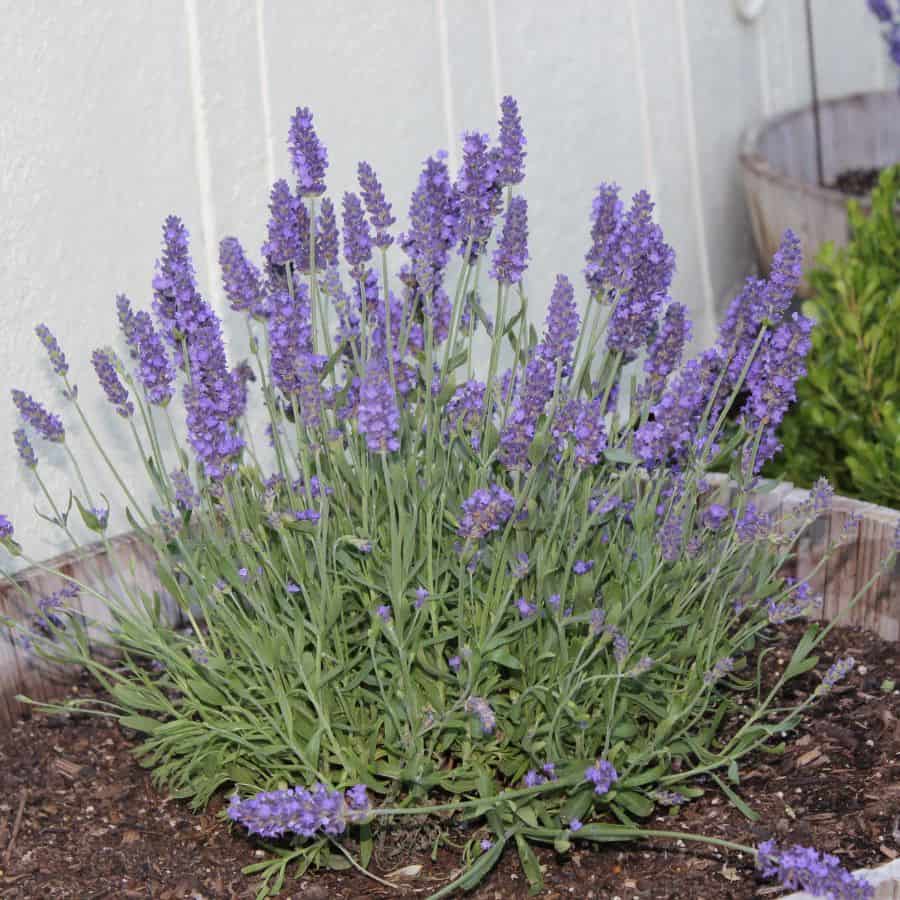
Check your plant tag or examine the leaf shape. English varieties have narrow, gray-green leaves, while French/Spanish types have decorative “ears” on their blooms.
The Fall Pruning That Changes Everything
Forget what you’ve heard about skipping fall pruning! The game-changer for your lavender isn’t coddling it. It’s giving it a strategic haircut.
Proper pruning is like sending your lavender to winter boot camp. It toughens it up! Cut back after the final summer bloom but before the first frost (usually late August through September).
- Remove faded flowers and trim back about one-third of the overall height
- NEVER cut into woody stems. They rarely regrow
- Shape into a rounded mound (imagine creating a little plant igloo)
This pruning prevents your lavender from becoming a snow-catching net that breaks under winter’s weight. It’s like switching from a billowy dress to a streamlined winter coat!
Why Your Lavender Is Secretly Drowning
Your lavender is trying to tell you something important: “Stop drowning me!.
Remember: lavender evolved in sun-baked Mediterranean hillsides with rocky, fast-draining soil. Winter wetness is a death sentence for these plants, causing the dreaded root rot that kills faster than cold.
To rescue your plant from moisture doom:
- Mix coarse sand or small gravel into the oil around the plant bases
- Create slight mounds under plants to improve drainage
- Stop regular watering 2-3 weeks before the first frost
- Give one deep watering right before winter, then hands off!
The ultimate drainage test: Dig a small hole and fill it with water. If it drains in under 5 minutes, your lavender will thrive. Any slower and you’re creating a root-rotting swamp!
The Winter Mulch Secret Most Experts Won’t Tell You
The secret most plant experts won’t tell you is that lavender requires completely different mulching than most plants. Using typical organic mulches is like wrapping your lavender in a wet blanket!
For spectacular winter protection that won’t suffocate your plant:
- Wait until after the first hard frost (soil cool but not frozen)
- Use ONLY pine needles, straw, or small gravel
- Apply a 2-3 inch layer, leaving breathing room around the crown
- AVOID bark, wood chips, or compost – these trap deadly moisture
Think of proper lavender mulch like a breathable Gore-Tex jacket rather than a waterlogged cotton hoodie. Your plant needs insulation that allows airflow!
The Wind and Snow Shield That Actually Works
Cold winds and heavy snow can snap your lavender’s brittle stems like twigs. Creating a winter shield system takes just minutes but dramatically increases survival rates.
- Wrap plants loosely in burlap or garden fleece (never plastic!)
- Secure with natural twine in a way that sheds snow
- For container plants, move to a south-facing wall
- Wrap pots with burlap or bubble wrap to insulate roots
- Elevate containers on wooden risers (concrete leaches cold!)
Did you know that container lavender is 70% more vulnerable to winter damage than garden-planted varieties? Those elevated roots freeze faster than in-ground ones, making protection absolutely critical.
The Tender Varieties Rescue Plan
If you’re growing French or Spanish lavender in zones below 8, I’ll be blunt. They’re goners without intervention. These Mediterranean varieties simply aren’t built for serious cold.
Your winter rescue mission:
- Dig up garden plants or move containers indoors before the first frost
- Place in a cool, bright spot around 50-60°F
- Water sparingly (once every 3-4 weeks)
- Skip the fertilizer – plants should be semi-dormant
- Provide as much natural light as possible
Think of these tender lavenders like tropical vacationers. They need to come in from the cold, but don’t want to be in the hot, dry center of your home either!
Spring Revival: Patience Brings Stunning Results
When spring arrives, resist the urge to immediately hack away at your gray, sad-looking lavender. What appears dead is often just dormant!
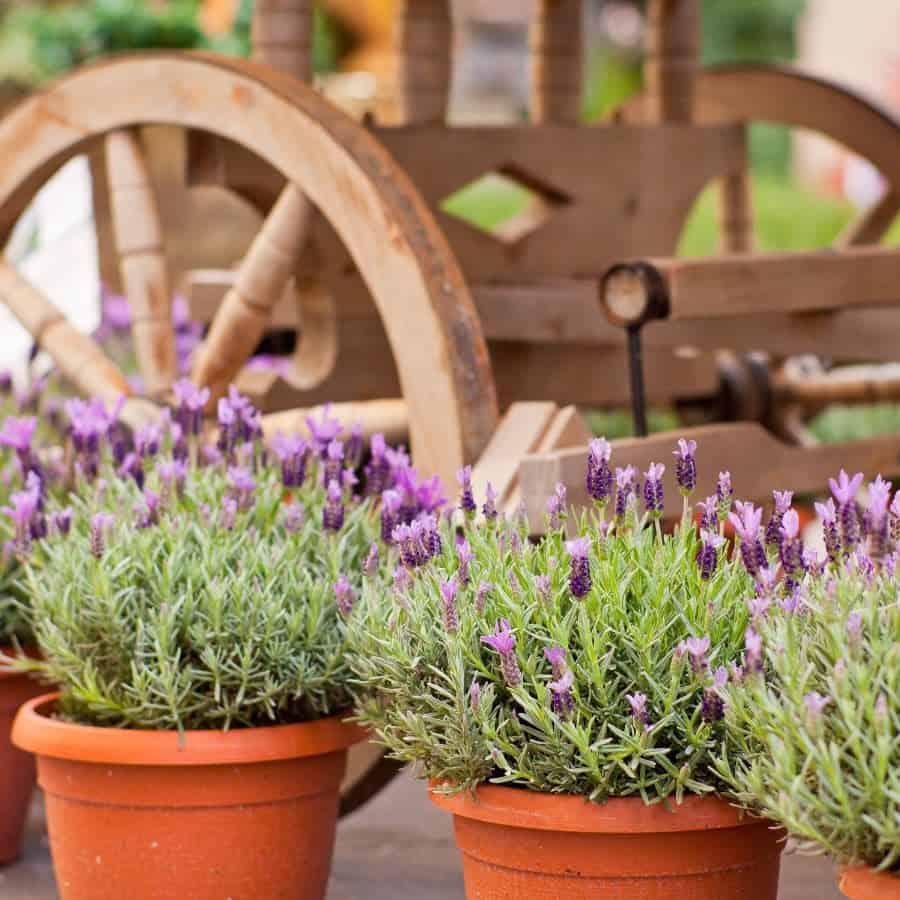
For a vibrant spring transformation:
- Wait for new green growth at the base before pruning
- Only then trim away winter damage
- Apply a light organic fertilizer
- Resume watering once growth picks up
With proper winter protection, your lavender will flourish for 10-15 years or more! That’s an incredible return on just 30 minutes of fall prep work.
Remember: what looks like winter death is often just your plant’s dramatic nap. Give it time to wake up and stretch in spring before declaring defeat!