The secret most plant experts won’t tell you is that the hardest-working plant in your garden might be the one you’ve overlooked.
Enter the nasturtium: nature’s Swiss Army knife disguised as a pretty flower. This vibrant bloom isn’t just eye candy; it’s a pest-fighting, pollinator-attracting, drought-tolerant culinary powerhouse that practically begs to be neglected.
Forget what you’ve heard about fussy garden plants. This South American native is about to revolutionize your yard and your plate.
Garden Superhero: Why Nasturtiums Deserve Your Attention
Nasturtiums are the plant equivalent of that friend who’s good at everything but never brags about it.
These jewel-toned beauties, with their distinctive round leaves, pack more garden benefits into one seed than plants that cost five times as much.
I was shocked to discover that nasturtiums can actually increase your vegetable garden yield by up to 30% when used as companion plants !
Their natural compounds repel harmful insects while attracting the beneficial ones your garden needs to thrive.
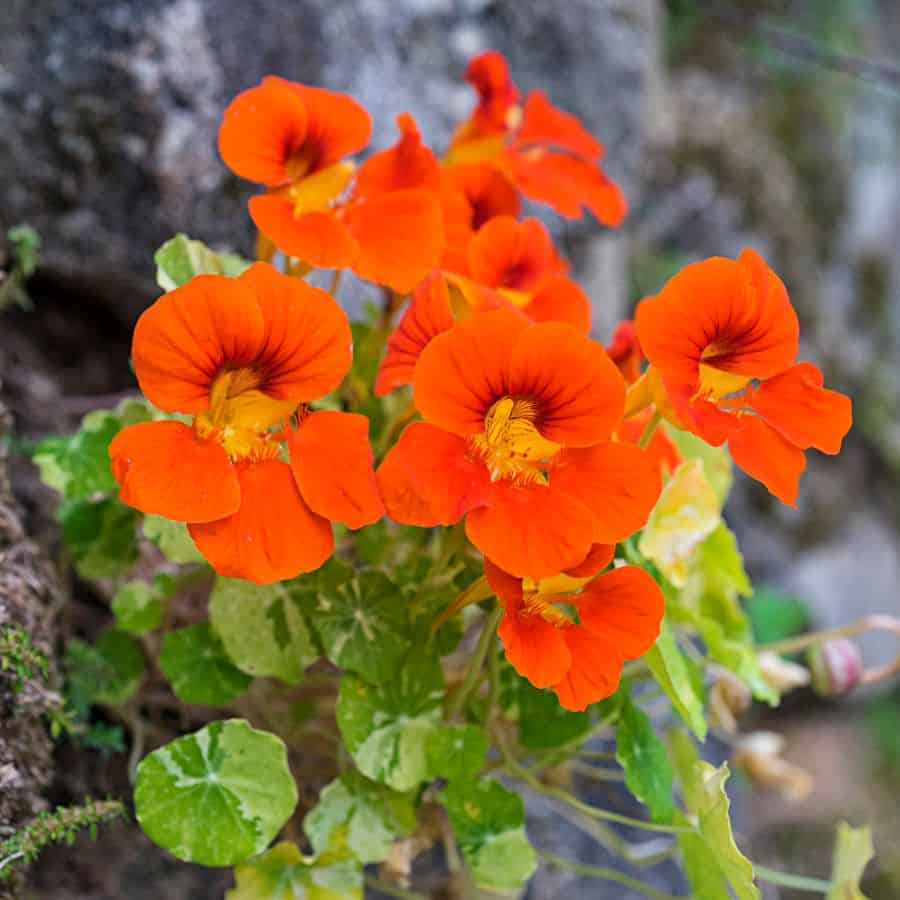
What makes nasturtiums truly spectacular garden additions:
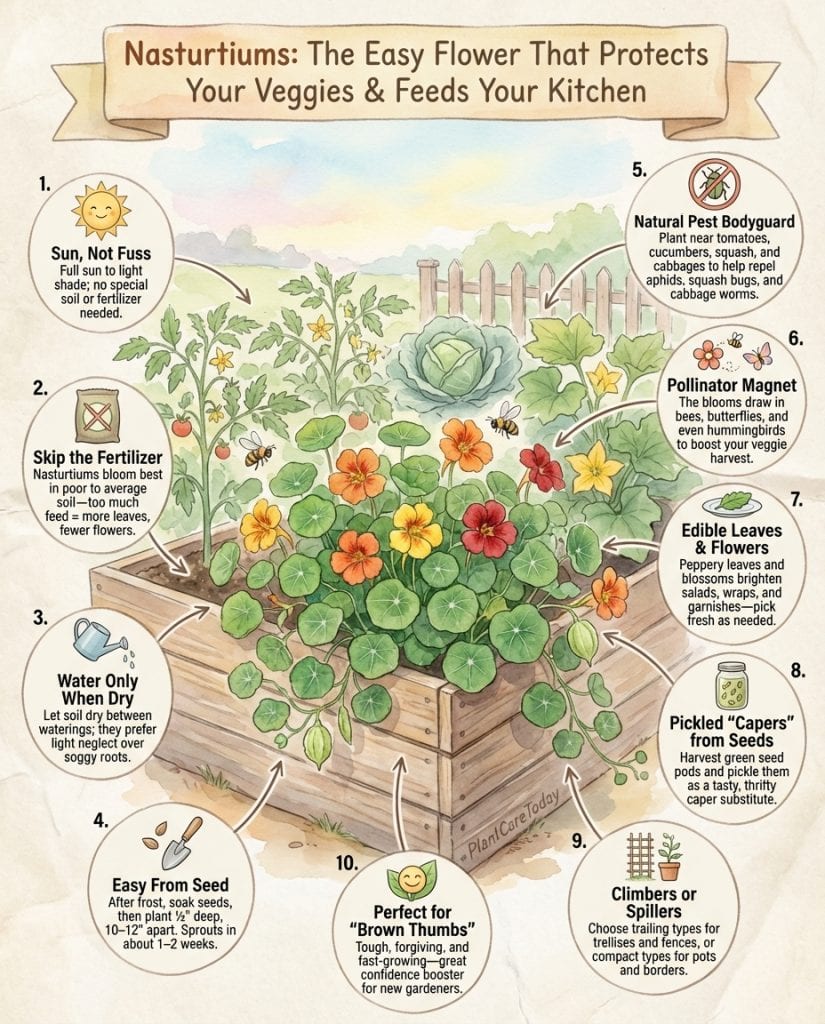
- Pest Bodyguards: They repel aphids, whiteflies, squash bugs, and cabbage loopers (your cabbages and tomatoes will thank you)
- Pollinator Magnets: Bees, butterflies, and hummingbirds can’t resist them
- Drama Without the Drama: They create vibrant color explosions with minimal care
- Versatility Champions: They work in beds, containers, hanging baskets, or as climbers
The difference between amateur and pro plant parents is simply knowing which plants deliver maximum impact with minimum effort.
Nasturtiums are the definition of “plant it and forget it.” They actually prefer poor soil and benign neglect. They’re like the reverse divas of the plant world!
Kitchen Game-Changer: Eating Every Part of the Nasturtium
Your nasturtium is trying to tell you something important: “I’m delicious. All of me!” While most gardeners might pick a petal or two, you’re about to discover how to transform this entire plant into culinary magic.
Nasturtiums deliver a peppery punch similar to arugula but with a visual impact that makes every dish Instagram-worthy.
And we’re not just talking flowers; every single part of this plant is edible and uniquely useful in the kitchen.
The Spicy Leaves That Elevate Any Meal
Nasturtium leaves pack a wasabi-like kick that makes boring salads spring to life. Their round shape makes them perfect for:

- Mini green “tacos” filled with cheese or hummus
- Spicy substitute for basil in homemade pesto
- Peppery wraps for sandwich fillings
- Vibrant addition to mixed salads
Pro tip: Younger leaves have a milder flavor if you’re sensitive to spice. Think of them as nature’s ready-made flavor bombs!
Flowers: The Edible Decoration That Actually Tastes Good
Unlike many edible flowers that look pretty but taste like nothing, nasturtium blooms deliver on flavor. Their milder peppery taste makes them perfect for:
- Stuffing with cream cheese for show-stopping appetizers
- Freeze in ice cubes for the most impressive summer drinks ever
- Infusing vinegar for a spicy, floral kick
- Garnishing literally anything that needs a color boost
Seeds: Your DIY “Poor Man’s Capers”
The game-changer for your pickle collection isn’t what you think. Those green seed pods that form after the flowers fade are culinary gold. When pickled, they’re virtually indistinguishable from expensive capers!
Quick nasturtium seed pickle recipe:
- Collect green, soft seed pods
- Soak overnight in salt water
- Drain and pack in jars with white vinegar and spices
- Refrigerate for 3 days before using
Even the stems are edible! Chop young ones into stir-fries for an unexpected peppery crunch.

Growing Nasturtiums: Even Brown Thumbs Can’t Mess This Up
Most people make this mistake with their nasturtiums: they try too hard. These plants actually flourish with minimal intervention. They’re the ultimate confidence boosters for garden beginners.
The nasturtium success formula is ridiculously simple:
- Sunlight: Full sun to partial shade
- Soil: Poor to average (seriously, skip the fertilizer)
- Water: Only when very dry
- Planting: Soak seeds, plant 1/2 inch deep after frost
- Spacing: 10-12 inches apart
Choose between climbing varieties like ‘Jewel of Africa’ for trellises and walls, or compact types like ‘Empress of India’ for containers and borders. Within 7-14 days, you’ll see seedlings, and flowers follow about 35-40 days later.
Want to really maximize their pest-fighting superpowers? Plant nasturtiums near:
- Tomatoes and cucumbers (to repel aphids)
- Squash and pumpkins (to deter squash bugs)
- Broccoli and cabbage (to distract cabbage loopers)
Transform Your Garden & Plate Today
Nasturtiums are that rare plant that delivers on every promise: beauty, function, flavor, and ease. They’re like that friend who’s gorgeous, helpful, interesting, AND low-maintenance. (We all need more of those in our lives!)
Whether you’re a seasoned gardener looking to add edible flair or a beginner seeking guaranteed success, nasturtiums deserve a prime spot in your planting plans.
Their vibrant blooms will transform your outdoor space while their peppery personality will revolutionize your kitchen creations.
Remember: in a world of demanding plants, be a nasturtium – stunning without trying too hard.