That forest scent you love isn’t just refreshing. It’s medicine in the air. For centuries, pine needles have been silently offering one of nature’s most potent remedies.
I was shocked to discover that this backyard ingredient contains compounds so powerful they’ve been used to treat everything from scurvy to respiratory infections.
Ready to transform your medicine cabinet with something that grows abundantly in nature? Let’s unlock the healing power of pine needle oil.
Nature’s Lung Rescue: Why Pine Oil Is a Respiratory Game-Changer
The secret most plant experts won’t tell you is that pine needles contain a treasure trove of healing compounds that pharmaceutical companies wish they could patent.
We’re talking vitamin C (more than lemons!), shikimic acid (the precursor to Tamiflu), powerful terpenes, and antioxidants that work together like nature’s SWAT team against illness.
These compounds make pine needle oil exceptional for:
- Breaking up stubborn chest congestion (like a natural bulldozer for mucus)
- Fighting respiratory infections before they take hold
- Calming inflamed airways when allergies or colds strike
- Boosting circulation and energy when you’re dragging
- Purifying indoor air of germs and toxins
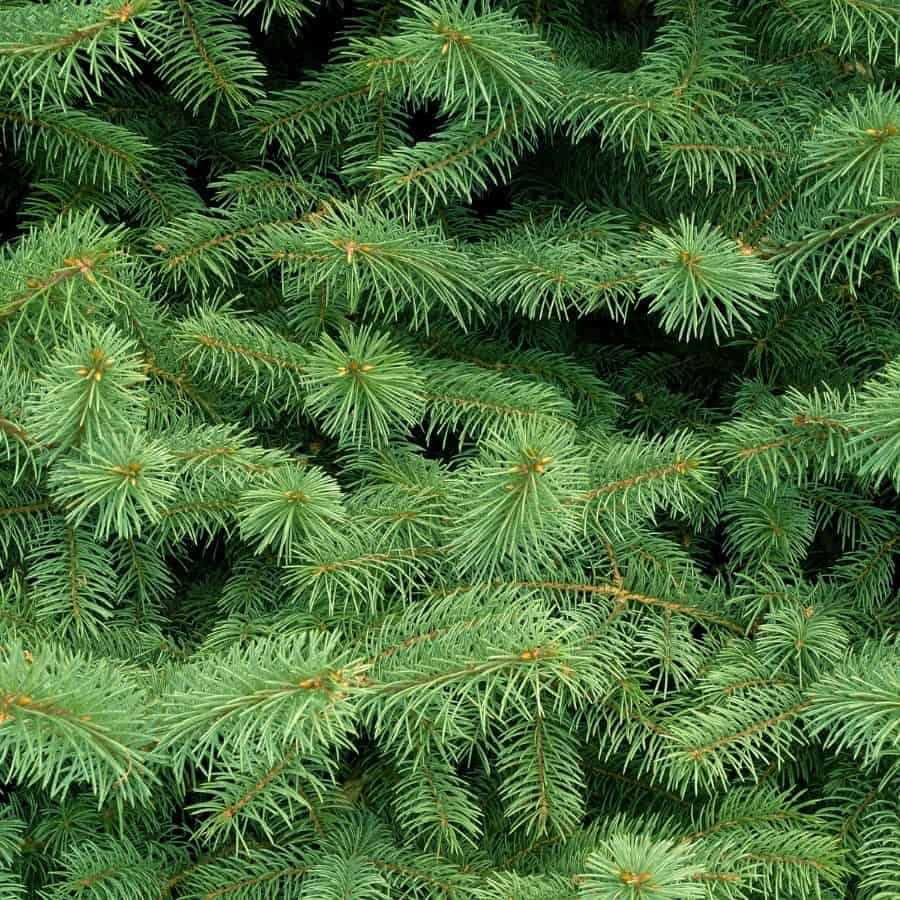
Did you know? Native American healers relied on pine during harsh winters to prevent illness, and modern research confirms why.
Pine contains compounds that can reduce viral replication by up to 99% in laboratory studies!
Pine Essential Oil vs. Pine Infused Oil: Know the Crucial Difference
Before we dive in, let’s clear something up. There are two very different “pine oils” that shouldn’t be confused:
- Pine Essential Oil: Highly concentrated, steam-distilled, and too potent for direct skin contact. Great for diffusers and cleaning.
- Pine Needle Infused Oil: Gentle, skin-safe oil where pine compounds have been extracted into a carrier oil. Perfect for massage, chest rubs, and direct application.
We’re making the second type, a versatile, safe oil you can actually use without worrying about chemical burns. (Your skin will thank you later!)
The Pine Needle Treasure Hunt: Which Trees Hold The Medicine?
Forget what you’ve heard about all pines being the same! Some species are healing powerhouses, while others can be mildly toxic. Your pine needle selection matters.
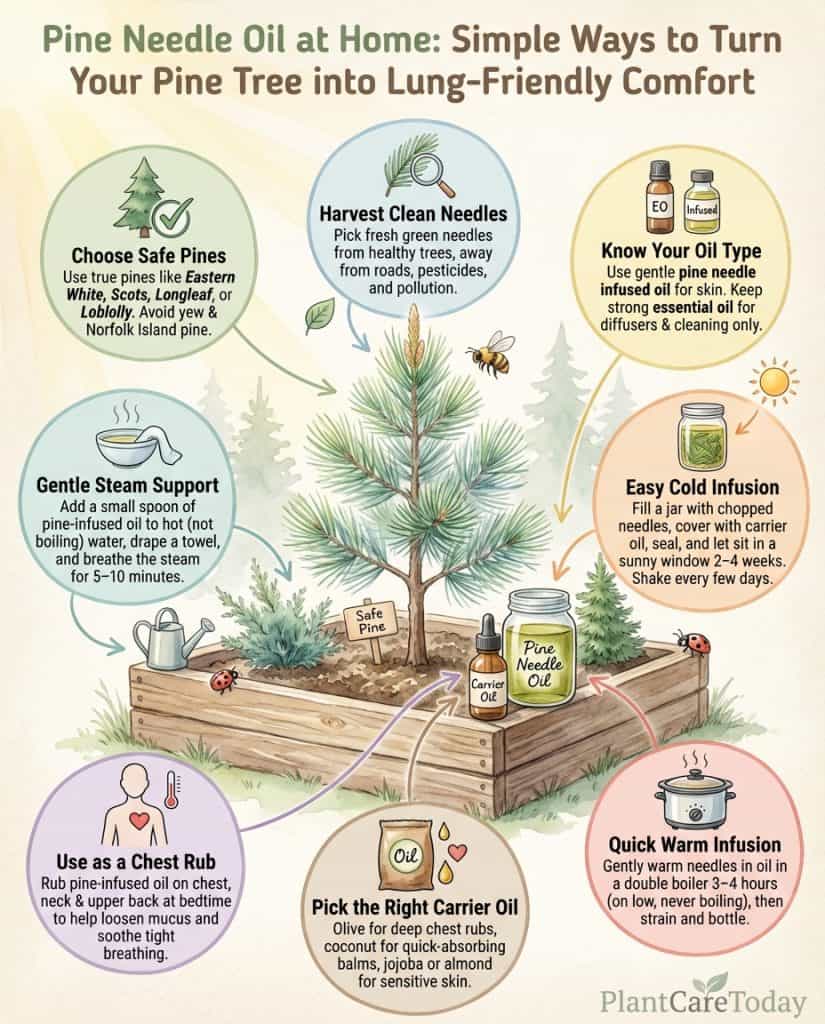
Safe pine species with the highest medicinal value:
- Eastern White Pine (Pinus strobus): the gold standard for respiratory support
- Scots Pine (Pinus sylvestris): traditionally used in European medicine
- Longleaf Pine (Pinus palustris): rich in vitamin C and antioxidants
- Loblolly Pine (Pinus taeda): common and effective for oil making

IMPORTANT SAFETY NOTE: Avoid Norfolk Island Pine and Yew. These aren’t true pines and can be toxic. Also, harvest from healthy trees in clean areas far from roads, pesticides, or pollution. Your pine needles should be as pure as possible.
DIY Pine Medicine: Two Foolproof Methods Anyone Can Master
The difference between amateur and pro plant parents is simply knowing these two methods for making pine needle oil. Choose based on your patience level:
Method 1: The Patient Path (Cold Infusion)
This slow-and-steady approach preserves all the delicate healing compounds. Think of it as letting the pine needles whisper their medicine into the oil.
- Wash and thoroughly dry 1 cup of fresh pine needles
- Chop or crush slightly to release the oils
- Place in a clean glass jar and cover completely with 1 cup carrier oil
- Seal tightly and place in a sunny window for 2-4 weeks
- Shake gently every few days to encourage infusion
- Strain through cheesecloth and store in a dark glass bottle
The resulting oil will be gentle, aromatic, and have a shelf life of 6-12 months. Perfect for sensitive skin or regular use.
Method 2: The Quick Fix (Warm Infusion)
Need lung support tonight? This method delivers results in hours instead of weeks.
- Combine chopped needles and carrier oil in a heat-safe glass container
- Place in a double boiler or slow cooker with water
- Heat gently on LOW for 3-4 hours (never boil!)
- Stir occasionally to maximize extraction
- Cool, strain, and bottle in a dark glass

This produces a stronger, more potent oil that works wonders as a chest rub during the cold season. It’s like sending in the respiratory cavalry when you need reinforcements fast!
Choose Your Base Wisely: The Best Carrier Oils
Your pine medicine is only as good as what it’s carried in. Each carrier oil brings its own benefits:
- Olive Oil: Deep moisturizing with antibacterial properties. Ideal for chest rubs that need to penetrate.
- Jojoba Oil: Mimics skin’s natural oils, making it perfect for facial or sensitive skin applications.
- Fractionated Coconut Oil: Light, antimicrobial, and absorbs quickly. Great for balms and all-purpose use.
- Sweet Almond Oil: Vitamin-rich and gentle. Perfect for full-body applications and massage.
7 Powerful Ways to Use Your Pine Needle Oil
1. Respiratory Rescue Chest Rub
Your lungs are trying to tell you something important when congestion hits. They need pine’s expectorant power!
Rub directly onto chest, neck, and upper back before bed. The compounds will work throughout the night to loosen mucus and reduce inflammation.
Quick Recipe: Mix 2 tablespoons of coconut oil with 1 tablespoon pine needle oil and 2 drops of eucalyptus essential oil (optional). This respiratory dream team works better than many over-the-counter options!
2. Steam Inhalation Therapy
Add a teaspoon to hot water, drape a towel over your head, and breathe the aromatic steam for 5-10 minutes. This delivers pine’s healing compounds directly to irritated airways, like a forest bath for your lungs.
3. Immunity-Boosting Massage
Massage into feet, chest, or shoulders to stimulate circulation and strengthen natural defenses. Pine oil penetrates deeply, delivering its antiviral and antibacterial compounds where your body needs them most.
4. Aromatherapy Air Purification
The pine scent doesn’t just smell amazing. It actually disinfects the air! Add to a diffuser to reduce airborne pathogens and simultaneously lower stress levels. Studies show pine aromatherapy can reduce cortisol (the stress hormone) by up to 20% while improving mental clarity.
5. Muscle Relief Massage
Pine’s anti-inflammatory properties make it excellent for soothing sore muscles and joints. Massage directly onto tired limbs after exercise or add to a warm bath to melt away tension.

6. Natural Home Disinfectant
Add 1 tablespoon to 2 cups of water and ½ cup of vinegar for a powerful, chemical-free cleaner. Pine’s natural antimicrobial properties have been shown to kill 99.9% of common household bacteria.
7. Skin Purifier
Diluted pine oil helps balance oily skin and fight acne-causing bacteria. Always patch test first and keep dilution levels appropriate for facial use (about 2-3 drops per tablespoon of carrier oil).
Safety First: Use Your Forest Medicine Wisely
Even natural remedies deserve respect. Keep these guidelines in mind:
- Always dilute before applying to the skin
- Avoid contact with eyes and mucous membranes
- Pregnant or nursing women should consult healthcare providers first
- This infused oil is for external use only
- Store in dark glass away from heat and sunlight
From Siberian forests to Native American medicine lodges, pine has been revered as the tree of life, a source of strength during harsh winters and a natural pharmacy growing freely in the wild.
Now you know how to tap into this ancient wisdom and transform those humble green needles into potent medicine.
Your ancestors knew the power of pine. Isn’t it time you rediscovered it?