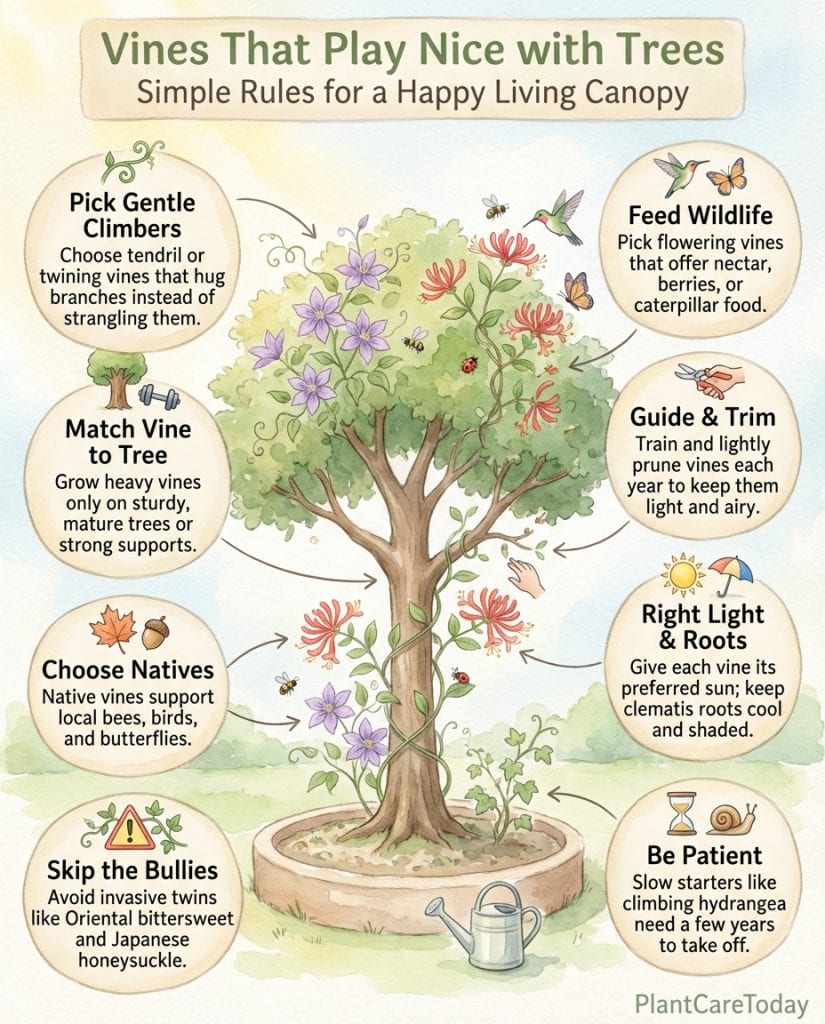
Forget ordinary landscaping! That tree in your yard is literally begging to become a spectacular living sculpture.
I was shocked to discover that the difference between amateur and pro plant parents is simply knowing which vines create woodland magic without strangling your precious trees.
Ready to transform your garden into a lush, vertical paradise that’ll make neighbors stop and stare? Let’s climb right in!
Why Your Trees Are Secretly Craving Vine Partners
Your trees are trying to tell you something important… they’re lonely! Adding the right vines doesn’t just create Instagram-worthy beauty.
It also creates a sense of community. It creates a thriving ecosystem. When paired thoughtfully, vines and trees form a power couple that can:
- Supercharge biodiversity: Creating buffets for bees, butterflies, and hummingbirds
- Provide natural shade: Like a living umbrella for delicate bark
- Deliver dramatic seasonal shows: With flowers, berries, and fall color explosions
- Maximize small gardens: By growing UP instead of OUT
The secret most plant experts won’t tell you is that vines with tendrils or twining stems (rather than strangling roots) create partnerships, not takeovers. Think of it as a botanical dance where everyone gets to shine!
The Elite 15: Tree-Loving Vines That Won’t Become Botanical Bullies
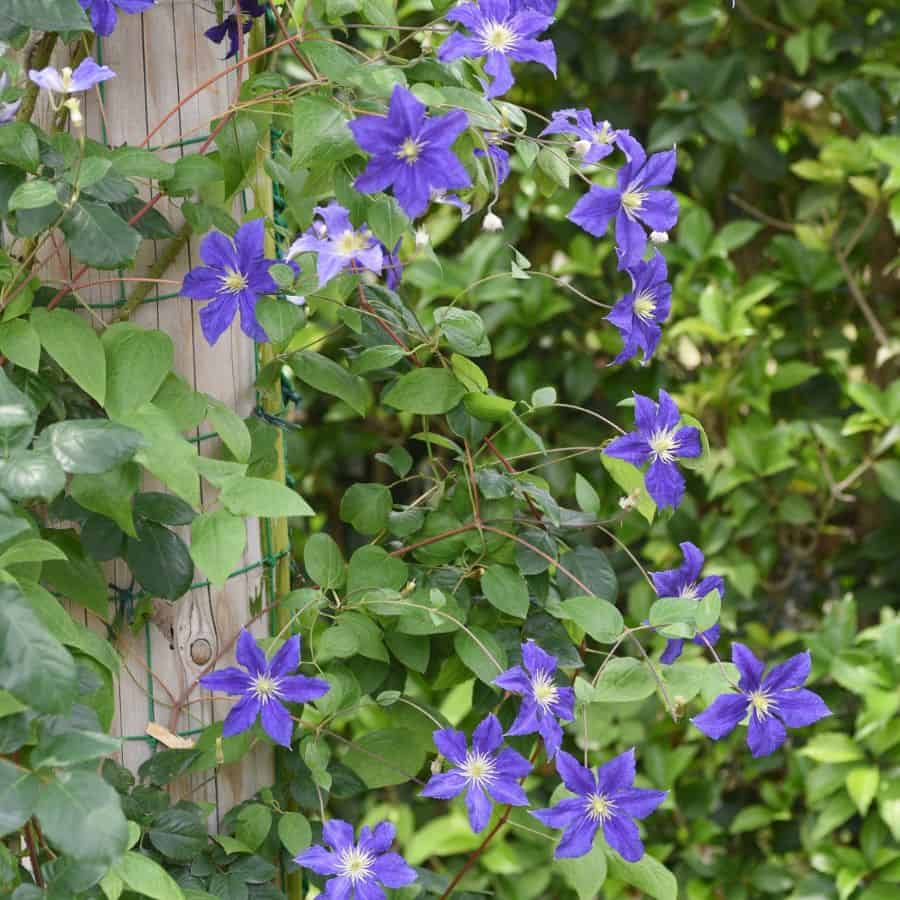
1. Clematis: The Royal Climber
Called the “queen of climbers” for good reason, clematis delivers star-shaped blooms in purple, pink, white, and blue that’ll stop traffic.
It climbs using leaf petioles that gently hug branches, like a friend who knows personal boundaries. It’s the vine equivalent of a perfect houseguest!
Why it’s a game-changer: Stunning flowers from spring to fall, a butterfly magnet, and it never damages bark. Plant where it has “cool feet and sunny head,” Shade the roots, let the top bask in the sun.
2. American Bittersweet: Fall’s Fiery Showstopper
This native stunner explodes with orange capsules that split to reveal bright red seeds in fall. Birds go absolutely wild for it! (Just avoid its evil twin, Oriental bittersweet, which strangles trees faster than you can say “invasive species.”)
Growing tip: Give it annual haircuts to keep it from getting too enthusiastic. It’s like that friend who needs occasional reminders about personal space.
3. Virginia Creeper: The Fall Color Champion
This tough native transforms into a blazing red masterpiece each autumn. It climbs using small adhesive pads rather than invasive roots. Think elegant suction cups, not strangling tentacles.
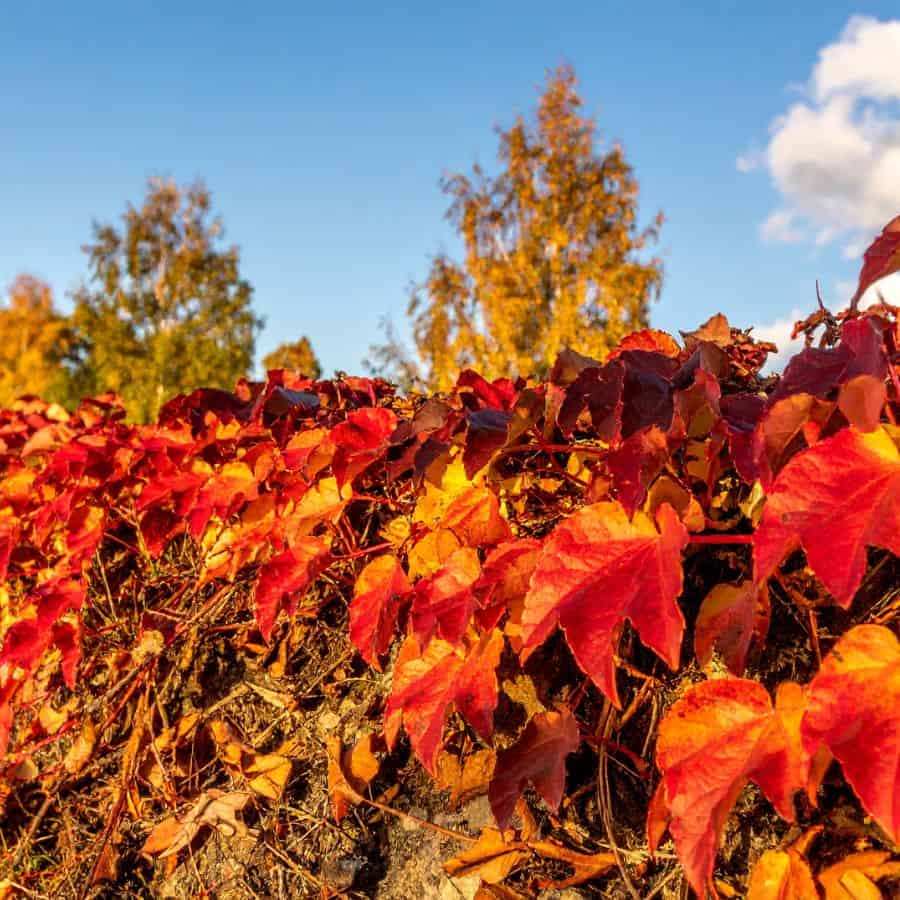
Did you know? Virginia creeper is often mistaken for poison ivy, but its distinctive five-leaflet pattern (instead of three) makes it easy to identify once you know what to look for.
4. Wisteria: The Fragrant Waterfall
When wisteria blooms, gardens become magical places where purple or white cascades drip from branches, filling the air with sweet perfume. But this beauty packs muscle. Choose only sturdy trees as dance partners for this heavyweight.
Pro tip: Opt for native American wisteria (W. frutescens) instead of Asian varieties, which can literally pull down structures! This is one vine that needs annual training like an enthusiastic puppy.
5. Trumpet Vine: The Hummingbird Magnet
Want to see hummingbirds zipping around your garden? Trumpet vine’s bold orange-red flowers are like neon “FOOD HERE” signs to these tiny aviators. This vine grows with impressive determination.
Best for: Mature trees with substantial girth. This isn’t a vine for your delicate ornamental cherry. It needs the arboreal equivalent of a heavyweight boxer.
6. Honeysuckle: The Fragrance Queen
Nothing says “summer evening” like honeysuckle’s intoxicating scent wafting through your garden. Native varieties like coral honeysuckle produce tubular blooms that transform hummingbirds into regular visitors.
Forget what you’ve heard about all honeysuckles being invasive! The native types play nicely with trees, while their Japanese cousins are the troublemakers to avoid.
7. Star Jasmine: The Evergreen Perfumer
This vine delivers a double knockout: intensely fragrant white flowers AND glossy evergreen leaves that stay attractive year-round in milder climates. Its twining stems wrap gently around branches like a considerate dance partner.
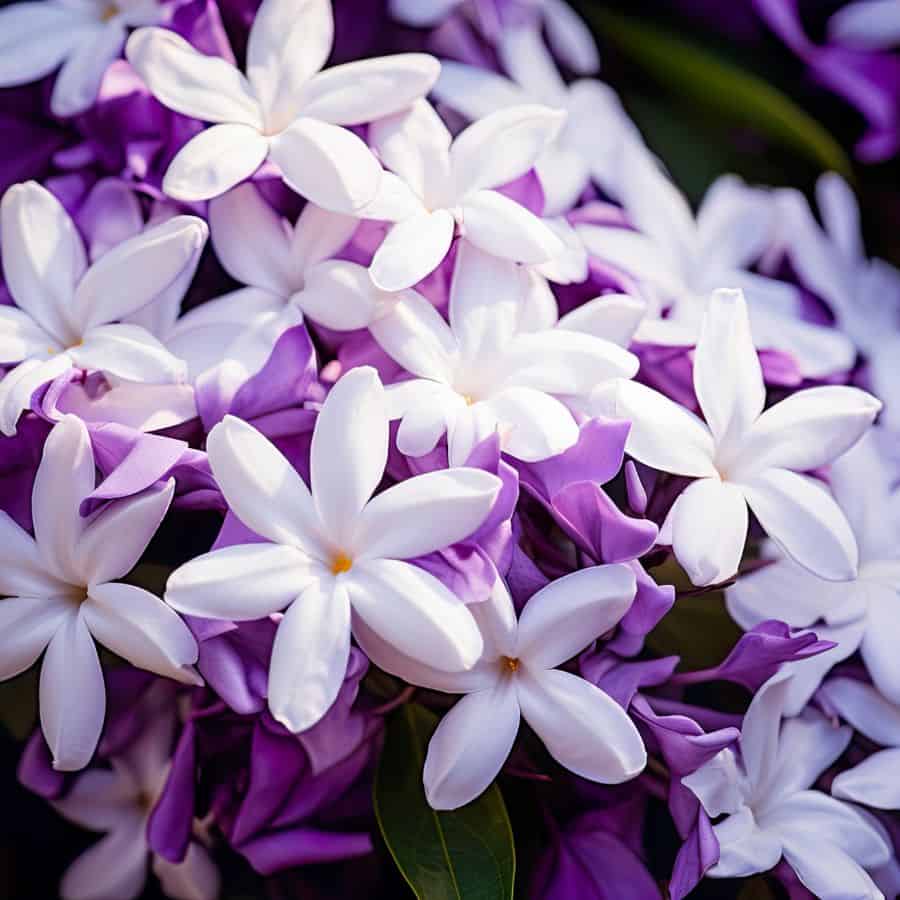
Perfect pairing: Small ornamental trees or pergolas where you can enjoy their heavenly scent up close.
8. Passionflower: The Exotic Beauty
With blooms that look like they belong on another planet, passionflower adds dramatic flair to any garden. Their lightweight tendrils won’t burden trees, and a wide variety produces edible passionfruit as a bonus!
Wildlife bonus: These are host plants for Gulf fritillary butterflies, offering your garden a flutter of orange wings throughout summer.
9. Dutchman’s Pipe: The Privacy Master
Named for its bizarre, pipe-shaped flowers, this vine produces dense foliage that’s perfect for privacy screens or filling in empty canopies. It’s like draping your tree in a custom-fitted green jacket!
Most people make this mistake with their Dutchman’s pipe: forgetting it’s the exclusive host plant for the stunning pipevine swallowtail butterfly. Plant this vine, and you’re practically running a butterfly nursery!
10. Climbing Hydrangea: The Elegant Classic
This woodland aristocrat attaches via tiny rootlets that cling gently to bark, producing gorgeous white lace-cap flowers against emerald foliage. It’s the botanical equivalent of old money, refined and never flashy.
Patience required: This slow starter takes 2-3 years to establish before racing upward. The reward is worth the wait!
11. Kiwi Vine: The Edible Surprise
Yes, those fuzzy fruits from the grocery store grow on beautiful vines! With glossy leaves and a vigorous climbing habit, kiwi vines offer both beauty and harvest.
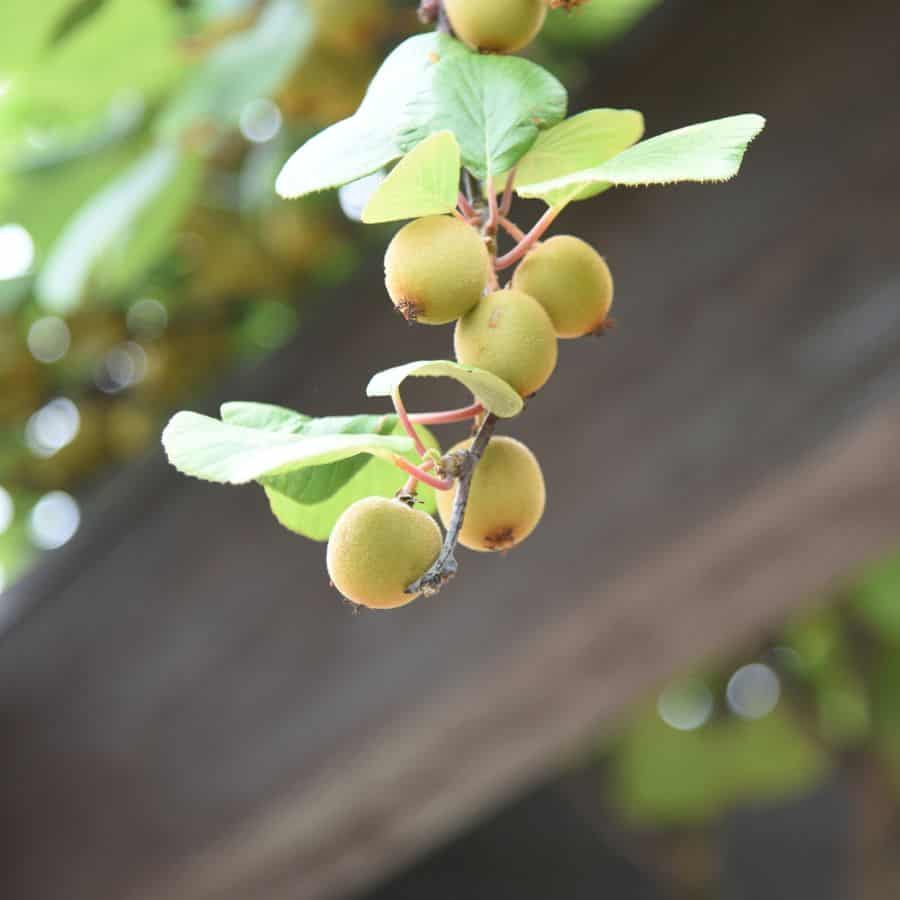
Fruiting secret: You’ll need both male and female plants for fruit production, and a seriously sturdy tree or nearby pergola to support them.
12. Crossvine: The Early Bloomer
This tough native erupts with orange-red trumpet flowers in early spring when the garden is still waking up. Its tendrils end in tiny suction cups that grip without damaging, like rock climbers with perfect technique.
The game-changer for your spring garden isn’t what you think. It’s this semi-evergreen vine that keeps its leaves through mild winters while delivering early nectar for desperate hummingbirds.
13. Ivy Geranium: The Colorful Cascader
Though typically seen in hanging baskets, these trailing beauties can be trained to climb low trunks or trellises around trees, creating waterfalls of pink, red, or white blooms all season long.
Ideal for: Decorative tree bases or small ornamental trees where you want continuous color without overwhelming your woody friends.
14. Grape Vine: The Productive Partner
Nothing adds rustic charm like grapevines with their twisting trunks and eventual sweet rewards. Their tendrils grip branches gently when properly trained.
Double benefit: Beyond fruit, their large leaves create dappled shade in summer and turn golden in fall. It’s like having three plants in one!
15. Morning Glory: The Daily Delight
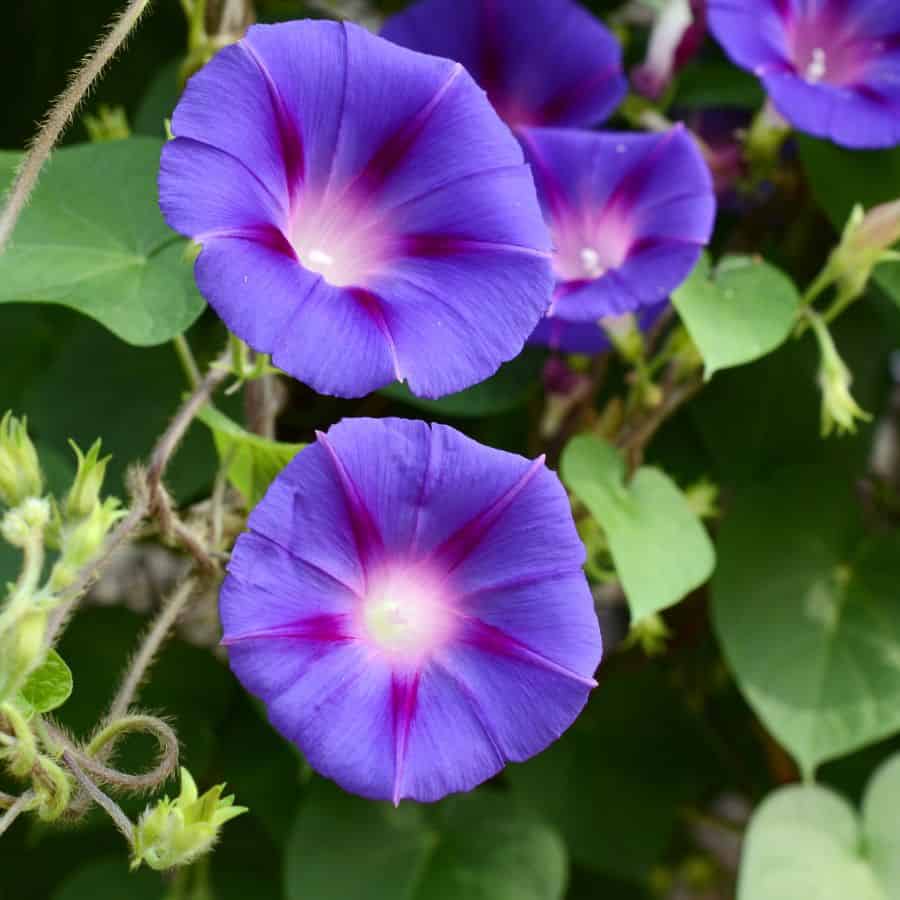
These fast growers unfurl fresh trumpet flowers every single morning in vibrant blues, purples, and pinks. They climb by twining around slender branches or supports without leaving damage behind.
Season extender: Plant these annual climbers for quick coverage and late-season color when perennial vines might be finished blooming.
6 Essential Tips for Tree-Vine Harmony
The difference between a botanical masterpiece and a strangled tree lies in these critical practices:
- Choose mature, sturdy trees as partners. Young saplings can’t handle even well-behaved vines
- Avoid the botanical villains like English ivy and kudzu that smother everything in their path
- Schedule annual “boundary talks” with your vines. Prune them before they reach the upper canopy
- Keep the trunk base clear to prevent vines from forming tight, strangling collars
- Use mulch to maintain moisture balance for both plants
- Train vines early while they’re still flexible. It’s much harder to redirect Woody, with established growth
With these flourishing partnerships, your garden will transform into a lush, layered wonderland that mimics nature’s most beautiful forest edges.
The vertical dimension they add creates depth that flat landscaping simply can’t match. So go ahead. Let your garden reach new heights!