Want to be the envy of your neighborhood next spring? The secret most plant experts won’t tell you is that stunning spring gardens aren’t created in March.
They’re built in September. While everyone else is sipping pumpkin spice and hanging up their gardening gloves, YOU could be setting the stage for the most dramatic garden revival of your life.
These 12 pre-fall tasks are like a time machine for your yard . Ready to dig in?
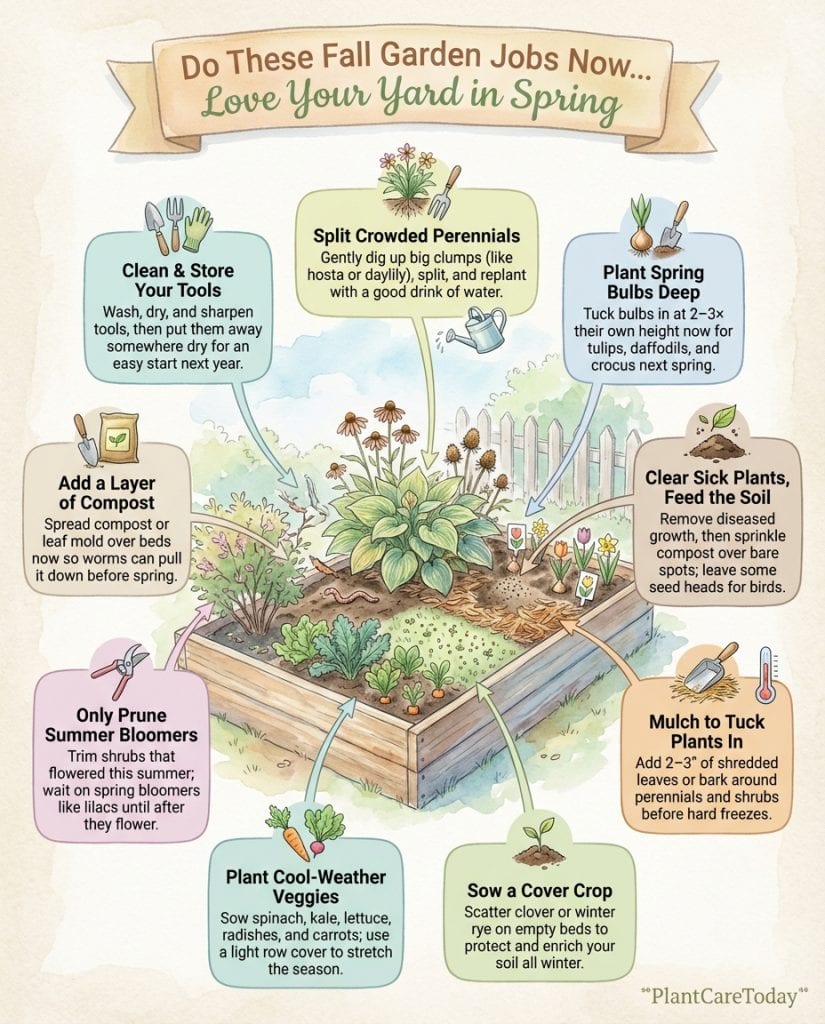
1. Split and Multiply: Divide Perennials for Free Plants!
Those overcrowded perennials aren’t just looking messy. They’re literally begging you to divide them!
Think of it as plant multiplication without the complicated math. Your tired, weak clumps will transform into vibrant powerhouses with this simple hack.
I was shocked to discover that dividing perennials not only rejuvenates them but can actually double or triple your garden inventory without spending a dime! It’s like getting free plants just for doing garden maintenance.
- Prime candidates: Hostas, daylilies, coneflowers, black-eyed Susans, and bearded irises
- Pro move: Water deeply after replanting to help roots establish before frost hits
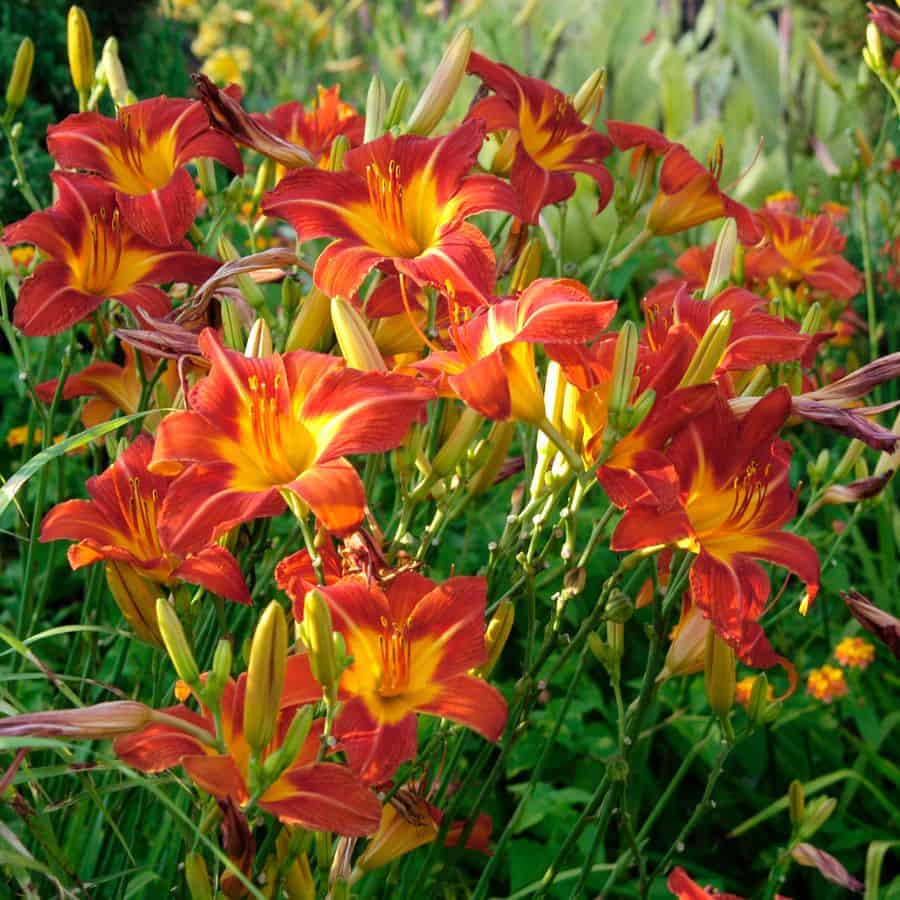
Cold zone tip: If you’re in zones 3-4, tackle this task earlier in the fall to give roots plenty of settling time before the ground freezes solid.
2. The Underground Revolution: Plant Spring-Flowering Bulbs
Planting spring bulbs in fall is like setting up a surprise party for yourself that you’ll discover months later.
These underground miracle workers need the winter chill to prep their spectacular spring show.
The game-changer for your spring garden isn’t complicated landscaping. It’s simply burying these dormant beauties at the right depth (two to three times their height).
Miss this step, and you’ll wonder why your garden lacks that “wow” factor while your neighbors’ yards burst with color.
- Spring superstars: Daffodils, tulips, crocus, hyacinths, and alliums
- Warm zone hack: In zones 8-9, chill tulips and hyacinths in your fridge for a few weeks before planting (they need that cold period to bloom properly!)
3. The Great Garden Cleanout: Evict Problem Plants
Your garden bed is not a hospital for sick plants. It’s time for some tough love! Pull out any spent flowers and diseased plants now, or they’ll become next year’s plant pandemic.
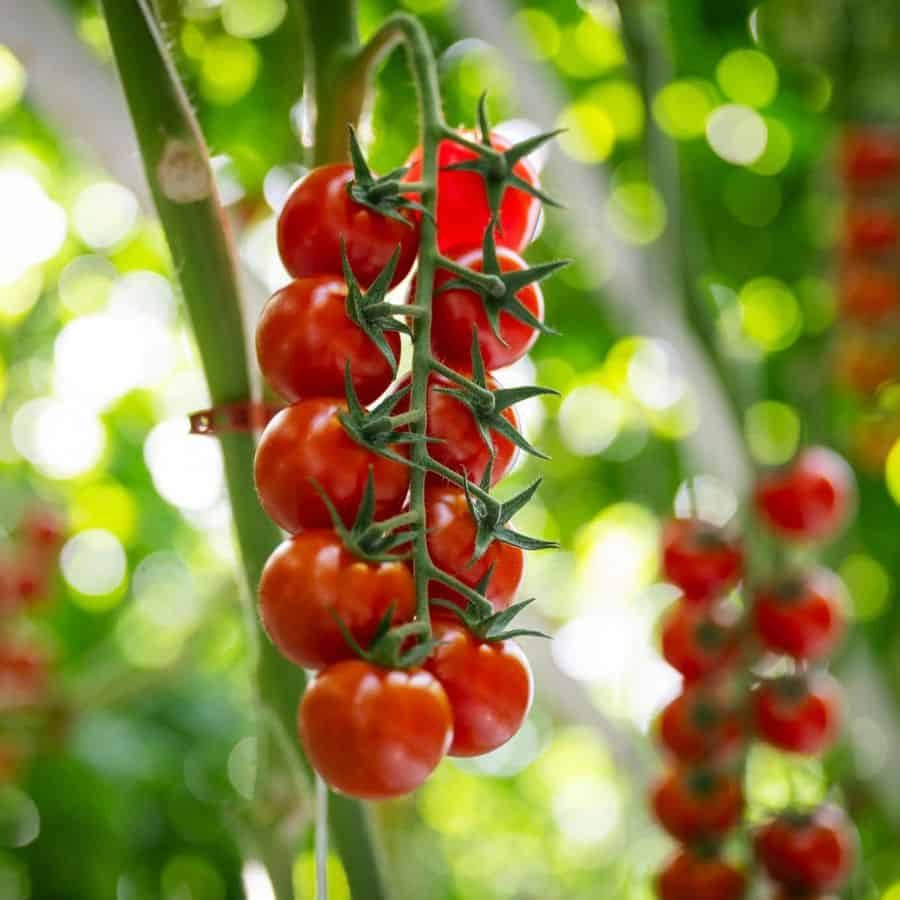
Tomatoes with blight? Gone. Peonies with powdery mildew? See ya!
As you clear those beds, sprinkle in some compost. It’s like leaving a midnight snack for your soil microbes to feast on all winter long.
Bird-friendly tip: Leave healthy seed heads standing. They’re winter bird feeders that require zero refilling!
4. Tucking In Your Garden: Winter Mulch Protection
Think of mulch as a cozy winter blanket for your plant babies. A 2-3 inch layer of mulch around perennials and shrubs provides insulation that can mean the difference between plants that merely survive winter and those that thrive through it.
Most people make this mistake with their mulch: applying it too late or too thin. Your plants’ roots need this protection before the first hard freeze, not after they’re already stressed by cold snaps.
Top mulch materials: Shredded leaves (free!), straw, and composted bark
5. The Underground Workforce: Sow Fall Cover Crops
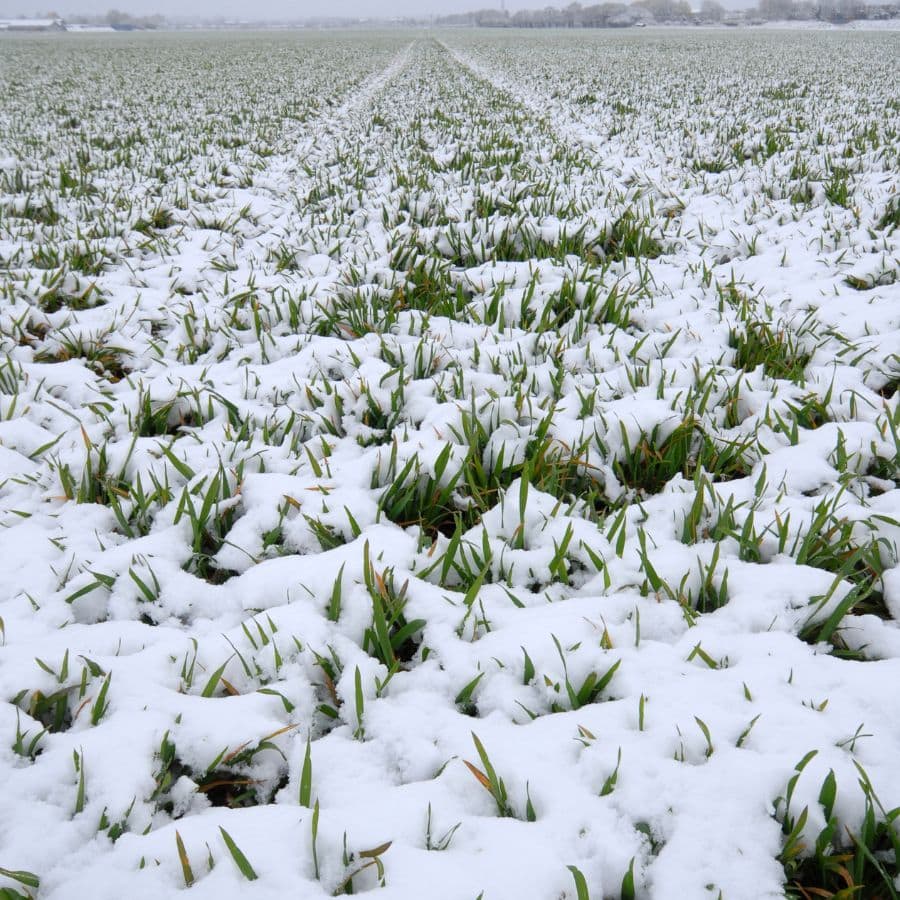
Cover crops are like hiring a team of tiny workers to improve your soil while you hibernate indoors. These remarkable plants add nutrients, prevent erosion, and build soil structure—all while you do absolutely nothing!
- Soil superheroes: Clovers, winter rye, and hairy vetch
- Zone matters: Plant early in zones 3-4; for gardeners in zones 7-9, gardeners can sow later
Did you know? Research shows that cover crops can reduce soil erosion by up to 95% compared with bare soil during winter.
6. Cold-Weather Feast: Plant Fall Veggies
Forget what you’ve heard about gardens shutting down for winter. Cold-tolerant veggies can survive temperatures that would make you reach for your heaviest parka. Some even taste sweeter after a frost!
Your fall veggie garden is trying to tell you something important: “I can produce food long after summer ends!” Listen to it by planting these hardy superstars now.
- Cold-defying crops: Spinach, kale, lettuce, radishes, carrots, and beets
- Level up: Extend harvests with simple row covers or cold frames
7. Strategic Snipping: Prune with Purpose
Pruning in the fall is a high-stakes game. Cut the wrong shrub, and you’ve just removed next spring’s blooms.
The difference between amateur and pro plant parents is simply knowing which plants to prune now versus later.
Safe to prune now: Summer-blooming shrubs like spireas, abelias, and weigelas
Hands off until spring: Spring-bloomers like lilacs and forsythias (or kiss those flowers goodbye!)
For colder zones (3-5), prune early in fall or wait until spring—frost on fresh cuts is like pouring salt in a wound.
8. Lawn Rescue Mission: Refresh Tired Turf
Is your lawn more “patchy wasteland” than “lush carpet? Fall is the best time to revitalize it.
Cooler temperatures and natural rainfall create ideal conditions for grass roots to establish before summer stress sets in.
Loosen compacted soil with a garden spade, overseed bare spots, and apply a light, slow-release fertilizer. Your spring self will be amazed at the transformation!
9. The Soil Superfood: Add Compost
Adding compost now is like setting up a slow-release vitamin drip for your garden. That thick layer of organic matter will break down gradually over winter, creating rich, fertile soil by spring planting time.
Your plants will emerge from winter ready to flourish rather than struggle, all because you fed your soil, not just your plants.
- Garden gold options: Homemade compost, well-rotted manure, or leaf mold
10. Indoor Flower Factory: Pot Up Bulbs
Why wait for spring when you can trick bulbs into blooming indoors? This clever hack lets you enjoy spectacular flowers while snow still covers the ground outside.
Pot up hyacinths, tulips, and paperwhites, chill them for 8-10 weeks, then bring them into your warm home. It’s like fast-forwarding through winter’s bleakest months!
Warm zone reminder: Even in zones 8-10, most spring bulbs need that artificial chilling period to bloom properly. Your mild winters won’t cut it!
11. Plant Protection Protocol: Shelter Tender Species
Some plants are garden divas that simply can’t handle winter’s harsh conditions. These tender treasures need special treatment to survive until spring.
Before frost strikes, rescue those precious plants with these targeted strategies:
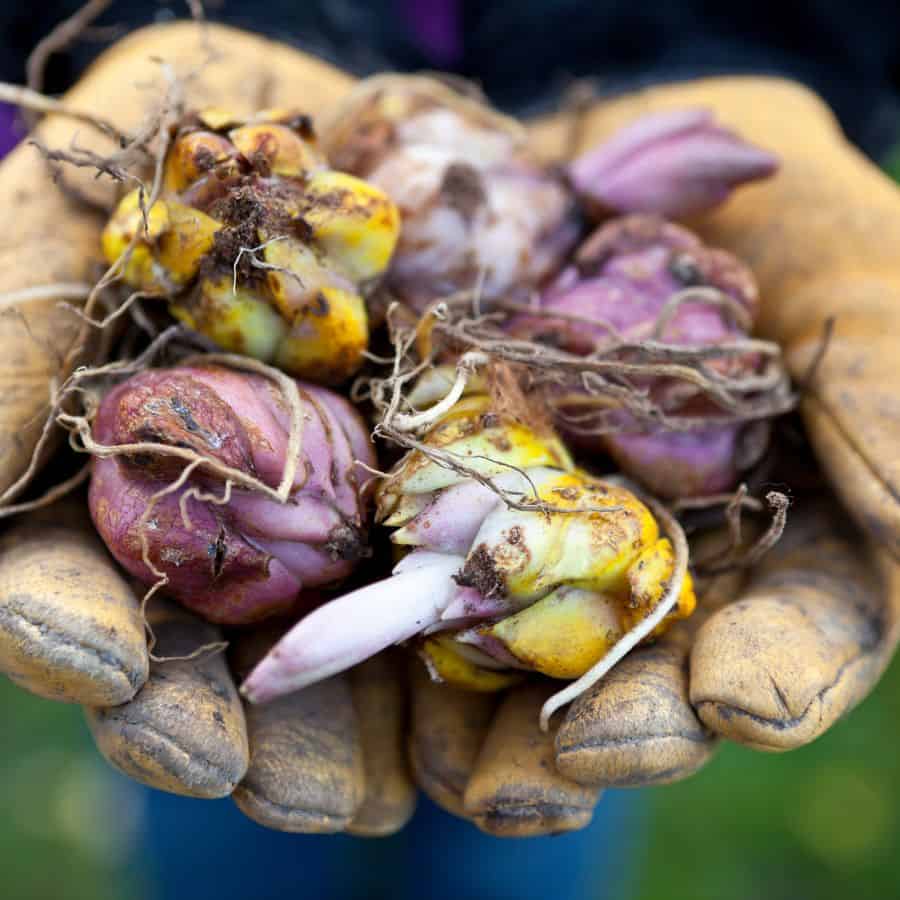
- Dig and store: Cannas, dahlias, and gladiolus tubers
- Move indoors: Potted citrus and figs
- Wrap up: Young roses in burlap (in severe winter zones)
The secret to success varies by climate. Colder zones (3-5) require more intervention than warmer areas (7-9).
12. Tool Tender-Loving Care: Clean and Store Equipment
Your garden tools deserve some pre-winter pampering! Clean, sharp tools make spring gardening much easier and help prevent the spread of disease between plants.
Take an hour to thoroughly clean pruners, hoses, and spades, then store all your equipment in a dry location.
Also, gather plant cages, stakes, and trellises to prevent them from rusting or breaking under snow load.
This might seem trivial, but professional gardeners know this truth: well-maintained tools can literally cut your spring workload in half!
Your Pre-Winter Game Plan
Don’t let this list overwhelm you, even completing just a few of these tasks will give your spring garden a serious head start. Think of each completed job as a gift to your future self.
The vibrant, flourishing garden of your dreams isn’t built in spring. It’s built right now, in these critical pre-winter weeks. Which task will you tackle first?