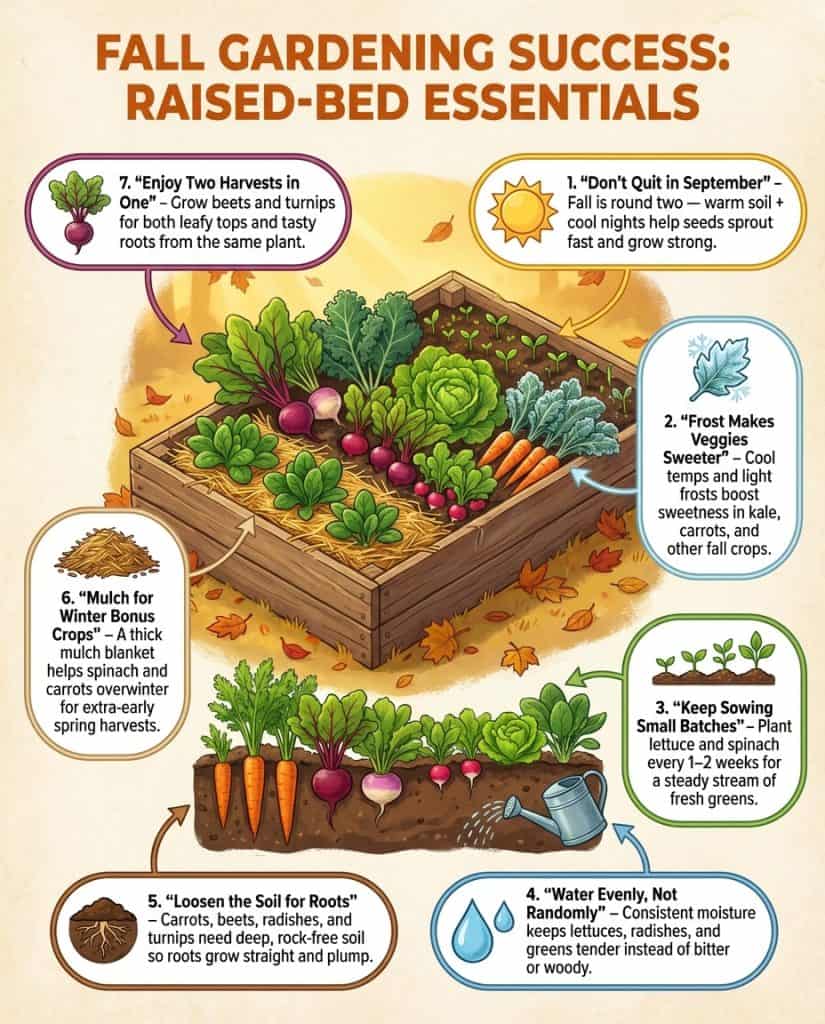
Hold on. You don’t need to put those gardening gloves away just yet. September isn’t the end of the growing season. It’s actually the start of round two.
I was surprised to learn that fall-planted vegetables often taste sweeter and more tender than their summer counterparts. Many vegetables actually improve with a touch of frost.
Why September Is a Great Time to Plant
Forget what you’ve heard about gardening being just a spring-to-summer thing. September offers some of the best growing conditions of the year.
• Warm soil + cool nights = faster germination
• Fewer pests to deal with
• More consistent rainfall means less watering
• Light frosts actually boost flavor in many vegetables
Here’s something interesting: A study from the University of Minnesota found that kale exposed to temperatures between 35-45°F develops up to 60% more sugar content than summer-grown kale.
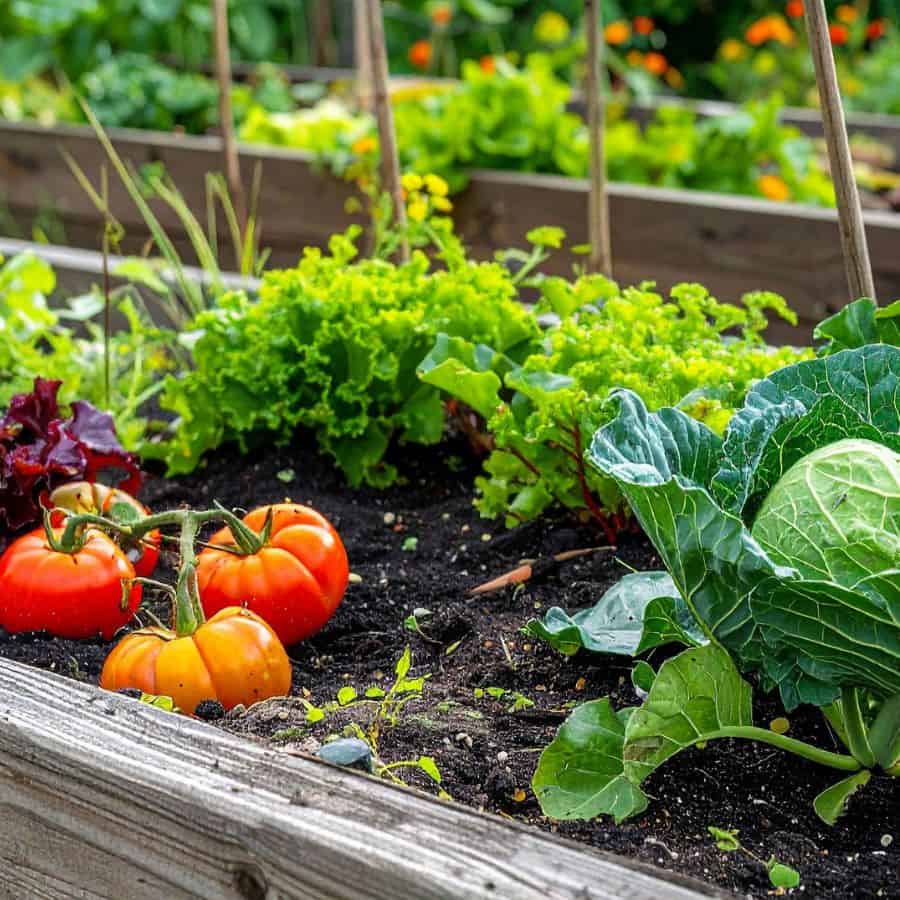
12 Vegetables to Plant in September
1. Spinach: Quick and Productive
Spinach goes from seed to salad in just 30-45 days. Direct sow every two weeks for a continuous supply. The real trick? Heavily mulched spinach often survives winter and gives you a bonus spring harvest.
• Plant: 1″ apart, rows 12″ wide (thin to 4-6″)
• Needs: Consistent moisture, fertile soil
• Harvest: Cut outer leaves as needed
2. Lettuce: Cut and Grow Again
Nothing beats the crisp snap of homegrown lettuce. Fall’s cooler temperatures prevent the bitterness that summer lettuce often develops. Plant every 10 days for continuous harvests.
• Plant: 6-12″ apart depending on variety
• Needs: Even moisture (drought makes bitter leaves)
• Harvest: Baby greens in 3-4 weeks, heads in 6-8 weeks
3. Radishes: Fast Results
If you’re impatient, radishes are your best friend. Ready in just 20-30 days, they’re the quickest reward in the garden. The key to fall radishes is consistent watering for that perfect crisp texture.
• Plant: Thin to 2″ apart
• Needs: Loose, rock-free soil and even moisture
• Harvest: Don’t wait too long. Overgrown radishes turn woody
4. Carrots: Sweet Fall Flavor
September-planted carrots develop an intensely sweet flavor as temperatures drop. With 6-8 inches of mulch, you can harvest them straight from the ground all winter.
• Plant: Early to mid-September, 2-3″ apart
• Needs: Deep, loose, stone-free soil
• Harvest: 60-80 days, sweeter after light frosts
5. Beets: Double the Harvest
The best part about beets? You get edible roots AND nutritious greens from one plant. Fall beets develop a deeper color and a sweeter flavor than summer beets.
• Plant: Thin seedlings to 3-4″ apart
• Needs: Loose, well-drained soil
• Harvest: Baby beets in 40 days, full size in 60 days
6. Turnips: Fast and Versatile
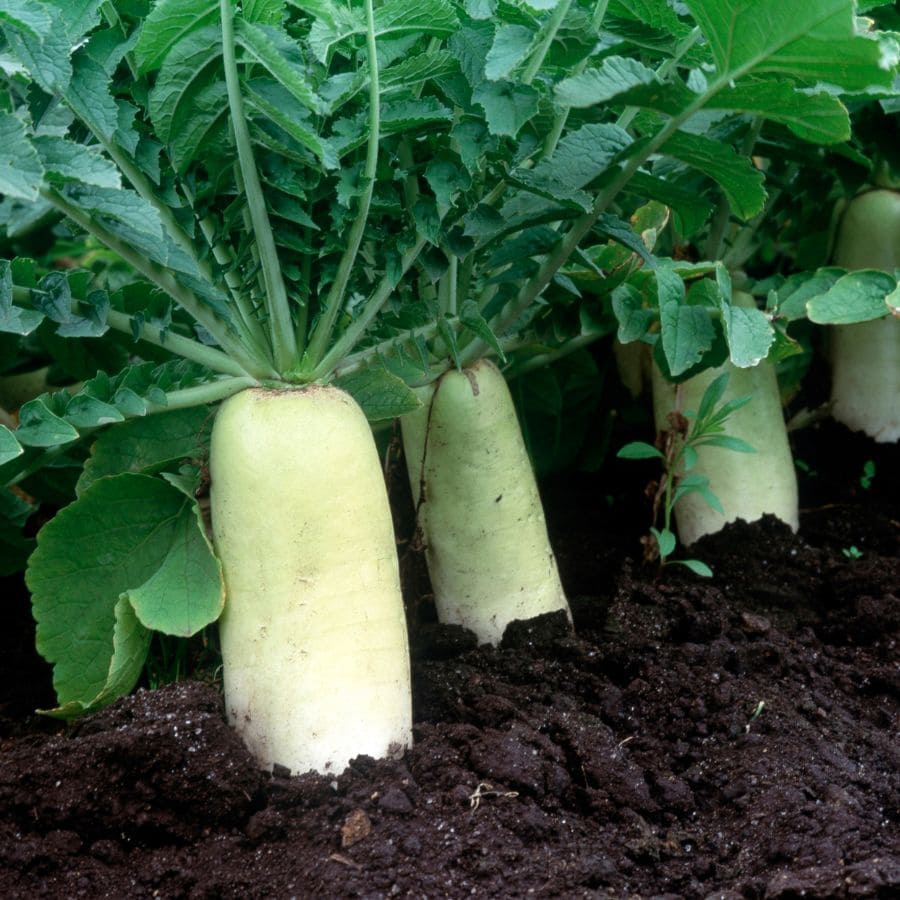
Turnips are often overlooked but ready in just 30-50 days. They’re faster than carrots and just as versatile. Try mashing them like potatoes for a lower-carb alternative.
• Plant: Thin to 4″ apart
• Needs: Loose, well-drained soil
• Harvest: Baby turnips at 30 days, full size at 50
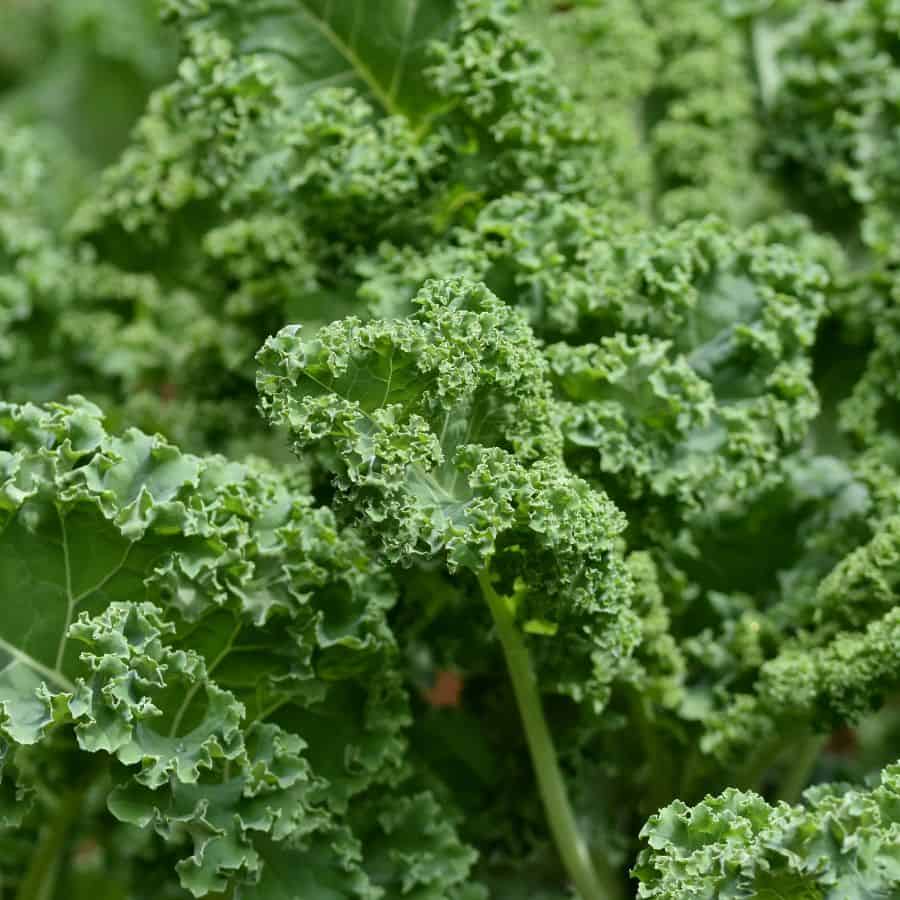
7. Kale: Gets Better with Cold
Kale actually gets tastier after temperatures drop. The difference between new and experienced gardeners? Knowing that kale harvested after a light frost has less bitterness and more natural sweetness.
• Plant: 12-18″ apart
• Needs: Full sun to partial shade, deep watering
• Harvest: Begin picking outer leaves at 45-60 days
8. Swiss Chard: Colorful and Hardy
With bright stems and impressive cold tolerance, Swiss chard deserves a spot in every fall garden. Use it anywhere you’d use spinach.
• Plant: Thin to 12″ apart
• Needs: Consistent moisture
• Harvest: Cut outer leaves continuously
9. Collard Greens: Cold-Weather Favorite
Collards don’t just survive winter—they actually prefer it. These nutritional powerhouses grow sweeter with cold weather and provide steady harvests when other vegetables are done.
• Plant: 18-24″ apart (they get big)
• Needs: Soil rich in organic matter
• Harvest: Pick outer leaves, or the whole plant at 60-80 days
10. Garlic: Plant Now, Harvest Next Summer
September garlic planting is an investment in next year’s cooking. Plant now, harvest next summer, and enjoy flavor that makes store-bought garlic look bland. Pro tip: The biggest cloves make the best seed stock, so save them for replanting.
• Plant: Individual cloves 2″ deep, 6″ apart
• Needs: 4-6″ mulch protection for winter
• Harvest: Next summer when tops yellow
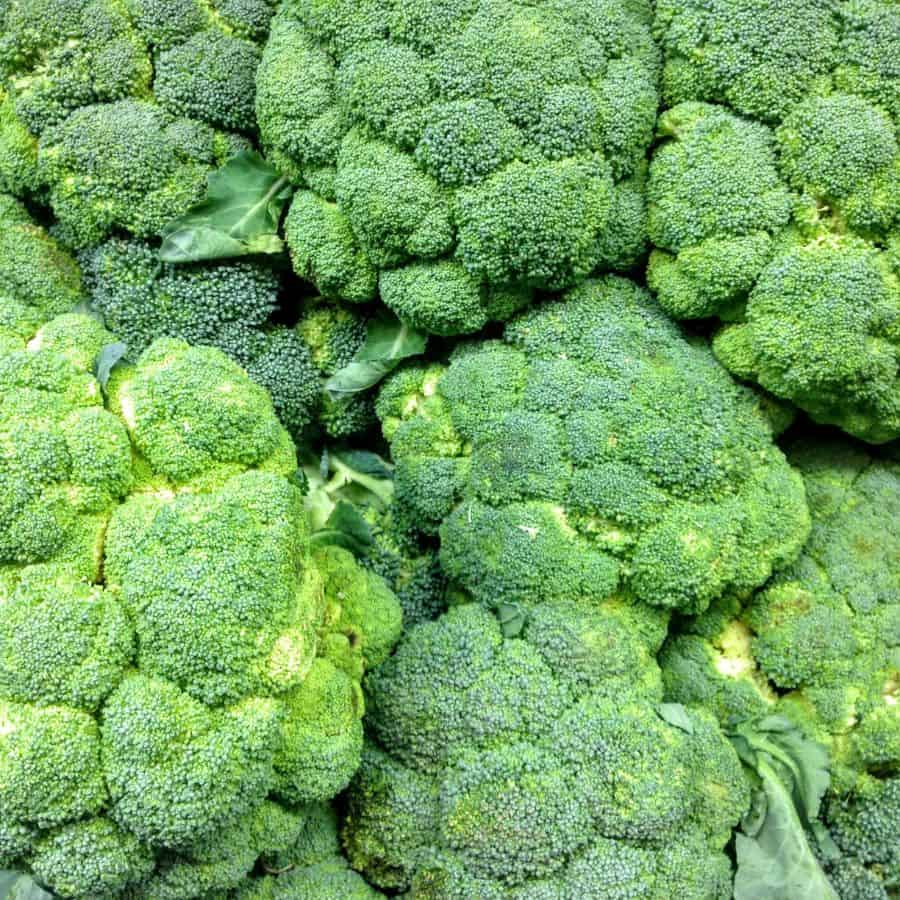
11. Broccoli: Multiple Harvests
Cut the main head, but don’t pull the plant. Side shoots will continue producing for weeks after you harvest the main head.
• Plant: Use seedlings, 18-24″ apart
• Needs: Rich soil with nitrogen
• Harvest: Cut central head before florets open, then harvest side shoots
12. Cauliflower: Needs More Care But Worth It
Cauliflower needs a bit more attention than its cousins, but the reward is worth it. Remember to fold leaves over developing heads—this keeps them white instead of yellow.
• Plant: Transplants 18-24″ apart
• Needs: Consistent moisture, blanching
• Harvest: Ready in 70-90 days
Extend Your Harvest Into Winter
Want to harvest fresh vegetables while there’s snow on the ground? These simple techniques can extend your growing season by months:
• Row covers: Lightweight fabric that protects from frost while letting in light
• Cold frames: Mini-greenhouses that trap daytime heat
• Heavy mulch: Natural insulation for root crops—they’ll wait underground until you’re ready
• Succession planting: Keep sowing quick crops every 2 weeks for continuous harvests
Fall gardening is often easier than summer gardening. With fewer pests, more moisture, and plants that prefer cooler temperatures, your September plantings might deliver the most satisfying harvest of the year.
So grab those seeds and get planting. Your winter meals will taste better with fresh home-grown vegetables.