Ever found yourself giving away zucchini to neighbors or watching tomatoes go bad because you couldn’t eat them fast enough?
You’re not alone. Growing the perfect amount can turn your garden from overwhelming to something you actually enjoy.
Why Most Home Gardeners End Up With Too Much Produce
I was surprised to learn that the average home gardener wastes nearly 30% of what they grow simply by overplanting .
Like a restaurant that orders too many ingredients, we get excited and plant way more than our families can actually eat.

Think of your garden like your refrigerator. You wouldn’t buy 20 heads of lettuce for two people, right? The same idea applies to your garden planning.
The Perfect Plant Numbers: Your Personalized Garden Calculator
The best part about improving your garden isn’t fancy soil or exotic seeds. It’s simply planting the right number of each crop.
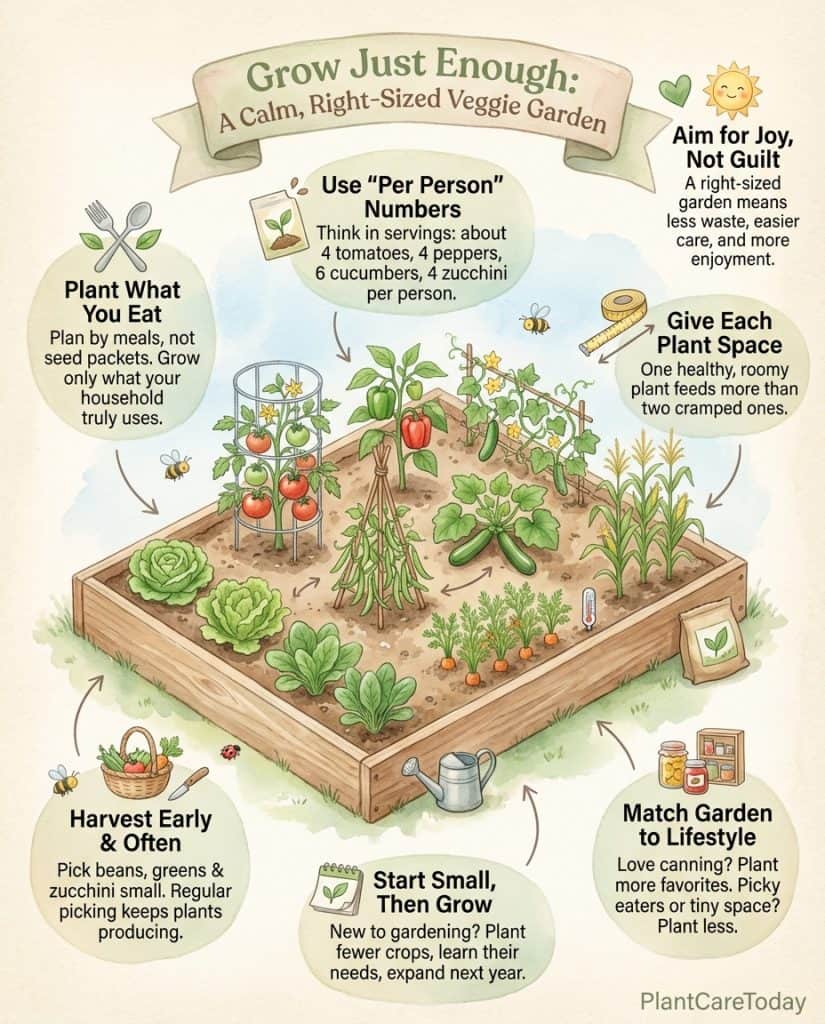
Here’s a guide for the most commonly grown vegetables, calculated per person in your household:
• Tomatoes: 4 plants: These produce more than most people realize. Even with just 4 plants per person, you’ll have enough for fresh eating, salads, and maybe some homemade sauce.
• Bell Peppers: 4 plants – These need consistent moisture and sun to do well. Four plants per person gives you plenty for cooking and snacking without taking over your fridge.
• Cucumbers: 6 plants: Grow these up a trellis to save space and produce straighter fruit. Six plants per person is plenty. Any more and you’ll be making pickles in your sleep.
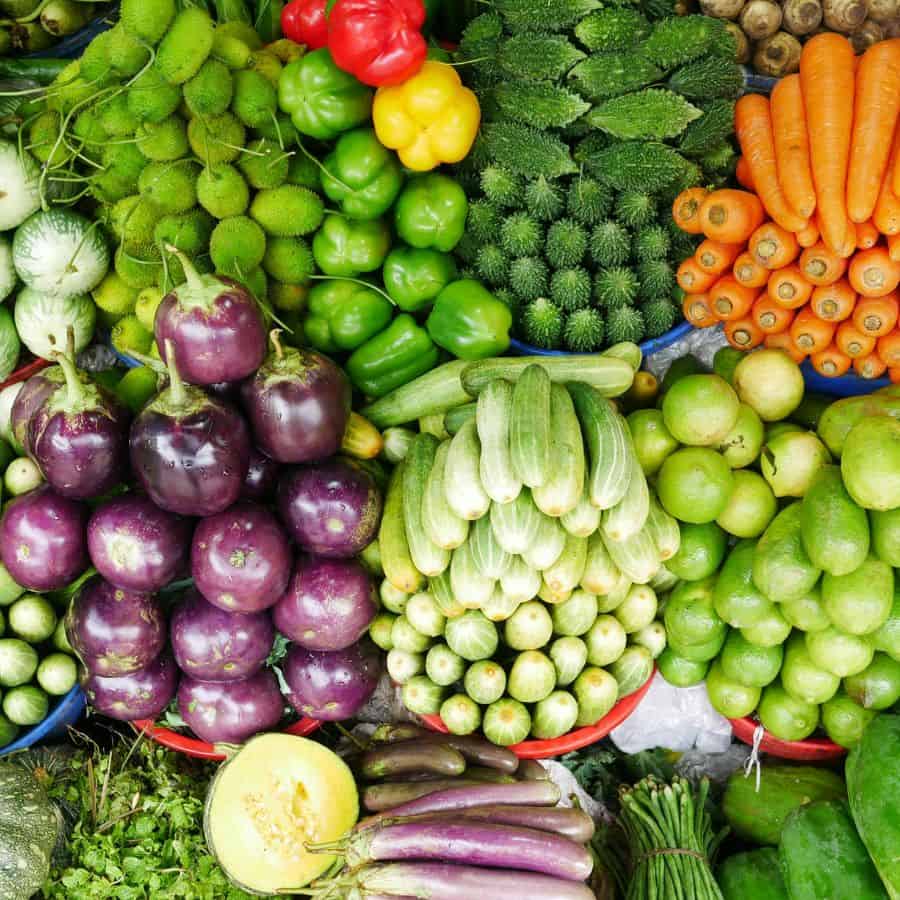
• Zucchini: 4 plants: The one that always produces too much. Four plants per person is actually generous. Harvest when small for the best flavor. Those baseball bat-sized ones aren’t doing anyone any favors.
• Lettuce: 5-6 plants: They grow quickly and can be harvested continuously. Plant in cooler spots or during milder seasons for best results.
• Green Beans: 15-20 seeds: These produce a lot once they get going. Pole varieties need support, while bush types stay compact.
• Carrots: 15 seeds; Give these loose, well-draining soil and thin seedlings for straight, healthy roots. Fifteen per person is plenty.
• Sweet Corn: 6 seeds; Plant in blocks for proper pollination and keep consistently moist. Six plants per person gives you that summer corn-on-the-cob experience without waste.
• Spinach: 6 plants: This cool-weather crop grows quickly and does well with regular harvesting. Six plants per person provide plenty of greens.
• Potatoes: 3-4 plants: These grow well in containers or beds with loose soil. A few plants yield more than you’d expect.
The “Right-Size” Garden: Beyond the Numbers
Most people make this mistake with their garden planning, thinking bigger is always better . In reality, a thoughtfully planned small garden can be just as productive as an oversized, chaotic one.
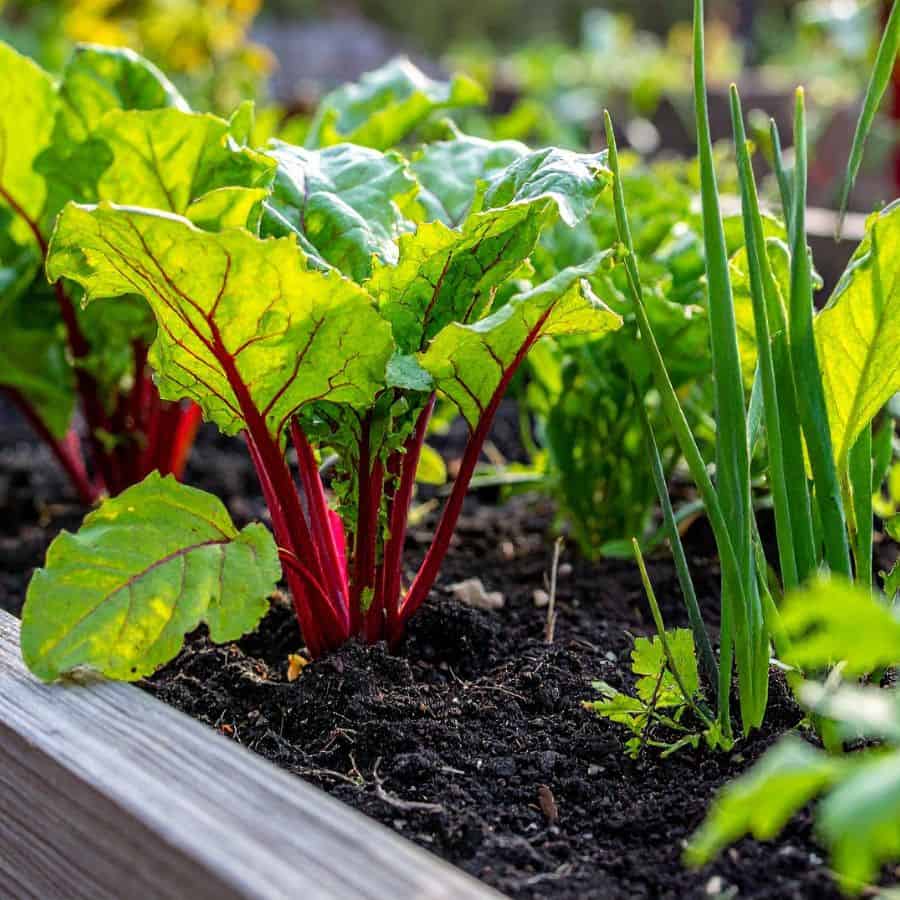
What matters most is giving your plants proper space. A tomato plant with room to grow, good support, and proper care will produce more than two cramped plants fighting for resources.
It’s like the difference between a cramped studio apartment and a comfortable one-bedroom. Everyone needs their space to do well.
Transform Your Garden From Overwhelming to Manageable
The difference between new and experienced gardeners is understanding that gardening isn’t about growing the most. It’s about growing the right amount. When you get your numbers right, good things happen:
• You’ll spend less time processing excess harvest
• Plants receive better care when you’re not spread too thin
• Garden maintenance becomes manageable rather than overwhelming
• You’ll waste less food (and feel less guilty)
• Your garden becomes a source of joy rather than an obligation
There’s something really satisfying about harvesting exactly what you need for dinner from your backyard. It’s like having your own personal farmer’s market that never oversells you anything.
Adjustments for Your Unique Situation
Of course, these recommendations aren’t set in stone. Consider adjusting your numbers if:
• You love preserving food (plant more of your preservation favorites)
• You have picky eaters (plant less of what they won’t eat)
• You’re limited on space (focus on high-value crops you truly enjoy)
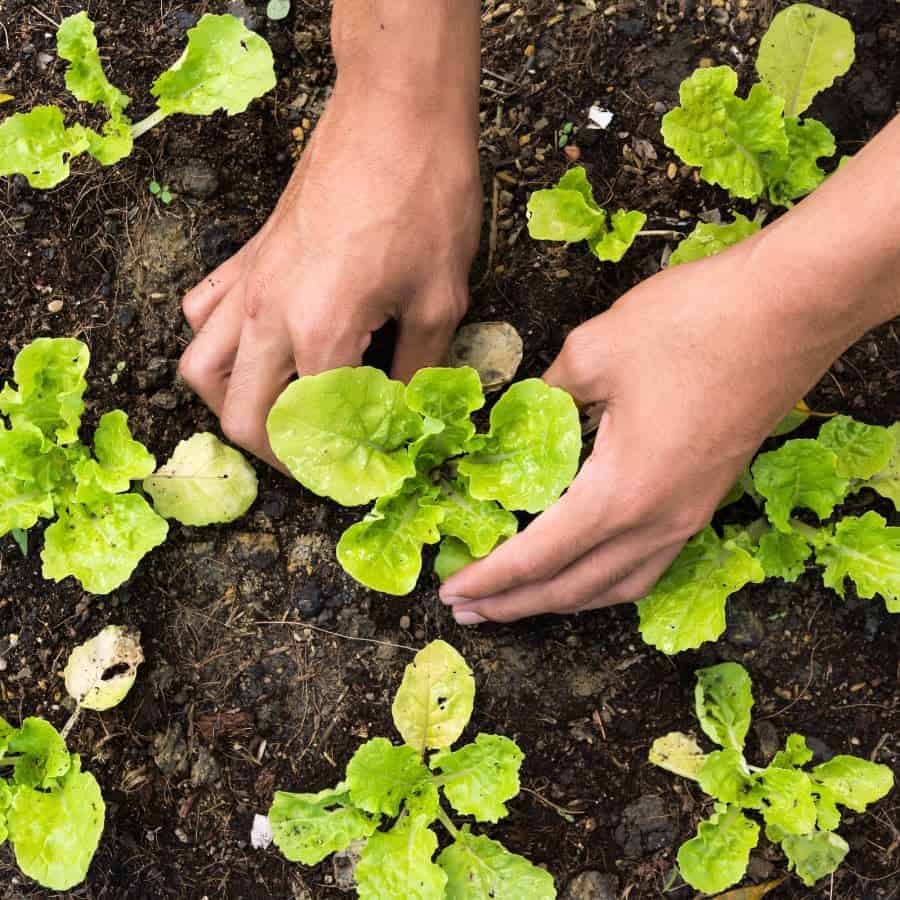
• You’re new to gardening (start with fewer plants and master those first)
Gardening isn’t a competition. It’s about creating a sustainable relationship with your food and the earth. The best gardens aren’t necessarily the biggest ones. They’re the ones that bring joy without waste.