Ever stared at your sad, barely-producing zucchini plants while your neighbor drowns in squash? You’re not alone.
Despite being known as the “too much vegetables” (seriously, there’s a National Sneak Some Zucchini onto Your Neighbor’s Porch Day on August 8th), many gardeners struggle to get good harvests.
I’ve grown these plants for years, and I want to share what actually works to turn your zucchini patch around.
Why Your Zucchini Dreams Are Dying on the Vine
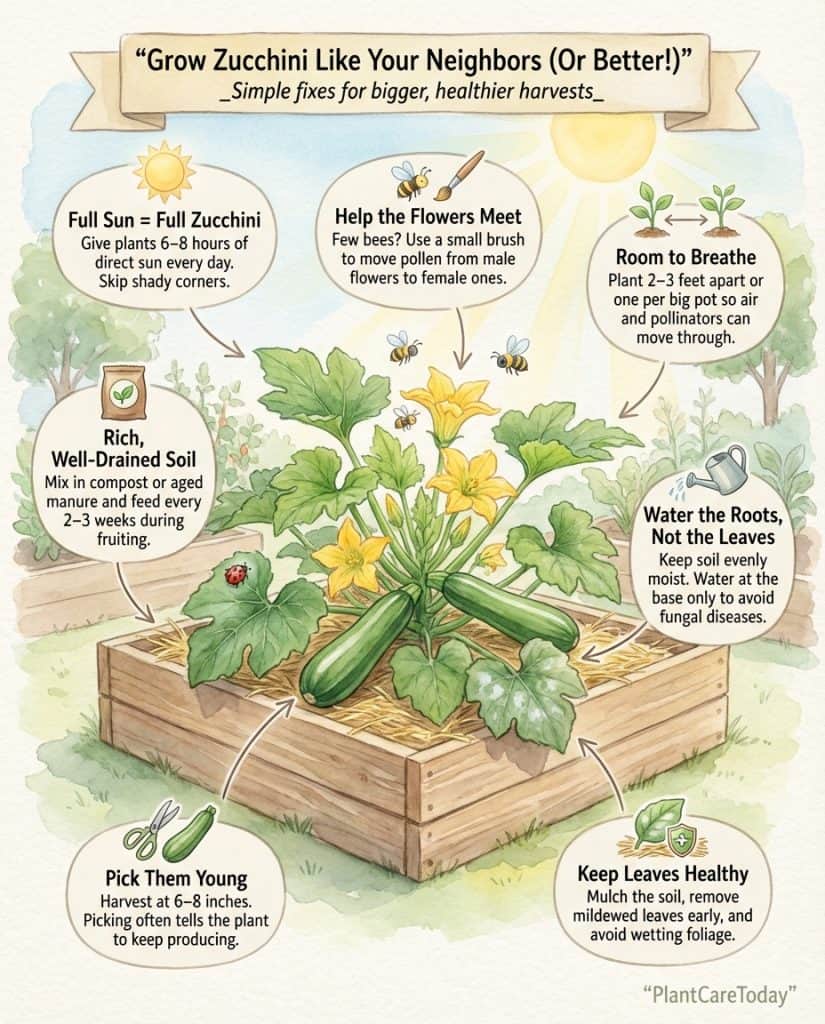
Before diving into solutions, let’s figure out what’s going wrong. The culprits are usually pretty simple. Poor pollination, overcrowding, fungal diseases, and watering issues account for over 80% of zucchini failures.
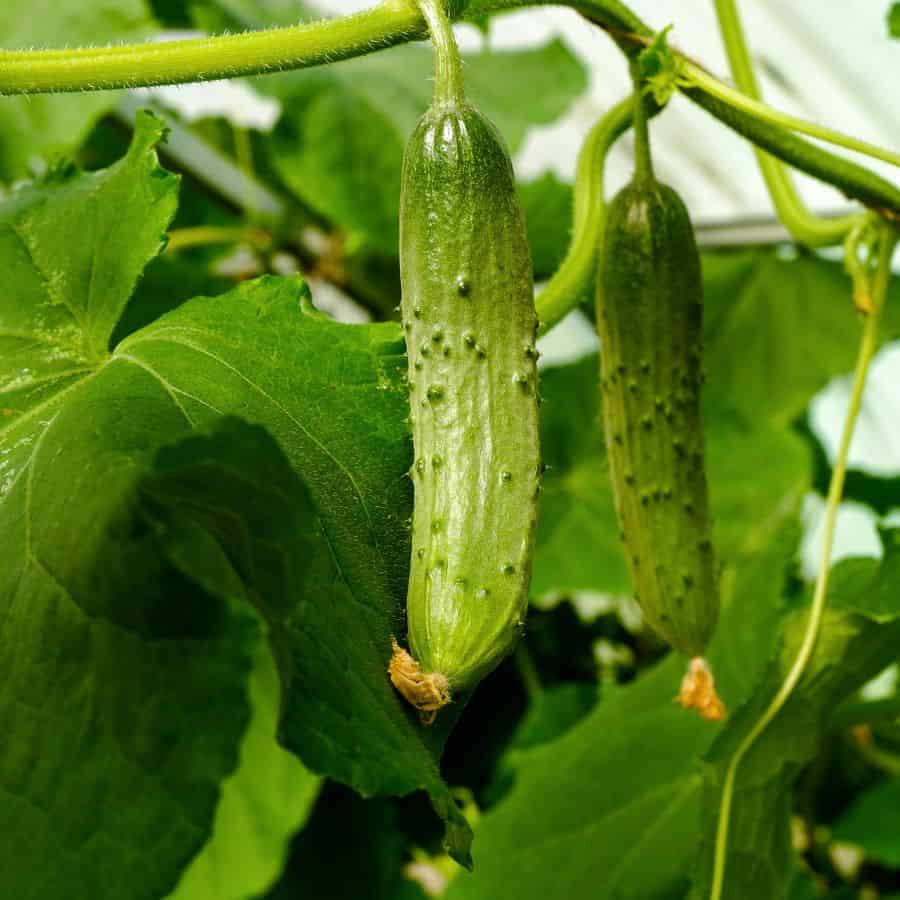
Zucchini plants will produce like crazy, but they need the right conditions to do it.
Sun: The Non-Negotiable Fuel for Zucchini Success
Your zucchini’s location can make or break your harvest. These plants need 6-8 hours of direct sunlight daily. No exceptions, no compromises.
Partial shade doesn’t mean “good enough.” It means stunted plants and small harvests. When choosing your planting spot, remember that zucchini really do need full sun.
Space: Give Those Plants Room to Party
Crowded zucchini struggle. These plants need their space.
Space plants 2-3 feet apart in rows, or stick to one plant per large grow bag. Most people plant too many, too close together.
Proper spacing isn’t just about preventing crowding. Airflow is essential to prevent disease and to allow pollinators to reach the flowers.
Soil Secrets That Transform Harvests
Zucchini are heavy feeders. They’ll use up nutrients quickly. Start with rich, well-draining soil mixed with compost or aged manure.
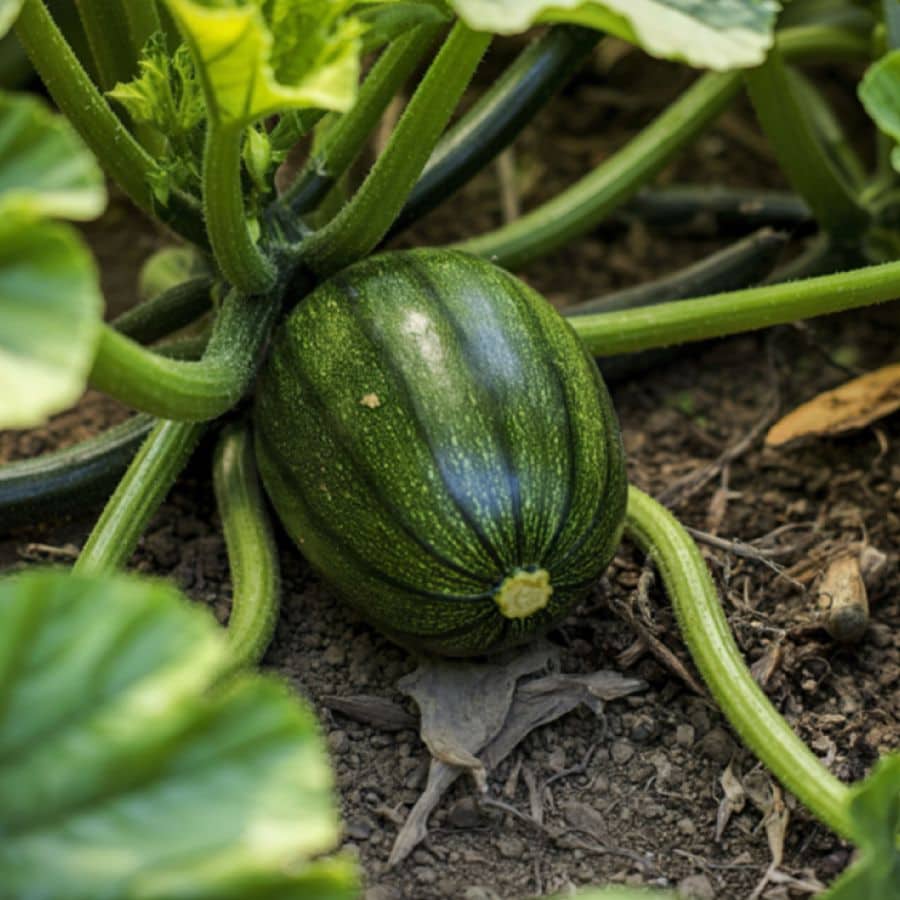
What’s happening below the surface matters more than you’d think. Feed plants with balanced fertilizer every 2-3 weeks during fruiting, or use liquid compost tea for an organic approach.
Water Wisdom: The Hydration Strategy That Actually Works
Here’s what matters most: water only at the base, consistently. Wet leaves basically invite fungal diseases to move in.
Inconsistent watering causes blossom end rot and dropped flowers. Establish a regular watering schedule. Zucchini prefer predictability when it comes to moisture.
Pollination Problems? Take Matters Into Your Own Hands
No bees, no zucchini. It’s that simple.
If you notice flowers dropping without producing fruit, you’ve got a pollination problem. You can hand-pollinate with a small brush or cotton swab.
The difference between new and experienced gardeners is knowing how to identify male and female flowers:
• Male flowers: Thin stem, pollen-covered center
• Female flowers: Tiny zucchini at the base of the flower
Transfer pollen from males to females in the morning when flowers are open. It feels oddly satisfying, like running a botanical dating service.
Harvest Like You Mean It: The Counterintuitive Secret to More Fruit
Here’s something surprising: the more you harvest, the more you’ll get. Leaving mature zucchini on the vine tells the plant to slow down production.
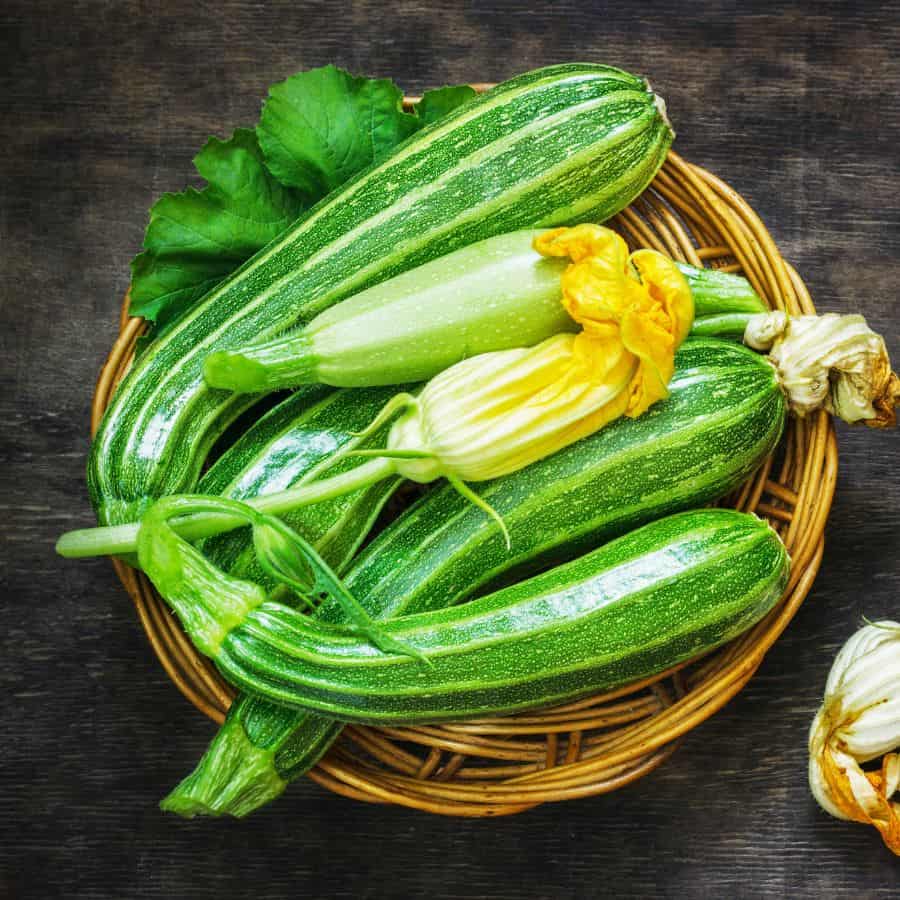
Check plants daily once they start fruiting. Pick zucchini when they’re 6-8 inches long.
Think of it like clearing your email inbox. The more consistently you tackle it, the less overwhelming it becomes (and the more new messages keep coming).
Disease Defense: Stop Powdery Mildew Before It Stops You
Nothing stops zucchini faster than the white powdery mildew coating. Prevention is your best strategy:
• Space plants properly for airflow
• Water at the base, not leaves
• Apply mulch to prevent soil splash
• Remove affected leaves immediately
• Apply neem oil or baking soda solution at the first sign of trouble
Advanced Tactics for Zucchini Domination
Ready to take your zucchini growing to the next level? These final tips will help you get even better harvests:
• Mulch: Apply 2-3 inches of straw, shredded leaves, or compost to retain moisture and suppress weeds
• Support heavy producers: Use cages or trellises to keep fruit off the ground and reduce rot
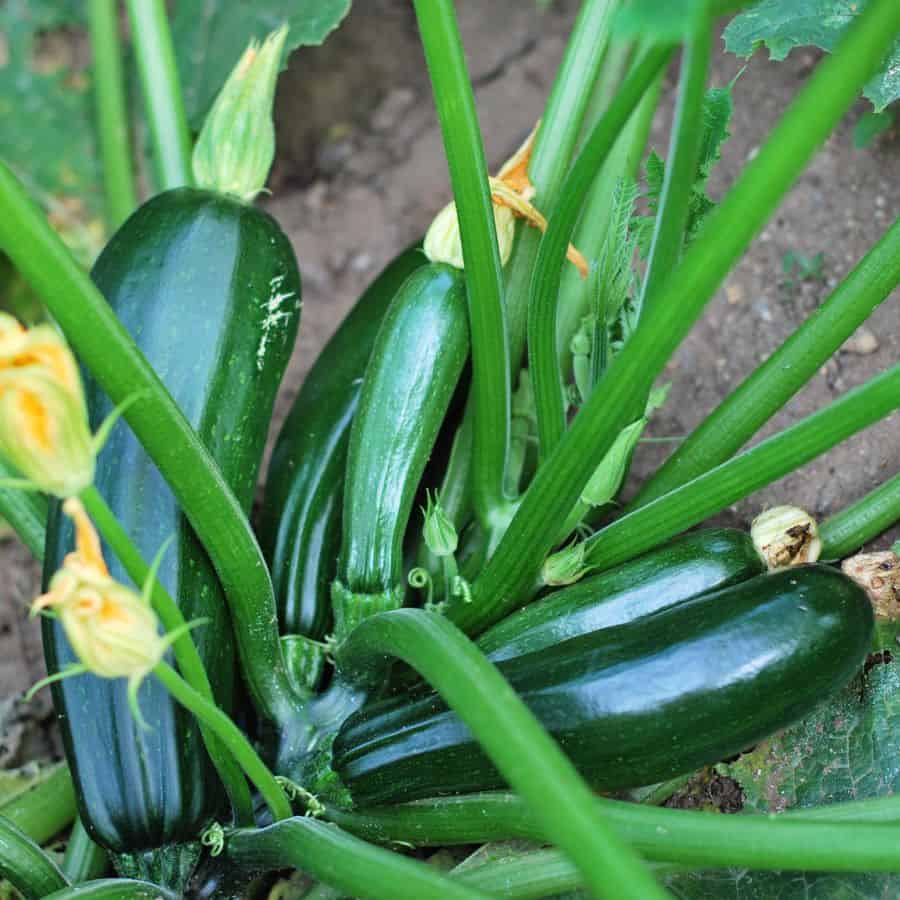
• Strategic pruning: Remove older bottom leaves once plants are established to improve airflow and direct energy to fruit production
• Choose the right varieties: ‘Black Beauty‘ and ‘Eight Ball‘ consistently produce better yields than many heirloom varieties
With these strategies, you’ll go from struggling with zucchini to having more than you know what to do with. Soon you’ll be the one sneaking excess squash onto porches.