Did you know the average American household throws away about 30% of its food scraps that could be turned into garden fertilizer?
Those banana peels, eggshells, and coffee grounds you’re tossing daily aren’t trash. They’re plant food just waiting to happen. Your kitchen waste bin is full of nutrient-rich scraps that can help your garden grow.
Don’t Trash Your Garden’s Future
Every time you throw kitchen scraps in the garbage, you’re tossing away something useful for your garden. These nutrient-rich materials work exceptionally well for container gardens and small veggie patches where soil can quickly lose its nutrients.
There’s something nice about watching plants grow on things you’d have sent to the landfill.
The real trick for your garden isn’t some fancy product. It’s the humble scraps you make every single day. Let’s look at how to turn your trash into plant food .
9 Kitchen Scraps That Work Well in Your Garden
1. Banana Peels: Potassium for Your Plants
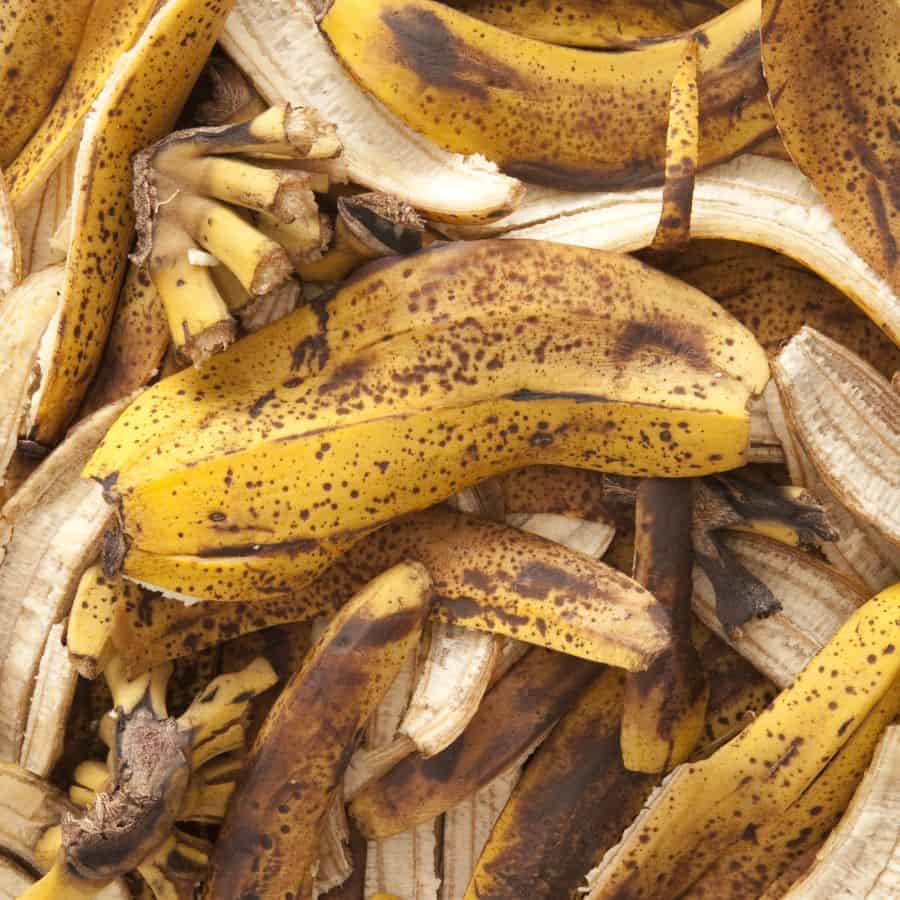
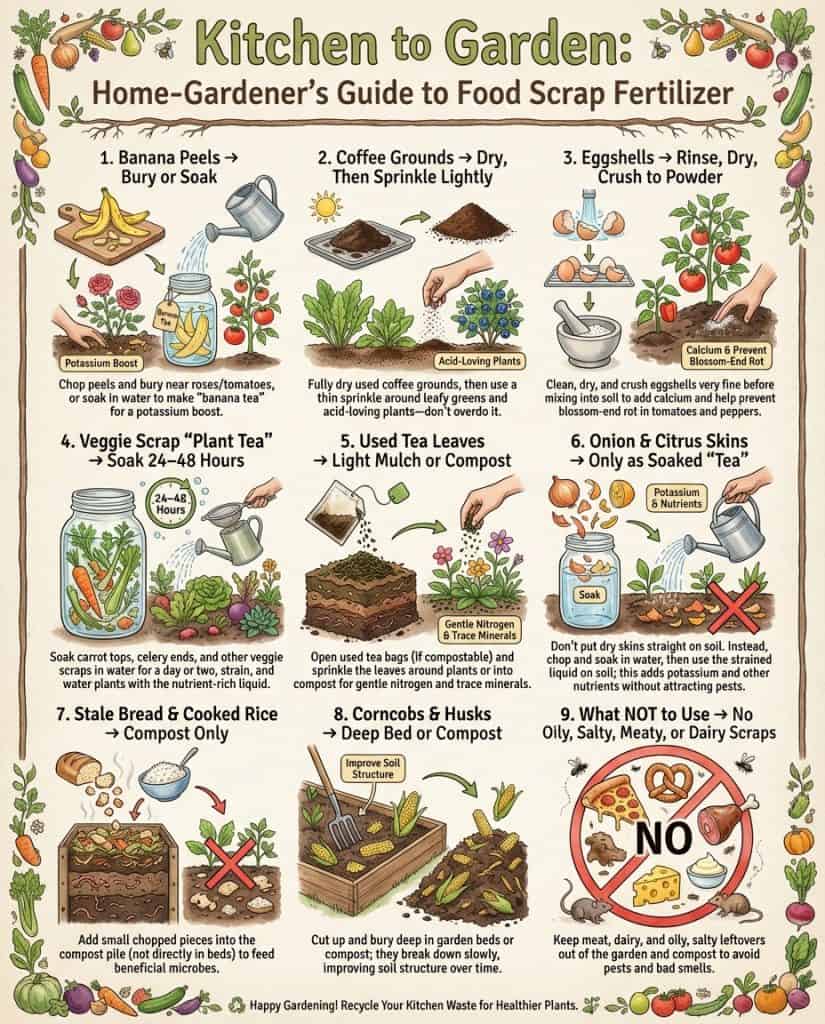
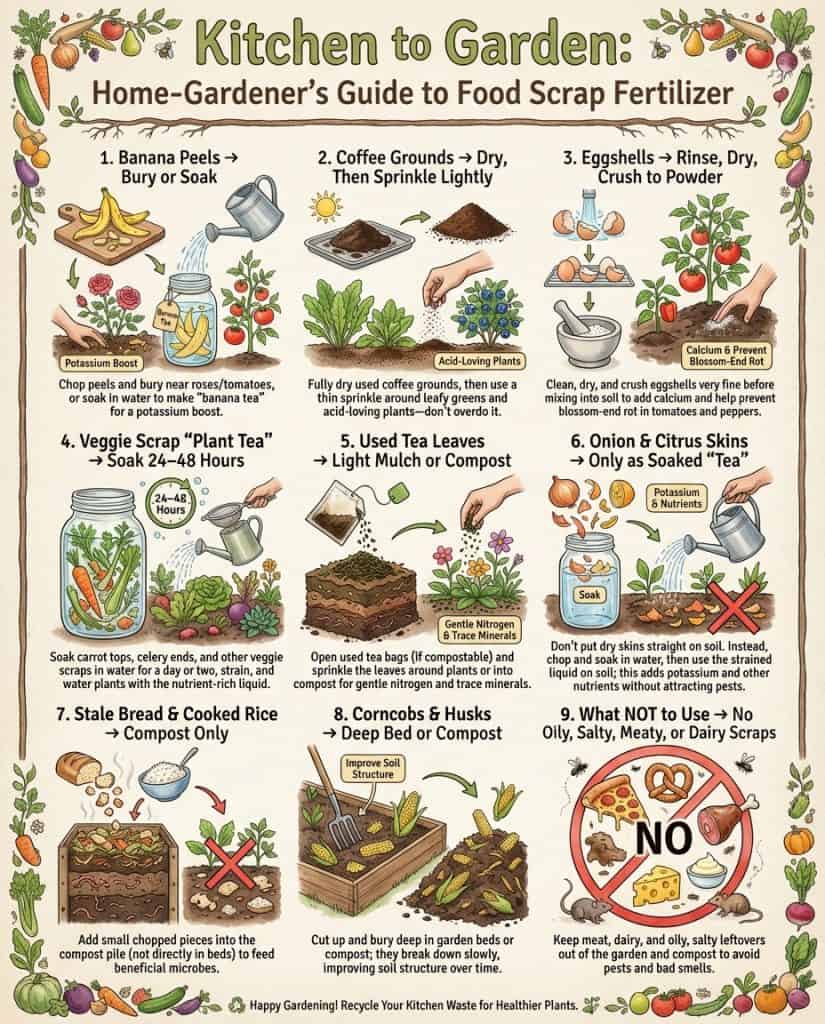
Your roses and tomatoes will love banana peels. They’re packed with potassium, phosphorus, and calcium: nutrients that improve your soil. Chop them up and bury near plants, or make “banana tea” by soaking them in water for a liquid boost.
2. Coffee Grounds: Morning Brew for Plants
Coffee grounds add nitrogen to your garden. After your morning cup, dry those grounds completely (this prevents mold) and store them for the garden.
Your leafy greens and acid-loving plants will respond well to them.
Just remember to use them in moderation. Too much can affect sensitive plants.
3. Eggshells: Calcium for Your Crops
Eggshells are 95% calcium carbonate and can help prevent blossom end rot in your tomatoes and peppers. The best way to use them?
Rinse, dry thoroughly, and crush them into powder before adding to the soil. Your plants will produce better, healthier produce.
4. Vegetable Scraps Broth: Liquid Fertilizer
Those carrot tops, celery ends, and onion skins can be used to make plant food. Soak your veggie scraps in water for 24-48 hours to create a nutrient-rich “plant tea” .
After straining, use this liquid to water your plants.
5. Used Tea Leaves: More Than Just Tea
Tea leaves are rich in nitrogen and trace minerals. Used tea leaves (or compostable tea bags) help herbs and flowers grow .
Sprinkle them around plant bases or add to your compost bin for slow-release nutrition.
6. Onion Skins: Often Overlooked
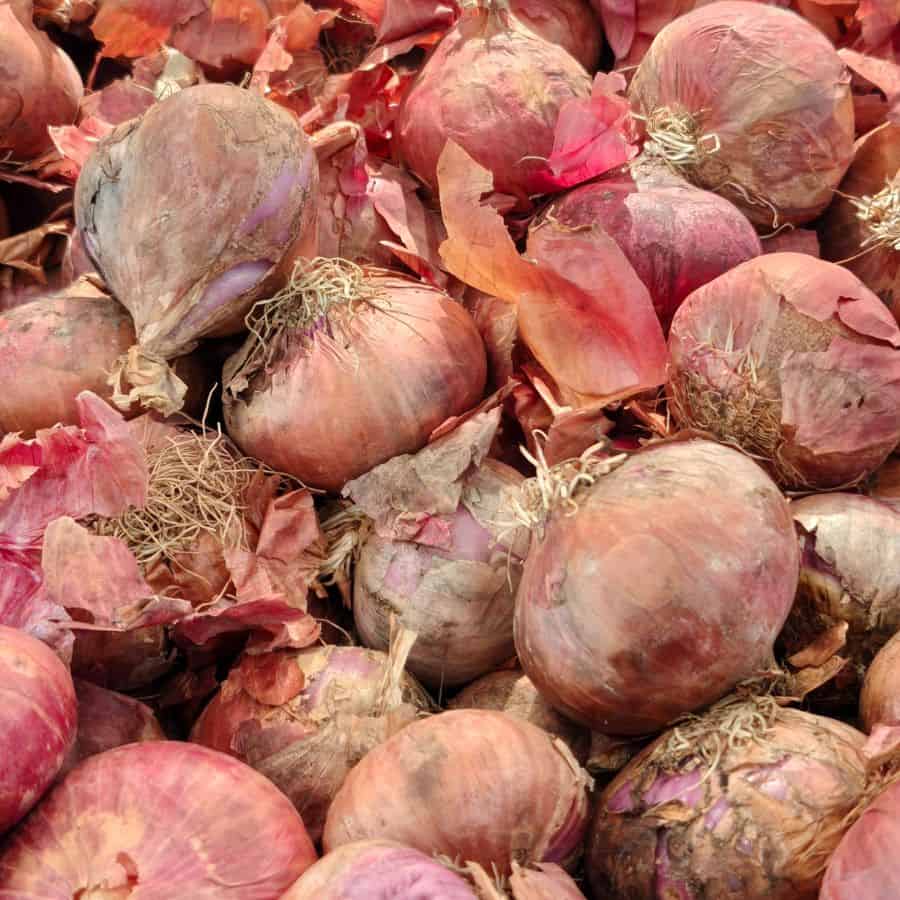
Those papery onion skins contain potassium and phosphorus that improve your garden soil. Make an onion skin “tea” by soaking it in water, then apply it directly to the soil.
Don’t apply skins directly to the ground, though. They can attract pests.
7. Citrus Peels: Soil Enhancers
Orange, lemon, and lime peels have sulfur, magnesium, and phosphorus. But they need special treatment. Never add them directly to soil.
Instead, chop finely and soak to create a diluted citrus tea. This works well for plants that need a pH adjustment.
8. Stale Bread & Cooked Rice: Compost Boosters
Even your forgotten bread and rice have uses in the garden. Small amounts of stale bread or old rice help boost microbial activity in compost.
Chop the bread into small pieces for faster breakdown, then sprinkle it throughout your compost bin.
9. Corncobs & Husks: Slow-Release Improvers
After summer barbecues, those corncobs can still be helpful. They’re slow-release sources of carbon and potassium that improve soil structure over time.
Cut up and bury in deep garden beds or compost piles, and they’ll work for months.
What NOT to Use
A common mistake is assuming everything organic belongs in the garden. Not quite. Avoid anything cooked with oil, salt, or seasonings. Plants prefer their food plain.
• Never use: Meat scraps (attracts pests quickly)
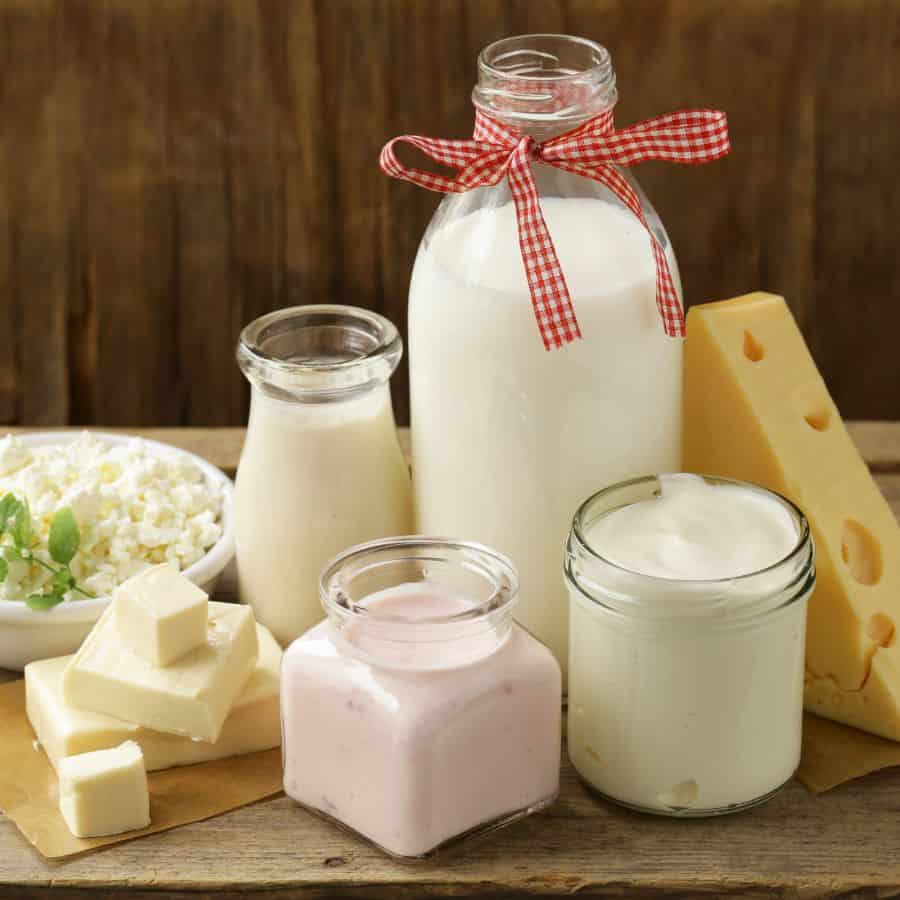
• Avoid: Dairy products (they’ll create a smelly mess)
• Skip: Bones (unless properly processed into bone meal)
These items belong in your trash, not your garden.
Your Garden’s Secret Weapon Is in Your Kitchen
The difference between new and experienced gardeners is knowing that almost 40% of household waste can be repurposed as plant food.
Start collecting your kitchen scraps in a dedicated container, and you’ll see how your plants respond to these nutrient-rich additions .
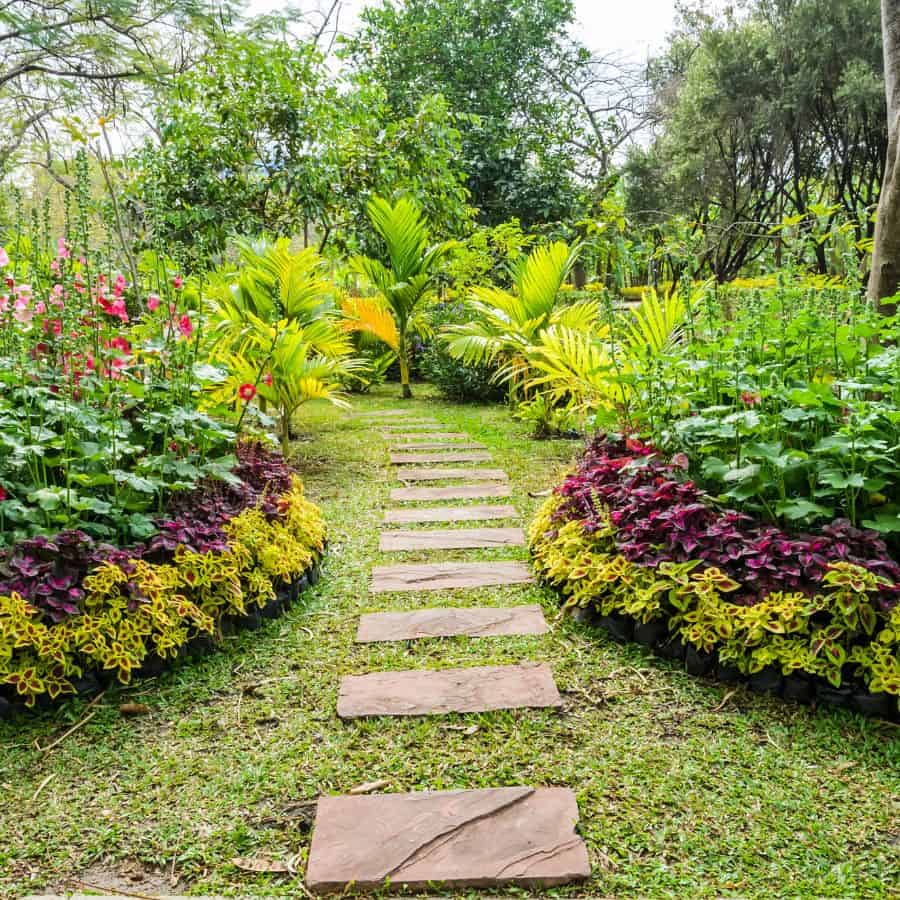
Your garden doesn’t need expensive store-bought fertilizers to do well. What it needs might be hiding in your kitchen trash right now.
Will you keep throwing useful scraps in the garbage? Or will you start using your kitchen waste as free garden fertilizer?