That cloudy water you’ve been pouring down the drain after rinsing rice? It’s actually great for your garden.
I was surprised to learn that this kitchen leftover is packed with starch, vitamins, and minerals that can help struggling plants grow better. Think of it as a free, all-natural boost for your plants.
The Plant Superfood Hiding in Your Kitchen
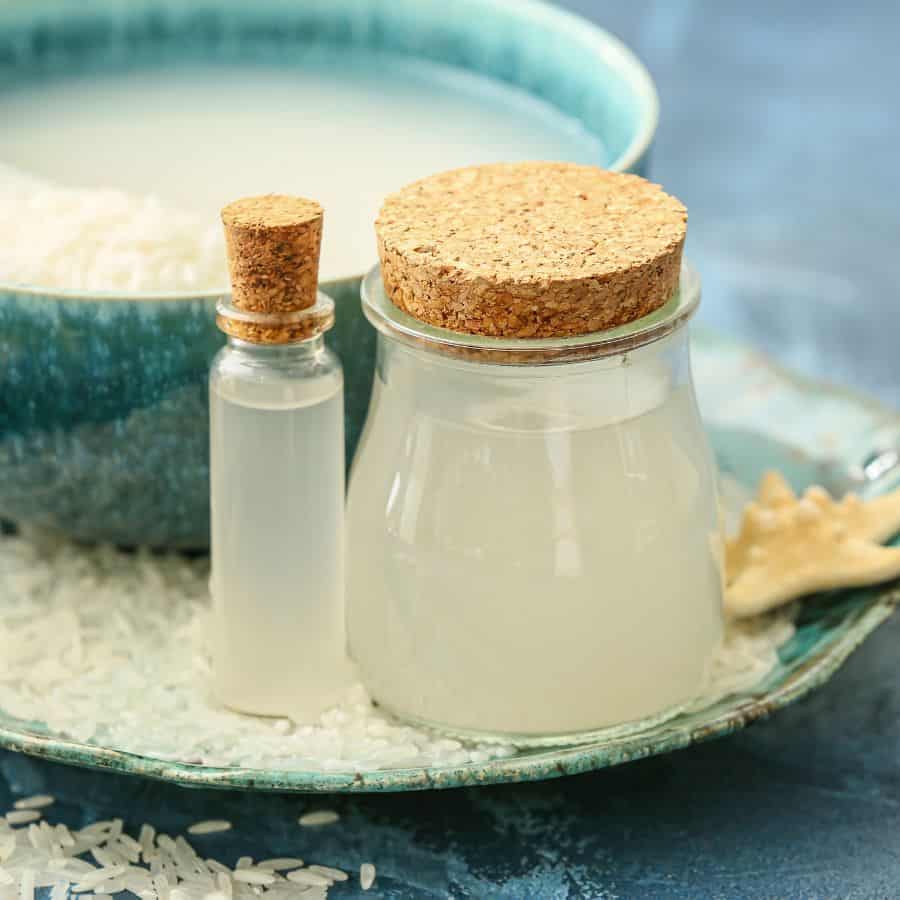
You don’t need expensive plant foods and fertilizers. The best thing for your indoor plants might be the milky water left behind after rinsing rice.
Rice water contains phosphorus, nitrogen, and potassium: the three main nutrients that commercial fertilizers are made of.
Plus, it delivers a starch boost that beneficial soil bacteria feed on, creating a healthy underground ecosystem for your plants.
Here’s something interesting: studies show rice water can contain up to 16% of the nutrients found in the original rice grain, nutrients that would otherwise go down the drain.
10 Plants That Do Well With Rice Water
1. Pothos: The Vining Wonder
These moisture-loving vines will go from leggy and sparse to full and bright with regular rice water feedings. The starch in rice water helps pothos develop thicker stems and larger leaves.
2. Snake Plants: Tough but Appreciate a Boost
Even the supposedly “unkillable” snake plant benefits from fermented rice water. This liquid enhances soil fertility, promoting fuller growth in these tall beauties. Your snake plant will reward you with more pups and taller leaves.
3. Aloe Vera: The Hardy Succulent
Most people assume these succulents need almost nothing to survive. While tough, aloe vera plants will do better with bi-weekly rice water feedings , developing plumper , more gel-rich leaves . Just be sure to dilute and ferment the rice water first.
4. Peace Lilies: The Drama Queens
These flowering plants are known for their dramatic wilting when thirsty. Rice water’s organic compounds help peace lilies develop stronger stems and more blooms.
5. Spider Plants: The Multipliers
The difference between new and experienced plant parents is knowing what makes spider plants produce more babies.
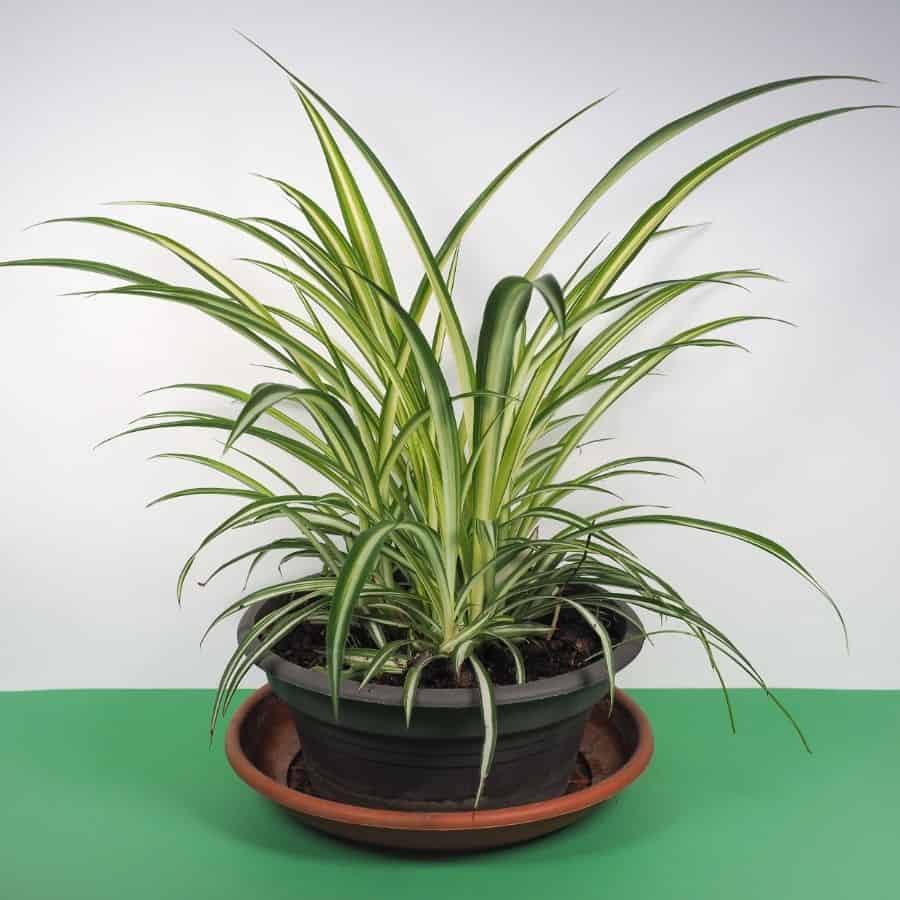
The phosphorus and potassium in rice water stimulate spider plants to send out more of those little spiderettes, turning one plant into several.
6. Basil: The Perpetual Harvest Herb
Want basil that keeps giving all season? Rice water acts like a natural liquid fertilizer for this mosquito-repelling herb . You’ll notice quicker regrowth after harvesting and stronger, more aromatic leaves.
7. Tomatoes: The Heavy Feeders
Tomato plants need a lot of nutrients. Rice water’s starch and mineral content promote better fruiting, resulting in larger harvests. Your tomatoes will be sweeter, juicier, and more plentiful.
8. Cilantro: The Delicate Herb
This herb does well with cool, diluted rice water feedings. The gentle nutrient boost prevents the plant from bolting (going to seed) too quickly, extending your harvest window. Just remember to always dilute the rice water for cilantro.
9. Peppers: The Root Strengtheners
Peppers develop better root systems when fed rice water. And stronger roots mean bigger harvests. Your pepper plants will stand tall against wind and weather while producing thicker-walled fruits with more flavor.
10. Ferns: The Forest Dwellers
Ferns evolved on nutrient-rich forest floors, and rice water closely mimics this environment. After consistent rice water feedings, you’ll notice your ferns growing denser and fuller. Those delicate fronds will multiply and unfurl with renewed energy.
How to Use Rice Water for Best Results
Using rice water is simple, but there are a few tricks to get good results:
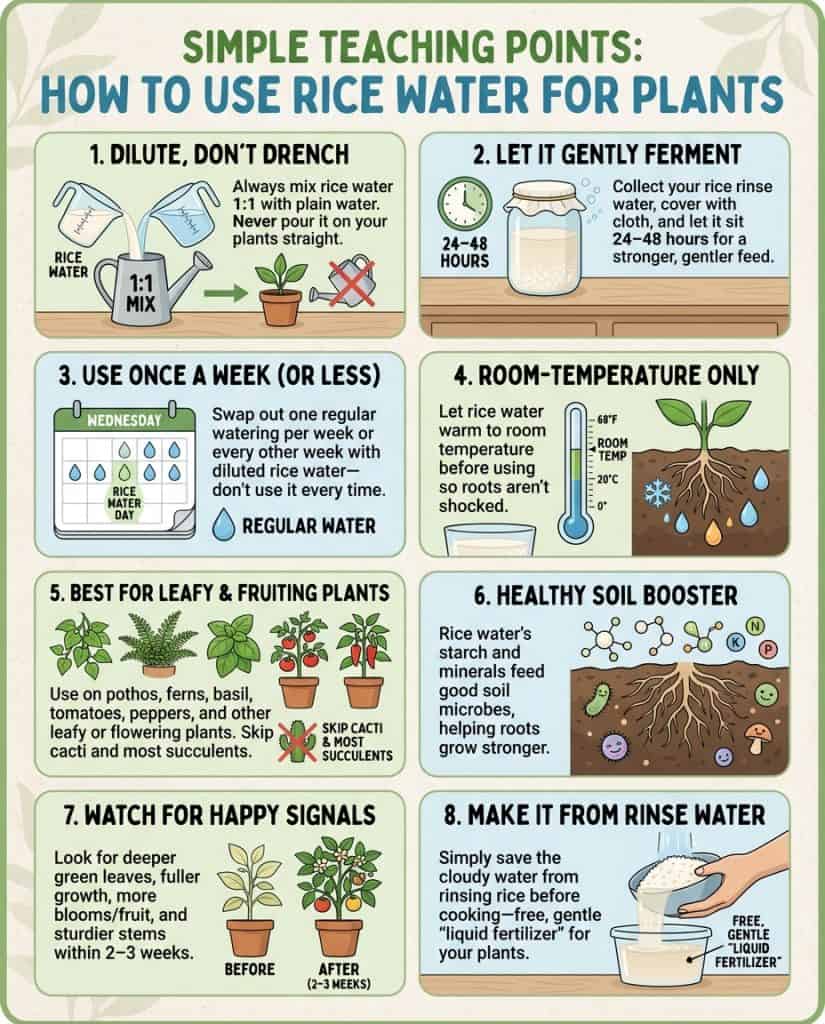
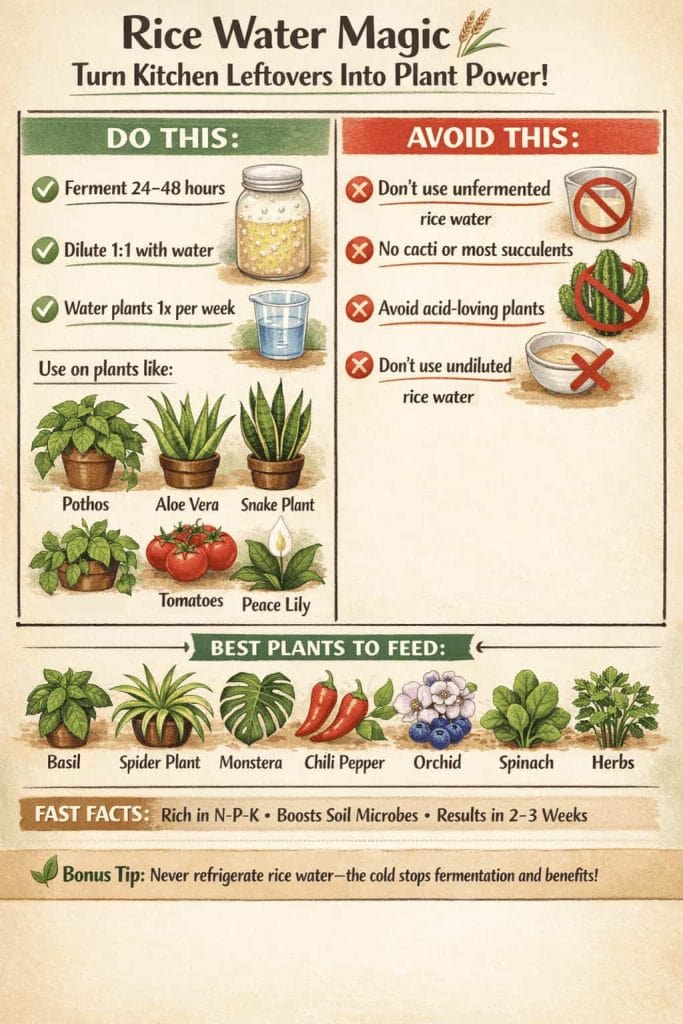
• Dilute it properly: Mix rice water with regular water in a 1:1 ratio to prevent starch overload
• Ferment for better results: Let rice water sit for 1-2 days before using to increase its benefits
• Use as a substitute: Replace one regular watering per week or bi-weekly with rice water
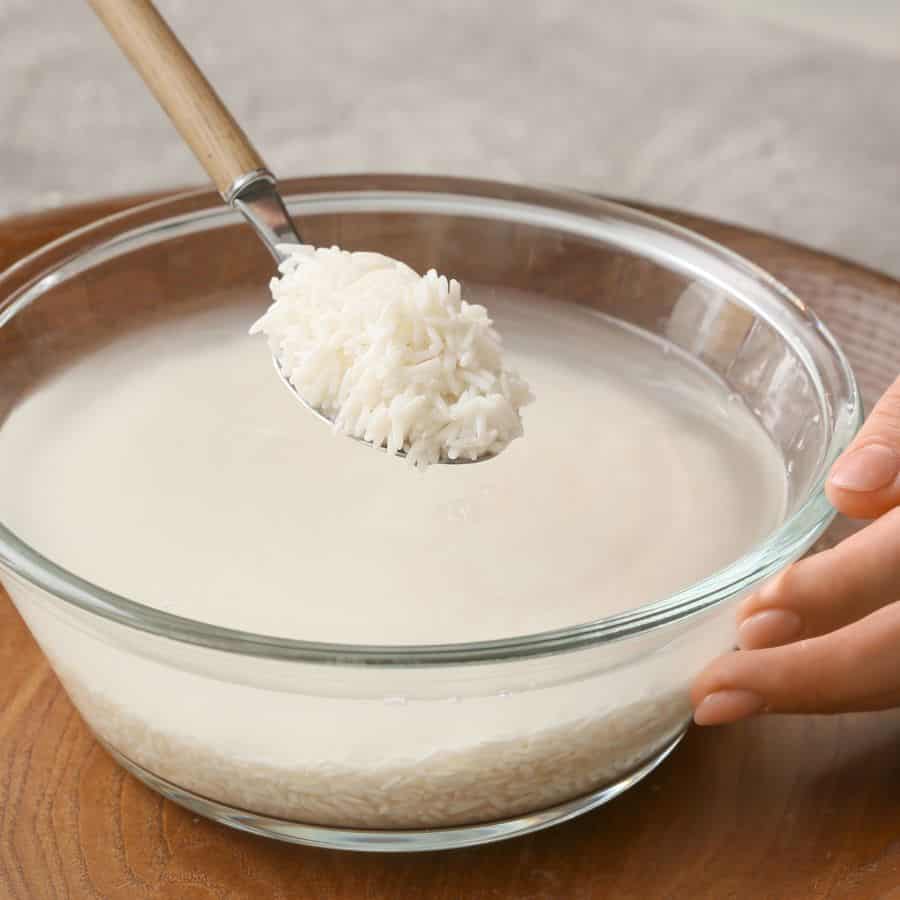
• Apply at room temperature: Cold rice water can shock sensitive root systems
• Watch for results; Most plants show visible improvements within 2-3 weeks
Here’s how I make mine: After rinsing rice before cooking, I collect that cloudy water in a jar, cover it with a breathable cloth, and let it sit for 24-48 hours in a warm spot.
The slight fermentation process creates a nutrient boost that works better than the plain version.
Signs Your Plants Are Doing Well on Rice Water
How do you know it’s working? Your plants will show you. Look for:
• Deeper, brighter leaf color
• Faster growth and recovery after pruning
• More flowering and fruiting
• Stronger stems that stand taller
• New leaves that emerge larger than previous ones
Just remember that while rice water works well for these 10 plants, not every plant will benefit from this treatment. Cacti, most succulents (except aloe), and acid-loving plants like blueberries prefer different care routines.
The next time you’re about to drain your rice water, think about the free plant food you’re about to waste. Your houseplants will appreciate this nutrient boost, and they’ll reward your efforts with better growth.