That scraggly spider plant on your shelf is desperately trying to tell you something. While these air-purifying powerhouses might survive basic care, they’re secretly longing to transform into the lush, cascading beauties you see on Instagram.
Ready for the plant glow-up of the century? I’ve got the insider tips that’ll turn your sparse spider into a bushy masterpiece faster than you can say “photosynthesis.”
The Light Secret Most Plant Experts Won’t Tell You
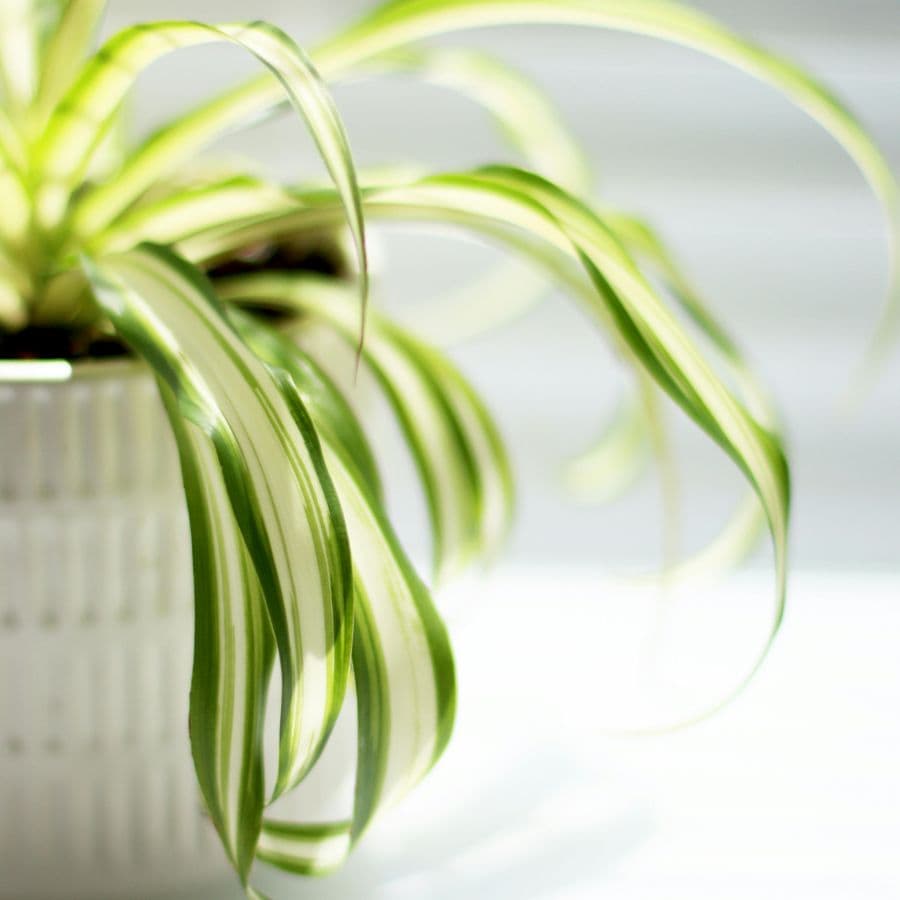
Forget what you’ve heard about spider plants tolerating low light. While they won’t die in that dark corner, they certainly won’t thrive there either.
Think of your spider plant like a solar-powered bush factory; without enough light, production simply shuts down.
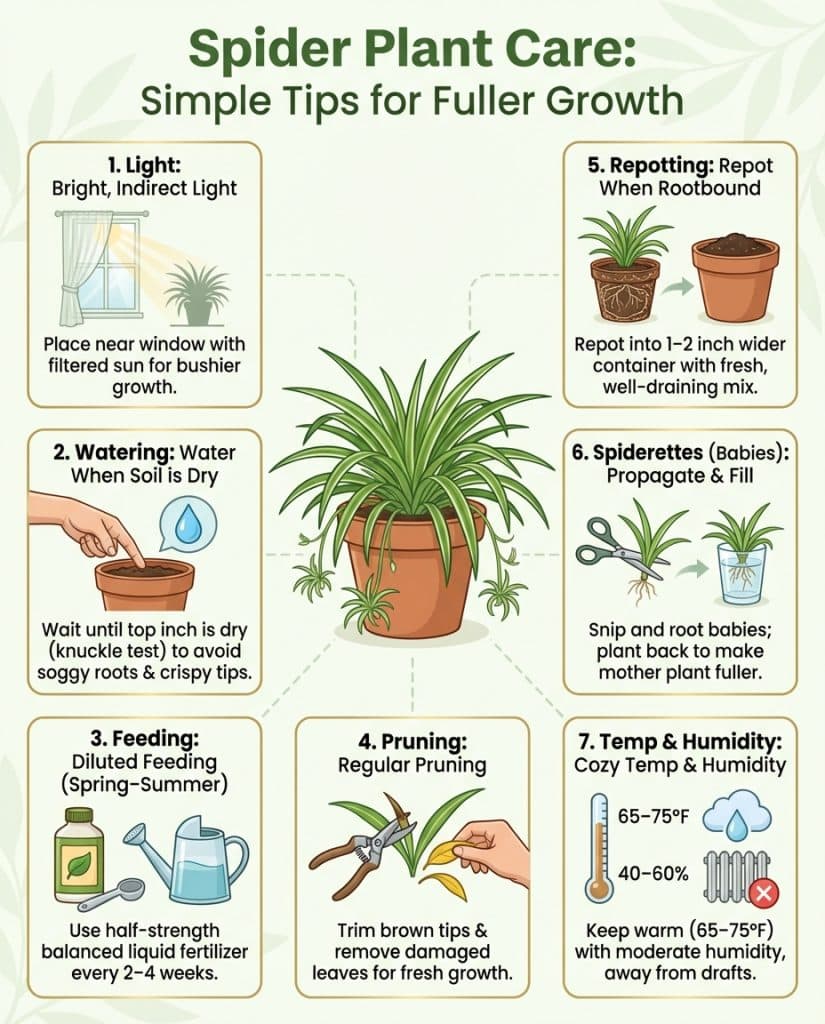
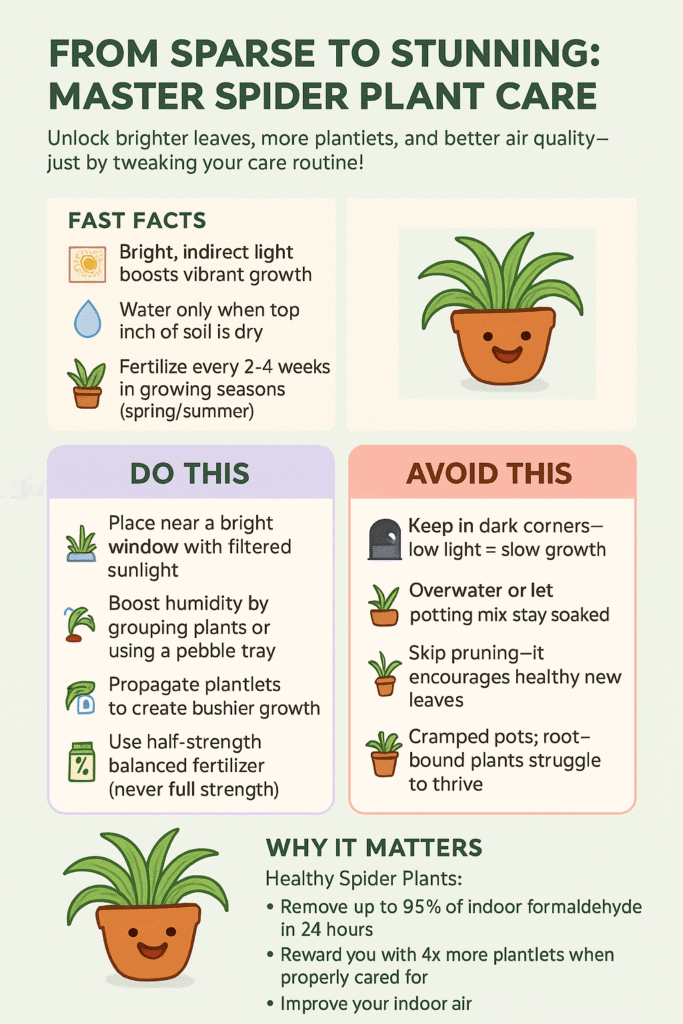
The game-changer for your spider plant isn’t complicated: bright, indirect light is the magic formula. Position your plant near a window with filtered sunlight (think sheer curtains) and watch as it transforms from lanky to lush.
Did you know? Spider plants, when grown under proper lighting, can produce up to 4 times as many plantlets as those grown in low-light conditions.
The Watering Sweet Spot That Changes Everything
Most people make this mistake with their spider plants: either they drown them or they forget they exist.
Finding that perfect moisture balance is like getting the shower temperature just right; when you hit it, everything changes.
The secret? Water only when the top inch of soil feels dry to the touch. This simple habit prevents both root rot (the silent plant killer) and the crispy brown tips that scream “neglect me much?
(Psst… I use the knuckle test – if I stick my finger in up to the first knuckle and feel moisture, I walk away!)
Fertilize Like a Pro, Not Like a Rookie
Your spider plant is basically a teenager. It’s constantly growing and perpetually hungry. During spring and summer (the active growing season), feed your plant every 2-4 weeks with a balanced water-soluble fertilizer.
I was shocked to discover that over-fertilizing actually does more harm than under-fertilizing! Too much plant food burns those beautiful leaf tips faster than sunbathing in the Sahara. Always dilute to half the recommended strength for spectacular results without the risk.
The Dramatic Impact of Regular Pruning
Think of pruning as your spider plant’s makeover session. Those yellowing leaves and brown tips? They’re not just ugly. They’re energy vampires stealing resources from new growth!
Grab some clean scissors and start snipping:
- Remove any completely brown or yellow leaves at the base
- Trim brown tips by cutting just into the green tissue
- Remove any spindly or weak stems
This tough-love approach signals to your plant to focus on fresh, vibrant growth rather than maintaining damaged parts. The difference between amateur and pro plant parents is simply their willingness to make these crucial cuts.
The Root-Bound Reality Check
If your spider plant looks like it’s trying to escape its pot (roots circling or poking through drainage holes), it’s screaming for more space! A root-bound spider plant is like a teenager trying to grow in baby clothes, uncomfortable and stunted.
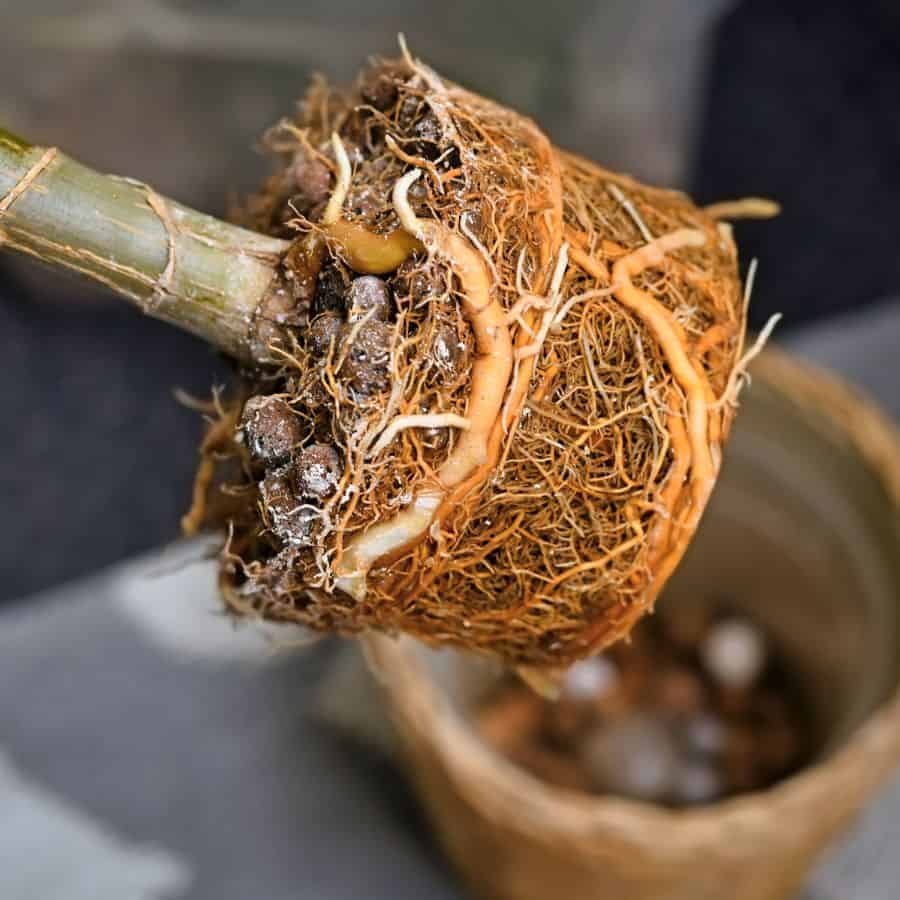
Repot into a container that is 1-2 inches larger in diameter, using fresh, well-draining potting mix. This single action can trigger a dramatic growth spurt within just 2-3 weeks as the roots finally have room to stretch and support new foliage.
The Multiplication Miracle
Those dangling babies (spiderettes) aren’t just adorable. They’re your secret weapon for a fuller parent plant! Counterintuitively, removing some of these offshoots actually stimulates the mother plant to produce even more growth.
Snip a few spiderettes and either:
- Root them in water until you see 1-inch roots forming
- Plant them directly in moist soil, keeping it consistently damp until established
- Return a few rooted babies to the mother pot for an instantly fuller look
This propagation trick creates that Instagram-worthy cascade effect that makes spider plants so coveted. Plus, free plants for friends? Plant parent points for days!
The Climate Control Breakthrough
Your spider plant has a comfort zone just like you do. When temperatures drift below 65°F or above 75°F, growth slows dramatically. Similarly, these humidity lovers thrive in humidity levels of 40-60%, which is higher than most homes typically maintain.
Create a microclimate paradise by:
- Keeping plants away from drafts, heaters, and AC vents
- Grouping plants together to create a natural humidity bubble
- Setting up a pebble tray with water beneath your pot (no direct contact)
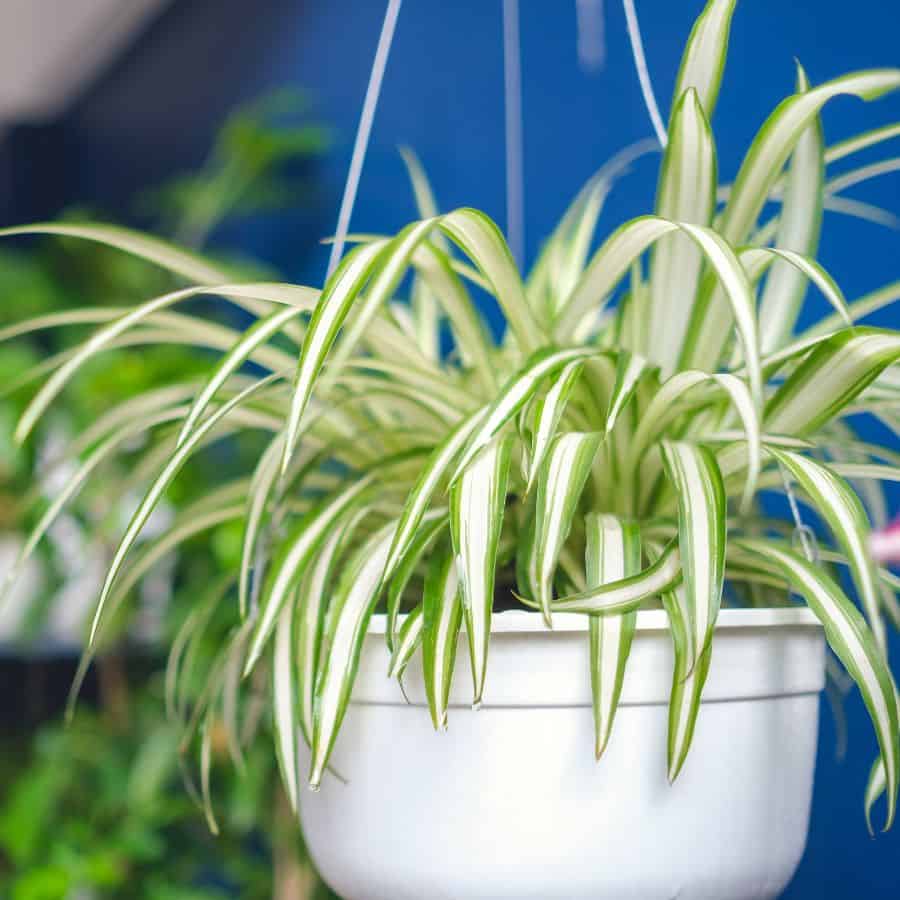
These environmental tweaks might seem subtle, but they make all the difference between a plant that merely survives and one that flourishes into a vibrant, bushy specimen.
Remember: a thriving spider plant isn’t just prettier. It’s also working harder to purify your air. NASA research shows that healthier, fuller spider plants can remove up to 95% of indoor air formaldehyde in a 24-hour period. Your plant glow-up is actually a health upgrade!