Is your houseplant collection looking a little lackluster? If your indoor plants aren’t doing as well as you’d hoped, the issue might be simpler than you think. It’s probably not about watering. It’s about food.
Most indoor plant problems come down to nutrition, not watering. Your plants are growing in a small pot with limited soil and no access to the nutrients they’d normally get outdoors. Without fertilizer, they’re basically running on empty.
The good news? The best thing you can do for your indoor plants isn’t complicated or expensive. It’s just giving them the nutrients they need. Here are five options that actually work.
What You Should Know About Feeding Indoor Plants
Let’s clear something up: indoor plants absolutely need fertilizer . They’re living in a pot with a fixed amount of soil and no other nutrient sources.
Think of it this way. They can’t send roots deeper or wider to find what they need. Without fertilizer, they’re stuck with whatever was in the potting mix when you brought them home. That runs out pretty quickly.
The right nutrients can make a real difference in how your plants look and grow. Here’s what works.
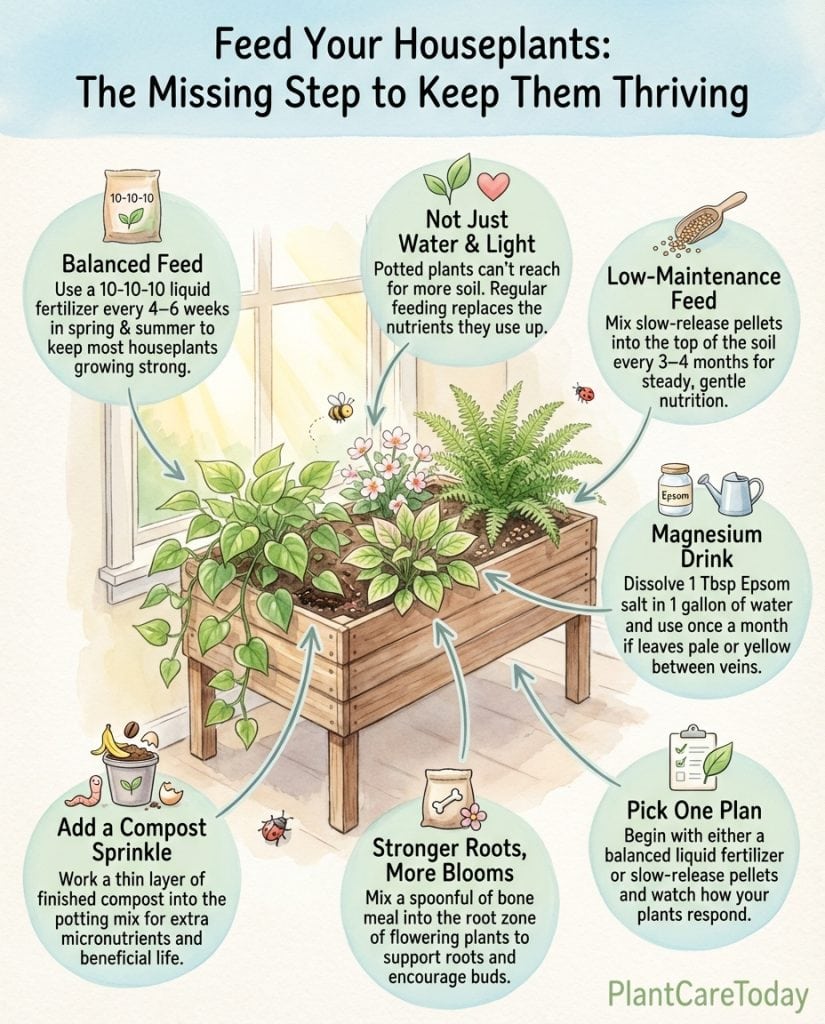
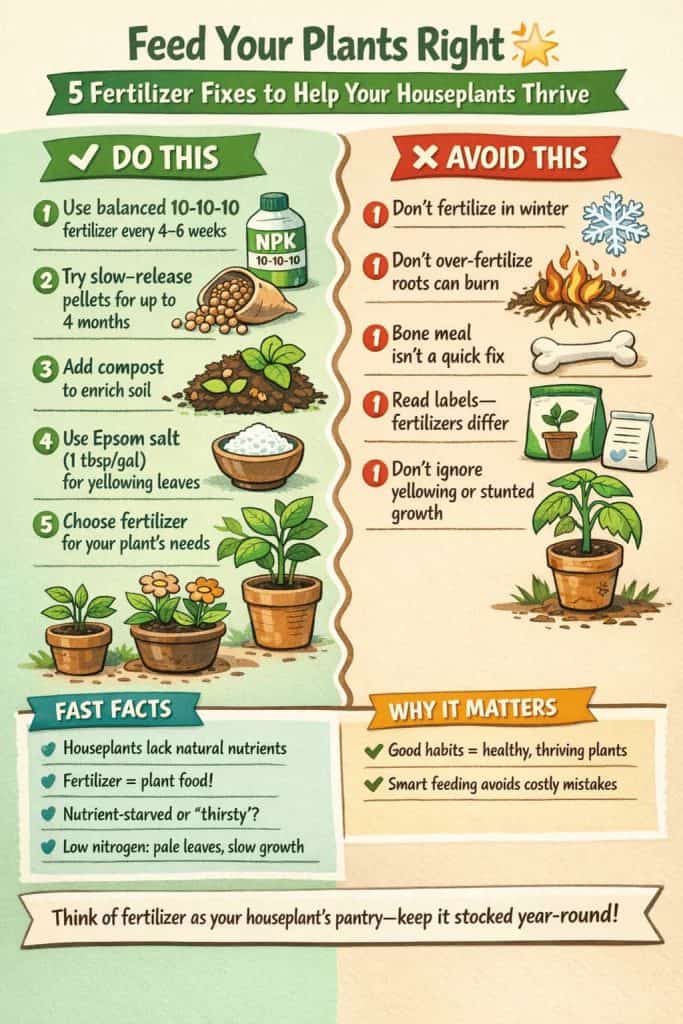
1. Balanced NPK: The All-Purpose Option
Balanced NPK fertilizer is the most straightforward choice for most houseplants. NPK stands for Nitrogen, Phosphorus, and Potassium: the three main nutrients plants need.
A 10-10-10 blend gives your plants equal amounts of all three. It’s like a multivitamin for plants.
The best part about balanced fertilizer is that you don’t have to overthink it. It works for most common houseplants, and you don’t need to worry about getting the ratios exactly right.
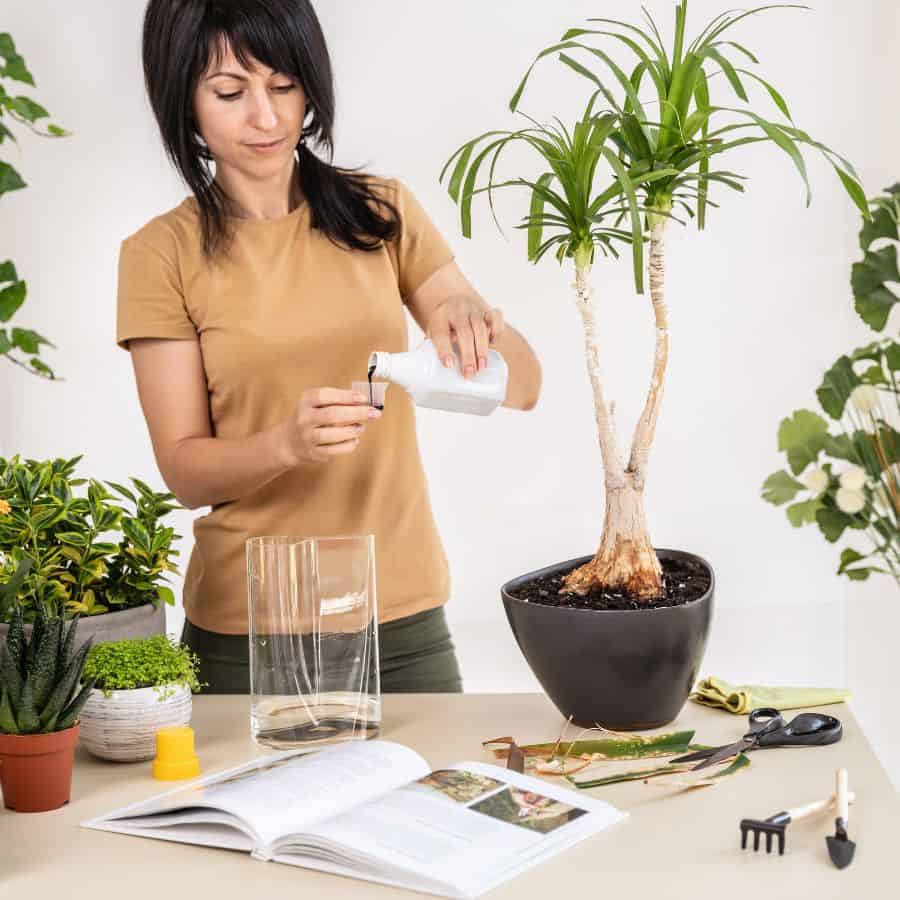
Apply it every 4-6 weeks during spring and summer when your plants are actively growing . You’ll notice healthier leaves and better overall growth.
2. Slow-Release Fertilizer: The Low-Maintenance Choice
Here’s something worth knowing: Overfertilizing actually kills more houseplants than under-fertilizing. That’s where slow-release fertilizers come in handy.
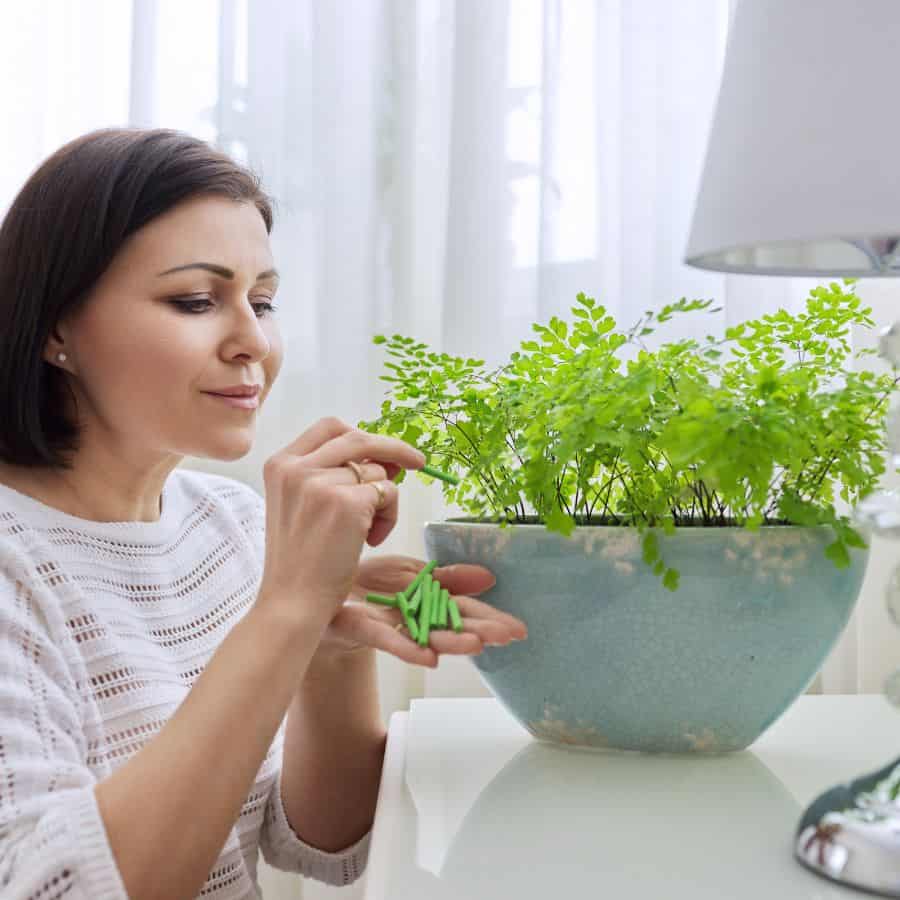
These come as small pellets or granules that you mix into the soil. They gradually break down, feeding your plants steadily for months.
This is perfect if you’re busy or tend to forget about fertilizing. You apply it once every 3-4 months, and you’re done.
Your plants get a consistent supply of nutrients without any risk of fertilizer burn. It’s pretty much the easiest way to keep your plants fed .
3. Compost: The Natural Option
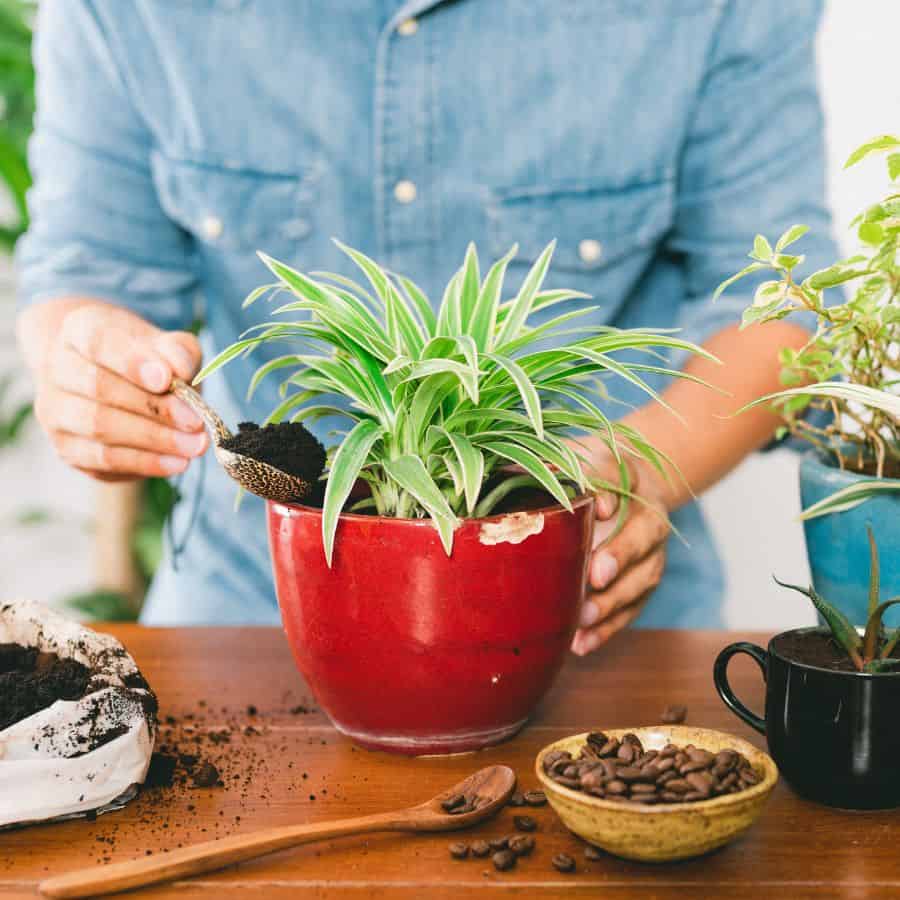
Homemade compost is one of the best things you can give your plants. It’s made from kitchen scraps like banana peels, coffee grounds, eggshells, and vegetable scraps.
What makes compost special is that it contains tons of micronutrients and beneficial organisms that commercial fertilizers don’t have. Plants really respond to it.
Here’s what different scraps provide:
• Coffee grounds add nitrogen and work well for plants that like acidic soil
• Eggshells provide calcium that helps strengthen plant cells
• Fruit peels add potassium for healthier blooms
• Vegetable scraps offer nitrogen for leafy growth
Even if you live in an apartment, a small countertop compost bin can make enough to feed your houseplants. Plus, it’s free.
4. Epsom Salt: The Magnesium Boost
Epsom salt is one of those simple tricks that experienced plant people know about. It’s just magnesium sulfate, the same stuff you might use in a bath.
Plants need magnesium to make chlorophyll, which is what makes them green and helps them convert light into energy. Without enough magnesium, leaves can turn yellow between the veins.
Mix 1 tablespoon in a gallon of water and water your plants with it once a month. It’s especially helpful if you notice your plants looking pale or yellowish.
It costs a couple of dollars and lasts forever. You’ll see deeper-green leaves and healthier overall growth.
5. Bone Meal: The Root Builder
Bone meal is ground-up animal bones. I know that sounds odd, but it’s an excellent source of calcium and phosphorus.
It works below the surface, helping plants develop strong root systems. Strong roots mean healthier plants overall, even if you don’t see immediate changes in the leaves.
Bone meal is especially good for flowering houseplants that seem reluctant to bloom. The phosphorus encourages flower production.
Think of it as building a strong foundation. The results take a little longer to show, but they’re worth it.
What Matters Most for Your Plants
Most people focus on watering and light but completely skip nutrition. Now you know that fertilizer matters just as much.
You don’t need all five of these options. Start with just one: balanced fertilizer or slow-release is a good place to start, and see how your plants respond.
The real trick to growing healthy houseplants isn’t having a “green thumb.” It’s understood that plants need proper nutrition, just as any living thing does.
Different plants have different needs, so you might need to experiment a bit to find what works best for each. But once you start feeding your plants properly, you’ll notice the difference.