That banana peel you just tossed? It could be exactly what your garden needs. The average family throws away nearly 500 pounds of compostable kitchen waste each year.
That’s a lot of potential plant food going straight to the landfill. Here’s how to turn your kitchen scraps into something your garden can actually use.
Nature’s Recycling Miracle: Why Compost Is Garden Magic
Composting is nature’s original recycling system. Your plants thrive on many of the things you’re throwing in the garbage.
Think of compost as a nutrient boost for your soil. It improves drainage, adds fertility, and creates the right environment for beneficial microorganisms. Yes, your soil should be full of life – that’s how healthy soil works.
The Top 5 Compost Superstars Hiding in Your Home
The best thing for your garden isn’t expensive fertilizer. It’s these everyday items you’re probably throwing away right now:
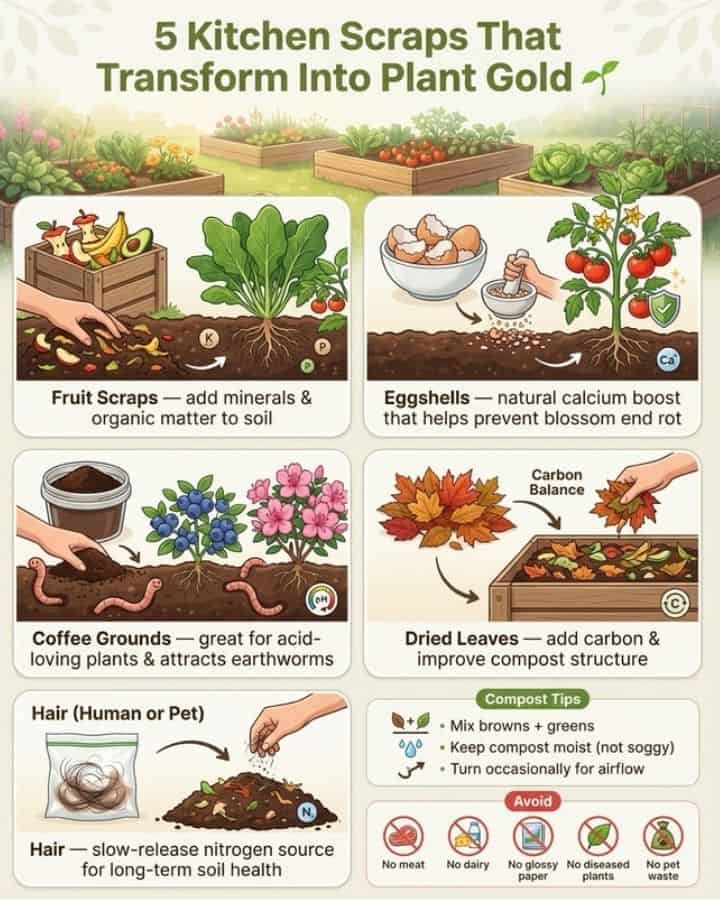
1. Fruit Scraps: Your Garden’s Favorite Snack
Every apple core, banana peel, and avocado pit contains nutrients waiting to be unlocked.
These kitchen scraps break down quickly and add minerals directly to your soil. Even citrus peels can be composted in moderation.
2. Eggshells: The Calcium Bombs
That breakfast byproduct is actually a calcium boost. Crushed eggshells add calcium to your soil, which helps prevent blossom end rot in tomatoes. They also create natural barriers against soft-bodied pests like slugs.
3. Coffee Grounds: The Dark Magic
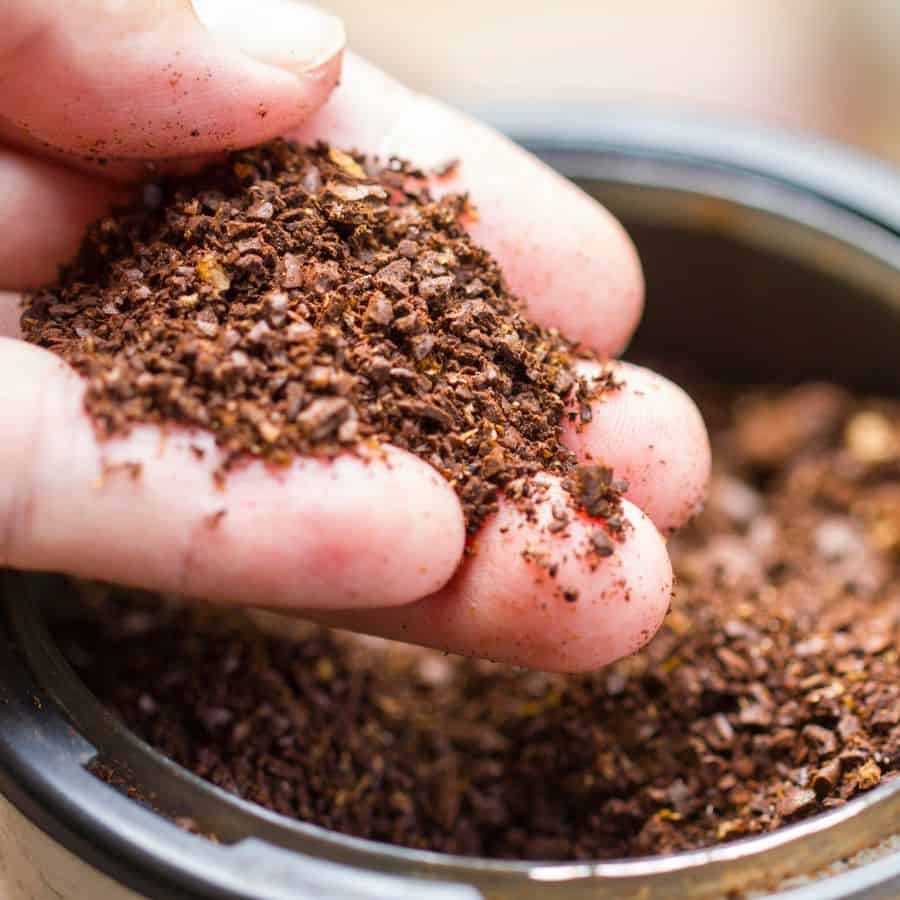
Coffee grounds are like a natural boost for acid-loving plants. Azaleas, blueberries, and rhododendrons love these grounds mixed into their soil. Plus, earthworms find them appealing – and more worms mean healthier soil.
4. Dried Leaves: Nature’s Perfect Carbon Source
Rather than bagging them up for collection, dried leaves are compost gold. They add carbon to balance out nitrogen-rich kitchen scraps and create air pockets that speed up decomposition. Think of them as the structure that holds everything together.
5. Hair: The Surprising Nitrogen Bomb
Yes, hair. Whether from your brush or your pet’s grooming session, hair is packed with nitrogen.
It breaks down slowly, providing a long-term nutrient release that can boost plant growth. Just don’t add too much at once – a little goes a long way.
The Compost Commandments: What to Avoid
Keep these items out of your compost:
• Meat and dairy – They attract rodents
• Diseased plants – They’ll spread problems to your entire garden
• Pet waste – Contains pathogens you don’t want near your vegetables
• Glossy paper – The chemicals don’t belong in organic compost
From Beginner to Compost Master: Getting Started
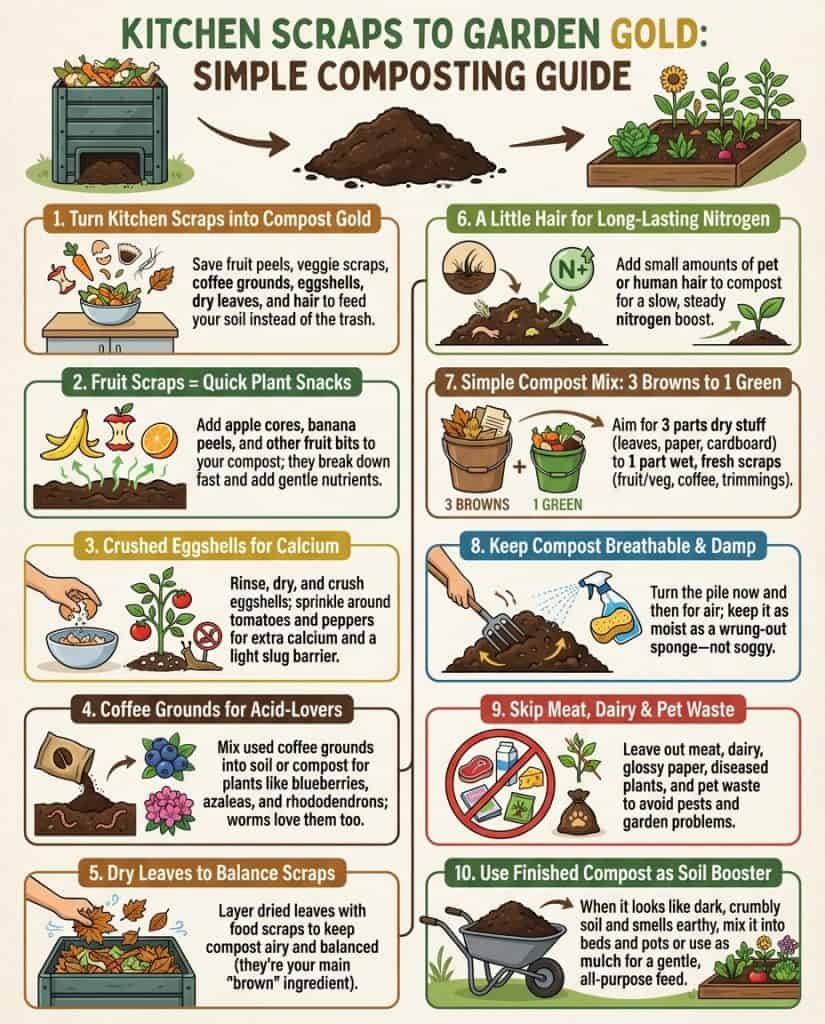
The difference between new and experienced gardeners is knowing the balance. Aim for a mixture of about 3 parts “browns” (carbon-rich materials like leaves, cardboard, paper) to 1 part “greens” (nitrogen-rich materials like food scraps, coffee grounds, fresh plant trimmings).
Think of your compost bin as a living ecosystem. It needs:
• Air – Turn it occasionally with a garden fork
• Moisture – Damp as a wrung-out sponge, not soaking wet
• Balance – Mix browns and greens for best results
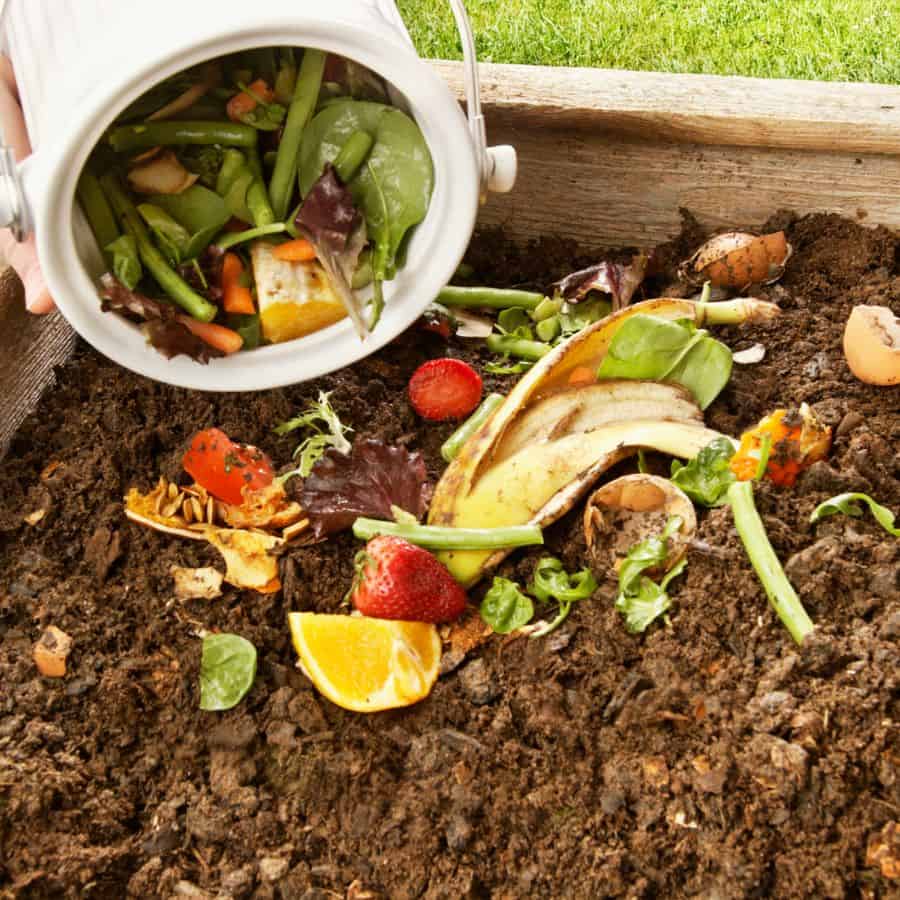
A properly maintained compost bin can transform kitchen waste into rich, dark soil in as little as 3-6 months .
The Harvest: Using Your Black Gold
When your compost looks like rich, dark soil and smells earthy (not like rotting food), it’s ready to use. Mix it into potting soil, spread it as mulch, or brew it into “compost tea” for an extra boost to plant nutrition.
Your plants will reward you with healthy growth that makes the neighbors wonder what you’re using.