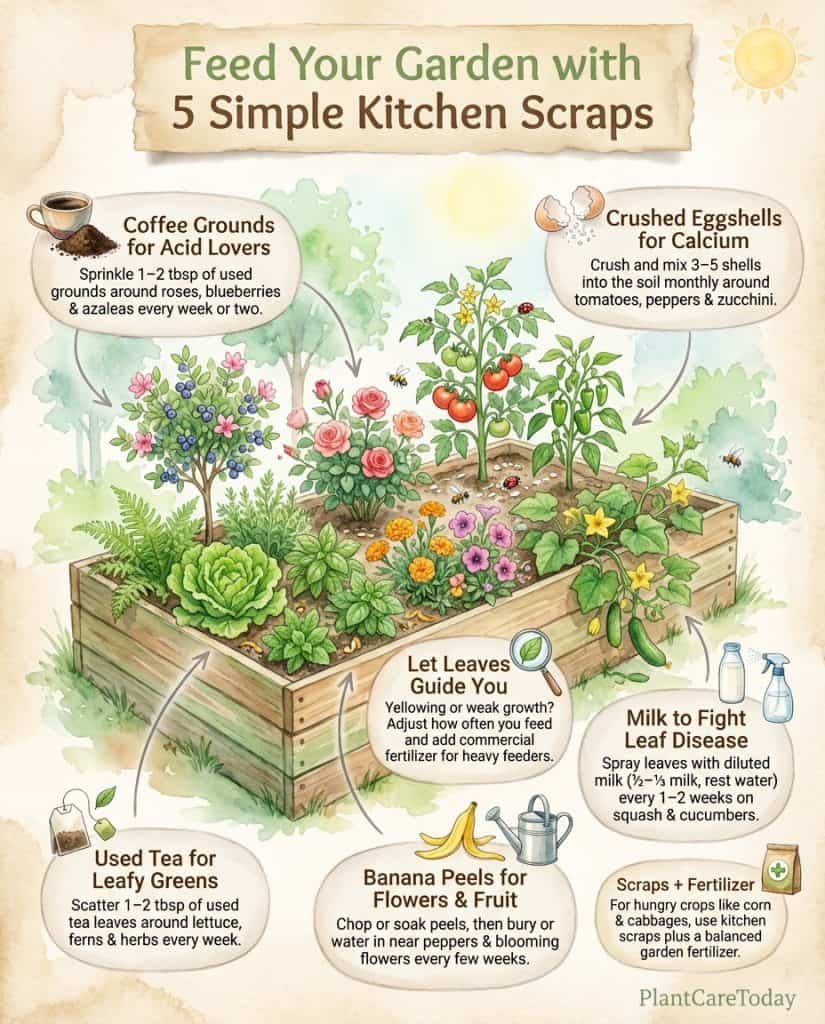
Think your plants don’t care what you feed them? That wilting tomato or lackluster rose bush might actually need different nutrients than you’re giving it.
Most home gardeners use general-purpose fertilizers for everything, and then wonder why some plants don’t do well. Let me show you which kitchen scraps work best for specific plants.
Why Your Plants Are Picky Eaters
Forget what you’ve heard about “one-size-fits-all” fertilizers. Your plants have different needs.
Just like you wouldn’t serve a steak to your vegan cousin, you shouldn’t feed acid-loving blueberries the same nutrients as calcium-craving tomatoes . The difference between new and experienced gardeners is knowing which scraps feed which plants .
Here’s the thing: your basic garden soil doesn’t have everything plants need. Without the right supplements, they’re missing out on key nutrients.
Coffee Grounds: For Acid-Loving Plants
Those soggy grounds you toss every morning work great for certain plants that prefer acidic soil .
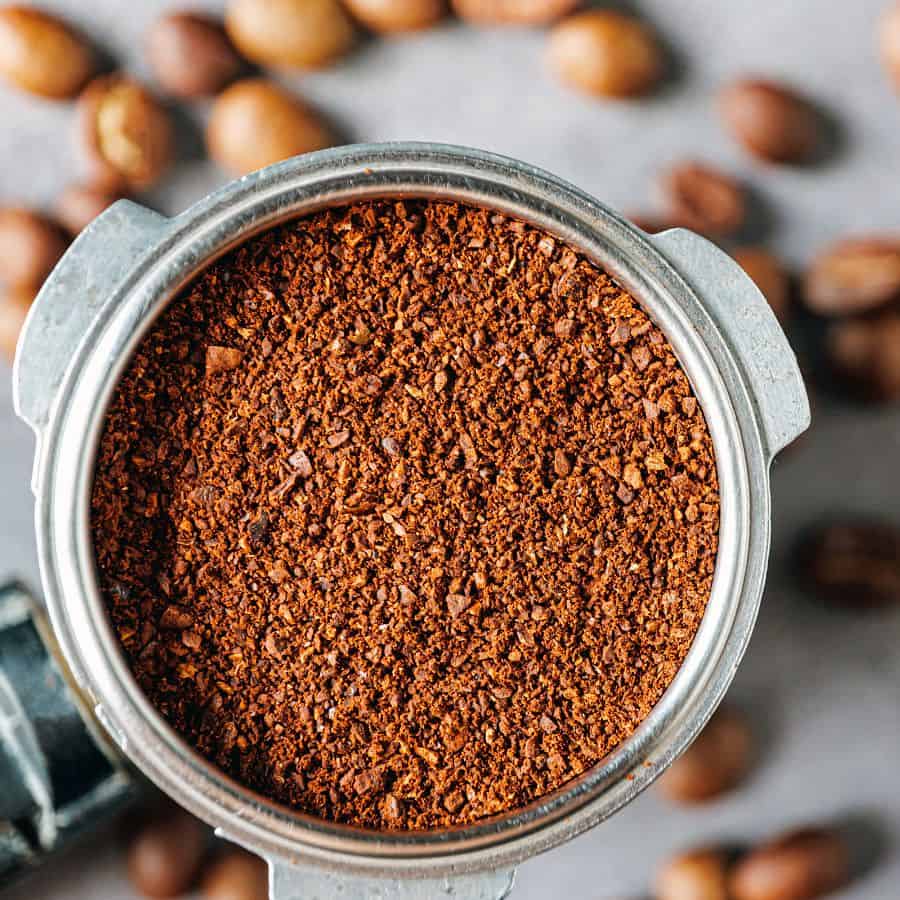
• Roses: Add 1-2 tablespoons of wet coffee grounds weekly around the base for brighter blooms.
• Blueberries: These bushes love acidity. Feed them ¼ cup of grounds every 2 weeks during the growing season for a better harvest.
• Azaleas: Sprinkle 1 tablespoon every 10-14 days for healthier foliage.
Eggshells: Calcium for Vegetables
Those fragile eggshells are like slow-release calcium for certain vegetables.
• Tomatoes: Combat blossom end rot by working 4-5 crushed shells per plant monthly into the soil.
• Peppers: For stronger cell structure and healthier fruits, mix 2-3 shells every 3-4 weeks.
• Zucchini: Monthly application of 3 crushed shells worked into topsoil helps prevent disease and encourages better fruit production.
Milk: For Disease Prevention
That splash of expired milk you’re about to pour down the drain? It works wonders on certain plants as a protein and calcium boost.

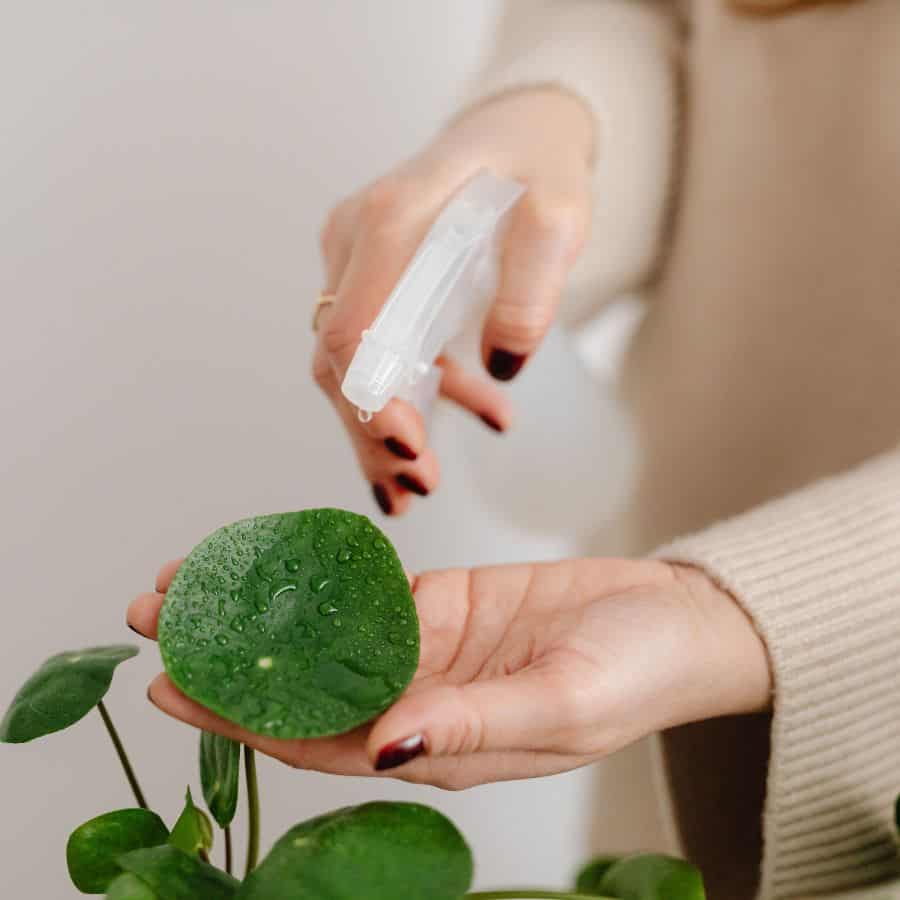
• Squash: A 50/50 milk-water spray every 2 weeks improves leaf health and helps fight disease.
• Cucumbers: Combat powdery mildew with a 1:2 milk-to-water ratio sprayed every 10 days.
• Peas: Apply 1 cup of 1:2 milk-water solution monthly for plumper pods and stronger growth.
Banana Peels: Potassium Boost
Banana peels are rich in potassium and phosphorus, which help flowering and fruiting plants.
• Flowering Annuals: Water petunias and similar flowers with 1 cup of banana peel water every 2 weeks for more blooms .
• Peppers: Chop one peel and bury it near the roots monthly for a potassium boost that encourages more fruit.
• Beans: Apply 1-2 cups of banana peel tea every 2-3 weeks for better root and flower growth.
Tea Leaves: Nitrogen for Leafy Plants
Used tea bags are rich in nitrogen, which leafy plants love.

• Ferns: Sprinkle 1-2 tablespoons of moist tea leaves around the base every 10 days for lusher growth.
• Lettuce: Apply 1 tablespoon weekly for faster-growing greens.
• Herbs: Mint, parsley, and other herbs do well with 1-2 tablespoons every 7-10 days for more vigorous growth.
When to Use Commercial Fertilizers
Sometimes, kitchen scraps aren’t enough. Heavy feeders like corn and brassicas need a lot of nutrients throughout the season.
For these plants, try combining natural fertilizers for baseline nutrition with targeted commercial products during big growth spurts. Think of it as giving your plants both a healthy meal and a vitamin supplement.
Your Action Plan
Start by identifying what you’re growing, then match it to the appropriate natural fertilizer above.
Begin a consistent feeding schedule. Within a few weeks, you’ll see the difference proper nutrition makes.
Remember: your plant’s appearance tells you a lot. Yellow leaves, stunted growth, or poor flowering often point to specific nutrient deficiencies. Pay attention to these signs and adjust your feeding accordingly.