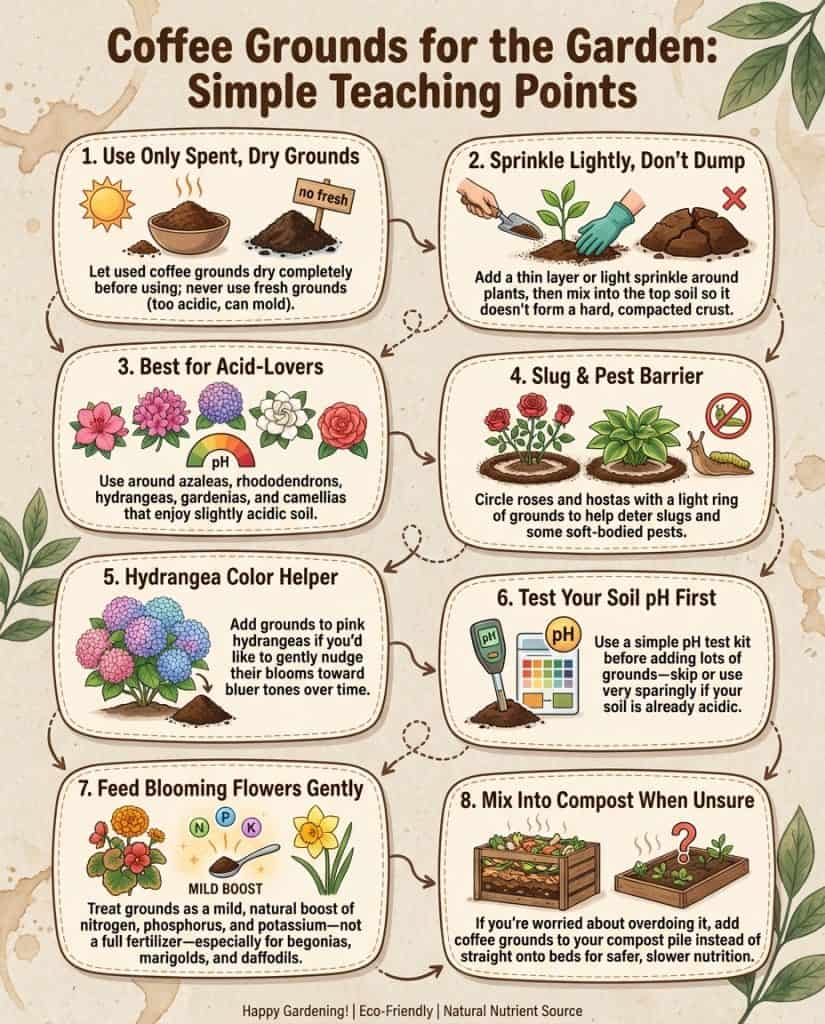
That coffee filter full of soggy grounds you toss every morning? It’s actually really useful for your garden.
I was surprised to learn that what most people throw away can help ordinary flowers look much better.
Those humble grounds contain nitrogen, potassium, and phosphorus that can give your plants a nice boost.
Coffee Grounds 101: What You Need to Know First
Before you dump your entire coffee maker into your flower beds, let’s cover a few basics. Like that first cup of morning coffee, this garden trick requires some care.
The most important thing isn’t how much you use, but how you apply it. Too many coffee grounds can compact soil and make it too acidic for plants.
- Always use spent grounds: Fresh coffee grounds are very acidic. Used grounds have a more balanced pH (around 6.5-6.8) that won’t shock your plants.
- Dry them completely: Wet grounds attract mold. Spread them out to dry before using them.
- Test your soil first: Grab a pH testing kit (under $15 at garden centers) to know what you’re working with. This tells you whether coffee grounds will actually help.
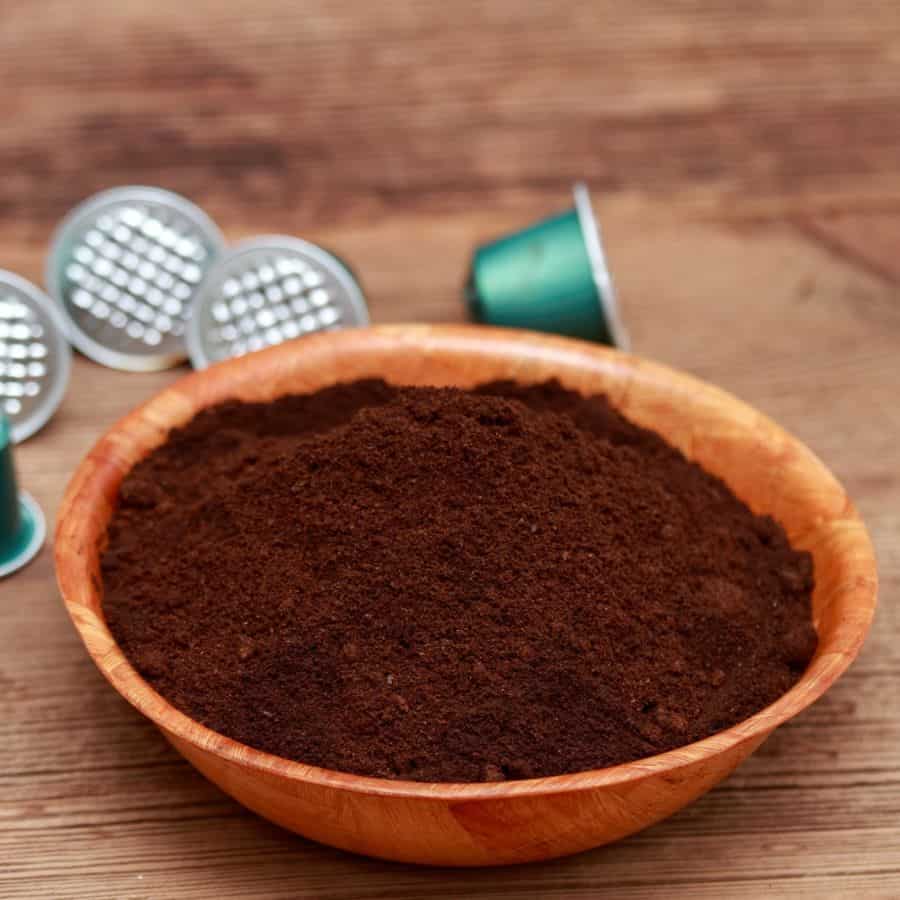
Quick science fact: Coffee grounds can increase soil nitrogen by up to 2%, giving flowering plants a boost without commercial fertilizers.
11 Flowers That Will Flourish With Your Coffee Addiction
1. Azaleas: The Coffee Ground Champions
These plants really love coffee grounds. Azaleas thrive in acidic soil (pH 4.5-6.0), making coffee grounds a perfect match. Mix a thin layer into the soil around their base for brighter, healthier blooms.
2. Rhododendrons: Coffee’s Closest Allies
Like their azalea cousins, rhododendrons prefer acidic soil. A monthly sprinkle of coffee grounds can help pale, struggling rhododendrons become the lush flowering plants they’re meant to be.
3. Hydrangeas: Color-Changing Magic
Here’s where things get interesting. Coffee grounds can actually change your hydrangea’s color . Increase soil acidity with grounds, and watch pink hydrangeas shift to blue tones, like a botanical mood ring responding to your coffee habit.
4. Gardenias: Fragrance Factories
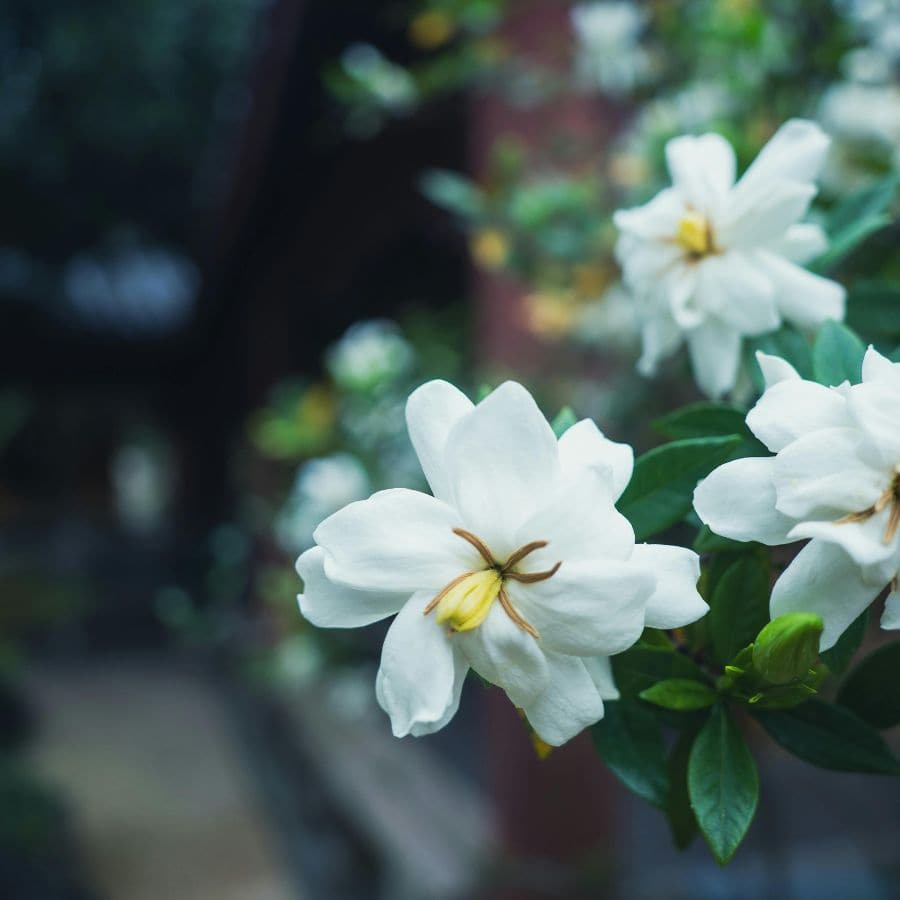
These fragrant flowers can be picky about soil conditions . Coffee grounds provide both the acidity and nitrogen these plants need to produce those memorable blooms.
5. Camellias: Caffeine for Faster Flowers
Camellias respond really well to coffee grounds. A light coffee ground mulch can speed up flowering and enhance their glossy foliage. Just don’t overdo it, even plants can get stressed.
6. Roses: Protection and Perfection
Roses can be demanding, but they’re worth it. Coffee grounds offer them two benefits: nutrients and natural pest protection. The abrasive texture keeps slugs away from your prized blooms.
7. Hostas: Slug Defense System
Hostas need slug protection, or they’ll get eaten up quickly. Coffee grounds create a barrier that slugs won’t cross, while also feeding these shade-lovers the nutrients they need.
8. Lily of the Valley: Delicate But Determined
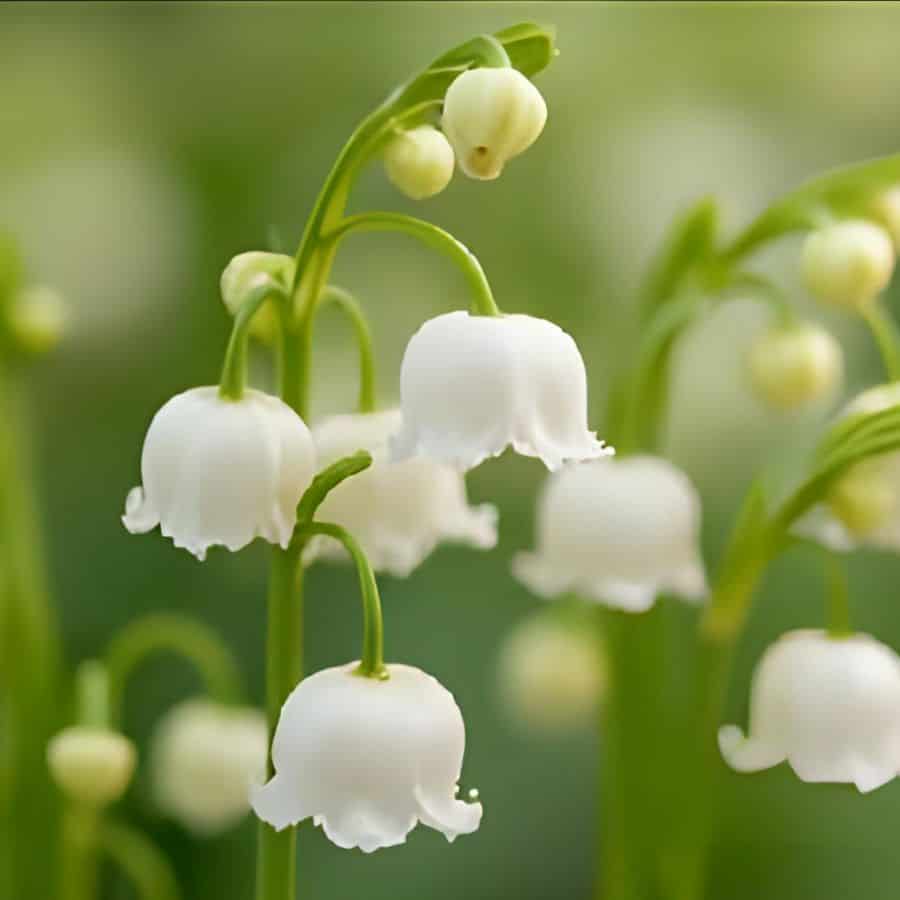
Don’t let their dainty appearance fool you. These woodland flowers efficiently extract nitrogen from coffee grounds, producing more bell-shaped flowers.
9. Begonias: Complete Nutrition Package
Begonias thrive on the NPK (nitrogen, phosphorus, potassium) ratio in coffee grounds. It’s like giving them a balanced meal that results in better blooming.
10. Marigolds: Double-Duty Defenders
Already effective pest deterrents, marigolds work even better with coffee grounds. Their bright orange and yellow blooms look even better with a light coffee ground amendment.
11. Daffodils: A Gentle Approach
The most common mistake with daffodils is over-amending. These spring favorites need just a light touch.
Mix a small amount of grounds into their potting soil for container-grown bulbs, and you’ll see earlier, stronger blooms.
4 Ways to Actually Use Those Grounds (Without Making a Mess)
- Compost Boosting: Coffee grounds are rich in nitrogen, turning your compost into better fertilizer. They can help compost heat up to 135°F, speeding decomposition by up to 30%.
- Soil Amendment: Mix grounds directly into poor soil to improve structure. They help with both drainage and water retention.
- Mulch Magic: Apply a thin layer (no more than ½ inch) around plants. Any thicker and you’ll create a water-repelling crust.
- Pest Protection: Create a coffee ground barrier around vulnerable plants. Slugs won’t cross this line. The texture is too abrasive for them.
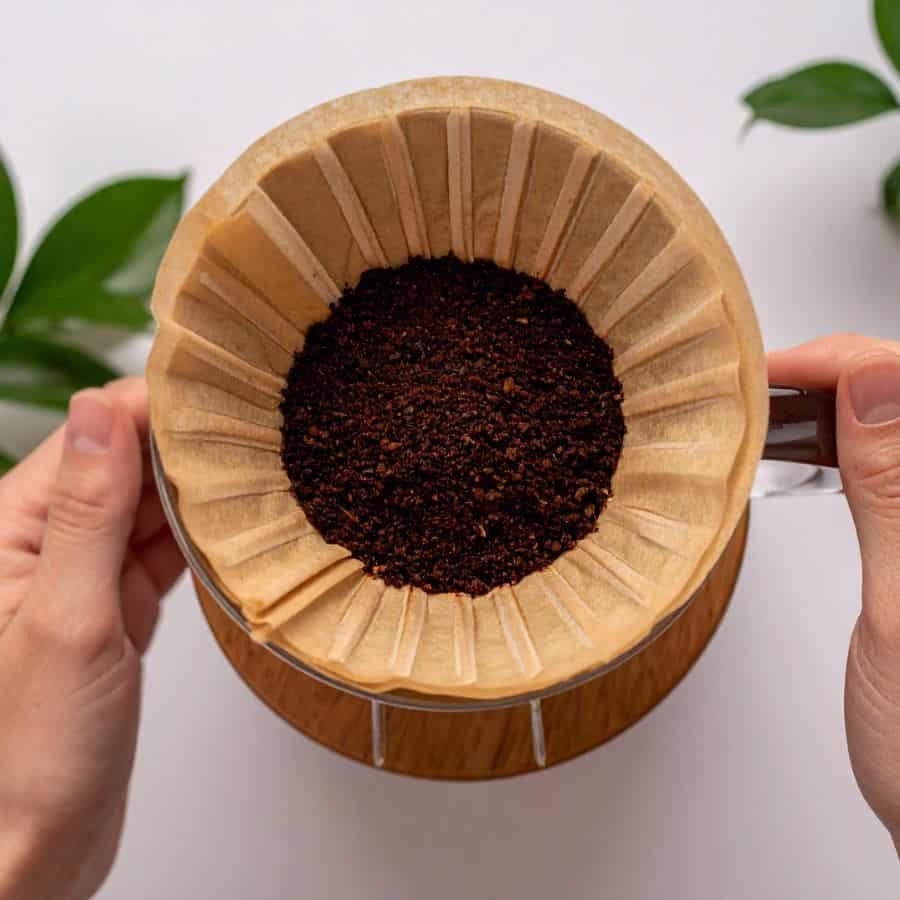
The difference between new and experienced gardeners often comes down to knowing these small tricks that turn “waste” into something useful. Your morning routine isn’t just fueling you. It could be helping your entire garden.
So before you throw out those grounds tomorrow morning, remember: your flowers can actually use what you’re about to toss. And giving your garden a free, organic boost is worth the extra minute it takes to sprinkle those grounds where they’ll do some good.