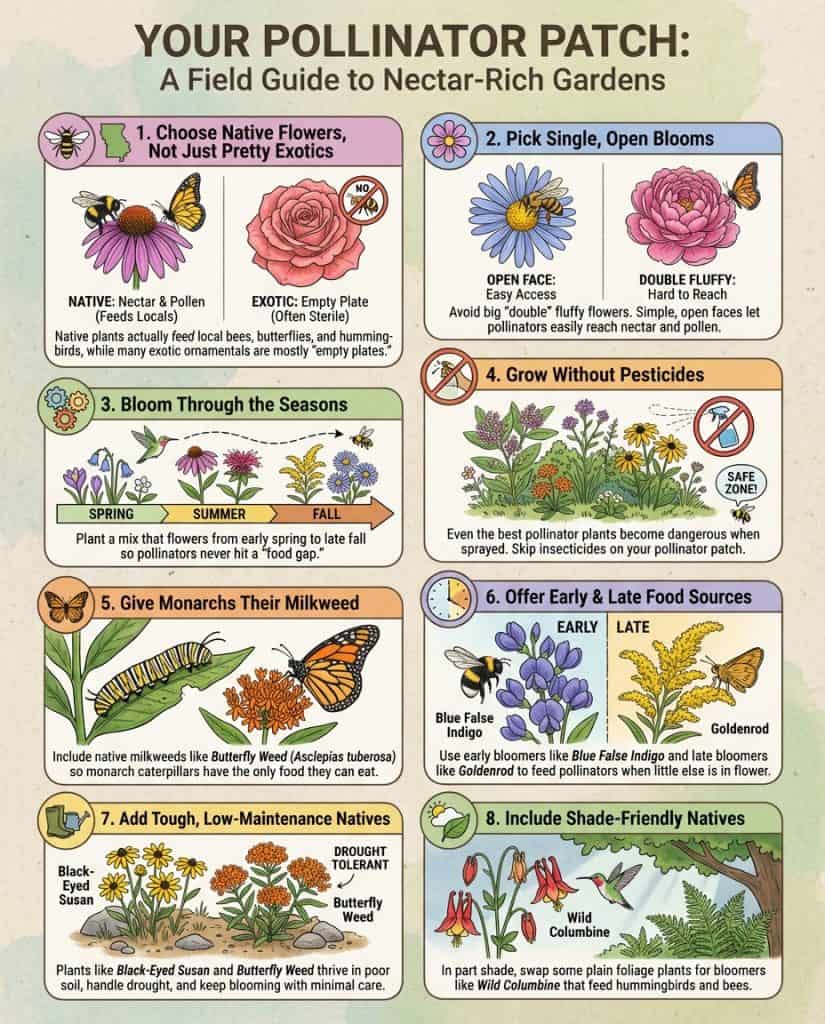
Ever wonder why some gardens buzz with life while others sit eerily quiet? Here’s what matters: your pretty exotic blooms might look nice, but they’re often leaving local pollinators with nothing to eat.
While they’re easy on human eyes, they don’t actually feed the wildlife that keeps our ecosystems running.
Let’s look at how native plants can turn your garden into a real food source for the pollinators that need it.
Why Your Exotic Flowers Are Letting Pollinators Down 🐝
Think of exotic ornamentals as those fancy restaurant dishes that look great but leave you hungry an hour later. They might be pretty, but they’re not doing much for our pollinators.
Native plants and local pollinators have a long evolutionary history together. This relationship created a good match between flower shapes and the feeding parts of pollinators. Bee tongues actually evolved to specific lengths to reach certain flowers.

I was surprised to learn that many exotic flowers offer almost no nutritional value to our local bees and butterflies. They’ve been bred for looks, not function.
Here’s why exotics often fall short:
• Wrong timing: Exotic blooms often flower when local pollinators aren’t active
• Wrong shape: Many exotic flowers have forms that block nectar and pollen access
• Wrong nutrition: Some exotics offer weak nectar or protein-poor pollen
• Wrong connection: Without co-evolution, pollinators don’t recognize exotic blooms as food
With natural habitats shrinking fast (we’ve lost 97% of wildflower meadows in some regions), your garden isn’t just decoration anymore. It’s a critical wildlife habitat.
What Makes a Native Flower a Pollinator Powerhouse?
Not all flowers are equal when it comes to feeding pollinators. The difference between new and experienced gardeners is knowing which flowers actually feed wildlife, rather than just looking nice.
For a native plant to really work as a pollinator magnet, it needs:
• Single, open blooms: Those fancy double flowers block access to hungry pollinators
• Extended bloom times: Plants that flower for weeks or months provide reliable food
• High-quality nectar and pollen: Nectar provides energy while pollen offers protein and fats
• Pesticide-free growing conditions: Even the perfect flower becomes deadly when treated with chemicals
Your garden can be more than just pretty. It can be functional and alive with pollinators.
10 Native Plants That Outperform Exotic Blooms
1. Black-Eyed Susan (Rudbeckia hirta)
This bright yellow flower is reliable and always blooms. It thrives in zones 3-9 with almost no maintenance, spreads naturally, and attracts everything from tiny native bees to butterflies.
The best part is how this hardworking flower keeps blooming when others have given up.
2. Blue False Indigo (Baptisia australis)

This perennial blooms in early spring when pollinators really need food. Its deep blue flowers feed important early-season bees. Zones 3-9 gardeners will love this drought-tolerant plant that outlives most others in your garden.
3. Butterfly Weed (Asclepias tuberosa)
This bright orange member of the milkweed family is essential for monarch butterflies. Their caterpillars literally cannot survive without it. This drought-tolerant plant thrives in zones 3-9, and deer won’t touch it. Despite the name, it’s not a weed. It’s a butterfly lifeline.
4. Wild Columbine (Aquilegia canadensis)
Many shade gardens are filled with hostas and miss the pollinators entirely. Wild columbine brings nodding red and yellow blooms to woodland edges and partial shade in zones 3-8. Its nectar spurs are designed perfectly for hummingbird tongues.
5. Goldenrod (Solidago spp.)
This misunderstood native flower deserves more credit. No, it doesn’t cause allergies (that’s ragweed). What goldenrod actually does is provide essential fall fuel for countless bee species when little else is blooming.
Across zones 3-9, this late-season plant supports more than 100 butterfly and moth species.
6. Joe-Pye Weed (Eutrochium purpureum)
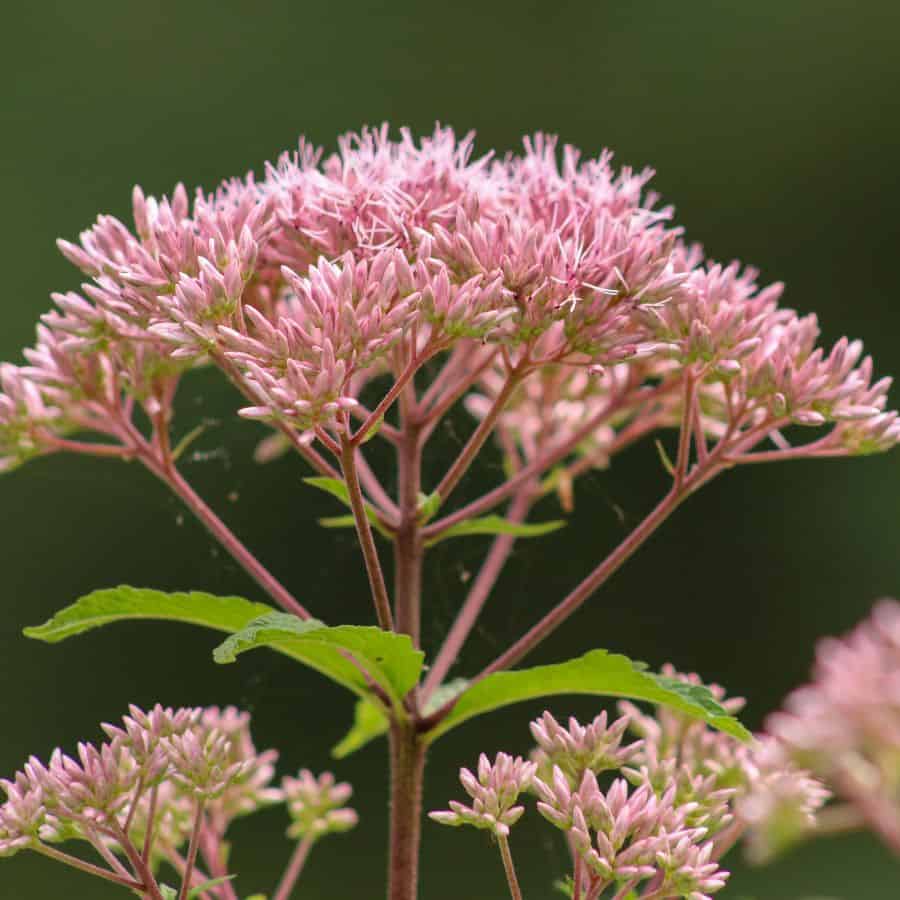
When summer gardens start to fade, this tall plant (up to 7 feet) steps in with large flower clusters. Thriving in zones 4-9, even in part shade, its dusky pink blooms attract swallowtails, monarchs, and bees.
Like goldenrod, this “weed” is actually a sophisticated food source for declining pollinator populations.
7. New England Aster (Symphyotrichum novae-angliae)
In the fall, when monarchs are migrating south, they need fuel. New England aster’s purple blooms serve as important food sources across zones 4-8.
Pair it with goldenrod for a lovely autumn display that’s as functional as it is pretty. Your garden could actually help monarchs complete their 3,000-mile migration.
8. Penstemon digitalis (Beard Tongue)
These white flower spikes work well for specialized bees that have evolved alongside them. They adapt to poor soils and drought in zones 3-8. They’re low-maintenance with real ecological value. Watch as long-tongued bees visit to access their nectar.
9. Purple Coneflower (Echinacea purpurea)
Beyond its medicinal uses, this prairie native offers a three-season show: summer flowers for bees and butterflies, fall seedheads for goldfinches, and winter structure. Gardeners in Zones 3-9 can enjoy this drought-tolerant plant that blooms for months with little care.
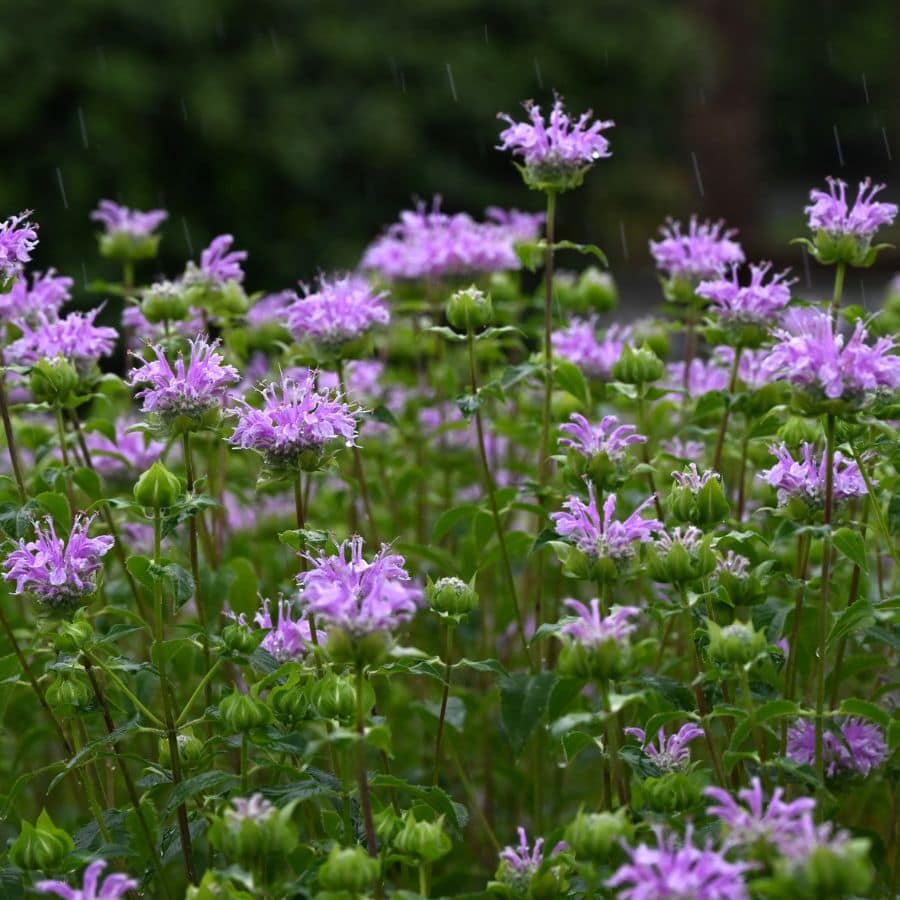
10. Wild Bergamot (Monarda fistulosa)
This aromatic mint relative creates a pollinator gathering spot that lasts for weeks. Its lavender pom-pom blooms attract native bees, butterflies, and hummingbirds across zones 3-9.
As a bonus, its leaves make good tea. While exotic bee balm varieties may struggle with powdery mildew, this native version has natural resistance.
From Food Desert to Pollinator Paradise: Your Action Plan
Ready to help your garden support more wildlife? Start by adding just 3 native plants this season. You’ll be surprised at how quickly the pollinators find your new food sources.
Remember, a magnificent garden isn’t just seen. It’s heard buzzing, fluttering, and humming with life.
Your local ecosystem needs better plant choices. The real trick isn’t exotic rarities. It’s the natives that have fed our pollinators for thousands of years.
Let’s improve our landscapes one native flower at a time. Your garden isn’t just yours. It’s an important habitat in a fragmented world where every flowering plant can make the difference between survival and starvation for our pollinators.