Your garden could be hosting hundreds of butterflies right now. If only you knew the secret plants they’re desperately searching for.
Here’s a shocking fact: butterfly populations have declined by 80% in some regions simply because they can’t find the right flowers to fuel their survival.
But here’s the game-changer most gardeners don’t realize: creating a butterfly paradise is easier than growing tomatoes, and twice as rewarding.
These 13 spectacular plants don’t just attract butterflies. They create a living, fluttering masterpiece that’ll have your neighbors wondering if you hired a nature magician.
Think of butterflies like tiny, flying jewels searching for their perfect treasure chest. Give them what they crave, and they’ll transform your garden into something that rivals any botanical wonderland.
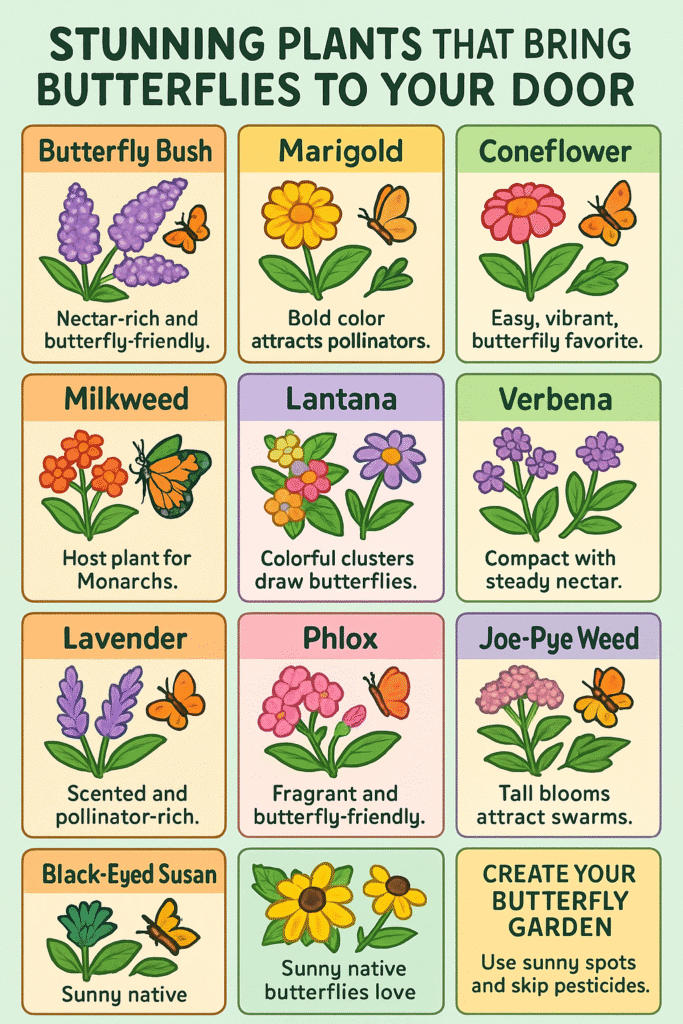
1. Butterfly Bush: The Ultimate Butterfly Buffet
The butterfly bush (Buddleja davidii) isn’t called the butterfly bush for nothing. It’s like setting up an all-you-can-eat nectar bar that’s open from summer through fall.
Those gorgeous cone-shaped flower clusters aren’t just pretty; they’re butterfly landing strips packed with liquid gold.
I was shocked to discover that a single mature butterfly bush can attract over 50 different butterfly species in one season.
The fragrant blooms come in purple, pink, white, and yellow, creating a rainbow buffet that butterflies spot from hundreds of feet away.
2. Marigold: The Cheerful Butterfly Beacon
Marigolds (Tagetes spp.) are like the friendly neighborhood diner for butterflies, bright, welcoming, and always serving something delicious.
These vibrant orange, yellow, and red blooms are practically neon signs screaming “nectar here!” to every butterfly within miles.
The secret most plant experts won’t tell you is that marigolds pull double duty: they attract butterflies while repelling garden pests. It’s like having a bouncer who only lets the good guys into your garden party.
3. Coneflower: The Butterfly Landing Pad Champion
Coneflowers (Echinacea spp.) are nature’s perfect butterfly airports. Those prominent central cones create the ideal landing platform, while the surrounding petals offer easy access to nectar-rich rewards.
These hardy perennials are like the reliable friend who’s always there when you need them, blooming from midsummer to fall, thriving in drought, and asking for almost nothing in return. Your butterflies will thank you, and so will your water bill.
4. Zinnia: The Summer-Long Butterfly Festival
Zinnias (Zinnia elegans) throw the longest butterfly party of the season, with flat, open blooms that scream “welcome!” in every color imaginable.
From bold reds and oranges to soft pinks and purples, they’re like a butterfly nightclub that never closes.
The game-changer for your zinnia success isn’t what you think. These annuals are so easy to grow from seed that even kids can create a butterfly wonderland in just 8 weeks.
5. Milkweed: The Monarch Lifeline
Here’s something that’ll blow your mind: Milkweed (Asclepias spp.) is a matter of life or death for monarch butterflies. Without it, monarchs cease to exist. This isn’t just a pretty flower. It’s a species rescue mission happening in your backyard.
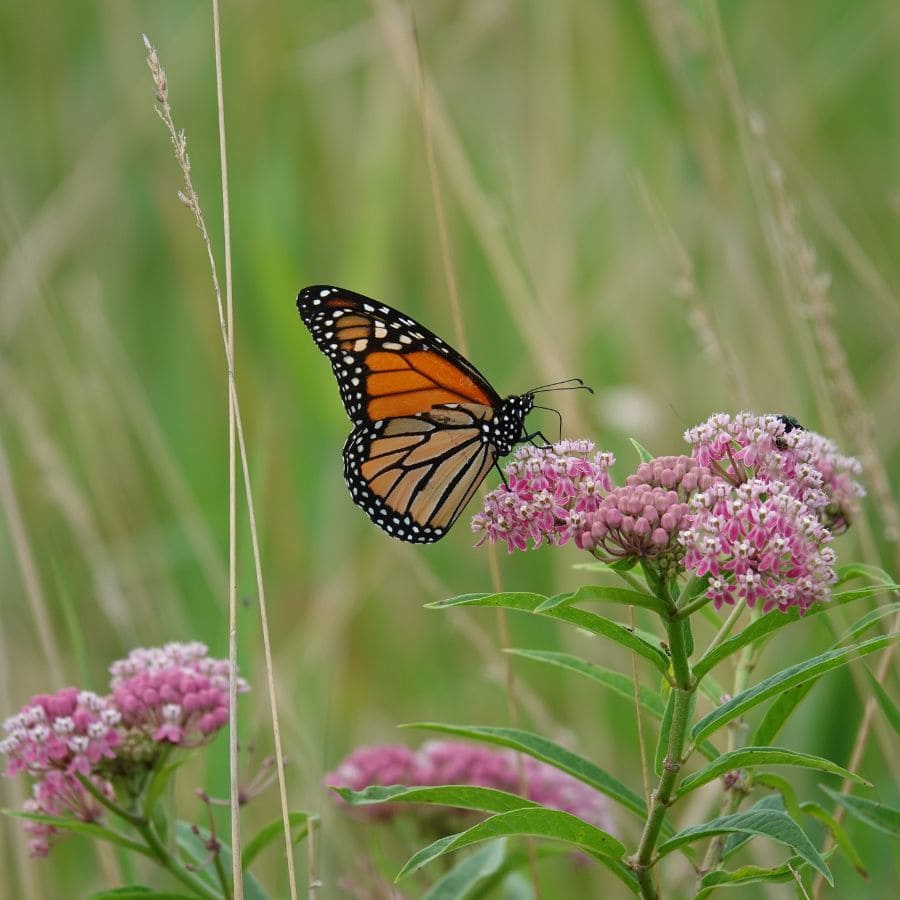
Female monarchs will travel miles to find milkweed because it’s the only plant their caterpillars can eat.
Plant milkweed, and you’re not just attracting butterflies. You’re participating in one of nature’s most incredible migration stories.
6. Lantana: The Color-Changing Butterfly Magnet
Lantana (Lantana camara) is like a mood ring for your garden. Its flower clusters change colors as they age, creating a mesmerizing display that butterflies find irresistible. This tropical beauty endures heat and drought while serving up nectar from spring to fall.
Most people make this mistake with their lantana: they overwater it. The truth? This tough customer thrives on neglect and rewards your hands-off approach with more blooms than you can count.
7. Aster: The Migration Fuel Station
Asters (Symphyotrichum spp.) are the unsung heroes of the butterfly world. When other flowers call it quits for the season, asters are just getting started, providing crucial nectar for butterflies preparing for their incredible journeys south.
Think of asters as the last gas station before a 2,000-mile road trip. Without these late-blooming lifesavers, many butterflies wouldn’t have the energy reserves needed for survival.
8. Verbena: The Drought-Defying Butterfly Diner
Verbena (Verbena spp.) serves up clusters of tiny, tubular flowers like a butterfly tapas bar – small bites, big flavor, endless variety.
These tough customers keep the nectar flowing from spring through fall, even when other plants struggle in the heat.
Your verbena is trying to tell you something important: less water equals more blooms. This counterintuitive plant actually produces more nectar when slightly stressed.
9. Lavender: The Fragrant Butterfly Spa
Lavender (Lavandula spp.) creates a sensory experience that attracts butterflies and gardeners alike.
Those purple flower spikes aren’t just gorgeous. They’re packed with nectar and surrounded by an intoxicating fragrance that butterflies can detect from incredible distances.
The difference between amateur and pro butterfly gardeners is simply this: they know lavender thrives in poor soil and dry conditions. Forget everything you know about pampering plants; lavender thrives on rough conditions.
10. Phlox: The Sweet-Scented Butterfly Beacon
Phlox (Phlox spp.) releases its sweet perfume into the evening air like a dinner bell for butterflies. Those dense flower clusters create perfect landing platforms while delivering some of the richest nectar in the garden.
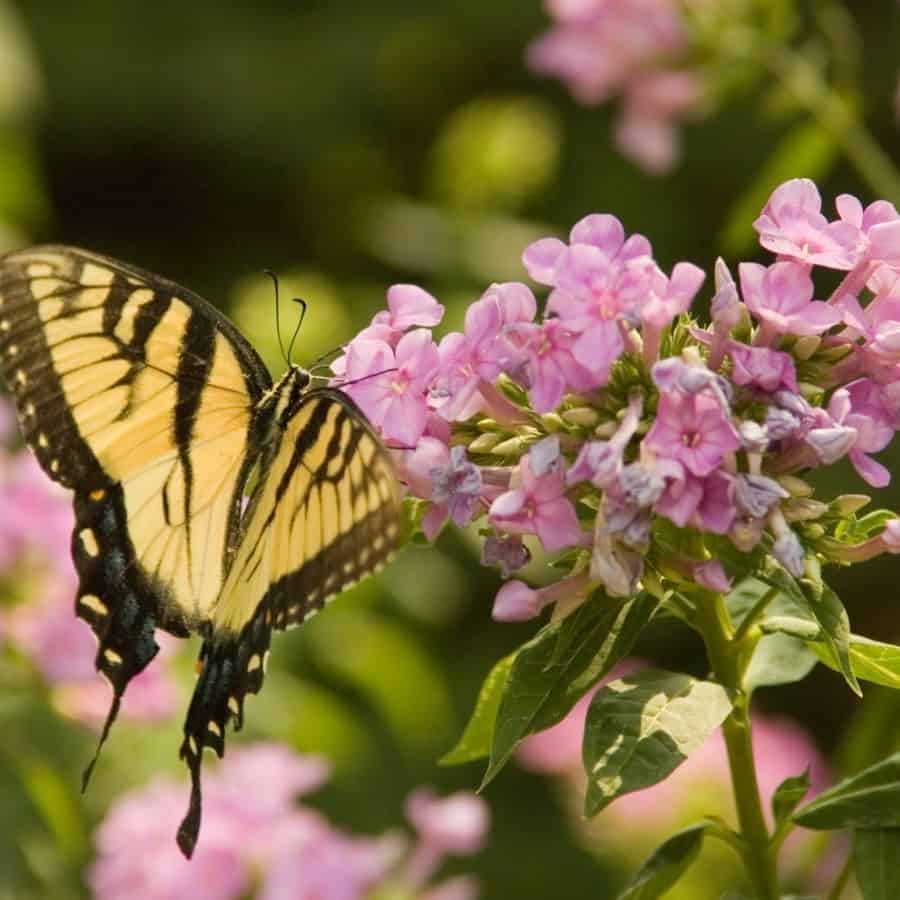
Here’s a revelation most gardeners miss: Phlox attracts night-flying moths and day-active butterflies, giving you twice the pollinator power for your effort.
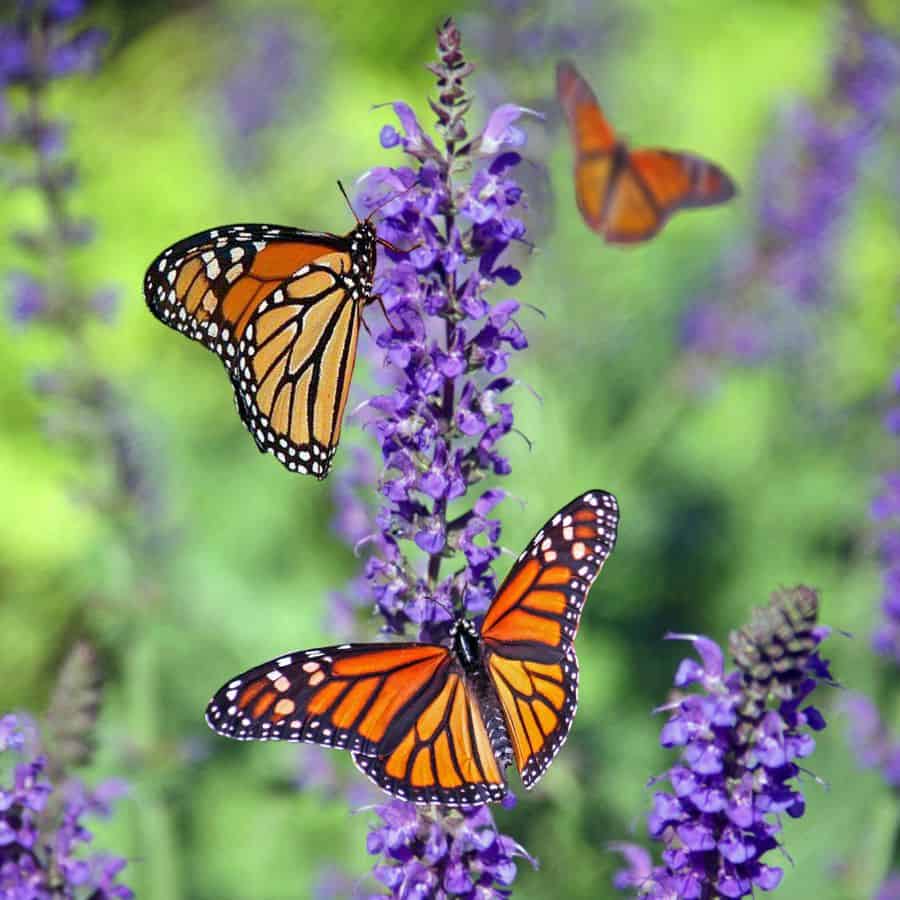
11. Salvia: The All-Season Butterfly Cafeteria
Salvia (Salvia spp.) is like the versatile chef of the butterfly garden. It serves up nectar in tubular flowers perfectly sized for butterfly tongues, and it keeps the kitchen open longer than almost any other plant.
It’s a butterfly rainbow that never ends, with colors ranging from deep blues to vibrant reds.
The key to success with salvia is choosing varieties with different bloom times. Plant early, mid, and late-season types for a continuous nectar conveyor belt that keeps butterflies returning all season long.
12. Joe-Pye Weed: The Towering Butterfly Skyscraper
Joe-Pye weed (Eutrochium spp.) is the gentle giant of the butterfly world, reaching 6 feet tall and topped with massive clusters of pink or purple flowers that butterflies can spot from airplane distances. This native beauty provides crucial late-season fuel when butterflies need it most.
Don’t let the name fool you; This “weed” is a sophisticated butterfly magnet that makes other flowers look like amateurs. One plant can feed dozens of butterflies simultaneously.
13. Black-Eyed Susan: The All-American Butterfly Classic
Black-eyed Susan (Rudbeckia hirta) is America’s sweetheart of the butterfly garden. Those cheerful yellow petals with dark centers are like sunshine with a landing strip attached.
This reliable native blooms for months, asking for almost nothing while giving butterflies everything they need.
Here’s what makes black-eyed Susans spectacular: they’re virtually bulletproof plants that thrive in conditions that would stress other flowers into submission. Plant them once, enjoy butterflies forever.
Creating Your Butterfly Paradise
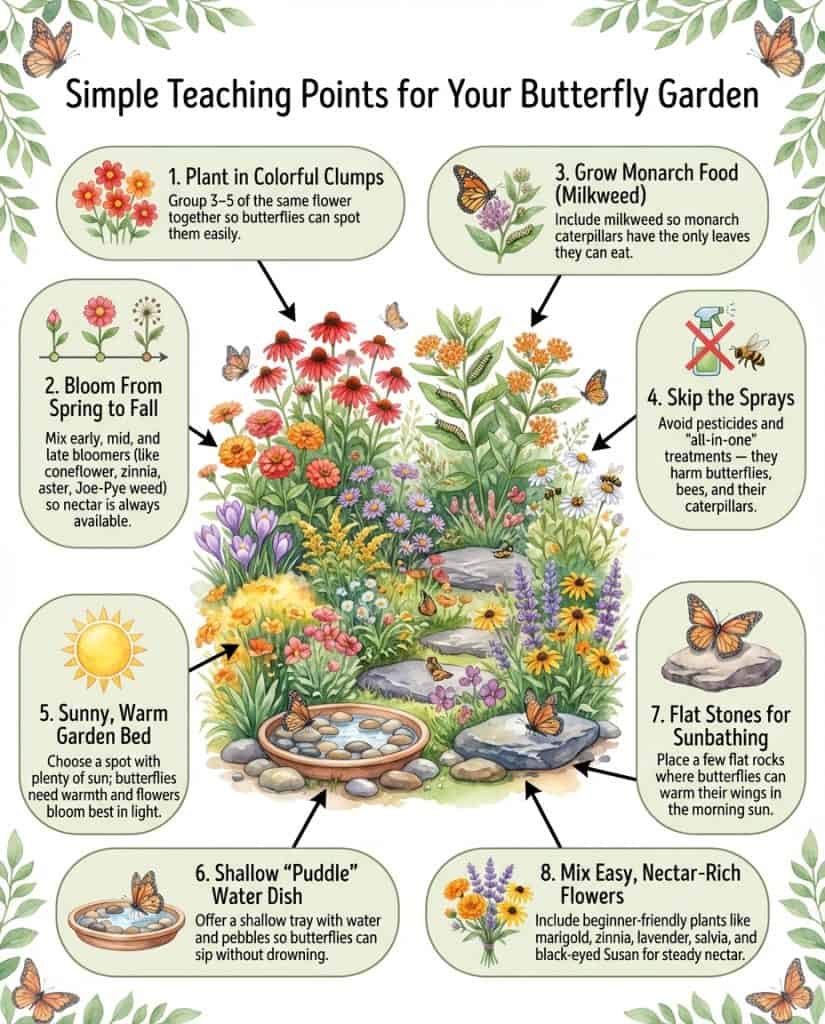
The breakthrough secret to butterfly garden success isn’t complicated plant care. It’s important to understand that butterflies need clusters, not scattered singles. Plant groups of the same species together to create visual targets that butterflies can find.
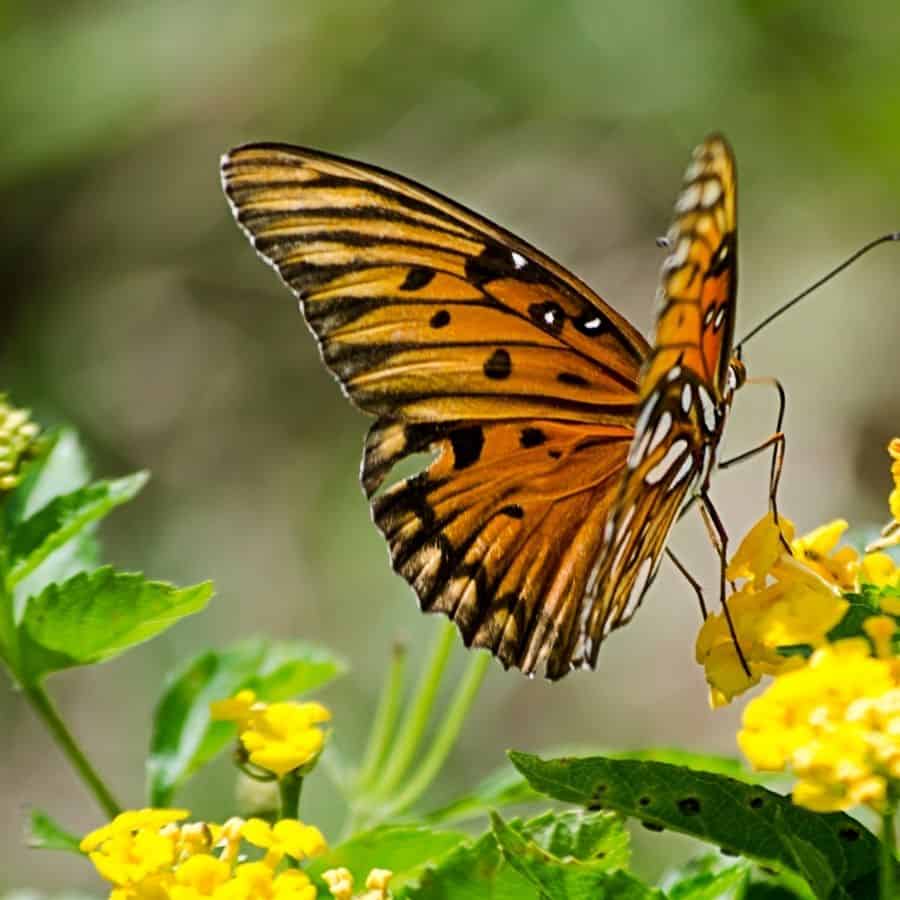
Add flat stones for butterfly sunbathing and shallow-water sources with landing spots. Most importantly, ditch the pesticides completely. They’re the silent killers that can destroy your butterfly dreams faster than you can say “spray bottle.”
Your butterfly garden will become a living masterpiece that changes throughout the day and season. Once you’ve experienced the magic of dozens of butterflies dancing through your flowers, you’ll wonder why you ever settled for a regular garden.