Sick of watching your garden fizzle out after one season? The secret most plant experts won’t tell you is that you can create a spectacular, ever-evolving display with almost zero annual replanting.
These 11 superhero perennials don’t just survive. They thrive for decades, turning your garden into a legacy of color that might just outlive your mortgage!
Garden Immortals: Perennials That Last 50+ Years
Forget what you’ve heard about needing to replant your garden every spring. These botanical marathoners are the ultimate investment for the lazy (or brilliantly efficient) gardener.
1. Peonies: The Garden Aristocrats (50+ Years)
These dramatic bloomers aren’t just gorgeous. They’re practically immortal. Many peonies have been documented blooming in the same spot for over 100 years!
Their sturdy underground root systems store energy like a botanical savings account.
- Plant eyes only 1-2 inches below soil (deeper = fewer blooms)
- Skip heavy fertilizers. These plants prefer a modest diet
- Support those massive blooms to prevent flopping
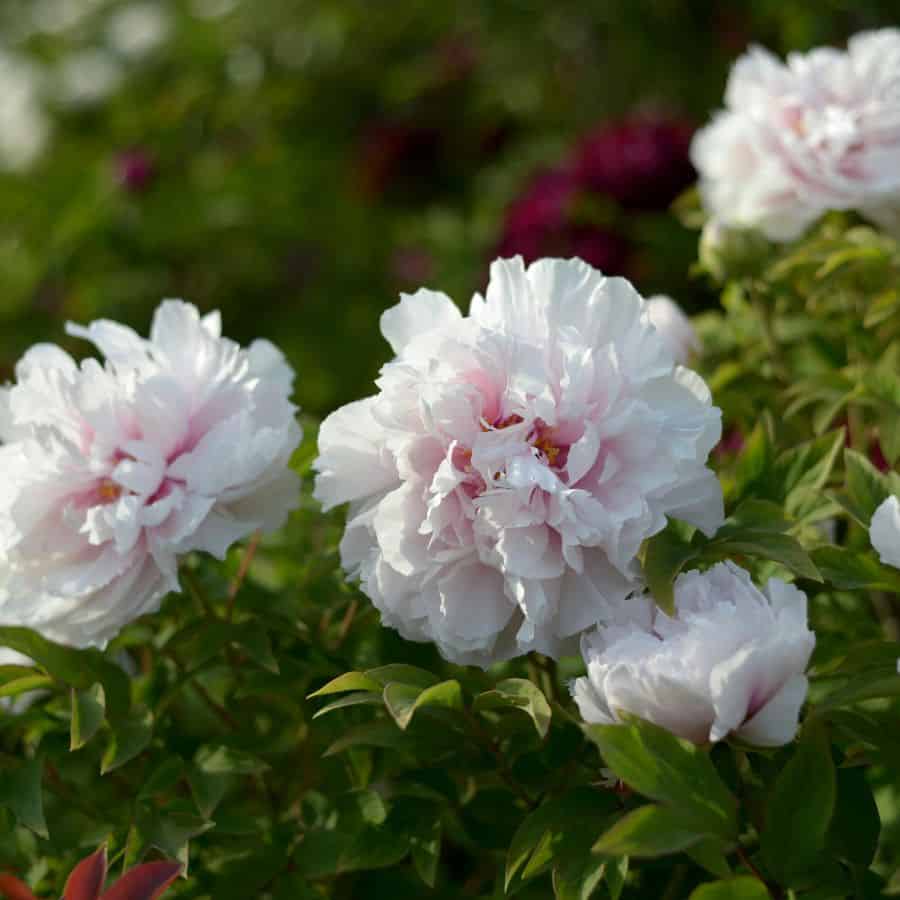
Quick aside: My grandmother’s peonies have outlasted three family homes and are still producing flowers that could make a bride weep with joy!
2. Coneflowers: The Prairie Survivors (20+ Years)
These native powerhouses laugh in the face of drought. The game-changer for your coneflowers isn’t what you think. It’s actually leaving them slightly neglected. Too much coddling and rich soil can reduce their lifespan!
- Deadhead for more blooms or leave seedheads for hungry goldfinches
- Divide every 3-4 years to maintain their vigor
3. Daylilies: The Virtually Indestructible (30-40 Years)
If plants could earn merit badges for survival, daylilies would be Eagle Scouts. These flowering machines produce dozens of buds per plant, creating weeks of color despite each bloom lasting just 24 hours (hence their name).
- Available in almost every color except true blue
- Thick, fleshy roots store nutrients and water like natural reservoirs
- Some gardeners report that the same clumps have thrived for 40+ years!
4. Siberian Iris: The Elegant Survivors (20+ Years)
I was shocked to discover that these refined-looking plants are actually iron-tough beneath their delicate appearance. Like supermodels who can also deadlift 300 pounds, Siberian irises combine beauty with shocking resilience.
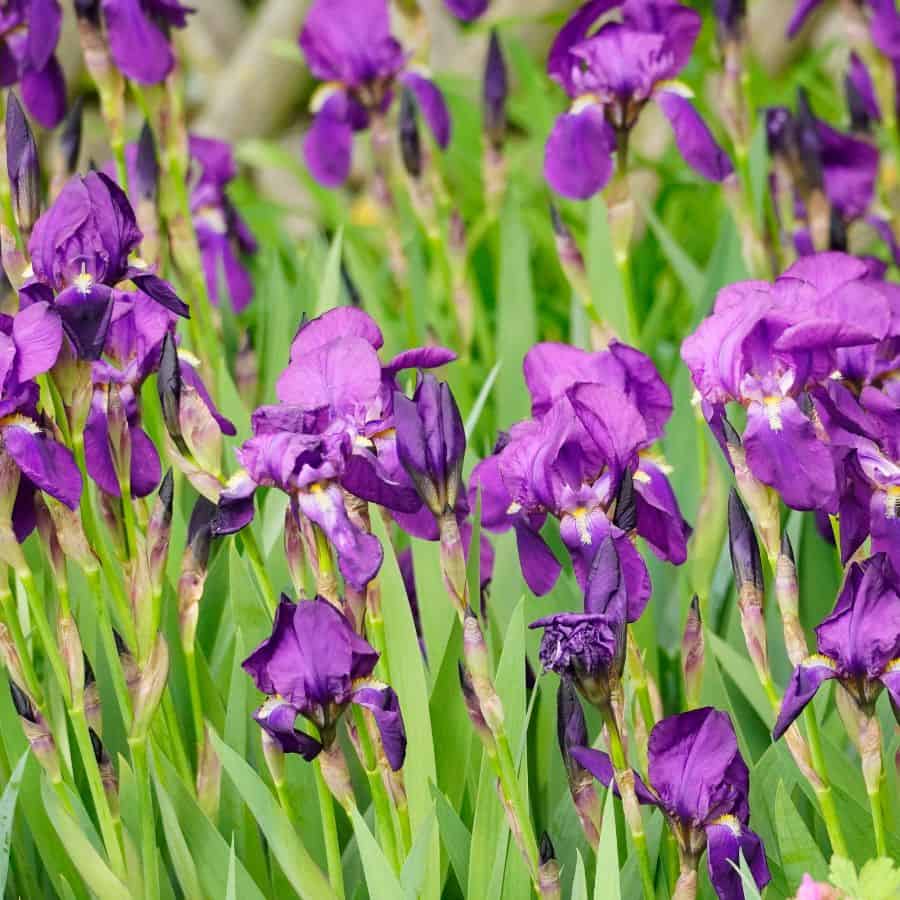
- Tolerate everything from heavy clay to sandy soil
- Only need division about once per decade
- Look gorgeous even after blooming ends
Shade-Loving Legacy Plants
5. Bleeding Heart: The Springtime Drama Queens (20+ Years)
With dangling heart-shaped blooms that look like they belong in a fairy tale, these shade-lovers create spring magic year after year. Their fleshy roots act as underground bunkers, helping them survive through decades of changing conditions.
- Plant once and never disturb (they hate being moved)
- Provide mulch to keep the soil cool and moist
- Don’t panic when they go dormant in summer. They’re just napping!
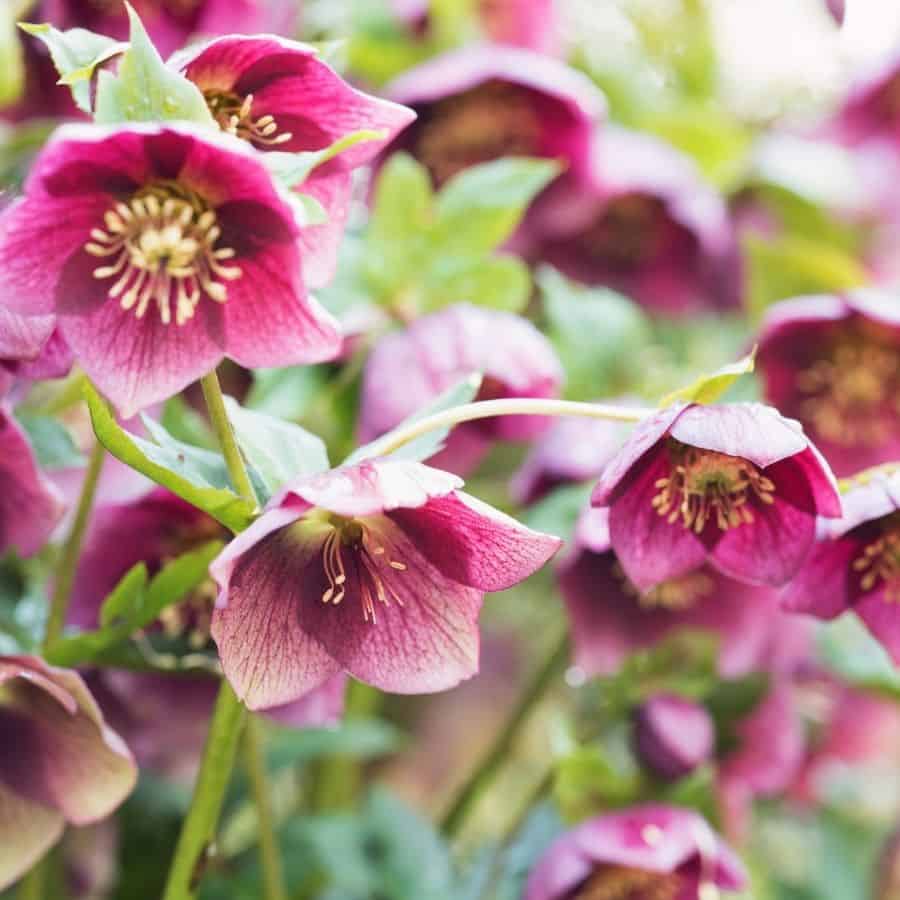
6. Hellebores: The Winter Warriors (20+ Years)
Your garden is trying to tell you something important when everything else looks dead in February: “Plant hellebores!” These tough-as-nails bloomers (often called Lenten roses) sometimes flower while poking through snow.
- Nearly indestructible once established
- Evergreen foliage provides year-round structure
- Remove old leaves in late winter to showcase new blooms
Confession time: I once completely neglected my hellebores for three years during a home renovation, and they not only survived but flourished. They’re like the houseguests who clean your kitchen while you’re away!
Sun-Loving Perennial Champions
7. Black-Eyed Susan: The Cheerful Self-Spreader (10+ Years)
These sunny native flowers are garden optimists, spreading joy (and seeds) wherever they grow. While individual plants may live 5-7 years, they self-seed so effectively that your garden will showcase their golden blooms for decades.
- Perfect for mass plantings in sunny spots
- Deadhead to control spreading or leave seeds for birds
- Divide every few years to rejuvenate
8. Sedum: The Succulent Survivors (15+ Years)
The difference between amateur and pro plant parents is simply knowing which plants thrive on neglect, and sedums top that list. These water-wise succulents laugh at drought and poor soil that would kill lesser plants.
- Ensure excellent drainage (they hate wet feet)
- Provide full sun for the best flowering
- Enjoy winter interest from dried flower heads
9. Baptisia: The Once-and-Done Wonder (30+ Years)
Most people make this mistake with their Baptisia: they try to move it after planting. Don’t!
These statuesque false indigo plants develop taproots up to 12 feet deep, making them virtually permanent garden residents and nearly impossible to transplant.
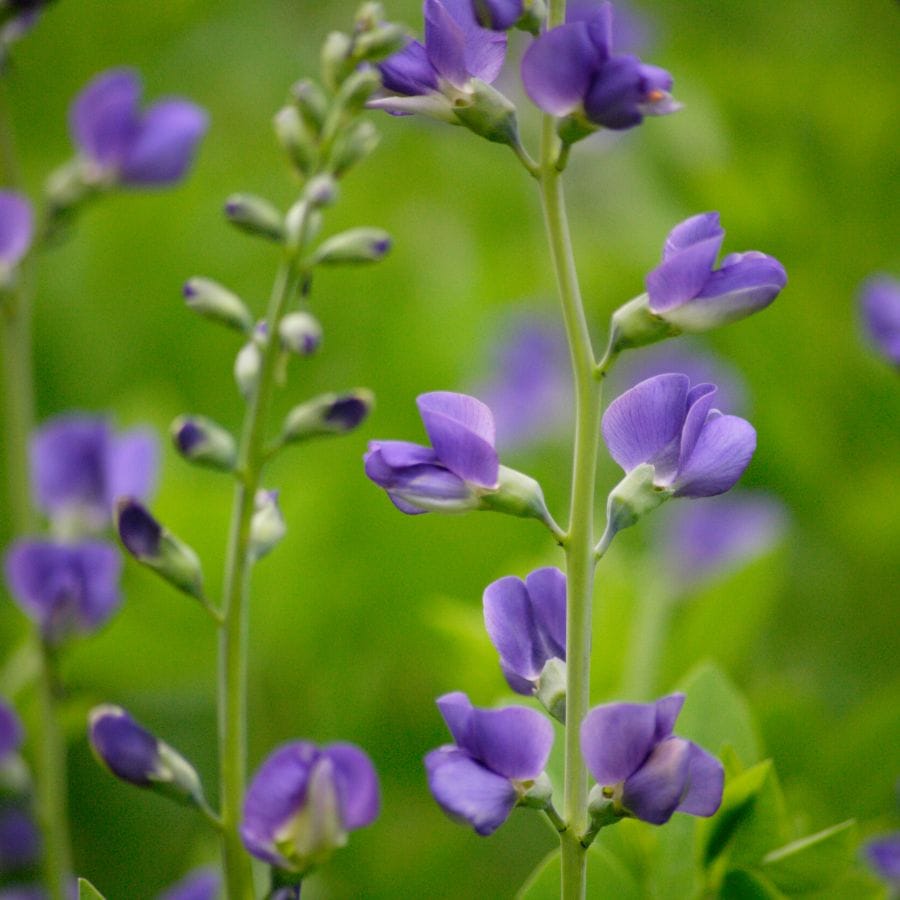
- Slow to establish but worth the wait
- Requires zero maintenance once established
- Drought-resistant thanks to those deep roots
Versatile Long-Lasting Bloomers
10. Coral Bells: The Foliage Superstars (10+ Years)
While their delicate flower spikes are lovely, Heuchera’s true glory is in the stunning foliage that transforms shade gardens.
With modern varieties in burgundy, lime, caramel, purple, and silver, they’re like living jewelry for your garden beds.
- Mulch to protect shallow roots
- Divide every few years when centers become woody
- Perfect for containers and edge plantings
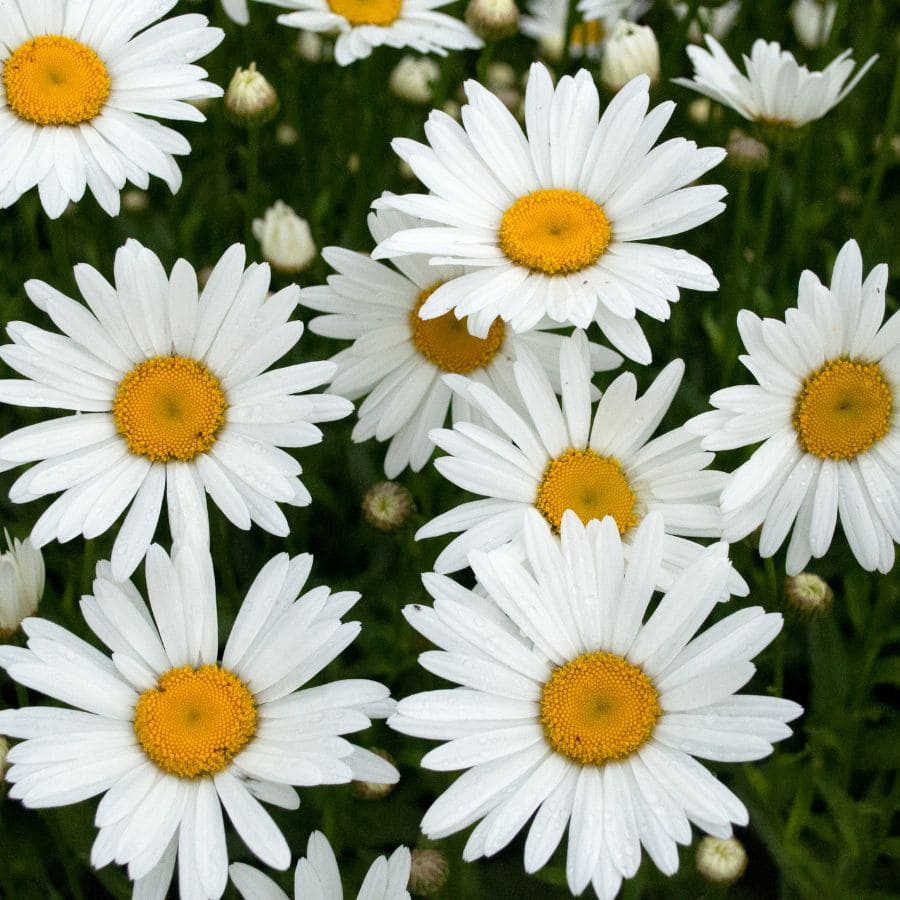
11. Shasta Daisy: The Classic Cutflower (10+ Years)
Sometimes the classics endure for a reason. These bright white daisies with sunny yellow centers have been garden staples for generations because they deliver dependable blooms with minimal care.
- Deadhead regularly to extend the blooming season
- Divide every 3-4 years to maintain vigor
- Attract butterflies and make excellent cut flowers
Why These Forever Flowers Are Garden Game-Changers
Did you know that the average gardener spends over $100 each year on annual flowers that die after one season? These long-lived perennials deliver serious return on investment:
- Save hundreds (even thousands) on plants over time
- Create a consistent structure and color year after year
- Support pollinators and beneficial insects with a familiar habitat
- Require dramatically less maintenance once established
- Increase your property’s value with mature plantings
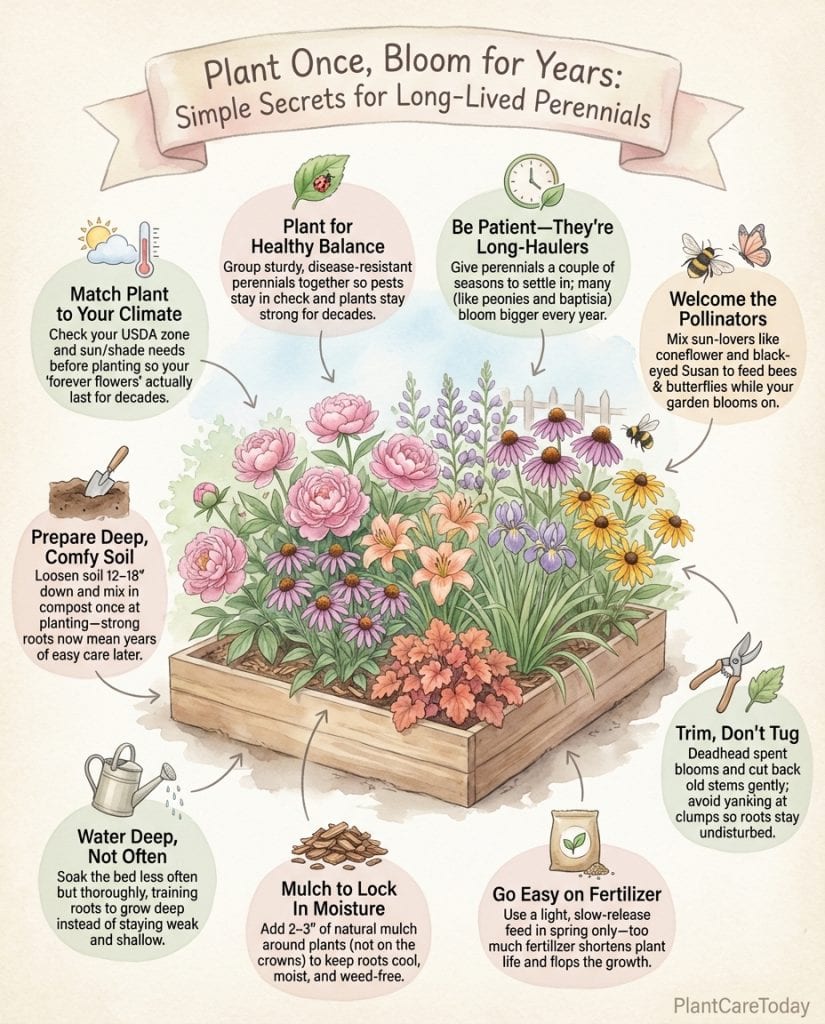
The Forever Garden Blueprint: Making Perennials Last Decades
Want to transform your garden into a self-sustaining paradise? Follow these non-negotiable rules:
- Match plants to your climate zone (fighting nature is a losing battle)
- Prepare the soil thoroughly before planting (like building a house foundation)
- Water deeply but infrequently to encourage deep roots
- Apply mulch to retain moisture and regulate soil temperature
- Avoid excessive fertilizer (it can actually shorten the lifespan of perennials!)
The true miracle of these perennials isn’t just their longevity. It’s how they flourish while demanding so little.
Plant these botanical survivors once, and you’ll enjoy vibrant, evolving beauty that might just outlast your time in your home. Gardening doesn’t get more efficient than that!