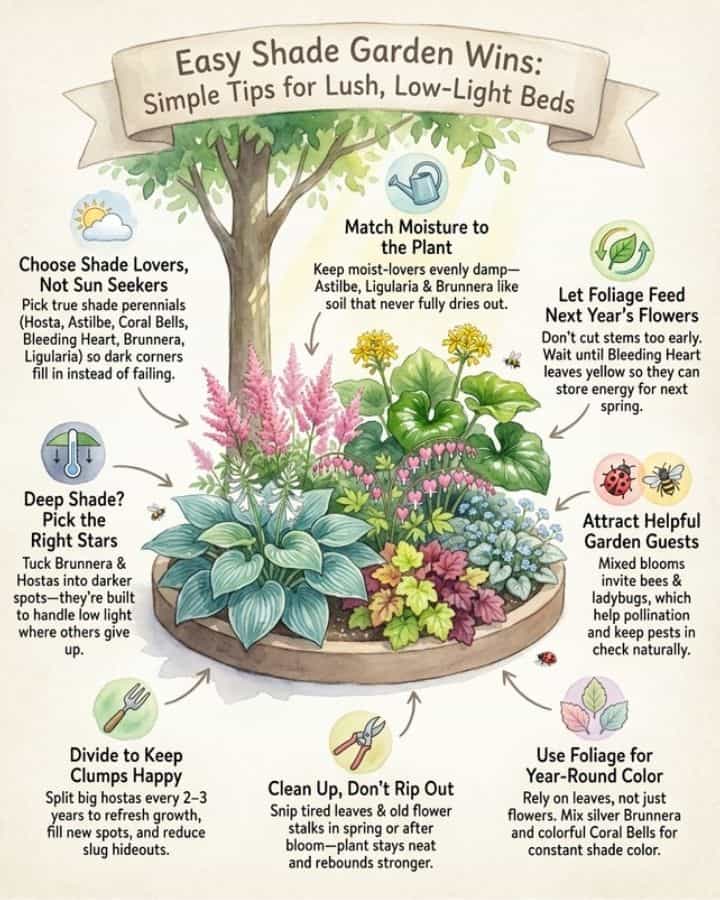
Tired of staring at those bare corners of your garden where nothing seems to grow? The answer for your shaded garden might surprise you.
While most gardeners chase the sun, experienced plant parents know the real value of shade perennials. Those tough plants that don’t just survive but actually thrive where others struggle.
Forget what you’ve heard about perennials being unreliable. I’m about to introduce you to the best shade perennials that return faithfully year after year, transforming those forgotten shadows into some of the nicest parts of your garden.
Why Your Garden’s Dark Side Deserves Attention
Shade perennials aren’t just plan B for problem spots. They’re genuinely great plants. Properly selected shade perennials can reduce your garden maintenance by up to 30% compared to sun-loving varieties.
That’s because they’ve adapted to flourish with less water and slower growth patterns.
These plants work wonders in your landscape by:
• Filling those awkward dark corners that make your garden look incomplete
• Creating lush undergrowth beneath trees and tall structures
• Thriving in a surprising range of climate conditions with minimal fuss
• Providing texture, color, and interest where you thought nothing would grow
Once you discover how well these shade plants perform, you might find yourself creating more shaded areas just to show them off.
11 Shade Perennials That Won’t Let You Down
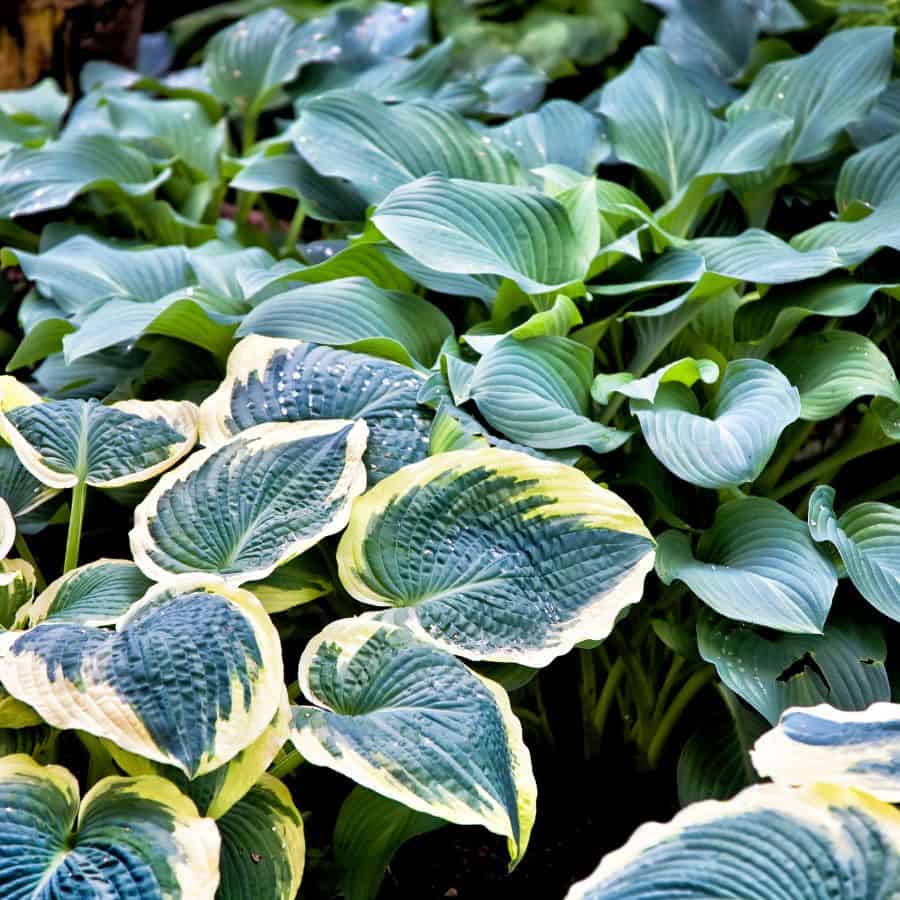
1. Hosta: The Shade Garden MVP
Hostas are the workhorses of the shade garden. These favorites from zones 3-9 deliver bold white blooms that stand out against their dramatic foliage.
What many people don’t realize is that hostas come in over 3,000 varieties, from miniatures to giants reaching 4 feet tall.
Pro Tip: Divide hostas every 2-3 years to rejuvenate growth and keep slugs from turning them into an all-you-can-eat buffet.
2. Astilbe: The Vertical Drama Queen
Astilbes are perfect for zones 4-9. Their feathery plumes in red, white, pink, and purple add height and movement to shaded beds. These plants transform moist, partly shaded environments from boring to beautiful.
Pro Tip: Keep soil consistently moist and cut back after flowering for the best display next season.
3. Coral Bells (Heuchera): The Colorful Chameleon
I was surprised to learn that Coral Bells actually display more colorful foliage in shade than in the sun.
These zone 4-9 plants offer year-round interest with leaves in bright lime, burgundy, silver, and almost every color except true blue. Their delicate flower spikes hovering above are just a bonus.
Pro Tip: Trim away tired foliage in spring and pair with foam flowers for a nice combination.
4. Bleeding Heart: Nature’s Living Valentine
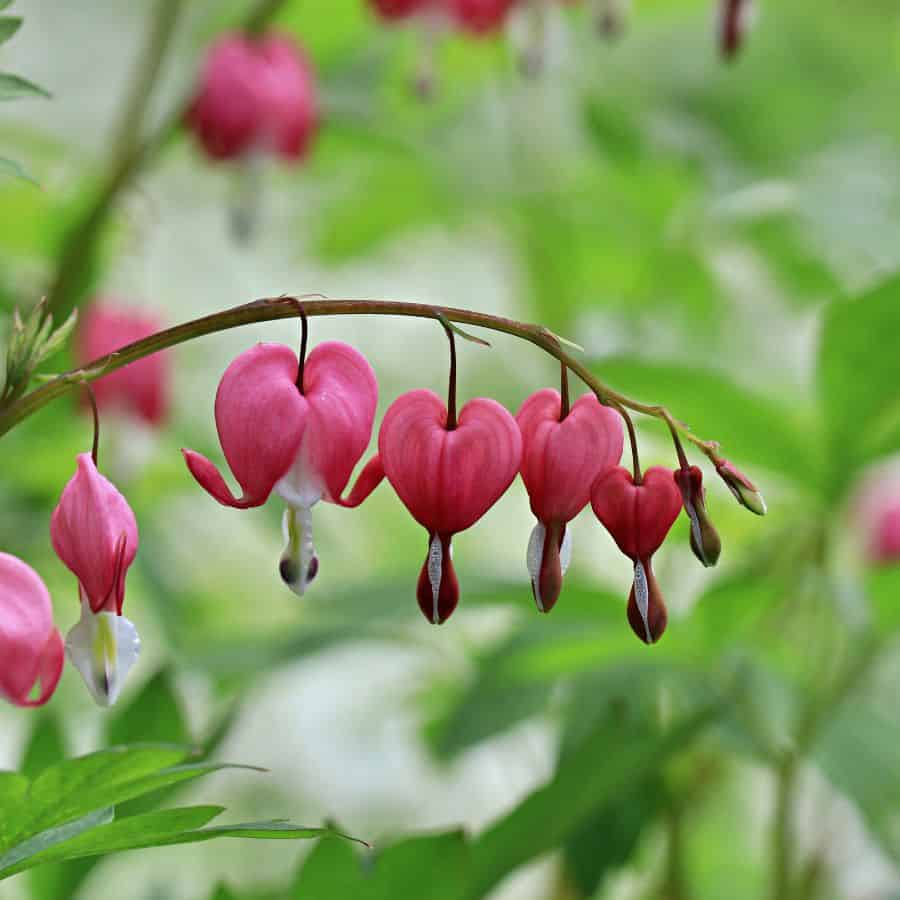
Bleeding Hearts (zones 3-9) steal the show with heart-shaped blooms dangling like delicate earrings from arching stems. They’re unassuming until they burst into bloom, leaving everyone impressed.
Pro Tip: Resist the urge to cut back foliage until it yellows naturally. The plant is storing energy for next year’s show.
5. Brunnera: The Silver-Leafed Sophisticate
Brunneras are refined, reliable, and full of subtle beauty. Perfect for zones 3-8, their forget-me-not blue flowers dance above pretty silver-veined foliage.
The best part? They can flourish in deep shade where other perennials give up.
Pro Tip: These moisture-lovers will reward generous watering with lusher growth. Divide when clumps form to maintain vigor.
6. Ligularia: The Bold Statement-Maker
Ligularia combines enormous, glossy leaves with daisy-like yellow flowers in a combo that shouldn’t work but absolutely does. These zone 3-8 moisture-lovers are a dramatic focal point for your shade garden.
Pro Tip: Mulch heavily and water consistently. These plants will wilt dramatically if they dry out.
7. Foxglove: The Vertical Enchanter
Foxgloves (zones 3-8) shoot up like nature’s skyscrapers, with speckled, tubular blooms that attract hummingbirds and complement equally. Their self-seeding habit means they keep coming back in partial shade.
Pro Tip: Let them reseed naturally for a cottage-garden feel, or deadhead for more controlled blooming.
8. Hellebore: The Winter Wonder
The difference between new and experienced gardeners is knowing which perennials perform when others are dormant.
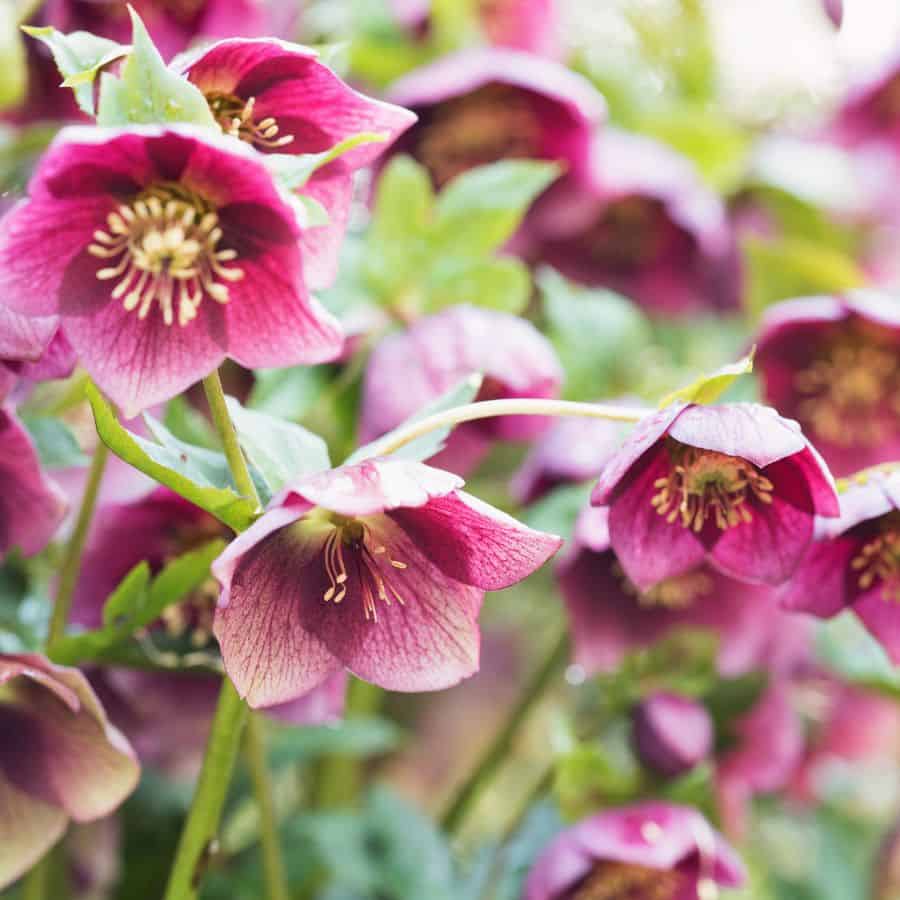
Hellebores (zones 4-9) bloom when the rest of the garden sleeps, often pushing through snow with their nodding, rose-like flowers. Their evergreen foliage looks good year-round.
Pro Tip: Remove old foliage in late winter to showcase those early blooms.
9. Japanese Forest Grass: The Flowing Fountain
Japanese Forest Grass (zones 5-9) moves like water in the garden, its arching golden or variegated blades catching even the faintest breeze. It’s the texture your shade garden needs .
Pro Tip: Protect from harsh midday sun and divide every 3-4 years to maintain that fountain-like form.
10. Virginia Spiderwort: The Resilient Rebel
Virginia Spiderwort (zones 3-9) might look delicate with its three-petaled jewel-toned flowers, but it’s tough. They’ll flourish in conditions that would make other perennials struggle – from dense shade to poor soil.
Pro Tip: Cut back hard mid-summer when they start looking tired for a fresh flush of foliage and possibly more blooms.
11. Sweet Woodruff: The Fragrant Ground Cover
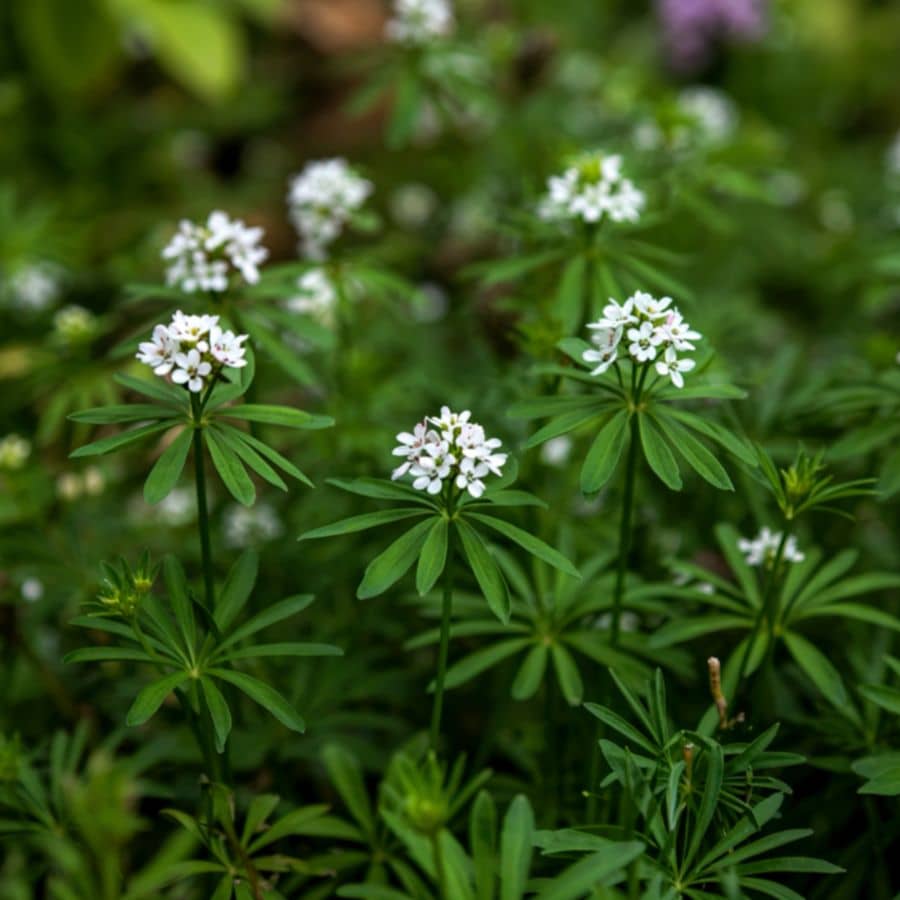
Those bare spots under trees are perfect for Sweet Woodruff. This zone 4-9 spreader creates a lush carpet of whorled foliage topped with star-shaped white flowers. When brushed against or after rain, it releases a lovely vanilla-hay scent.
Pro Tip: Control its enthusiastic spreading by dividing regularly. Your friends will appreciate the divisions.
From Sad Shade to Something Special
These 11 perennials aren’t just shade-tolerant. They actually prefer shade. While other plants demand perfect sun exposure, these tough plants turn limitations into advantages.
With the proper selection, those dark, forgotten corners will transform from garden problems into garden highlights.
Ready to improve your shade garden? Start with just 2-3 varieties that match your growing zone and soil moisture. Plant them this season, and by this time next year, you’ll be looking for more shady spots to fill.