September marks the start of summer winding down, but winter hasn’t arrived yet. Your perennials are probably sending confusing signals right now.
Should you cut them back or leave them alone? It actually matters more than you might think.
Trim the wrong plant, and you could hurt its chances of coming back strong in spring, or remove food sources that wildlife depends on.
Research shows that nearly 40% of garden problems in spring are due to improper fall maintenance. Let’s look at which plants need a September trim and which ones should keep their foliage until spring.
Why September Pruning Actually Matters
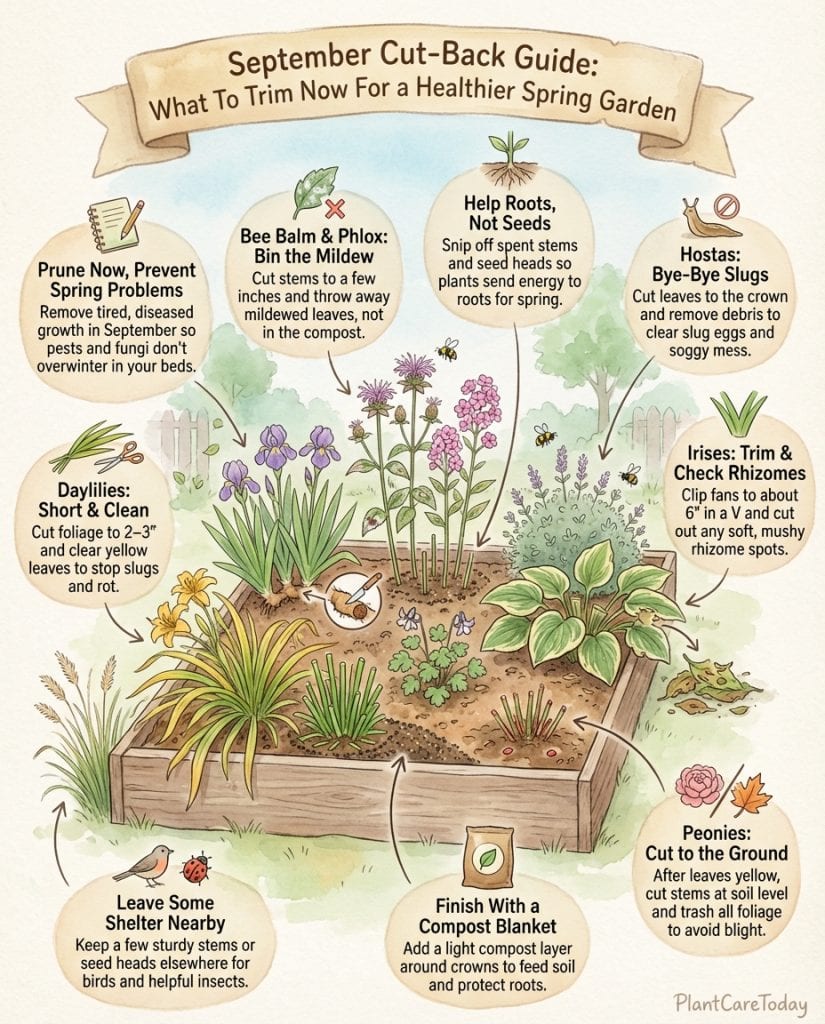
Before you grab your pruners, it helps to understand that September cutting isn’t just about keeping things tidy. It’s actually about plant health:
• Disease Prevention: Many perennials harbor fungal diseases and insect eggs in their dying foliage. A September cleanup removes these problems before they overwinter.
• Energy Management: Removing faded flowers and spent foliage helps plants send energy to their roots instead of wasting it on seed production.
• Rot Prevention: Better airflow around plant crowns prevents the soggy conditions that lead to crown rot, which kills a lot of perennials.
• Wildlife Support: Smart pruning balances neatness with providing winter habitat and food for birds and helpful insects.
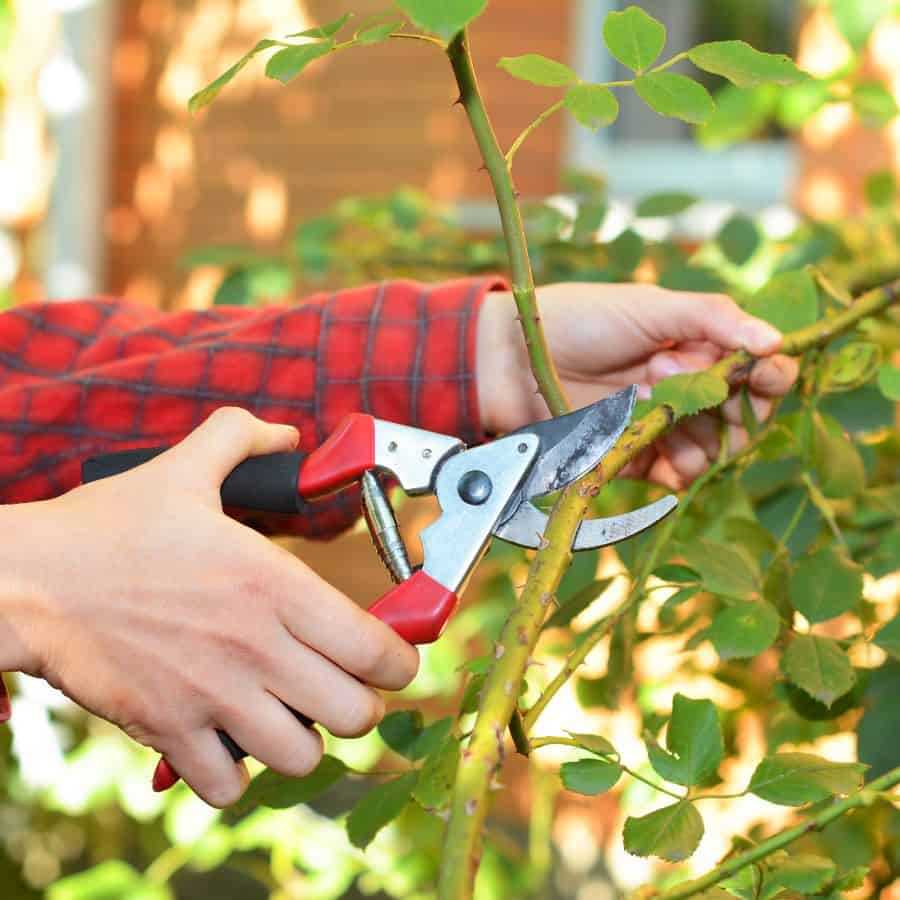
Think of September pruning like preparing your home for winter. You wouldn’t leave windows open or trash piled up, but you also wouldn’t throw out all your food before a snowstorm.
10 Perennials That Need a September Trim
These plants benefit from cutting back in the fall. Here’s how to handle each one:
1. Daylilies
By September, daylilies are usually collapsing with yellowing foliage that attracts slugs and fungal spores.
• Cut all foliage to 2-3 inches above the soil
• Remove any yellow or brown leaves completely
• Add a layer of compost on top
This helps them come back healthier next summer.
2. Bee Balm
Bee balm usually has powdery mildew by late summer. The real trick is September pruning.
• Trim stems to 3-4 inches above the crown
• Throw away infected leaves (don’t compost them)
This prevents spores from spending winter in your garden.
3. Tall Garden Phlox
Tall garden phlox looks nice, but struggles with mildew.
• Cut stems to 2-3 inches above soil
• Destroy any diseased foliage
• Add compost mulch to help build resilience for next year
4. Hostas
Most hostas look pretty beaten up by September, thanks to slug damage.
• Cut all leaves down to the crown
• Remove debris from the soil surface
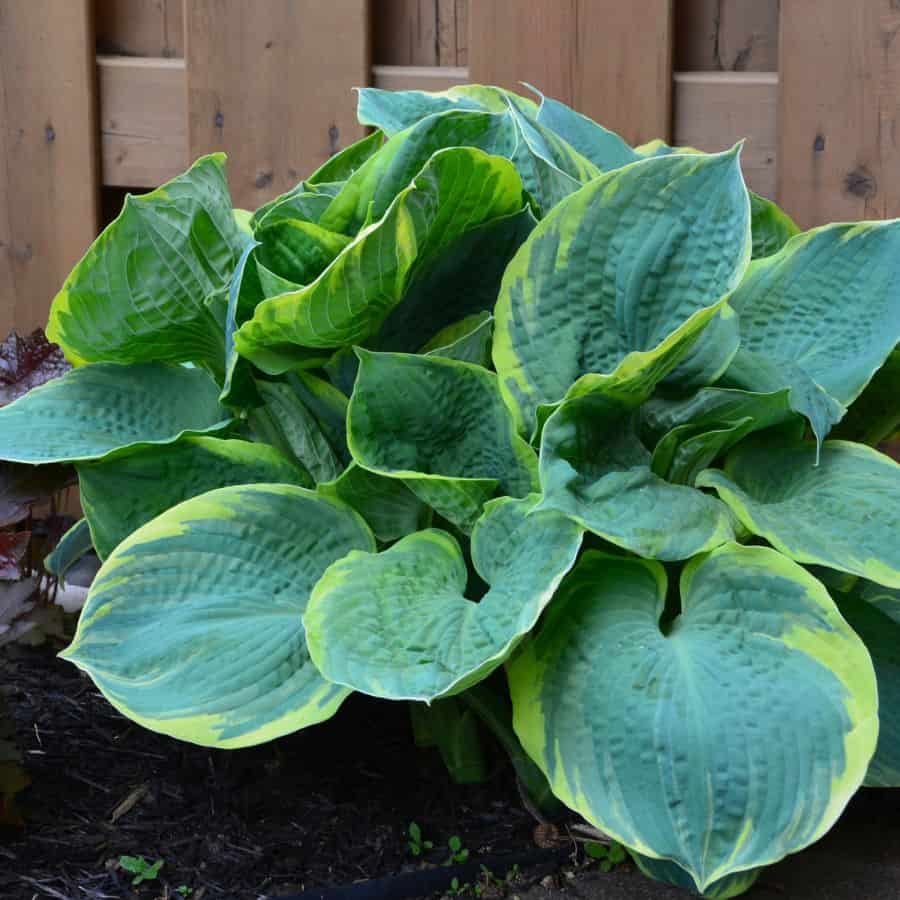
This gets rid of slug eggs and prevents rot during winter.
5. Bearded Irises
• Trim iris fans to 6 inches in a neat V-shape
• Check rhizomes for soft spots and cut away any mushiness with a clean knife
This prevents leaf spot and borers from overwintering. These plants do best with good air circulation and cleanliness.
6. Peonies
Peonies look sturdy, but they’re susceptible to botrytis blight.
• Cut stems to ground level after they turn yellow
• Throw away the foliage (don’t compost it)
This one step can make the difference between diseased, flowerless peonies and the dramatic blooms they’re known for.
7. Catmint
After months of flowering, catmint flops over pretty badly.
• Cut to 2-3 inches above the crown
• Remove all seed heads unless you want them spreading everywhere next year
You’ll often get a fresh flush of foliage before winter.
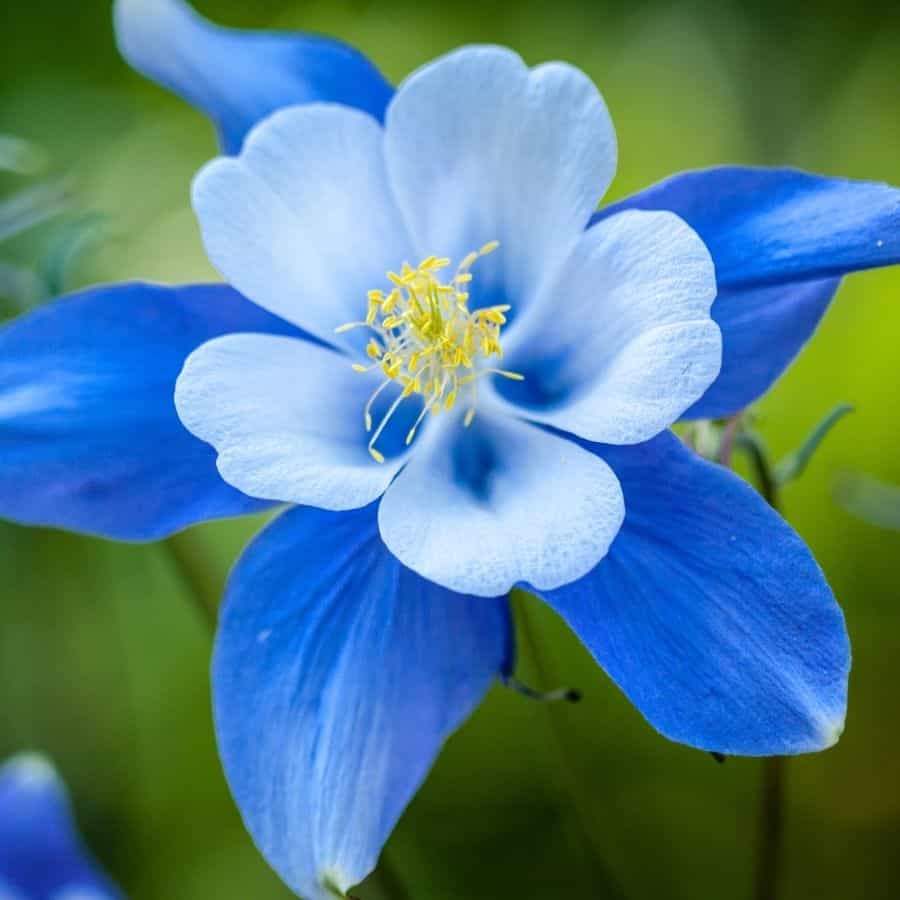
8. Columbine
Those squiggly lines on columbine leaves are leaf miner damage.
• Cut foliage down to 2-3 inches
• Discard affected leaves
This breaks the pest life cycle and prevents problems next spring.
9. Veronica (Speedwell)
Veronica’s nice flower spikes give way to mildew by September.
• Cut to 2 inches above soil
• Remove all faded flower spikes
• Add compost around crowns and water deeply to build root strength
10. Crocosmia
Once their bright blooms fade, Crocosmia leaves collapse onto nearby plants.
• Cut to 2 inches above the soil once leaves yellow
• Remove spent flower stalks
• In colder zones, add mulch to protect the corms
9 Perennials to Leave Alone Until Spring
Put those pruners down for these plants. They need their foliage intact through fall and winter for protection and to support wildlife.
1. Coneflowers
Those seedheads that look spent? They’re actually food for finches and other small birds. The sturdy stems also provide winter interest and shelter for helpful insects. Wait until late winter or early spring to clean up.
2. Black-Eyed Susans
Like coneflowers, these offer seed food for birds through winter. Their stems also shelter native pollinators. Spring is soon enough for trimming.
3. Sedum ‘Autumn Joy.’
September is when these succulents look their best. Their flower heads are just reaching peak color and will look nice for months, especially when frosted. The dried flower heads look pretty in winter – enjoy them until spring cleanup.
4. Ornamental Grasses
These plants reach their best appearance when backlit by winter sun or covered with frost. They also insulate their own crowns and provide habitat for wildlife. Wait until late February or March before cutting.
5. Lavender
Deep fall pruning can kill lavender. Those woody stems protect the crown from winter moisture and cold. Save pruning for spring when new growth starts, and you can clearly see where to cut.
6. Russian Sage
Those purple blooms often continue well into September, and the woody stems provide important crown insulation. Spring pruning prevents the winter dieback that often happens with fall cutting.
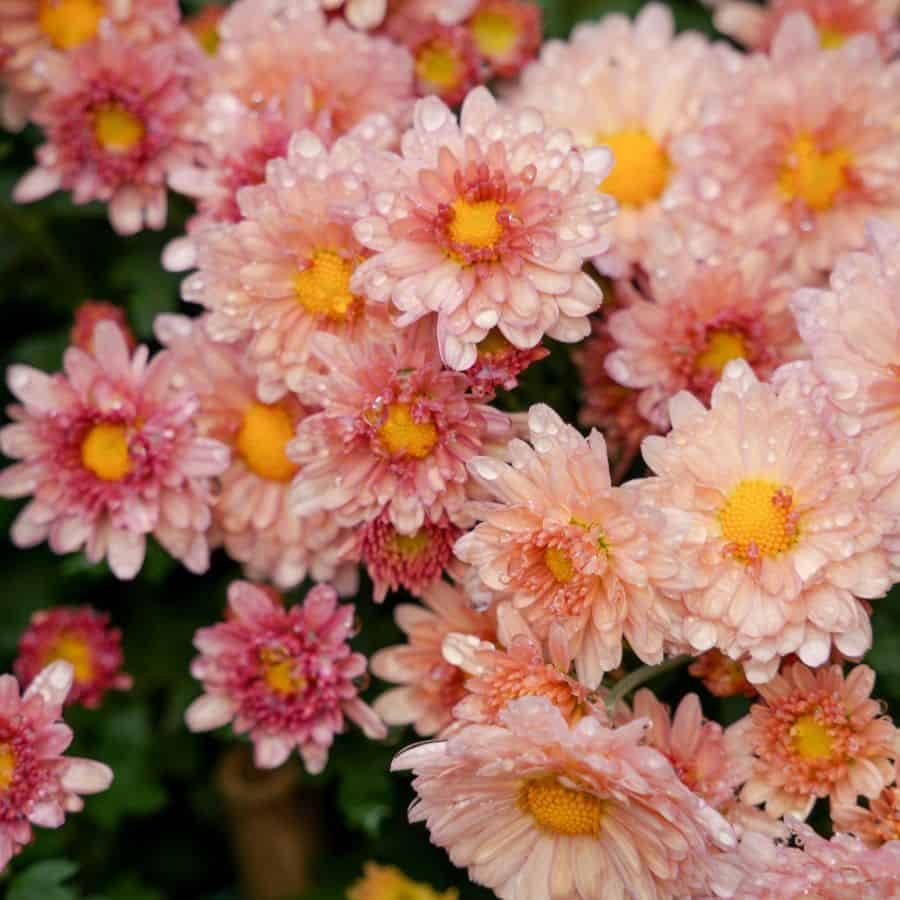
7. Chrysanthemums
Mums need their foliage as natural insulation through winter. Cutting back in September removes their winter protection right before cold weather hits. Wait until spring when new growth appears at the base.
8. Hellebores
Hellebores are forming next season’s flower buds in fall. Cutting now interrupts this process and removes the evergreen foliage that looks nice in winter. Save pruning for early spring, just before blooming begins.
9. Evergreen Perennials
Plants like Bergenia, Dianthus, and creeping phlox keep their foliage through winter on purpose. Their leaves are adapted to handle cold and continue photosynthesizing during winter warm spells. In spring, just remove any damaged portions.
How to Decide What to Cut
When you’re not sure whether to cut or keep a plant, ask yourself these three questions:
- Is the plant diseased or pest-infested? → Cut it back
- Does it provide winter interest or food for wildlife? → Leave it standing
- Will pruning now help it grow better in spring? → Consider cutting
The difference between new and experienced gardeners is knowing when to step in and when to let plants follow their natural cycles. Your garden isn’t just pretty flowers – it’s a working ecosystem that can struggle or do well based on your September choices.
Remember: Always use clean, sharp tools for any cutting. Water plants well after pruning. September is also a good time to divide overcrowded perennials after trimming them. Your spring garden starts with these thoughtful September decisions.