I used to grab whatever bag of dirt was on sale at the garden center. Soil is soil, right? WRONG.
That mindset killed more plants than I care to admit, and I’m betting you might be making the same mistake.
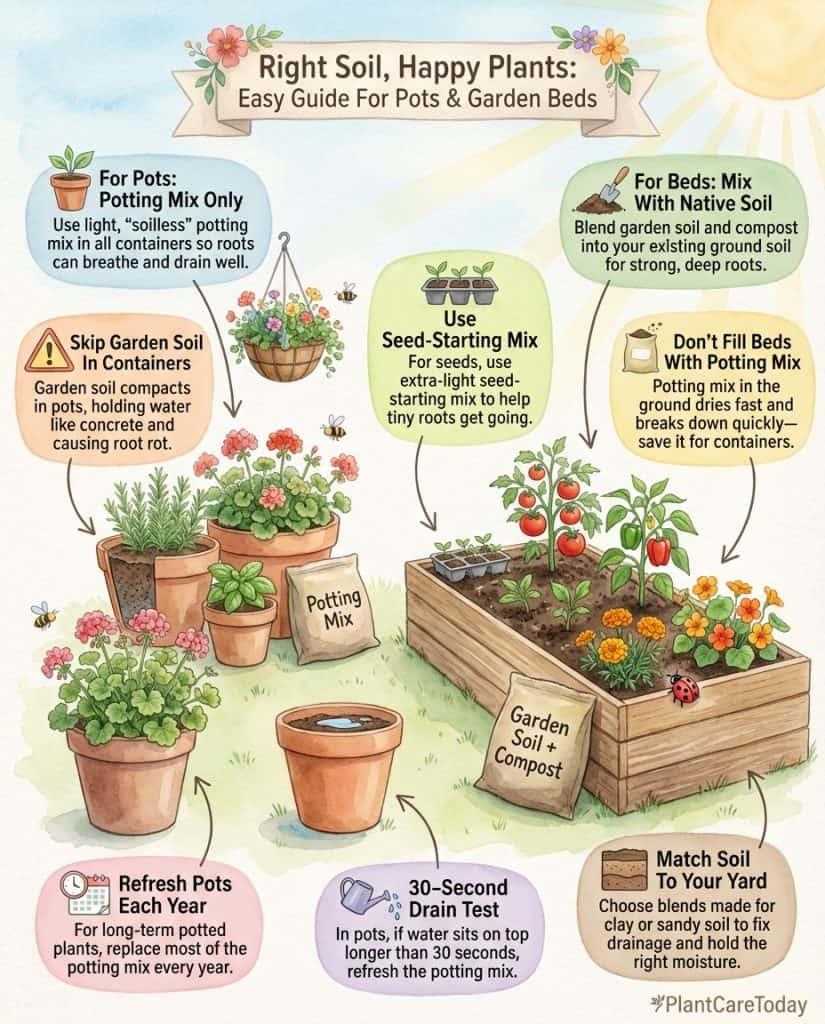
The game-changer for your garden isn’t fancy fertilizers or expensive tools. It’s understanding the crucial difference between potting soil and garden soil.
The Soil Mistake That’s Quietly Killing Your Plants
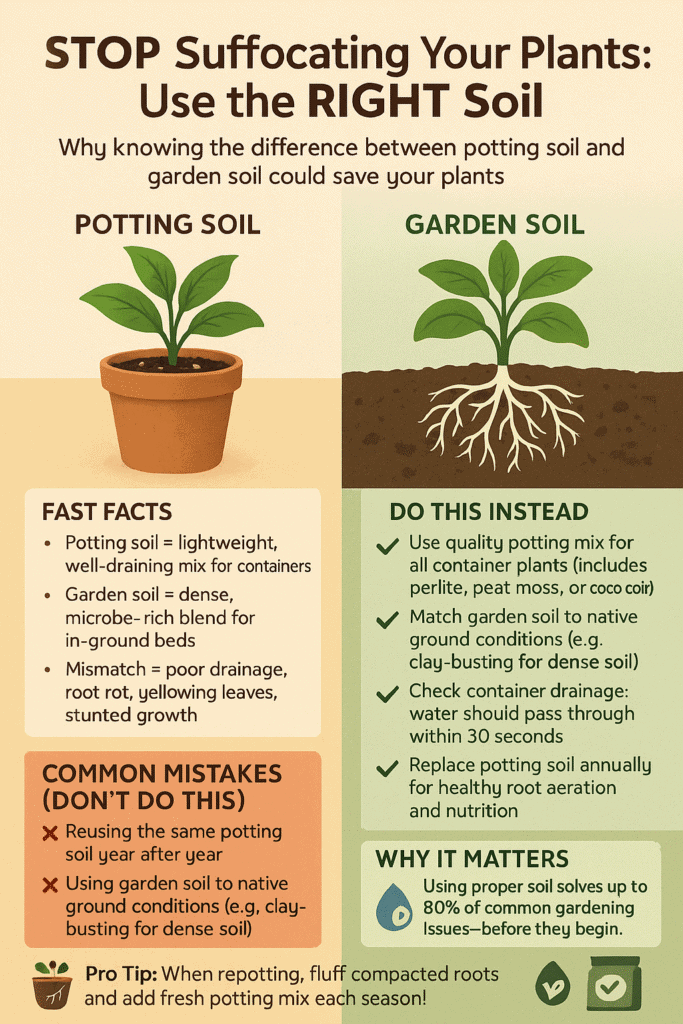
Here’s a shocking fact: Using the wrong soil type is responsible for up to 80% of container plant deaths. Yet, most gardeners have no idea they’re setting their plants up for failure before they even begin.
The secret most plant experts won’t tell you is that potting soil and garden soil are as different as swimming pools and lakes. They might both hold water, but try swimming laps in a lake, and you’ll quickly understand why specificity matters!
That bag labeled “garden soil” isn’t just regular dirt in fancy packaging. And that “potting mix” isn’t just overpriced soil. They’re specialized tools designed for environments that are completely different.
Potting Soil: Your Container Plant’s Best Friend
Potting soil isn’t actually soil; it’s a mixture of soil and other materials. It’s a soilless, specially engineered blend specifically designed for containers.
Think of it as the perfect apartment for your plant: lightweight, clean, and designed for comfortable living in a confined space.
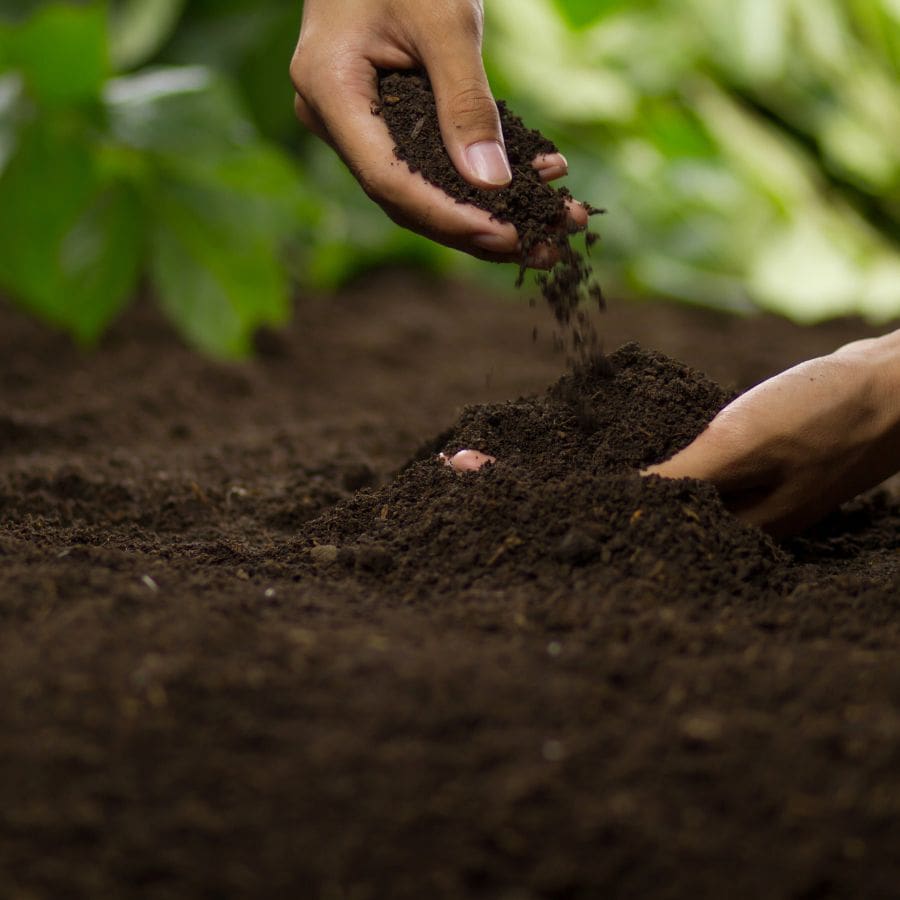
What makes potting soil special:
- Lightweight components like peat moss, vermiculite, and perlite that won’t compress
- Superior drainage that prevents the dreaded root rot (plant death sentence!)
- Sterilized to eliminate weeds and diseases (no unwanted roommates!)
- Perfect balance of moisture retention and aeration for root health
Using garden soil in containers is like stuffing a claustrophobic person into a tiny elevator. It compacts and suffocates roots, eventually leading to plant stress and death.
Garden Soil: The In-Ground Growing Superstar
Garden soil is the social butterfly of the soil world. It’s designed to mingle with your existing yard dirt, bringing life, nutrients, and structure to your garden beds.
What makes garden soil spectacular:
- Heavier composition that integrates with your native soil
- Contains beneficial microorganisms, similar to a probiotic for your garden.
- Engineered to improve your existing soil’s structure and fertility
- Provides stability for deep-rooting outdoor plants
I was shocked to discover that using potting soil in garden beds is like throwing money down the drain. It’s too lightweight, can dry out rapidly, and doesn’t provide the substantial foundation outdoor plants need to flourish.
The Telltale Signs You’re Using the Wrong Soil
Your plants are trying to tell you something important when they show these symptoms:
Container plants in garden soil:
- Water pools on the surface instead of draining
- Soil becomes concrete-hard when dry
- Plants look stressed despite regular watering
- Mysterious yellowing leaves and stunted growth
- Roots failing to develop properly
Garden beds with potting soil:
- Soil dries out extremely quickly
- Plants seem unstable or topple easily
- Poor growth despite fertilizing
- Soil seems to “disappear” over time (it’s actually breaking down too quickly!)
The Dramatic Soil Rescue Your Plants Need
The difference between amateur and pro plant parents is simply using the right soil in the right place. Here’s how to transform your garden from struggling to stunning:
For containers (pots, planters, hanging baskets):
- Use only high-quality potting mix
- Replace potting soil annually for long-term container plants
- If the soil feels compacted, it’s time for a fresh mix (your plants are suffocating!)
For garden beds:
- Amend existing soil with garden soil and compost
- Never use straight potting soil for in-ground planting
- Consider your native soil type when selecting garden soil (clay-busting formulas for heavy soil, moisture-retaining blends for sandy soil)
Forget what you’ve heard about expensive soil additives; getting the basic soil type right will solve 90% of common plant problems before they start!
Why Your Nana’s Plants Always Looked Better Than Yours
Your grandmother wasn’t just lucky with plants. She understood, often intuitively, that different growing environments needed different soil solutions. That wisdom wasn’t fancy, but it was fundamental.
The most vibrant gardens aren’t created with the most expensive products but with the most appropriate ones.
When you use the right soil for the job, you’re not just growing plants; you’re cultivating a thriving ecosystem. You’re creating the conditions for them to thrive with minimal intervention.
And isn’t that the garden we all want? Beautiful plants that practically take care of themselves because we set them up for success from the very beginning?
Your Soil Action Plan for Plant Success
Ready to revive your garden with this game-changing knowledge? Here’s your simple action plan:
- Container plants: Potting mix ONLY (look for words like “soilless” or “container mix”)
- Garden beds: Garden soil or topsoil mixed with your native soil
- Seedlings: Seed-starting mix (even lighter than regular potting soil)
- Soil health check: If water doesn’t drain within 30 seconds in containers, your soil needs replacing
Armed with this knowledge, you’re no longer clueless about one of gardening’s most fundamental aspects. Your plants are about to experience a dramatic transformation from merely surviving to spectacularly thriving!