Tired of watching insects destroy your carefully tended garden? The secret weapon against these invaders might be sitting in your spice rack right now.
Rosemary ❤️ Roasted Potatoes isn’t just a delicious addition. It’s a botanical pest-fighting powerhouse that can transform your garden from bug buffet to protected paradise.
And the best part? It works without a single drop of harmful chemicals.
Nature’s Most Powerful Bug Barrier (That Smells Amazing)
Forget what you’ve heard about complicated pest control systems . The game-changer for your garden isn’t some expensive spray. It’s a humble Mediterranean herb with superpowers.
Rosemary (Salvia rosmarinus) creates an invisible shield around your plants using a sophisticated botanical defense system.
When sunshine warms its leaves, rosemary releases a cocktail of aromatic compounds that act like a “No Bugs Allowed” sign for your garden.
Think of rosemary as your garden’s bouncer, intimidating the troublemakers while letting the beneficial guests (like pollinators) through the velvet rope.
The Science Behind Rosemary’s Pest-Repelling Magic
I was shocked to discover that rosemary’s pest-fighting ability isn’t just garden folklore. It’s backed by serious plant chemistry.
Those fragrant oils that make rosemary so delicious in food? They’re actually a sophisticated defense system.
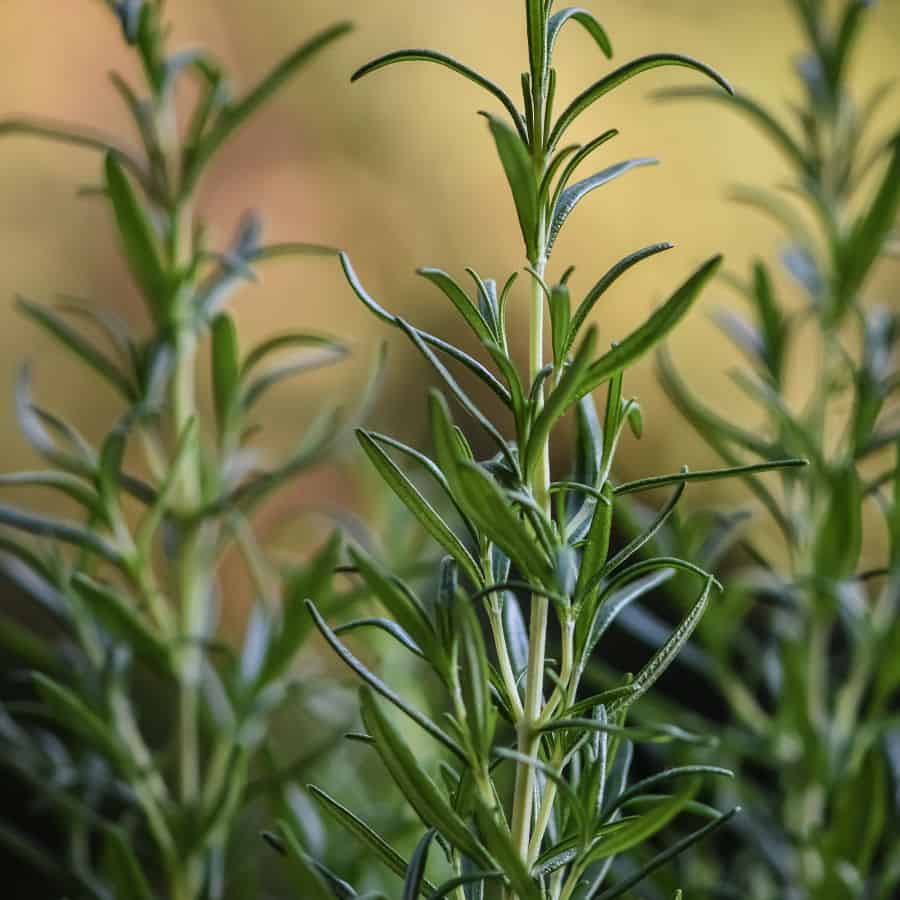
Rosemary leaves are loaded with specialized oil glands that produce a remarkable blend of compounds:
- Camphor: Acts as a natural insect neurotoxin, scrambling pest navigation systems
- Cineole: Creates a scent barrier that masks your vegetables from hungry bugs
- Pinene compounds: The same stuff that gives pine its distinctive smell, repels flying insects
- Rosmarinic acid: Fights fungal diseases while indirectly protecting neighboring plants
Did you know? Studies have shown that plants containing cineole can reduce mosquito landings by up to 60% in outdoor spaces. Your patio cookout just got a whole lot more comfortable!
5 Ways Rosemary Transforms Your Garden’s Pest Defense
1. Creates a living barrier against flying invaders
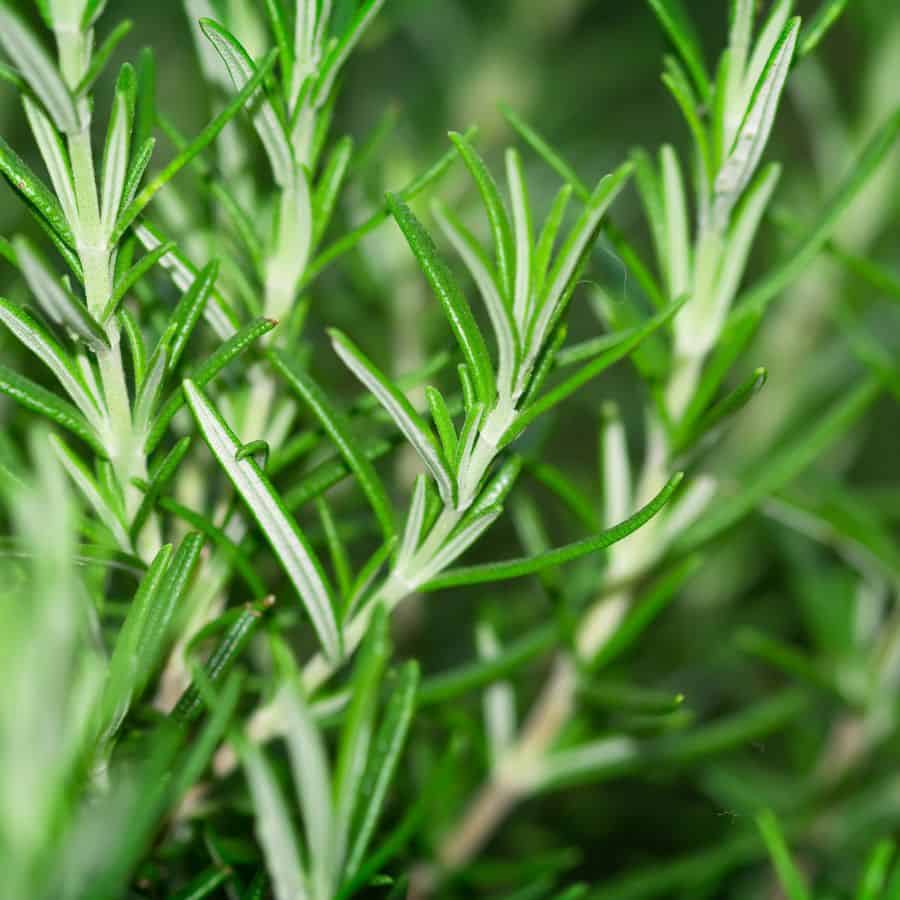
Rosemary doesn’t just repel pests. It actually disrupts their ability to find your precious plants. Insects rely heavily on scent to locate their favorite meals, and rosemary’s powerful aroma overwhelms their sensory systems. It’s like trying to hear a whisper at a rock concert.
This is particularly effective against notorious garden villains like:
- Carrot flies: They hunt by smell, and rosemary throws them off the scent
- Cabbage moths: Can’t locate your brassicas through the aromatic shield
- Mosquitoes: Actively avoid areas with rosemary’s natural repellent compounds
2. Offers year-round protection (unlike seasonal solutions)
The difference between amateur and pro plant parents is simply thinking long-term.
As an evergreen perennial in zones 7-10, rosemary stands guard 365 days a year, not just during the growing season. Even in winter, when many pest solutions fail, rosemary keeps working.
3. Doubles as a pollinator paradise
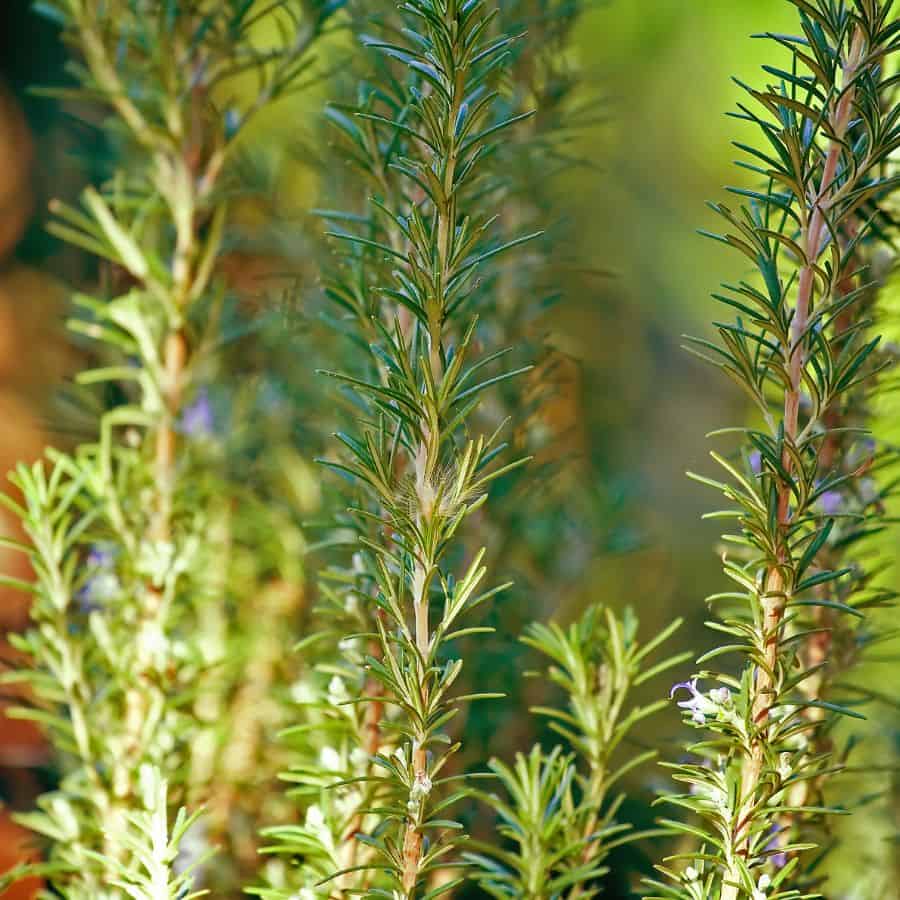
Your garden needs beneficial insects just as much as it needs to repel the destructive ones. Rosemary’s lavender-blue flowers are irresistible to bees, butterflies, and hoverflies.
These helpful visitors not only pollinate your vegetables but also actively hunt garden pests. Talk about a two-for-one deal!
4. Serves as a mobile protection squad when container-grown
Growing rosemary in pots lets you deploy this botanical bodyguard wherever trouble strikes.
Move it near vulnerable seedlings in spring, alongside tomatoes in summer, or by your patio seating when mosquitoes attack. It’s like having a security detail you can position exactly where needed.
5. Works better than traditional trap crops
Most people make this mistake with their pest management: using “trap crops” that actually attract MORE bugs to the garden.
Rosemary takes the opposite approach by pushing pests away completely, reducing overall pest populations rather than just redirecting them.
How to Plant a Pest-Proof Garden with Rosemary
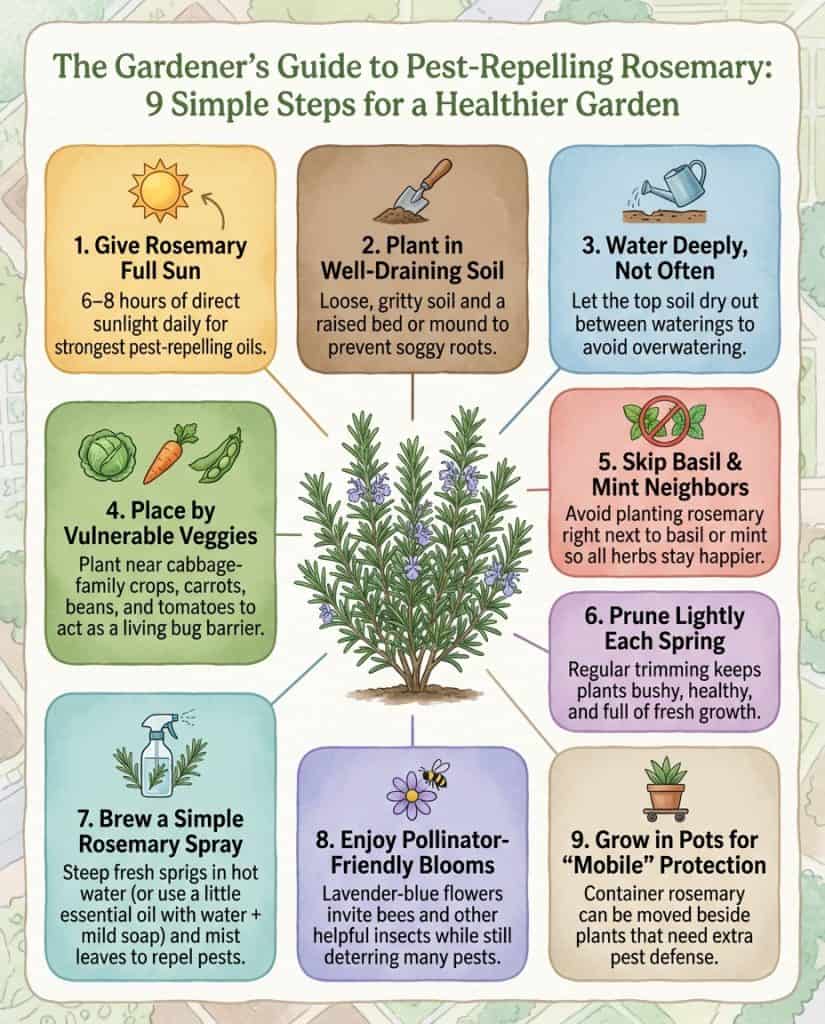
Ready to unleash rosemary’s pest-fighting potential? Here’s how to grow this versatile herb for maximum protection:
Best Companions for Rosemary’s Protection
- Cabbage family plants (broccoli, kale, cauliflower) – shield from caterpillar attacks
- Carrots – prevent devastating carrot fly damage
- Beans – creates protective barrier without nutrient competition
- Tomatoes – repels tomato hornworms while attracting pollinators
Avoid planting near: Basil and mint (don’t work together – they want more water than rosemary can tolerate)
Growing Rosemary: Sunlight, Soil & Space
Your rosemary is trying to tell you something important: “I need sunshine and well-drained soil to thrive!” This Mediterranean native flourishes with:
- Sunlight: 6-8 hours of full sun daily (non-negotiable!)
- Soil: Well-draining, slightly sandy mix (wet feet = dead rosemary)
- Spacing: 2-3 feet between upright varieties; 1-1.5 feet for creeping types
- Watering: Deep but infrequent – let top inch dry between waterings
- Fertilizing: Light feeding in spring (too much nitrogen weakens aroma and pest protection)
Pro tip: In zones 6 and below, either grow rosemary in containers to bring indoors for winter or provide heavy mulch and frost cloth protection. Your pest control superhero can’t help if it freezes!
Transform Your Space: Strategic Rosemary Placement
The secret most plant experts won’t tell you is that placement makes all the difference. For maximum pest protection, position rosemary:
- As a protective border around vegetable beds
- Near entry points to outdoor living areas (doorways, patios, decks)
- Interplanted between vulnerable crops
- In containers that can move to pest hotspots
- Along walkways, brushing past releases more oils
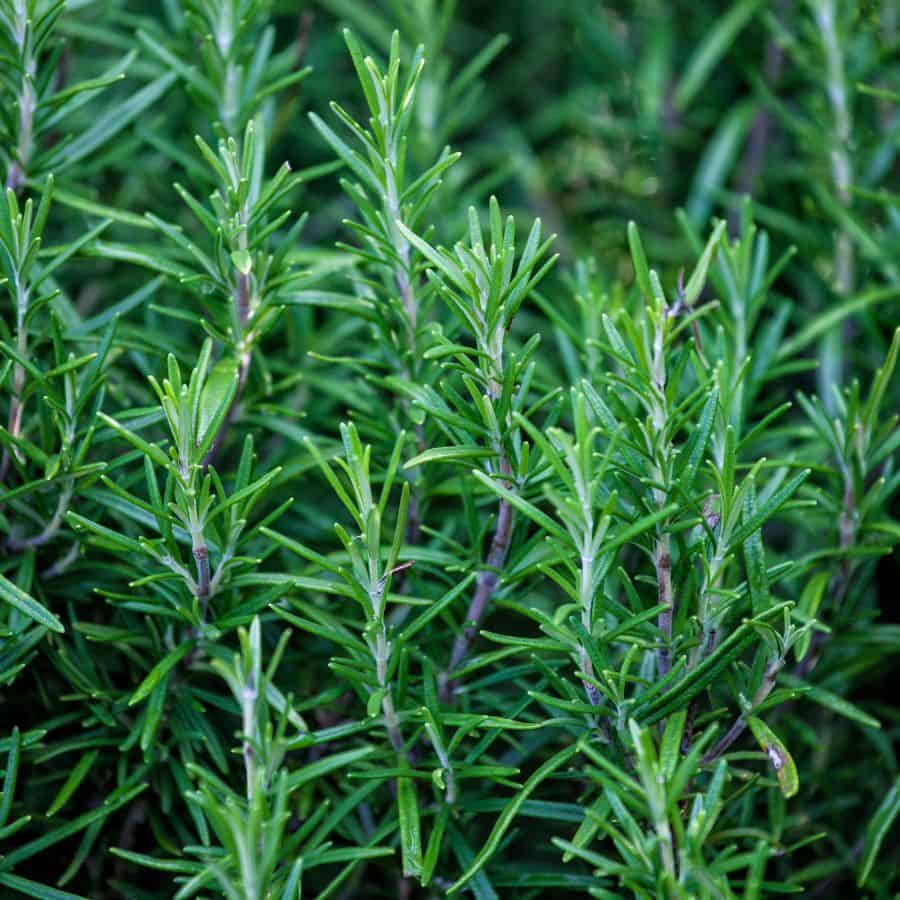
In small spaces, even a single potted rosemary plant near your tomatoes or outdoor seating can dramatically reduce pest issues. It’s like having a tiny but mighty security guard that smells fantastic.
DIY Rosemary Pest Sprays: Amplify Protection
Want to take rosemary’s pest-fighting power to the next level? Create these simple but potent natural sprays:
Quick Rosemary Plant Shield
- 10 drops rosemary essential oil
- 2 cups water
- 1 teaspoon mild soap (helps oil and water mix)
Shake well, then spray directly onto plant leaves to deter aphids, whiteflies, and caterpillars. Reapply after rain.
Mosquito-Free Zone Spray
- 2 cups fresh rosemary sprigs
- 2 cups boiling water
Steep for 30 minutes like tea, strain, cool, and pour into a spray bottle. Spritz around seating areas before gatherings. Your guests will wonder why they’re the only yard without mosquitoes!
Beyond Pest Control: Rosemary’s Bonus Benefits
While we love rosemary’s pest-repelling superpowers, this vibrant plant offers so much more:
- Fresh herbs year-round for cooking – from roasts to bread to potatoes
- Memory and focus support – “Rosemary for remembrance” isn’t just folklore
- Gorgeous ornamental value with evergreen foliage and blue flowers
- Drought tolerance once established – perfect for water-conscious gardens
Rosemary doesn’t just protect your garden. It enhances your whole outdoor experience with beauty, fragrance, and practical benefits. It’s the ultimate multitasking plant!
Common Mistakes That Sabotage Rosemary’s Power
Avoid these garden-killing errors that prevent rosemary from reaching its pest-fighting potential:
- Overwatering – Rosemary’s Mediterranean roots hate staying wet
- Insufficient sunlight – Without enough sun, oil production (and pest protection) drops dramatically
- Poor drainage – Leads to root rot and plant death
- Skipping pruning – Results in woody, less aromatic plants with reduced pest-fighting ability
Remember: a stressed rosemary plant can’t protect your garden effectively. Give it the conditions it loves, and it will reward you with both culinary treasures and a virtually pest-free garden.
Ready to transform your garden from pest playground to protected paradise ? Plant rosemary this season. Your vegetables (and your outdoor gatherings) will thank you!