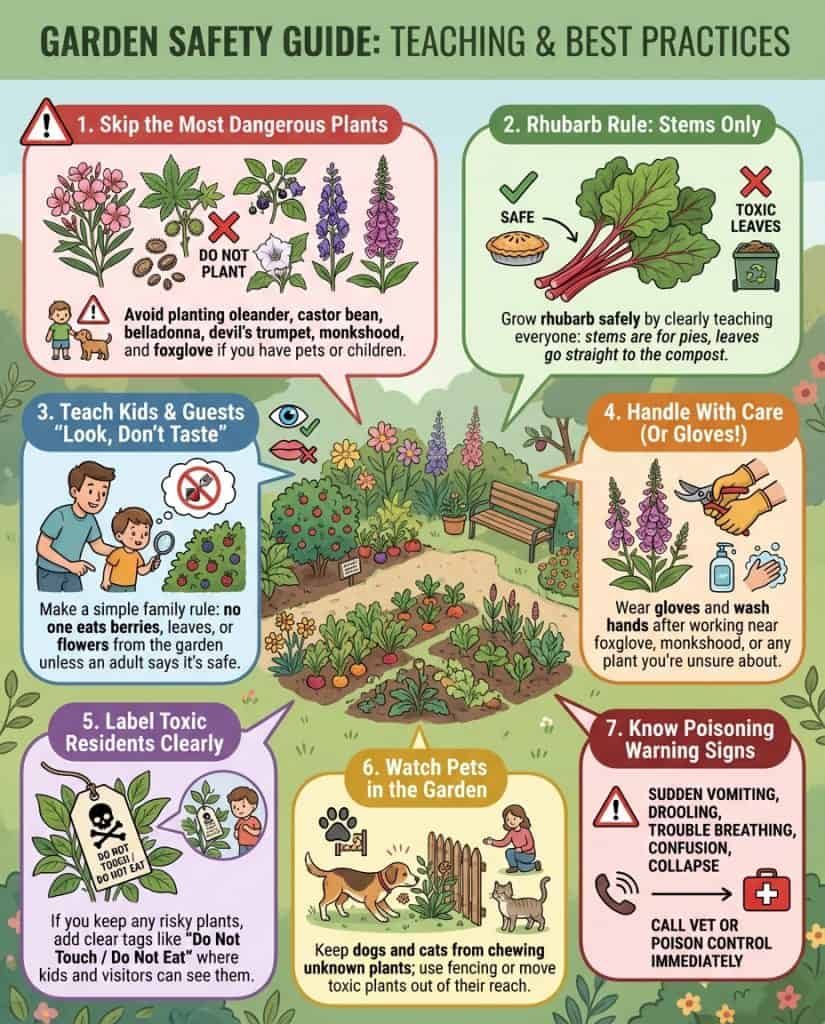
That flowering shrub you planted last spring? It might actually be dangerous for your dog. It sounds dramatic, but it’s worth knowing: just one leaf from certain common garden plants can cause serious heart problems or even be fatal.
Some of the prettiest plants turn out to be surprisingly toxic.
7 Toxic Garden Plants You Should Know About
Your garden should be a safe space, not a source of worry. But many of us are growing plants without realizing they could be harmful.
Poison control centers receive over 68,000 calls annually about plant poisonings, and the plants responsible might be growing right in your yard.
Here are the ones to watch for:
1. Oleander: The Deceptive Charmer
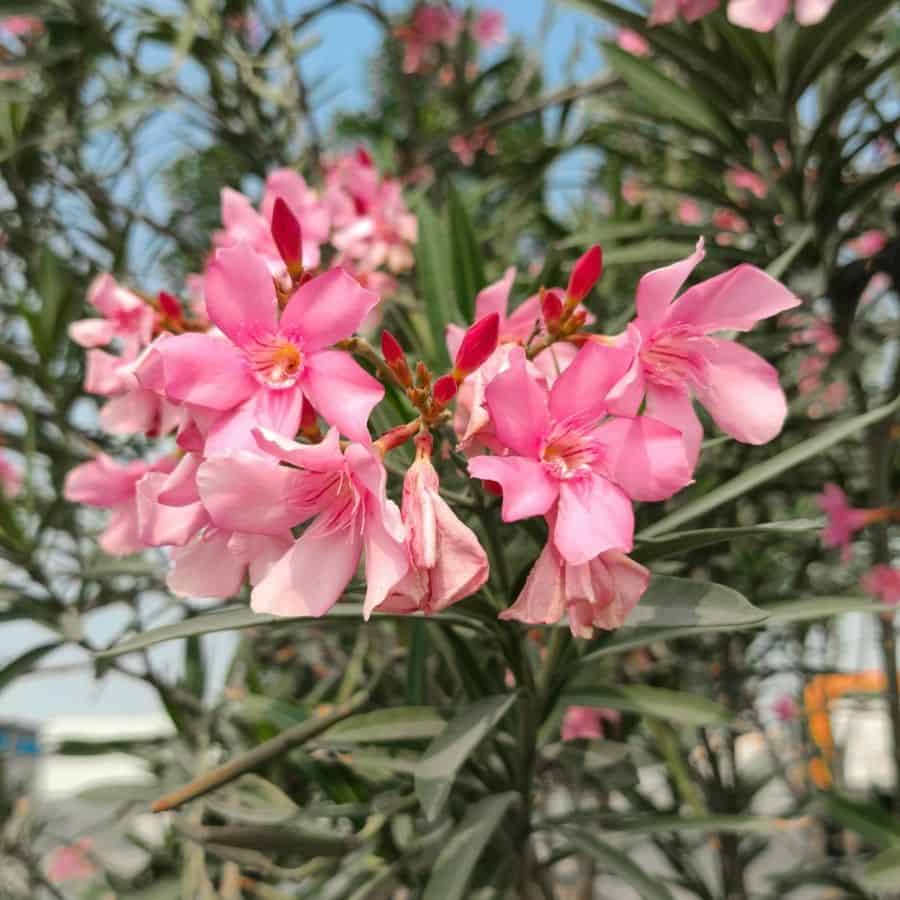
Those pretty crimson, pink, or white blooms hide a serious problem. Every part of this plant contains cardiac glycosides strong enough that just one leaf can trigger heart failure .
The difference between new and experienced gardeners is knowing when a plant isn’t worth the risk. If you have kids, pets, or people frequently in your garden, this is one to remove.
2. Castor Bean Plant: The Silent Threat
This striking plant contains one of nature’s deadliest poisons: ricin. A dose smaller than a grain of salt can be fatal. Those spiky seed pods aren’t just interesting features. They’re genuinely dangerous.
The real problem is that there’s no effective treatment once ricin is ingested in significant amounts. This plant is serious business.
3. Foxglove: The Medicinal Menace
Those beautiful bell-shaped blooms contain the same compounds used to make heart medication. While that’s medically useful, it also means they can seriously disrupt heart rhythm when eaten.
What’s often overlooked is that even handling foxglove with a cut on your hand can allow toxins to enter your bloodstream. If you love the look but not the risk, Penstemon offers a similar appearance without the danger.
4. Devil’s Trumpet: The Hallucinogenic Horror
Those white trumpet blooms live up to their devilish name. They contain powerful tropane alkaloids that cause hallucinations, confusion, respiratory failure, and potentially death.
You wouldn’t leave something dangerous within reach of your toddler or dog, but that’s essentially what this plant represents, only more unpredictable.
5. Monkshood: The Touch-Me-Not Plant
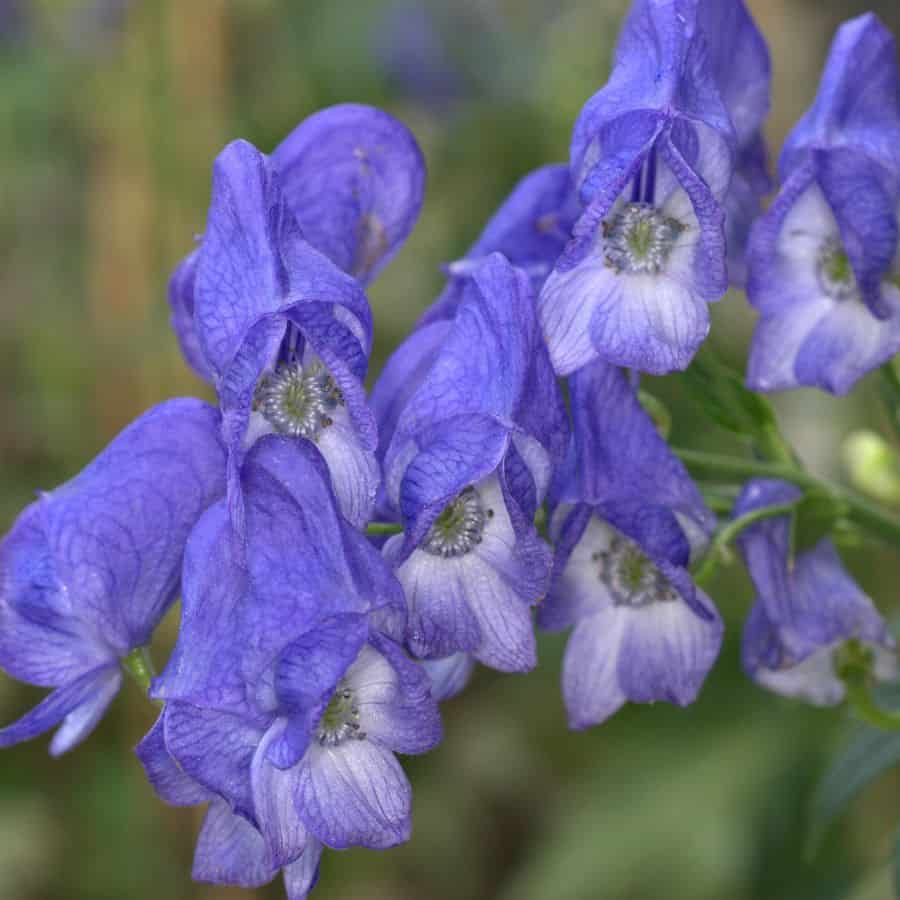
Those deep blue or purple hooded blooms aren’t just toxic if eaten; they’re also poisonous. They can poison through skin contact alone. The neurotoxin aconitine affects both heart and lung function.
Think of it as something beautiful to observe from a distance, but requiring extreme caution (or better yet, complete avoidance) in home gardens.
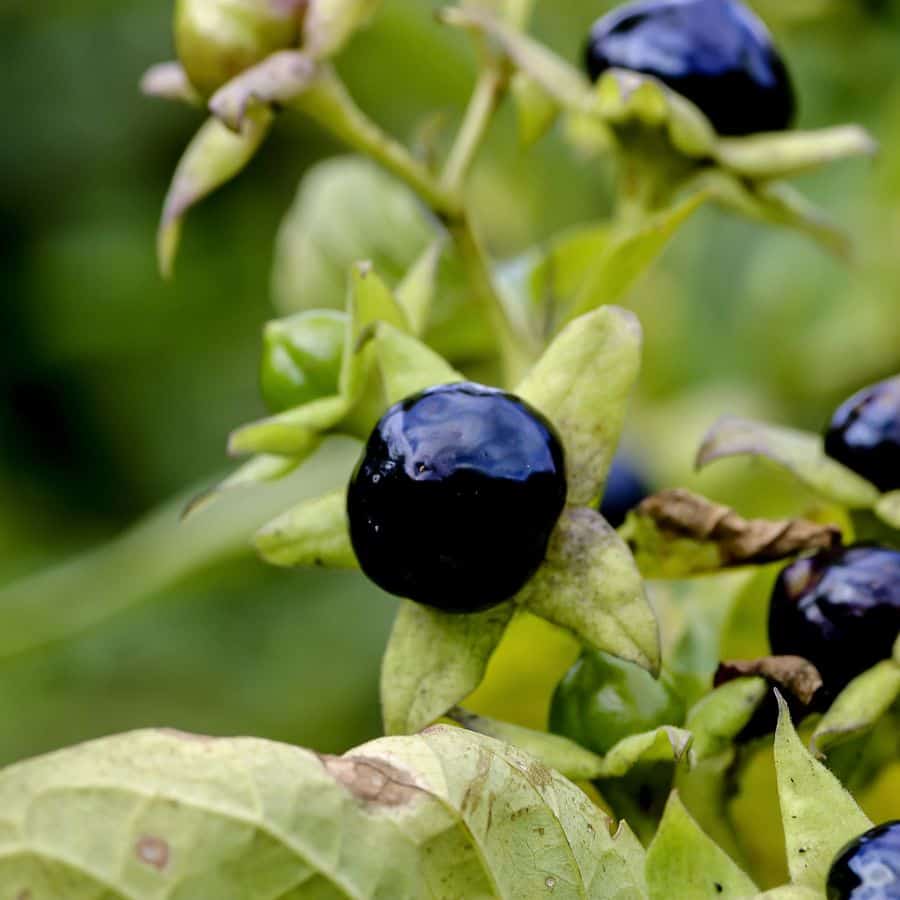
6. Belladonna: The Fatal Temptress
Also known as deadly nightshade, this plant produces glossy berries that look almost like candy. Just a few can be fatal, especially to children. Its alkaloids effectively target the nervous system.
Historically, women used belladonna drops to dilate their pupils for a wide-eyed look (hence “beautiful lady”), a beauty routine that sometimes led to blindness. Not a good trade-off.
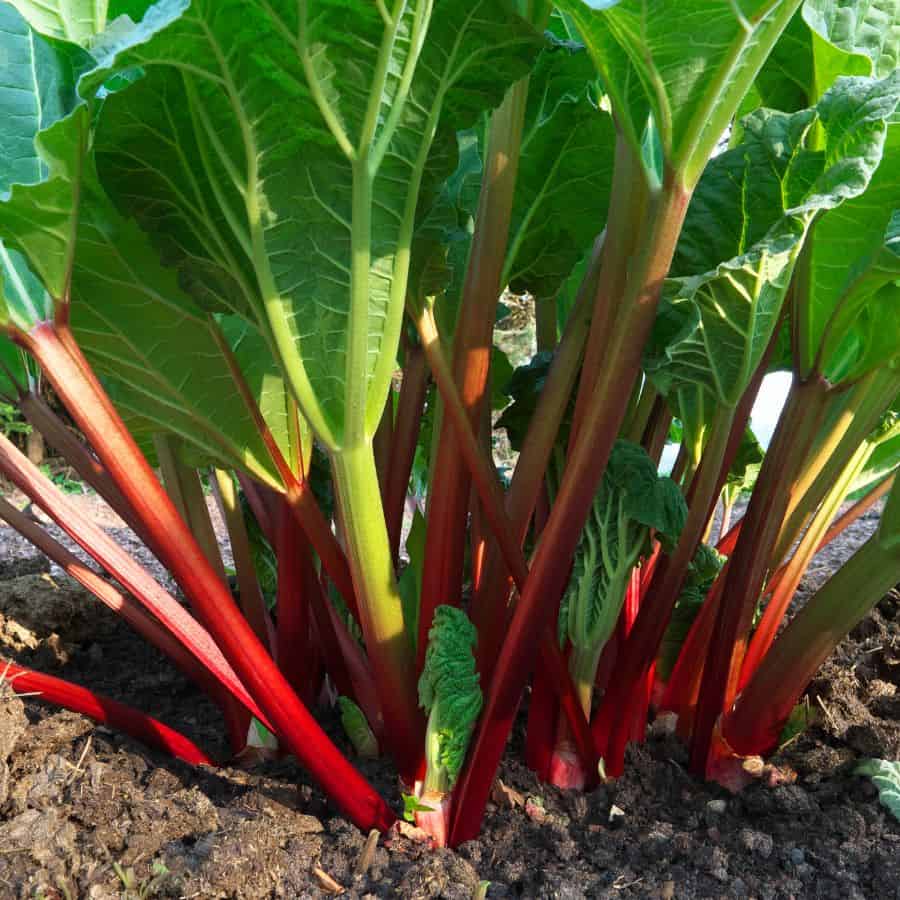
7. Rhubarb Leaves: The Kitchen Garden Surprise
The stems make great pies, but the leaves contain enough oxalic acid to potentially cause kidney failure. The stems are safe, but the leaves are not.
Most people don’t clearly mark or educate household members about which parts are safe to harvest. This is one case where what you don’t know can actually hurt you.
Warning Signs of Plant Poisoning
Your pet or child can’t tell you they’ve eaten something toxic, but their bodies will show signs. Watch for these symptoms:
• Sudden vomiting or diarrhea
• Excessive drooling or foaming at the mouth
• Difficulty breathing or unusual breathing patterns
• Confusion or disorientation
• Seizures or muscle tremors
• Irregular heartbeat or collapse
• Skin irritation, redness, or unusual rashes
If you see these symptoms and suspect plant poisoning, don’t wait. Contact poison control (1-800-222-1222) or your veterinarian immediately. Time matters.
Creating a Safer Garden
Making your garden safer doesn’t mean sacrificing beauty. For every dangerous plant, there’s a non-toxic alternative that looks just as good.
Your garden should be a place where kids can explore, pets can roam, and you can relax without constant worry. The best garden is one where you don’t have to monitor for problems constantly.
When in doubt, research before you plant. Your local extension office can provide lists of safe plants suited to your region that will grow well without worry.
The most beautiful garden isn’t necessarily the one with the rarest plants. It’s the one where you can make memories that will last for years to come.