
I was shocked to discover that one of nature’s most powerful painkillers might be growing right outside your door.
While big pharma keeps pushing pills, this unassuming plant has been quietly relieving pain for centuries; no prescription needed.
Meet wild lettuce: the backyard superstar that’s revolutionizing natural pain relief.
Nature’s Pain-Relieving Secret Weapon (That Looks Like a Weed)
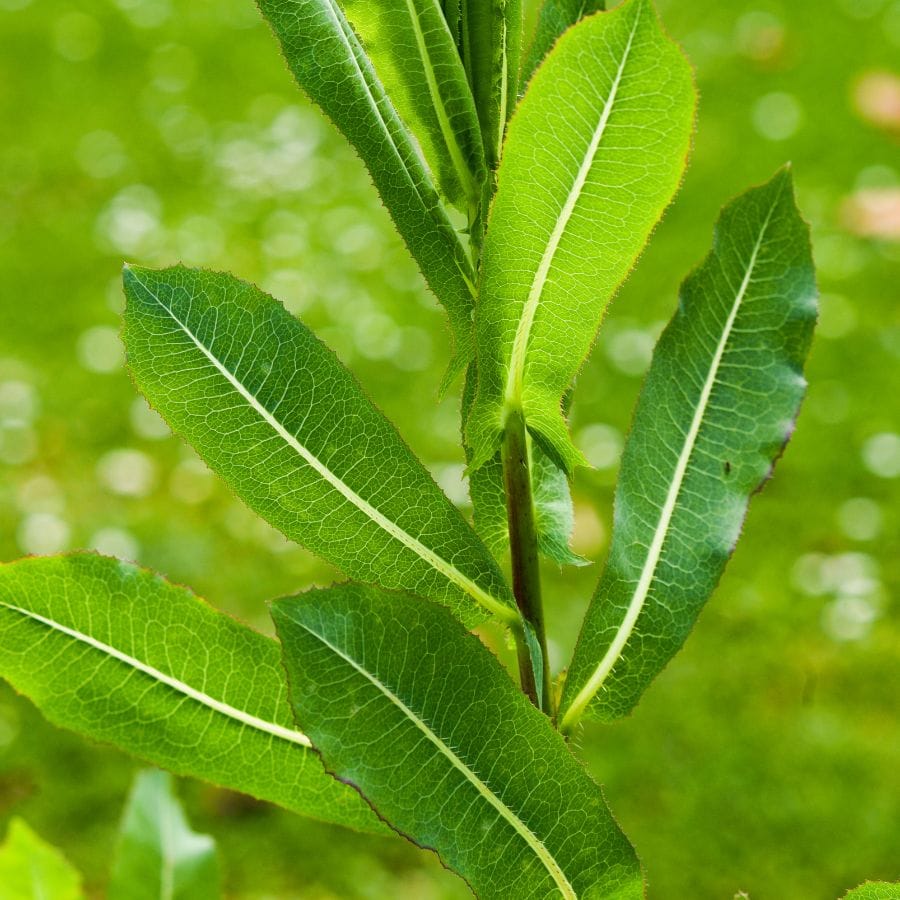
Wild lettuce (Lactuca virosa) isn’t your ordinary salad green. This towering plant, reaching up to 7 feet tall, contains a milky white sap that works like a natural morphine. And yes, that’s why it earned the nickname “opium lettuce.”
Don’t worry, though. Unlike actual opium, this plant isn’t addictive or illegal. It simply mimics opium’s pain-relieving effects in a gentler, safer way thanks to compounds called lactucin and lactucopicrin.
The game-changer for your pain management isn’t what you think. While pharmaceuticals often come with side effects longer than this article, wild lettuce provides relief without the risky baggage.
Studies confirm it affects the central nervous system similarly to prescription painkillers, minus the addiction risk or respiratory suppression that makes opioids so dangerous.
6 Stunning Benefits That Will Make You Rethink Your Medicine Cabinet
- Natural Pain Relief: Tackles moderate pain without synthetic chemicals
- Inflammation Fighter: Reduces swelling and associated discomfort
- Muscle & Joint Rescue: Soothes aching muscles and stiff joints
- Sleep Enhancer: Promotes deeper, more restful sleep
- Anxiety Calmer: Takes the edge off without making you feel “high.”
- History-Backed Power: Used since Ancient Egypt, and was even in the U.S. Pharmacopoeia in the 1800s
Forget what you’ve heard about natural remedies being weak. This plant packs a serious punch against arthritis pain, headaches, menstrual cramps, and insomnia.
And unlike its pharmaceutical counterparts, it won’t leave you feeling loopy or disconnected.
How to Spot This Pain-Fighting Powerhouse in Your Yard
Your wild lettuce is trying to tell you something important. “I’m here to help!” But first, you need to identify it correctly. Look for these telltale signs:
- Tall plant (3-7 feet) with a hollow stem (green to purplish)
- Long, serrated leaves with a bluish-green color
- Small yellow flowers growing in clusters
- The dead giveaway: White, milky sap that oozes when the stem is cut
Wild lettuce often gets confused with prickly lettuce (Lactuca serriola). Both have medicinal properties, but wild lettuce offers stronger pain-relieving effects.

Transform This Backyard Wonder Into Powerful Medicine (3 Simple Methods)
The secret most plant experts won’t tell you is that timing matters enormously. Harvest wild lettuce in late spring to early summer, just before flowering, when its pain-fighting compounds are most concentrated.
1. Soothing Wild Lettuce Tea
- Dry the leaves and flowers thoroughly
- Steep 1-2 teaspoons in hot water for 10-15 minutes
- Drink up to twice daily for gentle relief
2. Potent Tincture (Liquid Extract)
- Combine fresh sap with high-proof alcohol like vodka
- Store in a dark bottle for 2-4 weeks, shaking daily
- Strain and take 10-20 drops in water as needed
3. Concentrated Extract (The Heavy Hitter)
- Simmer chopped wild lettuce in water until it reduces to a dark syrup
- Cool and store in a sealed jar
- Use ½ to 1 teaspoon for significant pain relief
This extract is like the difference between a garden hose and a pressure washer; both get you wet, but one packs a much stronger punch. Start with smaller doses and increase as needed.

5 Other Backyard Heroes That Fight Pain Naturally
Wild lettuce isn’t the only pain-fighting plant that might be hiding in your outdoor space. These botanical warriors deserve a spot in your natural medicine cabinet, too:
- Willow Bark: Contains salicin, the compound that inspired aspirin. Mother Nature’s original headache remedy!
- California Poppy: This vibrant flower provides gentle sedative effects without addiction risk – think of it as wild lettuce’s milder cousin.
- Peppermint: More than just a breath freshener, it relieves headaches and muscle aches like a cooling, natural IcyHot.
- Feverfew: This migraine-preventing powerhouse can reduce headache frequency by up to 70% in regular users.
- Chamomile: The Swiss Army knife of herbal medicine tackles pain, anxiety, and sleep issues all at once.
Safety First: What You Must Know Before Starting
While wild lettuce is generally safe, it’s not a one-size-fits-all solution. Like a car with impressive power, you need to know how to handle it properly.
Most people make this mistake with wild lettuce by diving in with a dose. Start low and go slow to avoid side effects like dizziness, dry mouth, or drowsiness.
Who should avoid wild lettuce:
- Pregnant or breastfeeding women
- Children under 12
- Those allergic to plants in the ragweed family
- People taking sedatives or pain medications (potential interactions)

Always consult a healthcare professional before starting any herbal remedy, especially if you’re managing chronic conditions or taking other medications.
From Backyard to Breakthrough: Your Path to Natural Pain Relief
If wild lettuce isn’t growing in your yard yet, you’ve got options. Purchase seeds from heirloom suppliers and grow your own medicine, or buy pre-made tinctures from reputable herbal brands while your plants mature.
The dramatic difference in how you experience pain could be just a few leaves away. While pharmaceutical options work like a sledgehammer, fast but with collateral damage, wild lettuce is more like a skilled massage therapist, addressing the pain while supporting your body’s natural processes.
Your journey to natural pain relief doesn’t have to be complicated. This humble backyard plant has been silently healing people for centuries. Isn’t it time you discovered what it could do for you?