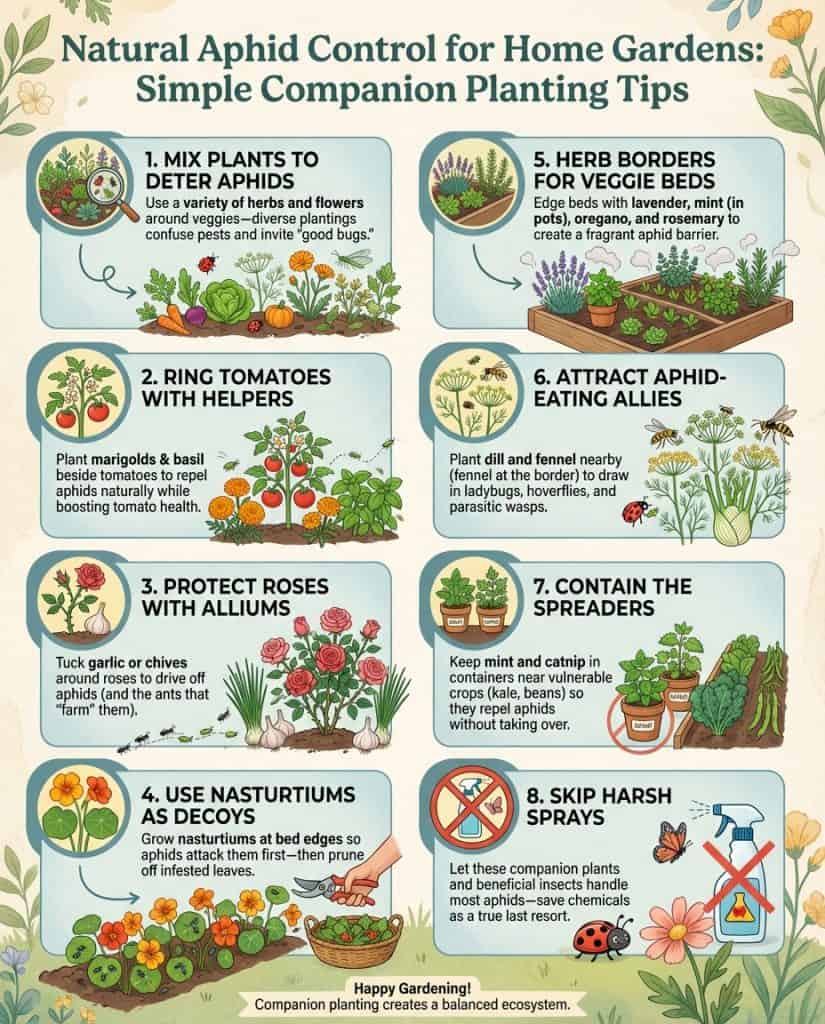
Those tiny green, black, or white dots clustering on your plant stems aren’t just annoying. They’re silent garden saboteurs.
Aphids suck the literal life force from your plants, leaving behind curled leaves, stunted growth, and that gross sticky residue that screams “garden in distress.”
But here’s the game-changer: Mother Nature already created the perfect aphid defense system, and I’m about to reveal it to you.
Why Your Chemical Sprays Are Missing the Mark
Forget what you’ve heard about chemical solutions! The difference between amateur and pro plant parents is simply knowing that plants themselves can be your most powerful allies .
Did you know that a single ladybug can devour up to 5,000 aphids in its lifetime? This is just one benefit of using nature’s own pest control system .
Plants that repel aphids work through a brilliant three-part strategy:
- Scent confusion: Strong-smelling plants mask the signals aphids use to find their favorites
- Predator attraction: Certain plants draw in beneficial insects that see aphids as an all-you-can-eat buffet
- Natural chemical warfare: Specialized plant compounds act as kryptonite to these tiny pests
The Dirty Dozen: 12 Plants Aphids Can’t Stand
1. Marigolds ❤️ Tomatoes: The Classic Garden Bodyguards
Marigolds aren’t just pretty faces. They’re the bouncers of your garden. Their roots release alpha-terthienyl, a compound so toxic to soil pests that it’s practically a microscopic force field.
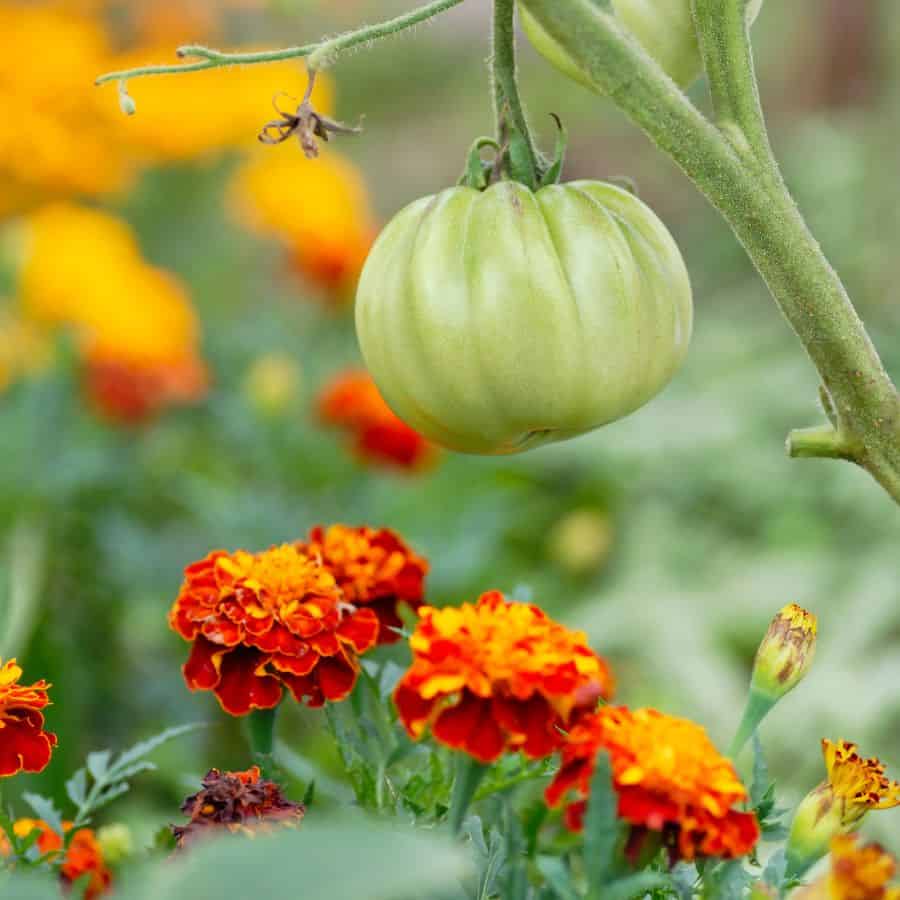
Plant these golden guardians around tomatoes and roses to create a vibrant, aphid-repelling barrier that works 24/7.
2. Garlic ❤️ Roses: Nature’s Stinkiest Superhero
Vampires hate garlic, and guess what? So do aphids! Their sulfuric punch overwhelms aphids’ sensory systems, driving them into confusion and away.
Interplant garlic with roses or fruit trees for maximum protection. I was shocked to discover that garlic also deters the ants that “farm” aphids for their sweet honeydew. Talk about a two-for-one deal!
3. Chives ❤️ Roses: The Unsung Aphid Antagonist
Chives bring the same repellent power as their cousin garlic, but in a more garden-friendly package.
Their gentle onion aroma keeps aphids away while their pretty purple blooms attract beneficial insects. Border your rose beds with chives and watch your aphid problems disappear while your garden flourishes.
4. Nasturtiums ❤️ Tomatoes: The Ultimate Sacrifice Play
Think of nasturtiums as your garden’s decoy. They heroically draw aphids to themselves instead of your precious vegetables.
These colorful martyrs take one for the team! Plant them at garden edges, then simply trim affected leaves when they become aphid hotels. Your tomatoes and beans will live to produce another day.
5. Lavender ❤️ Vegetables: The Aromatic Force Field
Lavender’s intoxicating fragrance might relax you, but it sends aphids into a panic. Its potent essential oils create an invisible barrier that confuses these pests‘ navigation systems.
Border your vegetable garden with lavender rows for protection that’s as beautiful as it is functional.
6. Mint ❤️ Kale: The Refreshing Repellent
Mint releases menthol compounds that are like tear gas to aphids. Just keep this aggressive spreader contained in pots, or you’ll have a different garden problem on your hands!
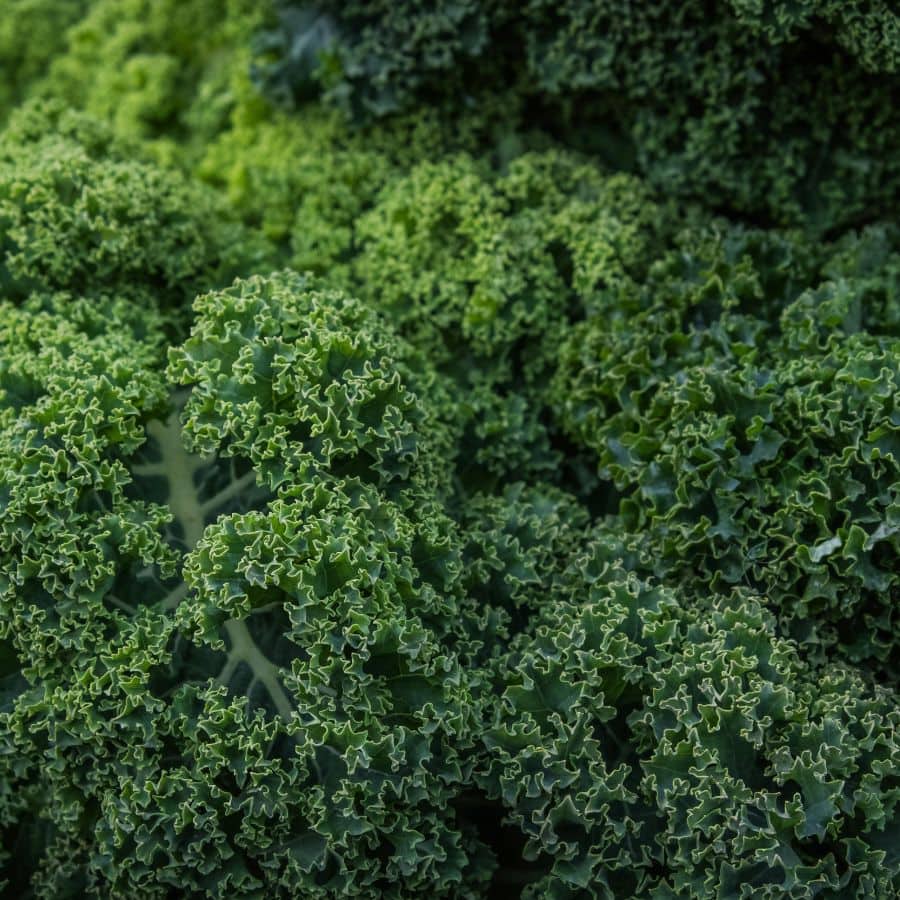
Position mint containers near vulnerable crops like kale and cabbage for targeted protection that’s also ready for your mojito glass.
7. Basil ❤️ Tomatoes: The Double-Duty Defender
Your pasta’s favorite herb is also your garden’s secret weapon. Basil’s spicy aroma acts like an aphid repellent spray that never needs refilling.
Plant it beside tomatoes for the ultimate symbiotic relationship. Basil repels pests while tomatoes provide partial shade for basil’s sensitive roots.
8. Catnip ❤️ Beans: The Surprising Powerhouse
While your cat goes crazy for it, aphids run screaming from catnip. It contains nepetalactonem a compound proven to be more effective than DEET!
Place it strategically near aphid-prone crops, but perhaps away from garden nap spots unless you want feline visitors.
9. Dill ❤️ Cabbage: The Beneficial Insect Magnet
Dill plays the long game in aphid control. It not only confuses these pests with its feathery foliage and distinctive scent but also attracts ladybugs and parasitic wasps, the natural predators that turn aphids into lunch.
Scatter it among lettuces and cabbages for protection with a purpose.
10. Fennel ❤️ Garden Borders: The Border Patrol Agent
Fennel’s licorice-like scent sends aphids packing while its tall, feathery structure attracts beneficial insects like a biological control tower.
Plant it at garden borders (not directly with vegetables. It can be competitive to create a protective perimeter that also draws beautiful butterflies.
11. Oregano ❤️ Peppers: The Groundcover Guardian
This pizza topping favorite doubles as a pest-deterring groundcover that repels aphids while attracting hoverflies, insects whose larvae devour aphids by the hundreds.
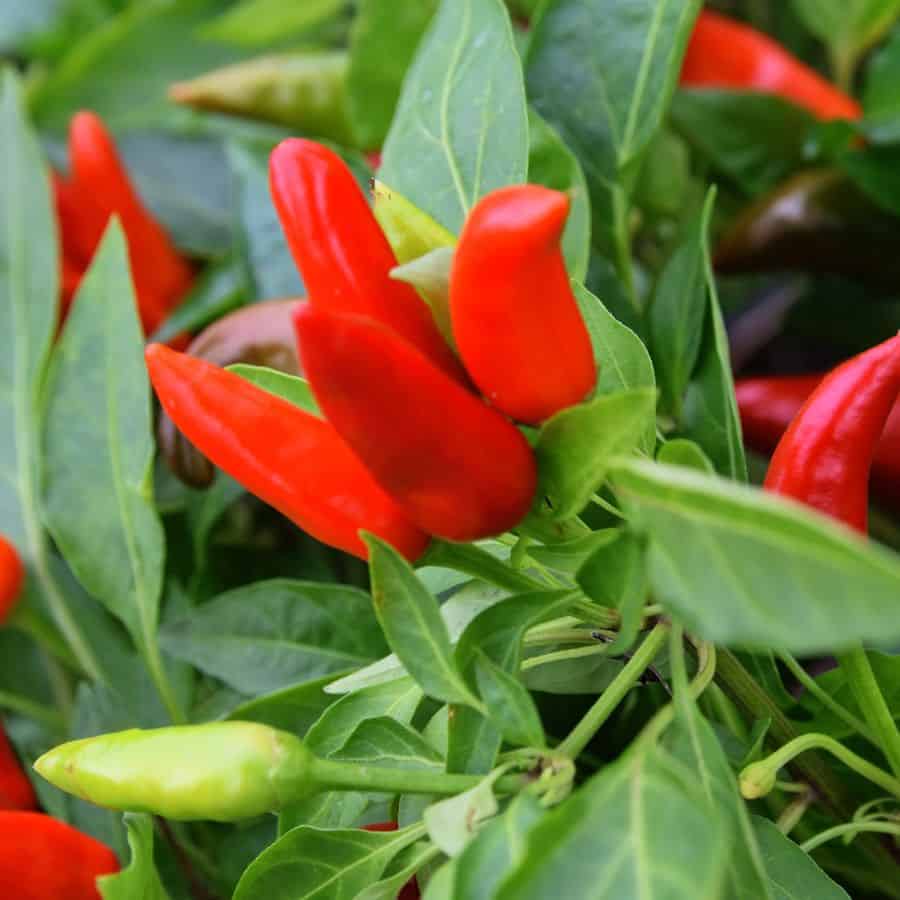
Grow oregano near peppers and broccoli, in the sunniest, driest spot of your garden for maximum pest-fighting potency.
12. Rosemary ❤️ Beans: The Steadfast Sentinel
Rosemary’s pine-like oils are an aromatic fortress against aphids and other soft-bodied pests.
This Mediterranean warrior thrives in hot, sunny conditions while continuously releasing its protective compounds.
Plant it near beans and cabbage for year-round protection that’s as useful in your kitchen as in your garden.
Your Anti-Aphid Action Plan
The secret most plant experts won’t tell you is that diversity is the true key to pest management . Here’s how to maximize your garden’s natural defenses:
- Create confusion: Mix multiple repellent plants together. Aphids hate a party with too many scents
- Rotate annually: Move your repellent plants each season to prevent aphids from adapting
- Build a beneficial insect army: Add flowers like yarrow and alyssum to attract the predators that feast on aphids
- Feed wisely: Excessive nitrogen creates soft, juicy growth that’s basically an aphid buffet. Go easy on the fertilizer
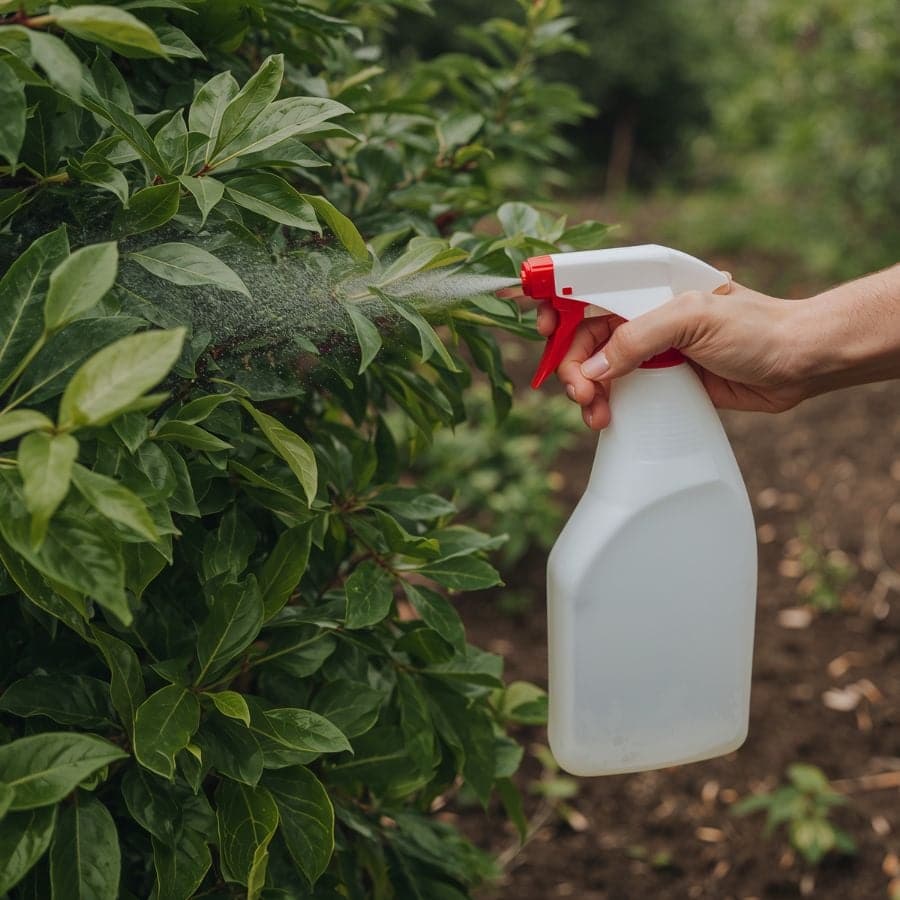
DIY Aphid Knockout Spray
Turn your repellent plants into liquid warfare with this simple recipe:
- Crush 5-6 garlic cloves and a handful of mint or basil leaves
- Boil in 4 cups of water for 10 minutes, then cool
- Strain and add 1 teaspoon mild soap (this breaks down aphid exoskeletons—brutal but effective)
- Spray directly onto infested plants, especially leaf undersides
Your plants are trying to tell you something important: they don’t need chemicals to thrive! With these 12 aphid-repelling plants, you’re not just controlling pests—you’re creating a vibrant, balanced garden ecosystem where your plants can flourish naturally. Now that’s what I call garden magic!