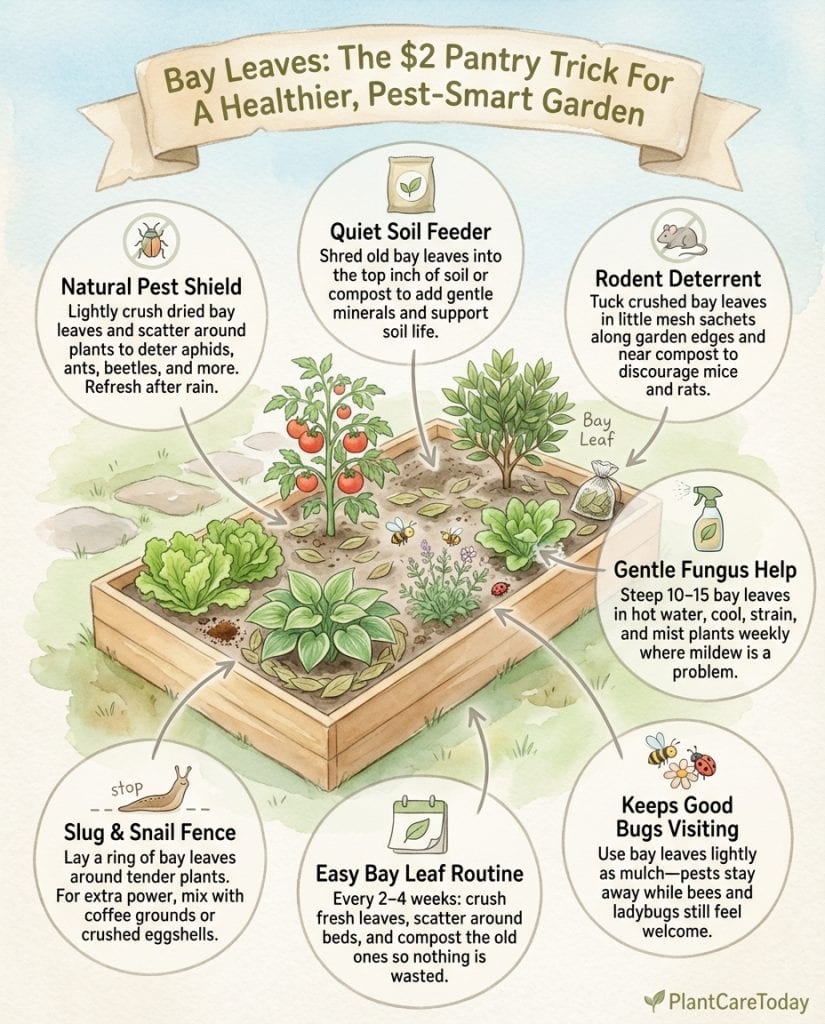
That innocent jar of bay leaves sitting in your spice cabinet? It’s hiding garden superpowers most people never discover.
While you’ve been limiting these aromatic leaves to your soup pot, savvy gardeners have been using them as a natural pest control powerhouse.
The game-changer for your garden isn’t an expensive chemical. It’s been hiding in your kitchen all along.
Nature’s Pest Repellent (That Won’t Empty Your Wallet)
Forget what you’ve heard about needing harsh chemicals to keep bugs away! Bay leaves contain potent essential oils, eucalyptol, linalool, and eugenol, that create an invisible force field insects absolutely hate.
I was shocked to discover that a single bay leaf can repel more than seven common garden pests without harming a single beneficial insect. It’s like having a bouncer that only kicks out the troublemakers!
These kitchen staples effectively repel:
- Aphids (the tiny vampires sucking life from your plants)
- Ants (including those farming aphids like tiny ranchers)
- Beetles and weevils (your vegetables’ worst enemies)
- Moths and caterpillars (leaf-munching machines)
- Cockroaches (nobody wants these anywhere)

Pro tip: Crush the leaves slightly before scattering to release more of their protective oils. Replace every few weeks or after rain for continuous protection.
Your Slug Problem Solved (Finally!)
Those slimy garden terrorists destroying your lettuce and hostas have met their match. Bay leaves create a botanical boundary that slugs and snails refuse to cross.
Unlike slug bait that can harm pets, bay leaves are completely safe for your furry friends while being absolutely repulsive to slugs. It’s like creating an invisible fence that only affects the creatures eating your plants!
How to create your slug defense system:
- Circle vulnerable plants with whole dried leaves
- Place crushed leaves at the base of containers and raised beds
- Mix dried bay leaf powder into your mulch layer
For an even more powerful slug barrier, combine bay leaves with coffee grounds or crushed eggshells. It’s the garden equivalent of a triple-locked door!
They Feed Your Soil While Fighting Pests
Bay leaves aren’t one-trick ponies. As they slowly break down, they transform into natural fertilizer, enriching your soil with calcium, iron, and magnesium.
That’s right. The same leaves repelling pests are simultaneously feeding your plants. It’s like hiring a security guard who also delivers nutrients to your door!

When added to soil or compost, bay leaves:
- Release trace minerals plants crave
- Support beneficial microbial activity
- Improve soil structure and moisture retention
Simply shred or crush the leaves, mix them into your topsoil layer, and water lightly. Your plants will thank you with vibrant growth.
Goodbye, Garden Rodents!
The secret most plant experts won’t tell you is that bay leaves are like kryptonite to mice, rats, and even squirrels. These furry thieves hate the aromatic compounds that make bay leaves so effective.
Place crushed bay leaves around garden borders, near compost bins, or in small mesh sachets hung near storage areas. Refresh every few weeks, and watch those nibbled tomatoes and stolen seeds become a thing of the past.
Power boost: Combine bay leaves with mint or cloves for an even stronger rodent-repelling blend that will have them packing their tiny suitcases!
The Natural Anti-Fungal Your Plants Are Begging For
Did you know bay leaves contain natural antifungal compounds? These same properties that preserve your food can protect your plants from fungal pathogens.
In a study that surprised many gardeners, bay leaf extract was found to inhibit several common plant fungal diseases by up to 65% compared to untreated plants!
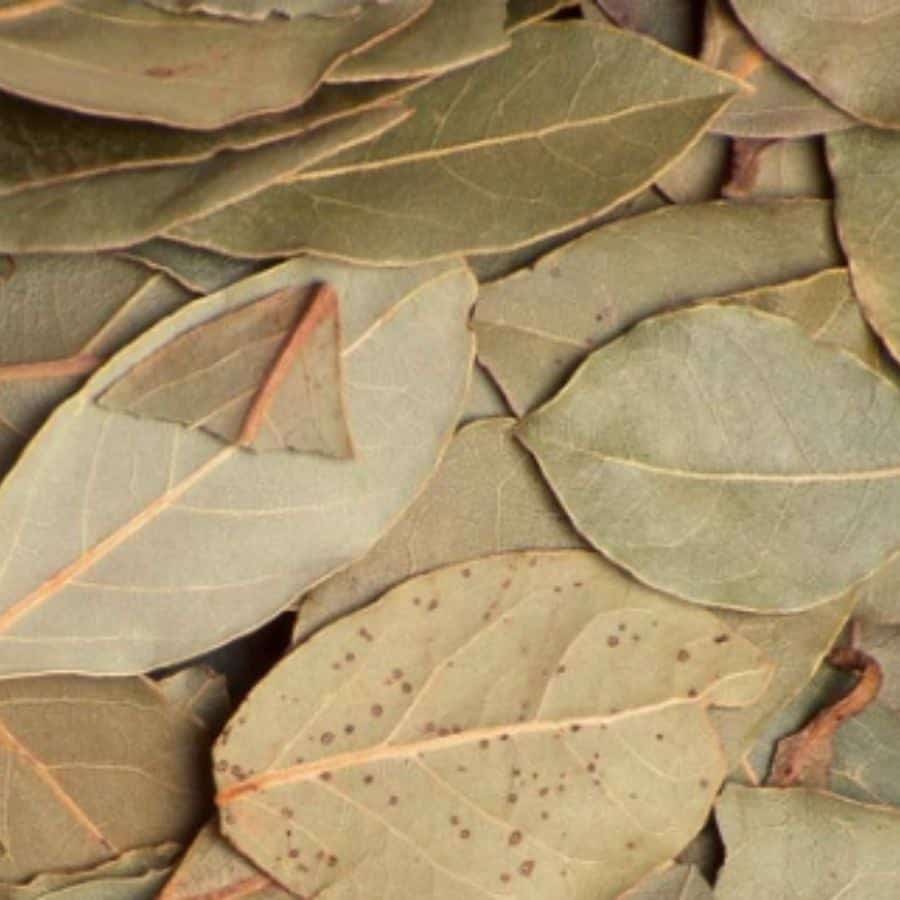
Try these fungus-fighting strategies:
- Mix crushed leaves into potting soil before planting
- Scatter leaves in greenhouses or damp areas prone to mildew
- Make a bay leaf tea spray for plants struggling with powdery mildew
While not as powerful as commercial fungicides, bay leaves provide a gentle, preventive shield – perfect for organic gardeners who prefer working with nature rather than against it.
They Attract the Good Bugs While Repelling the Bad
The difference between amateur and pro plant parents is simply knowing which insects to keep and which to repel. Bay leaves perform this balancing act perfectly.
While deterring harmful pests, the subtle aroma creates an environment where pollinators and beneficial insects thrive. It’s like hosting a garden party where only the VIP insects get past the velvet rope!
Scatter bay leaves near:
- Flower beds need more pollination
- Vegetable gardens require beneficial insects
- Fruit-bearing plants dependent on bees
By supporting pollinators while banishing pests, bay leaves help maintain your garden’s natural balance – creating a flourishing ecosystem without chemicals.
Your 5-Minute Bay Leaf Garden Hack
Ready to transform your garden with this kitchen spice miracle? Here’s your simple game plan:
- Grab some leaves: Use dried bay leaves (Laurus nobilis) from your kitchen or grocery store
- Crush them slightly: Break or tear to release those powerful oils
- Scatter strategically: Around vulnerable plants, in pots, along garden edges, or in compost
- Replace regularly: Refresh every 2-4 weeks or after heavy rain
- Compost the old ones: When they lose potency, add them to the compost for nutrients
For extra pest-fighting power, create a simple bay leaf spray by steeping 10-15 dried leaves in 2 cups of boiling water for 24 hours. Strain, add a drop of mild soap (optional), and spray on troubled plants weekly.
Your plants are trying to tell you something important: they don’t need expensive chemicals to thrive – just a little wisdom from your spice rack!

The Ultimate Eco-Friendly Garden Solution
In an age of increasing concern about chemical garden products, bay leaves offer a completely natural alternative that leaves zero toxic residue.
They’re biodegradable, sustainable, and safe for everyone, including pets, wildlife, and beneficial insects.
Unlike synthetic pesticides that can disrupt entire ecosystems, bay leaves work with your garden’s natural processes. They’re the ecological equivalent of whispering rather than shouting – gentle but remarkably effective.
Sometimes the most spectacular garden solutions aren’t new inventions but ancient wisdom rediscovered . Bay leaves have been protecting plants since Roman times – long before chemical companies existed!
So before reaching for that spray bottle of mystery chemicals, try this time-tested natural approach. Your garden (and the planet) will thank you.