
While everyone else is winding down their gardens, you might want to consider a different approach.
September is often overlooked as a planting month, but it’s actually a great time to direct sow herbs that will give you a nice head start come spring.
Why September Works So Well
You don’t have to wait until spring to start your herb garden. September offers growing conditions that even experienced gardeners sometimes overlook. The air is cool, but the soil still holds summer’s warmth.
This combination creates a good germination environment for many herbs. The best part? Weed pressure and pest populations drop in fall, giving your seedlings a better chance without competition.
Seeds planted in September can develop stronger root systems before winter dormancy. This makes them up to 3x more vigorous than spring-planted counterparts when warm weather returns.
9 Herbs That Do Well When Directly Sown in September
1. Parsley (Zones 4-9): The Cold-Weather Champion
This biennial herb does well in chilly weather. Direct sow now and you’ll have a good spring harvest while everyone else is still waiting for their seedlings to size up.
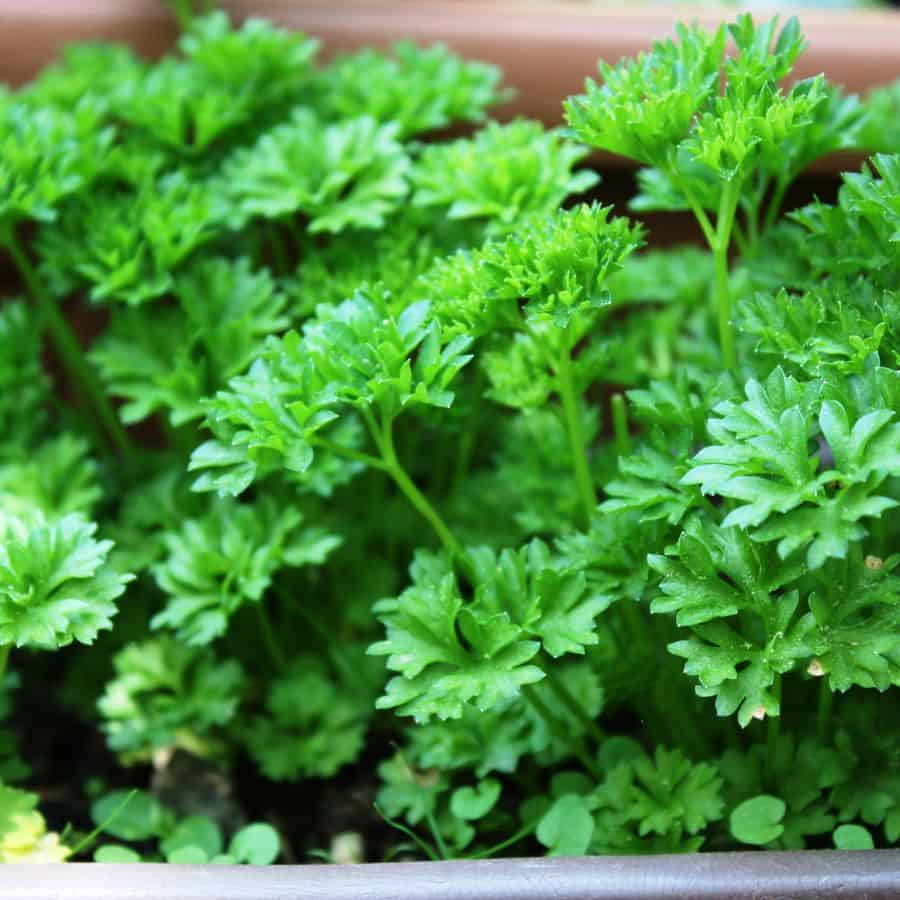
Quick tip: Soak seeds overnight before planting. Their seed coats are tough, and this simple step can cut germination time in half.
2. Cilantro (Zones 3-9): The Cool Season Superstar
Here’s something many people don’t realize: cilantro really doesn’t like summer heat. September planting means fresh cilantro in fall and another flush in spring before summer heat triggers bolting.
In zones 3-5, use a simple cold frame to extend your harvest well into winter.
3. Dill (Zones 3-9): The Non-Traveler
This annual herb might die back completely in colder regions, but in milder areas, it often survives winter to grow again in spring. The most common mistake people make with dill is trying to transplant it.
Dill develops a deep taproot. Disturb it, and the plant struggles. Always direct sow right where you want it to grow.
4. Fennel (Zones 6-9): The Space Lover
We’re talking about herb fennel here, not the bulbous type. This plant can return year after year in zones 7-9 if you give it a little winter protection. Fennel needs plenty of space to do well.
Important tip: Thin seedlings to 12 inches apart. Crowded fennel doesn’t perform as well.
5. Chives (Zones 3-10): The Resilient Survivor
Chives can survive temperatures down to -35°F when properly established. This perennial is tough once it gets going. In colder climates, a thick layer of mulch is all it needs to return with fresh growth in spring.
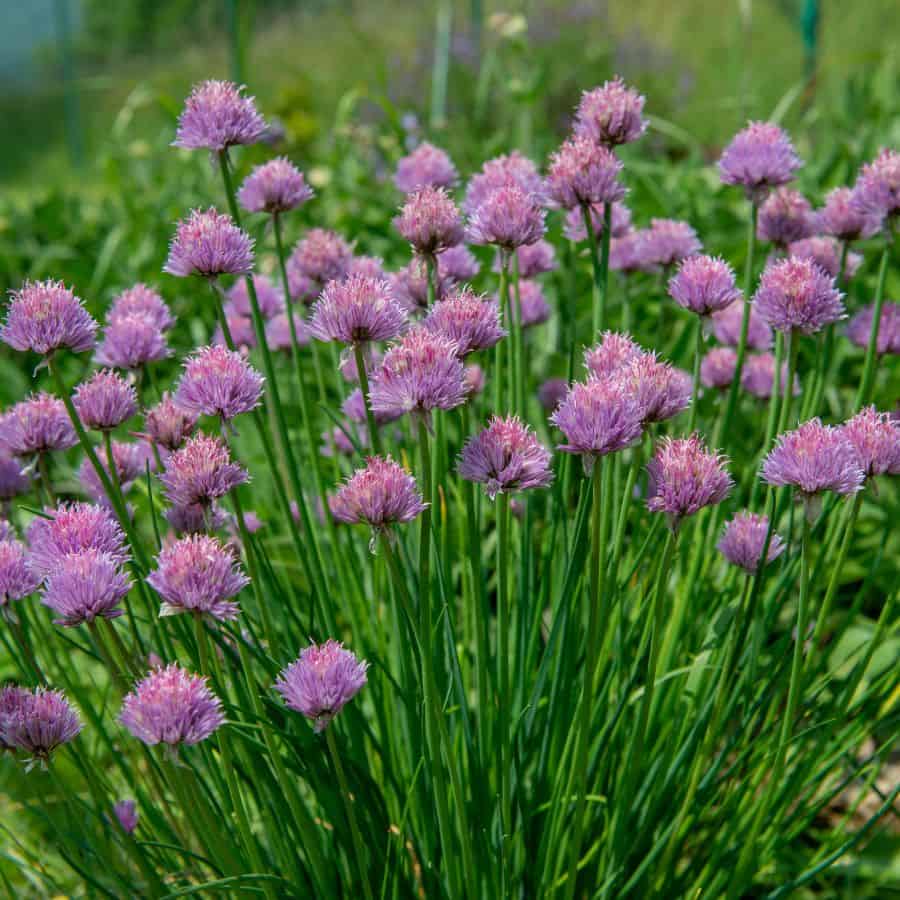
Chives are often overlooked for September planting. They establish quickly, divide easily, and keep producing for years with little care.
6. Oregano (Zones 5-10): The Light Seeker
This woody perennial adds Mediterranean flavor to your favorite dishes and is well-suited for direct sowing now. But here’s what matters most: oregano seeds need light to germinate.
Press seeds gently into the soil surface, but don’t cover them. They need to feel the light to sprout.
7. Rosemary (Zones 7-10): The Patient Teacher
Rosemary teaches gardeners patience. It takes 3-4 weeks to germinate. But that slow start becomes a lovely, aromatic perennial in warmer zones.
For zones below 7, container planting works better. It lets you bring this Mediterranean herb indoors when temperatures drop.
8. Sage (Zones 5-9): The Low-Maintenance Friend
Sage is reliable. This hardy perennial can be direct sown in September across most climate zones with little fuss.
Only in the coldest regions will sage seedlings need protection . Otherwise, this herb is pretty easy. Establish it once and enjoy its silvery-green leaves for years.
9. Mint (Zones 3-9): The Garden Colonizer
The difference between new and experienced gardeners often comes down to knowing when to contain a plant’s growth. Mint is the perfect example. It’s hardy but spreads aggressively.
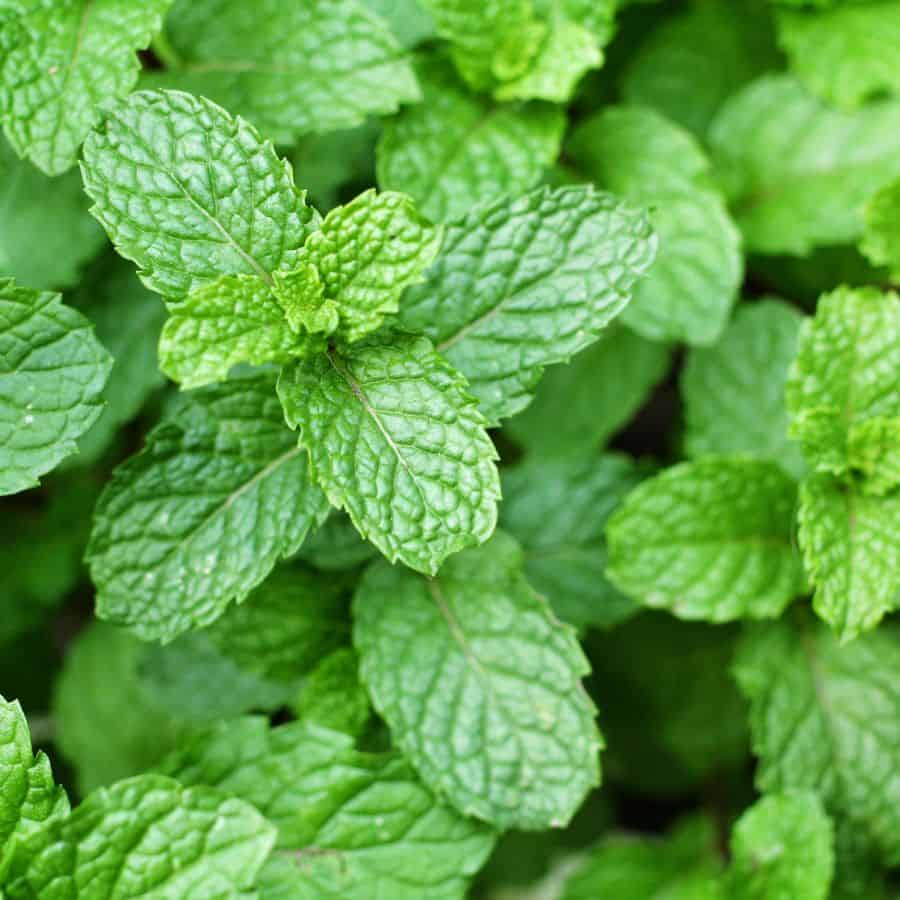
Important warning: Always grow mint in containers. I once planted mint directly in my herb garden. Two seasons later, it had taken over everything nearby.
Protecting Your Herbs From Frost
When temperatures drop, your herb seedlings will need some help to survive and reward you with growth in spring.
For zones with harsh winters, these protection strategies can help your September-sown herbs:
• Mulch heavily around plants once they’re established (2-3 inches thick) to insulate roots
• Use row covers to create a microclimate that’s 5-10°F warmer
• Consider cold frames for tender herbs like cilantro and dill
• For container herbs, group pots together against a south-facing wall for extra warmth
The September Advantage: Why Direct Sowing Wins Now
Spring gets most of the gardening attention, but September direct sowing offers real advantages for your herb garden:
• Seeds germinate in warm soil but grow in cool air, good conditions
• Less competition from weeds means less maintenance
• Fewer pests attacking vulnerable seedlings
• Plants develop stronger root systems before winter dormancy
• Many herbs will produce earlier harvests next spring
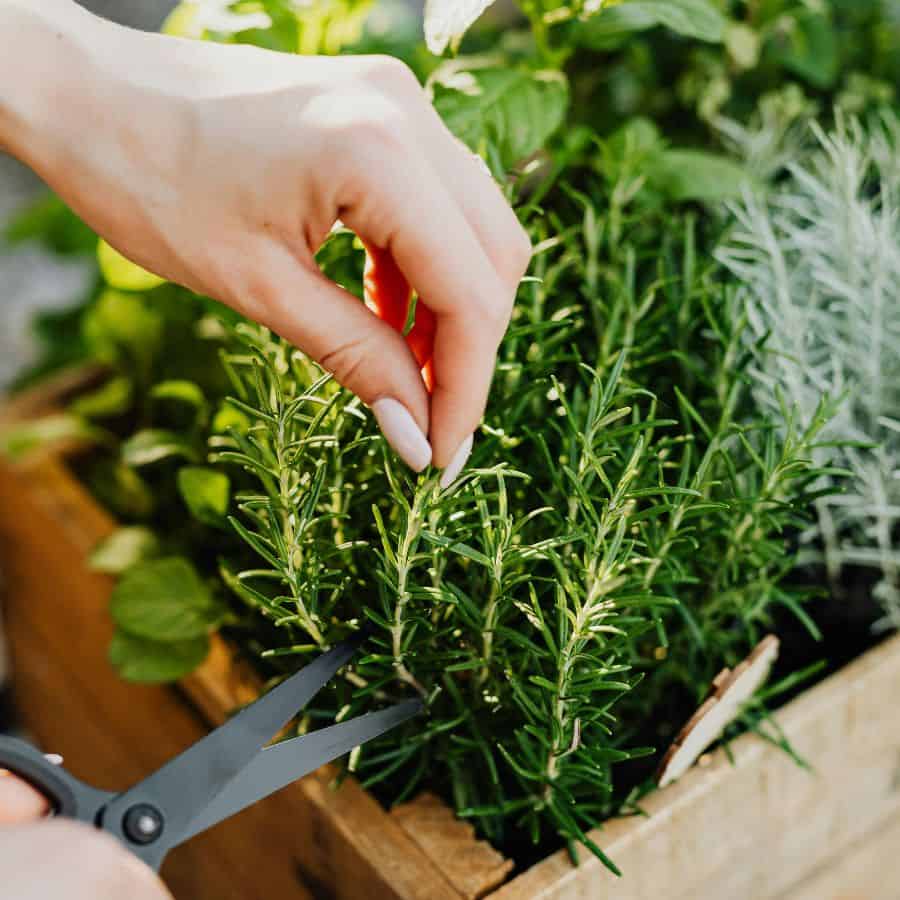
The real trick for your herb garden isn’t fancy equipment or expensive supplements. It’s about timing your planting to work with nature rather than against it.
So grab those seed packets, head outside, and give your future self the gift of established herbs that will be ready weeks before spring-planted alternatives even get started. Your spring cooking will thank you.