
That soggy mess at the bottom of your coffee maker? It’s gardening gold that you’ve been tossing in the trash.
Over 2 billion cups of coffee are consumed worldwide each day, creating mountains of grounds that could be transformed into gardens rather than filling landfills.
I was surprised to learn that those humble grounds pack enough nitrogen to rival commercial fertilizers, and they’re completely free.
Why Your Plants Actually Like Coffee Grounds
Coffee grounds are like a slow-release fertilizer for your garden. They contain about 2% nitrogen by volume, which releases gradually into your soil over several weeks.
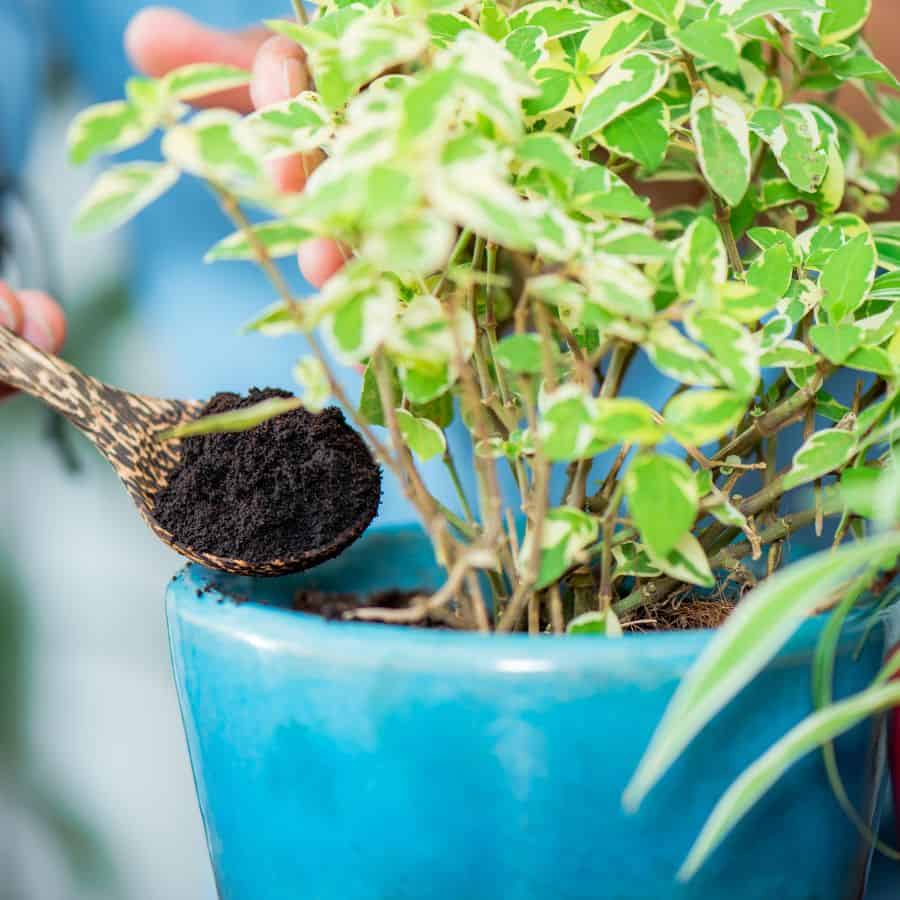
But there’s more to them than just nitrogen. Coffee grounds also:
- Lower soil pH (perfect for acid-loving plants)
- Improve soil structure and aeration
- Help soil retain moisture
- Attract earthworms
- Naturally repel certain pests and suppress weeds
The best part? This free resource is sitting in your kitchen trash right now.
17 Plants That Benefit from Coffee Grounds
1. Roses: Rich Blooms
Roses do well with coffee grounds mixed into their soil. The slow-release nitrogen promotes healthy foliage and boosts bloom production. You’ll notice fuller growth and more flowers when you add your morning brew to the soil.
2. Tomatoes: Heavy Feeders
Tomatoes thrive in slightly acidic soil (pH 6.0-6.8) and need plenty of nitrogen. A handful of grounds worked into the soil can make a real difference in your harvest size and fruit quality.
3. Blueberries: Serious Acid Lovers
Blueberries need acidic soil to thrive. They prefer a pH of 4.5-5.5, which is more acidic than most plants. Coffee grounds can help maintain that acidity level, resulting in plumper, more flavorful berries.
4. Hydrangeas: Color Changers
Hydrangeas can actually change bloom color based on soil pH. Coffee grounds can help shift blooms toward the blue-purple end of the spectrum by increasing soil acidity. It’s one of the more interesting ways pH affects plants.
5. Garlic: Better Bulbs
Coffee grounds improve soil structure around garlic, preventing compaction. This allows bulbs to expand more freely underground, which means bigger, more flavorful garlic.
6. Strawberries: Sweeter Berries
Strawberries respond well to the acidity and nitrogen in coffee grounds. You’ll often get sweeter, juicier berries.

As a bonus, the rough texture of coffee grounds helps deter slugs, which love strawberry plants.
7. Cucumbers: Better Yields
Cucumbers benefit from the coffee grounds’ moisture-retention properties. This helps prevent the bitter taste caused by drought stress. You’ll typically see improved yields and crunchier fruits.
8. Basil: Lush Growth
Want bigger basil plants? Coffee grounds deliver the nitrogen that fuels leaf growth. You’ll get bushier plants with more leaves to harvest.
9. Peppers: More Heat
Peppers actually produce more capsaicin (the compound that makes them spicy) when growing in slightly acidic soil. Coffee grounds create a good environment for hotter, more abundant peppers .
10. Pumpkins: Big Feeders
Pumpkins are heavy feeders that benefit from the nutrients in coffee grounds. Their sprawling vines and large fruits need plenty of support. Coffee grounds improve the soil structure these big plants require.
11. Fuchsias: Tropical Blooms
These flowering plants do well with coffee grounds mixed into their potting medium. Their tropical origins make them well-adapted to the acidic environment created by coffee.
12. Gardenias: Fragrant Flowers
Gardenias can be particular about soil pH. Coffee grounds help maintain the 5.0-6.0 pH they prefer, resulting in more of those wonderfully fragrant blooms.
13. Hostas: Shade Garden Stars
While hostas aren’t particularly acid-dependent, they respond well to the improved soil structure and slow nitrogen release from coffee grounds. You’ll typically see broader, healthier-looking leaves.

14. Squash: All Varieties
All varieties of squash benefit from the soil conditioning effects of coffee grounds. Their rapid growth and high feeding requirements make them good candidates for this amendment.
15. Rosemary: Better Drainage
Rosemary actually prefers slightly acidic soil, making coffee grounds a good addition. Improved drainage of coffee grounds helps prevent root rot, a common problem with this herb.
16. Mint: Vigorous Growth
Mint grows fast and spreads easily. Coffee grounds help channel that energy into healthier, more aromatic foliage instead of thin, leggy growth.
17. Onions: Loose Soil
Coffee grounds reduce soil compaction, allowing onion bulbs to expand more freely. The result is bigger, more uniform onions with better flavor.
How to Apply Coffee Grounds Correctly
The real trick is knowing how to apply coffee grounds without overdoing it. Too much can actually cause problems.
Follow these guidelines:
- Never apply fresh grounds directly – they can form a water-repellent crust
- Compost first – mix grounds with other organic materials for best results
- Aim for 10-20% coffee grounds in your soil mix, not pure grounds
- Use as a thin mulch layer (¼ inch max) if applying directly
- Test your soil pH regularly to avoid over-acidification
If you’re not a coffee drinker, most coffee shops give away used grounds for free . Just ask.
Simple Soil Test: Check Your pH
Before you add coffee grounds everywhere, check if your soil actually needs acidifying. This quick test requires only vinegar and baking soda:
- Collect two tablespoons of dry soil in separate containers
- Add ½ cup vinegar to one sample (fizzing = alkaline soil)
- Add ½ cup water + baking soda to the other (fizzing = acidic soil)
- No reaction to either? Your soil is neutral (pH 7)
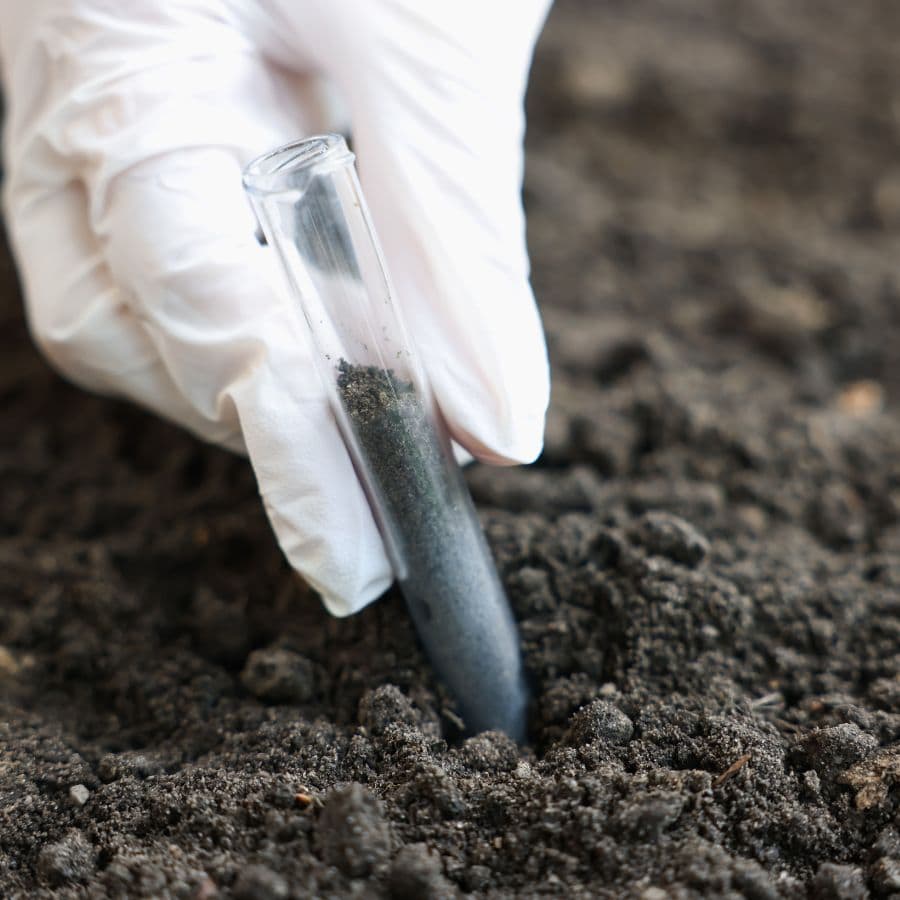
For more accurate results, pick up an inexpensive pH meter or test kit from any garden center.
Getting Started
Those coffee grounds you’re throwing away could be helping your garden. A study from Oregon State University found that roses fertilized with coffee grounds produced more flowers with larger blooms than control plants.
Start small with one or two plants and see how they respond. Keep track of the changes, and adjust from there. Your garden might benefit from tomorrow morning’s brew.