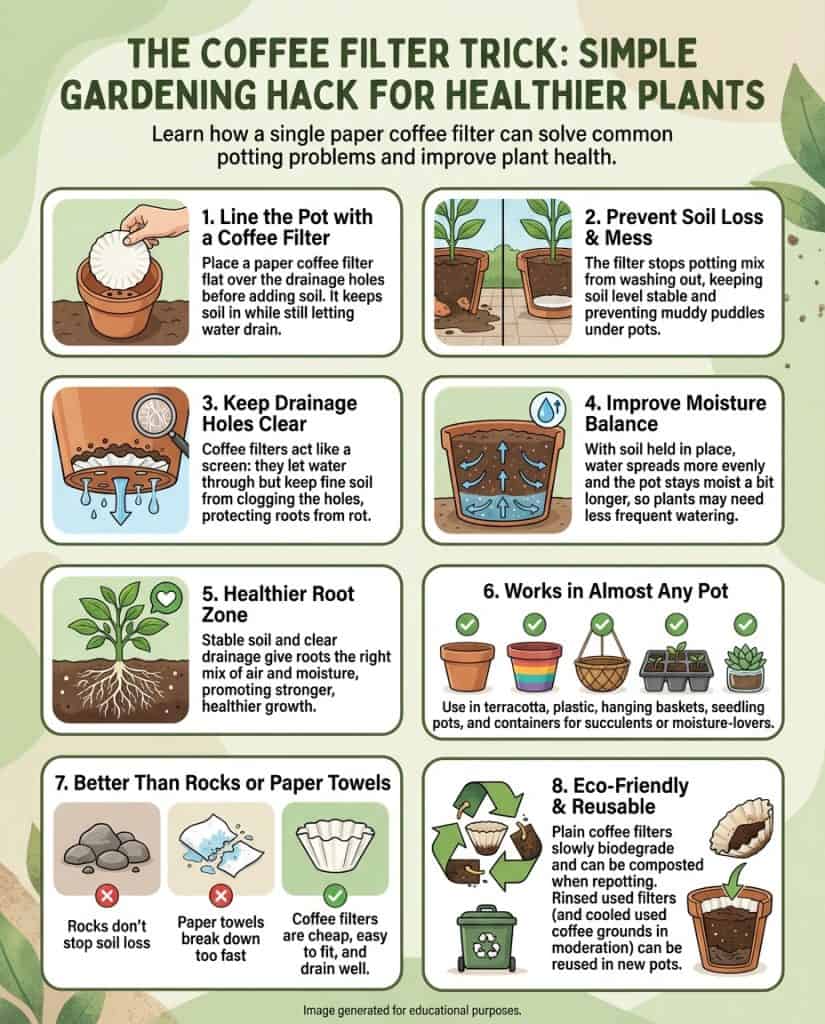
I was surprised to learn that one of the best tools for healthier plants has been sitting in my kitchen drawer this whole time.
A simple coffee filter can solve a common problem that affects most potted plants: soil loss through drainage holes.
What’s Really Happening in Your Flower Pots
Those drainage holes in your pots are essential, but they create an issue many gardeners don’t notice. Each time you water, small amounts of soil wash away along with the water.
Over time, this causes:
• Messy puddles of dirt under your pots
• Exposed roots as soil levels drop
• Clogged drainage holes that can lead to root problems
• Uneven moisture distribution
• Loss of potting soil you paid for
Here’s something worth knowing: the average houseplant can lose up to 20% of its soil volume through drainage holes each year. That adds up over time.
How Coffee Filters Help
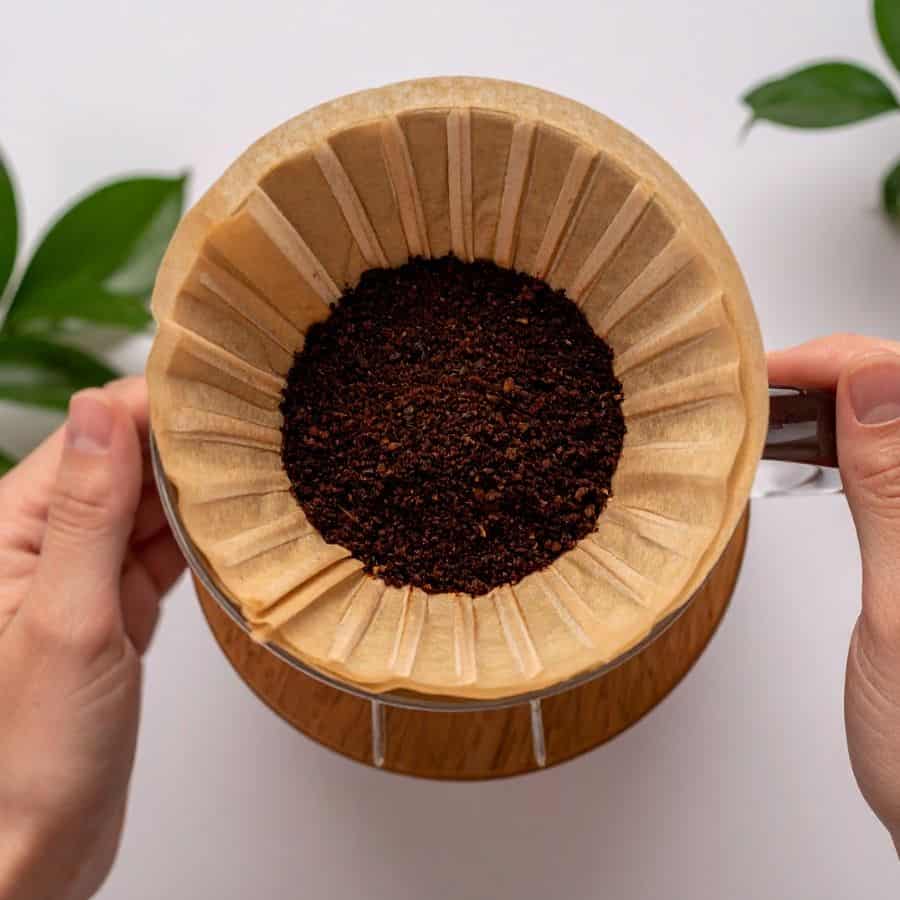
A paper coffee filter creates a simple barrier at the bottom of your pot. It lets water drain through while keeping soil in place.
Think of it like a screen door. Water passes through freely, but soil and nutrients stay where your plant needs them.
This barrier:
• Prevents soil loss while maintaining drainage
• Keeps drainage holes clear
• Helps with water retention
• Maintains better soil structure for roots
How to Use Coffee Filters in Your Pots
Adding a coffee filter takes about a minute. Here’s what to do:
- Take a standard paper coffee filter (flat-bottomed ones work well)
- Place it at the bottom of your pot, covering the drainage holes
- Add your potting soil and plant as usual
That’s it. The filter will do its job for months.
5 Benefits You’ll Notice
Once you start using coffee filters in your pots, you’ll see some real improvements:
1. Cleaner drainage water: No more dirt stains on your furniture or windowsills
2. Soil stays in place: Your potting mix stays where it belongs
3. Better moisture balance: Plants may need watering less often
4. Healthier roots: Roots get consistent moisture and proper air flow
5. Less mess: No more dirt piles appearing under your houseplants
Works for Most Plants
This method works well for different types of plants:
• Moisture-loving houseplants that need good drainage
• Succulents that need water to drain quickly
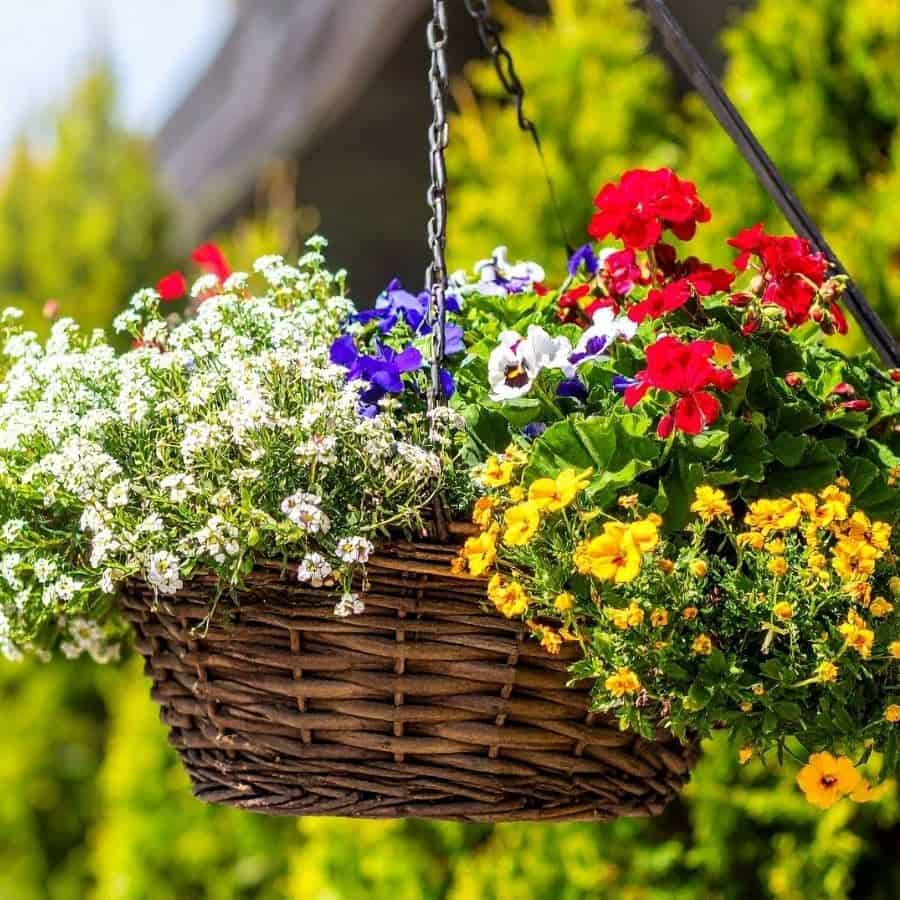
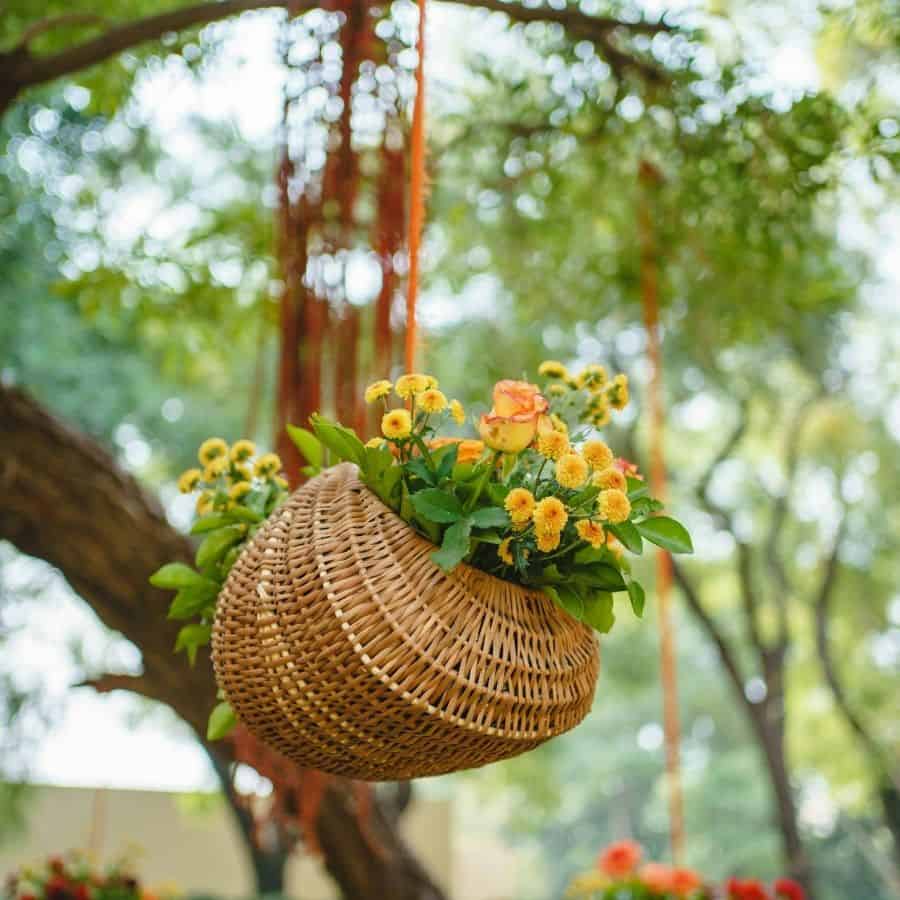
• Hanging baskets that tend to drip
• Seedlings that need consistent moisture
• Terracotta pots that dry out fast
• Plastic containers that sometimes hold too much water
The filter helps create that balance between too wet and too dry that most plants do best with.
What About Other Options?
You might wonder if rocks or gravel work just as well. Here’s the thing:
• Rocks and gravel: Add weight but don’t actually stop soil from washing through
• Mesh screens: Can work but are harder to fit and cost more
• Paper towels: Break down too quickly and can get soggy
Coffee filters are lightweight, cheap (just pennies each), and have the right texture to let water through while holding soil back.
An Earth-Friendly Bonus
Coffee filters are biodegradable, so they’ll eventually break down into organic matter. This actually benefits your plants over time.
If you make coffee at home, you can even rinse and reuse your used filters for this. They’ll last through a typical potting cycle (1-2 years) before breaking down. When you repot, just add a fresh filter and compost the old one.

Quick tip: Those used coffee grounds can go into your potting mix, too. They add nitrogen that plants use.
A Simple Fix Worth Trying
For less than a penny per pot, you can create a better environment for your plants. This small adjustment helps them get the right balance of moisture, air, and stable soil.
It’s one of those simple changes that makes a real difference. Your plants will likely look healthier, and you’ll deal with less mess. Give it a try next time you’re potting or repotting something.