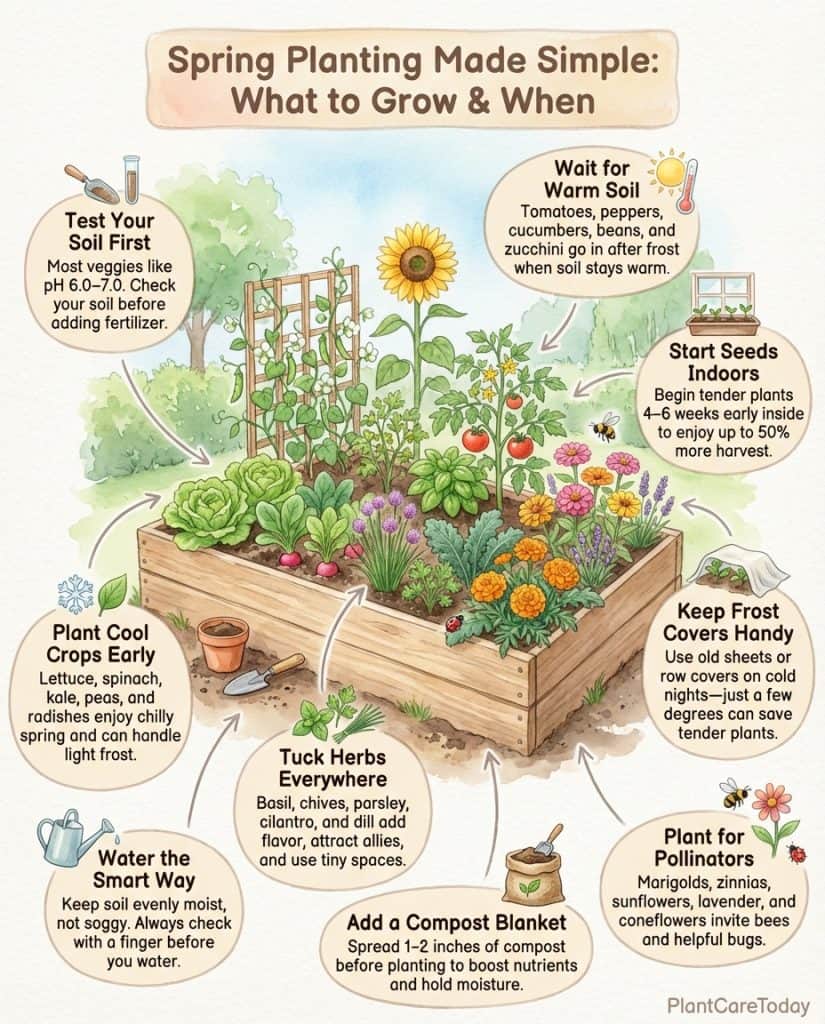
Think you’ve run out of spring planting ideas? Most gardeners only use about 30% of the plants that actually grow well in spring.
Whether you’re looking at empty garden beds or want to add more variety, this guide covers what you can plant throughout the season.
Early Birds: Cool-Season Veggies That Laugh at Frost
Here’s something interesting: these cool-season vegetables actually taste better when grown in chilly weather. They need those cooler temperatures to develop their best flavor.
- Lettuce – Plant new seeds every two weeks for a continuous harvest throughout spring.
- Spinach – Prefers temperatures between 35-75°F and produces sweeter leaves in cooler weather.
- Kale – Can handle temperatures down to 20°F. (If you’re not a fan of the taste, it blends well with fruit in smoothies.)
- Radishes – Ready to harvest in just 3-4 weeks. They add color underground while you’re waiting for flowers to bloom.
- Peas – Taste sweetest when grown in cool soil. Sugar snap varieties can develop up to 30% more natural sugars in cold conditions.
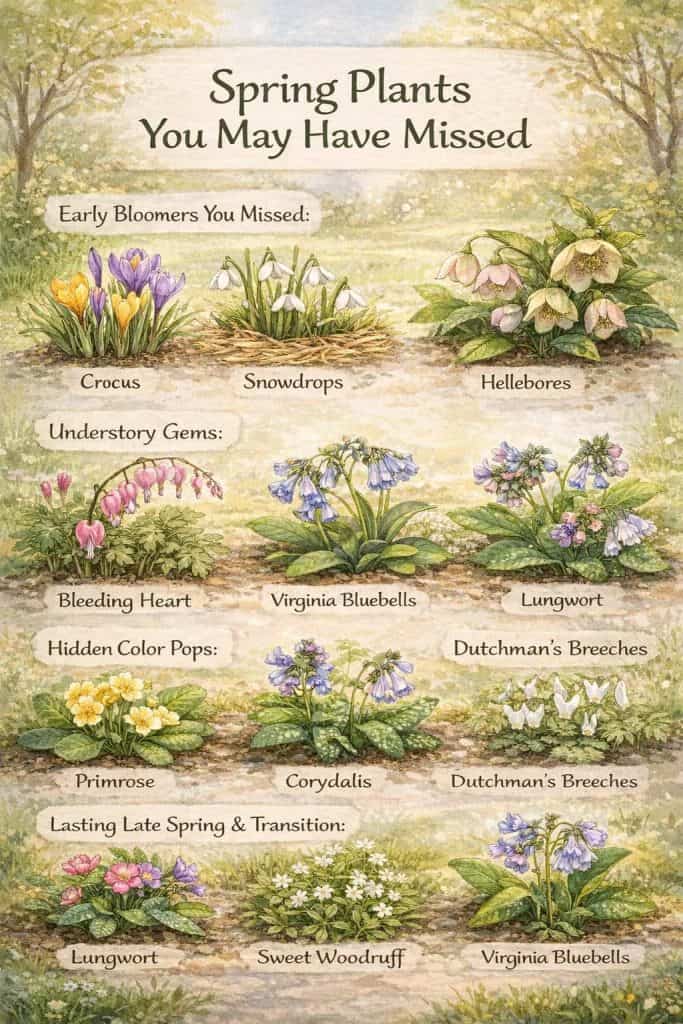
Heat Seekers: Warm-Season Vegetables Worth the Wait
Once your last frost date passes, these warm-season crops can go in the ground. They need consistent warmth to grow well and won’t tolerate any cold.
- Tomatoes – Need warm weather to develop their full flavor. Planting too early just stresses them out.
- Peppers – Both sweet and hot varieties need sunshine to produce. Even a light frost can permanently damage them.
- Cucumbers – Despite their crisp texture, these plants love heat. The real trick is keeping soil temperature above 70°F consistently.
- Zucchini – Need warm soil to get started, but once they do, they produce heavily. One or two plants will give you plenty.
- Beans – Both bush and pole types don’t like cold soil. The most common mistake is overwatering—keep soil moist but not soggy to prevent root rot.
Herb Heaven: Aromatic Additions That Define Spring
Herbs pack a lot of flavor into small spaces. Spring’s moderate temperatures bring out their best aromas.
- Basil ❤️ Tomatoes – The classic spring herb that grows quickly. Plant it near tomatoes for better flavor and some natural pest protection .
- Cilantro – Goes to seed fast in hot weather, so spring is your best window to grow it.
- Parsley – Can handle partial shade, which makes it useful for spots that don’t get full sun.
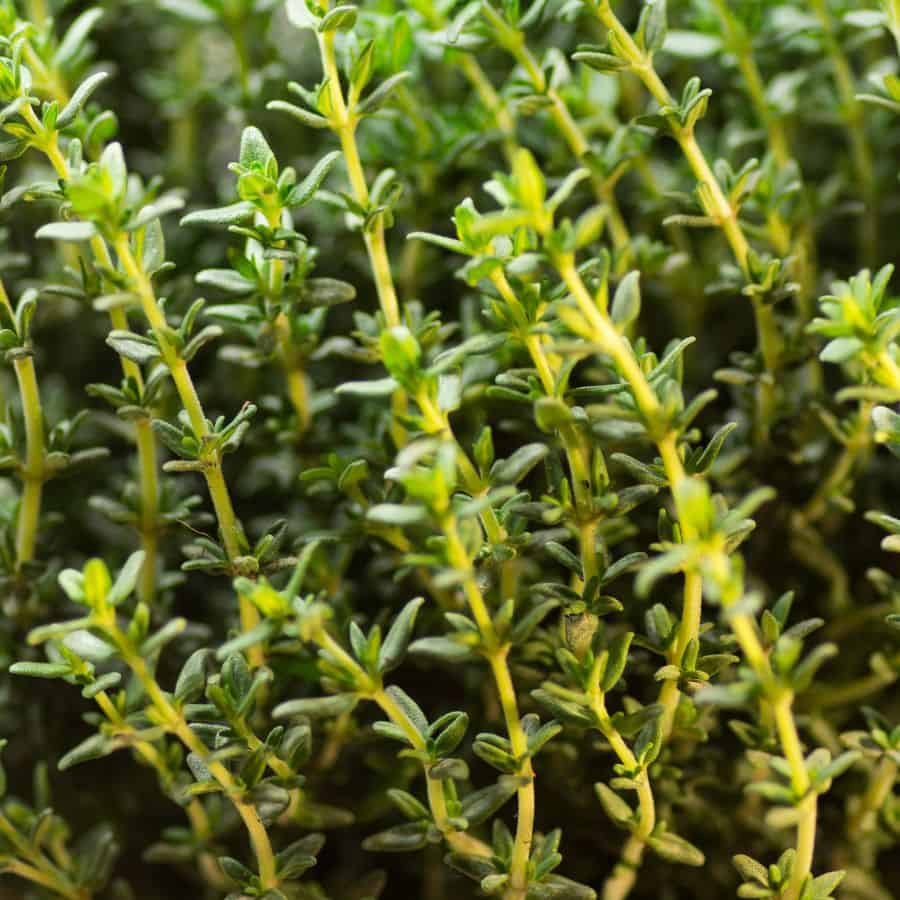
- Chives – A perennial that comes back every year and tolerates light frosts . One clump can be divided into 10 or more new plants.
- Dill – Attracts beneficial insects like lacewings that eat garden pests. Think of it as pest control that also flavors your cooking.
Pollinator Paradise: Flowers That Work Harder Than You Do
These flowers do more than look nice. They attract beneficial insects that help your whole garden thrive.
- Marigolds – Release compounds that repel harmful insects while their bright colors attract pollinators.
- Sunflowers – Attract over 70 species of beneficial insects and can increase nearby crop yields by up to 20%.
- Lavender – Attracts bees while keeping away mosquitoes, flies, and moths.
- Zinnias – Easy to grow and loved by butterflies. They bloom continuously until the first frost.
- Coneflowers – These native perennials handle drought well once established. Their seedheads feed birds even after the flowers fade.
Spring Success Secrets: Tips That Transform Gardens
Getting the basics right makes a big difference in how well your plants grow.
- Test before you invest – Soil testing shows what nutrients you’re missing. Most vegetables prefer a pH between 6.0 and 7.0.
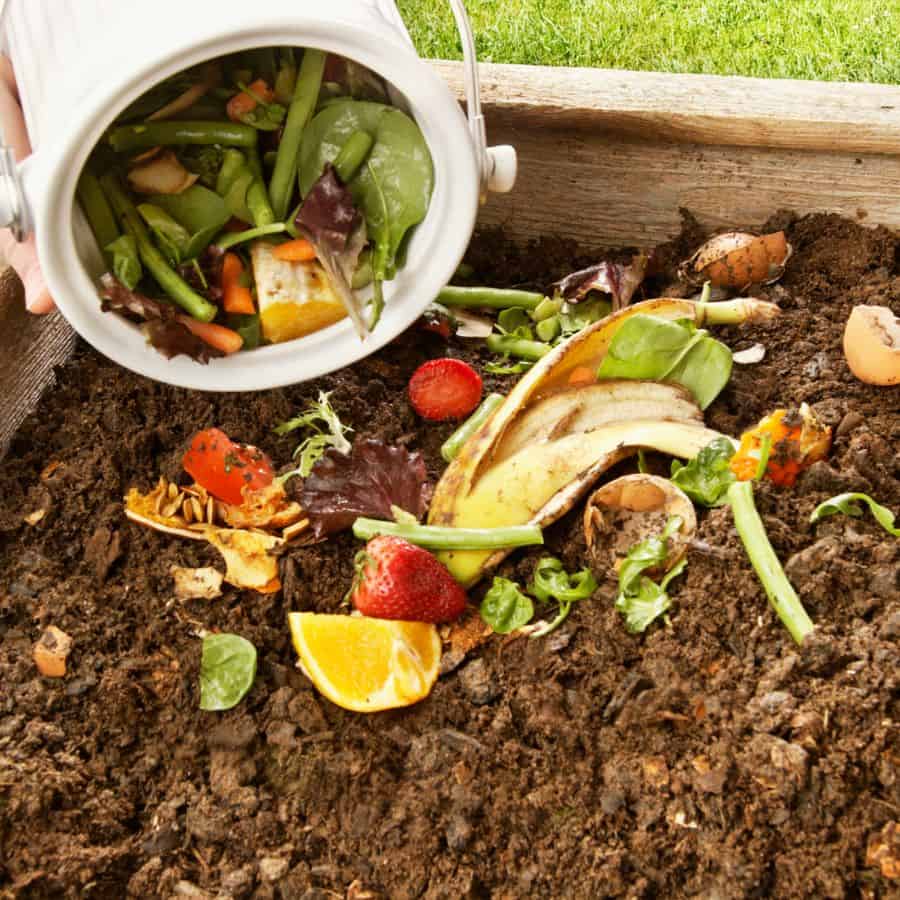
- Compost is king – Adding 1-2 inches of compost can increase water retention by up to 30% and boost soil health.
- Frost protection plan – Keep old sheets, cloches, or row covers handy for when temperatures drop. A degree or two can make the difference for tender plants.
- Indoor head start – Starting seeds indoors gives plants a 4-6 week advantage and can increase your harvest by up to 50%.
- Watering wisdom – Consistent moisture matters, but overwatering kills more plants than underwatering. Check soil moisture with your finger before watering.
The difference between new and experienced gardeners is knowing which plants need what and when. Spring isn’t just one planting date. It’s a progression from cold to warm weather, with different planting windows for different crops.
Next time someone says they’ve run out of things to plant in spring, you’ll know better. There are plenty of options once you understand the timing.