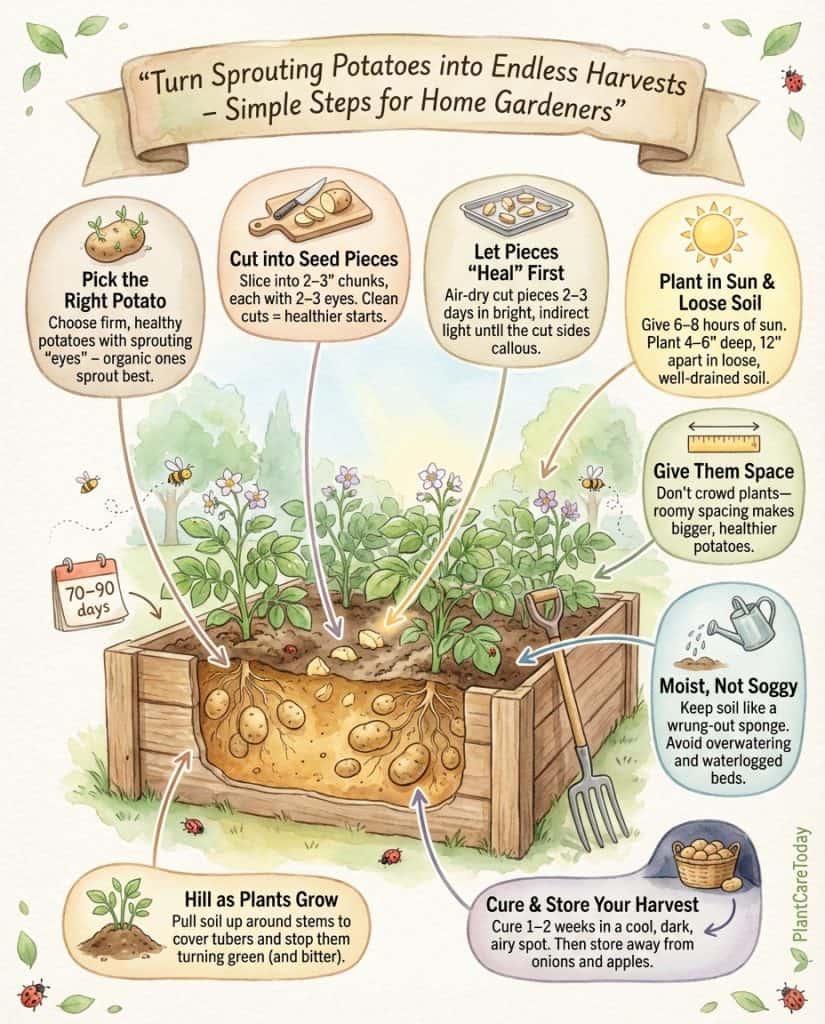
Forget buying potato seed sets! That shriveled spud with weird sprouting eyes in your pantry? It’s literally begging to become your next garden superstar.
Did you know that a single potato plant can produce up to 10 pounds of potatoes? That’s dinner for weeks from something you almost tossed in the trash!
Let’s transform those forgotten potato scraps into a spectacular harvest that would make any farmer proud.
The Potato Matchmaking Game: Choosing Your Perfect Spud
Not all potato scraps are created equal. The secret most plant experts won’t tell you is that success begins before you even touch the soil. Your potato parent needs to be in prime condition to produce healthy offspring.
Look for potatoes with these star qualities:
- Smooth skin without deep wounds or suspicious spots
- Visible “eyes” that are already sprouting (these are your future plants!)
- Firm texture that doesn’t give under gentle pressure
Pro tip: Organic potatoes often sprout more readily than conventionally grown ones, which may be treated with sprout inhibitors. Your forgotten organic potatoes are garden gold!
Surgery Time: Prepping Your Potato Pieces
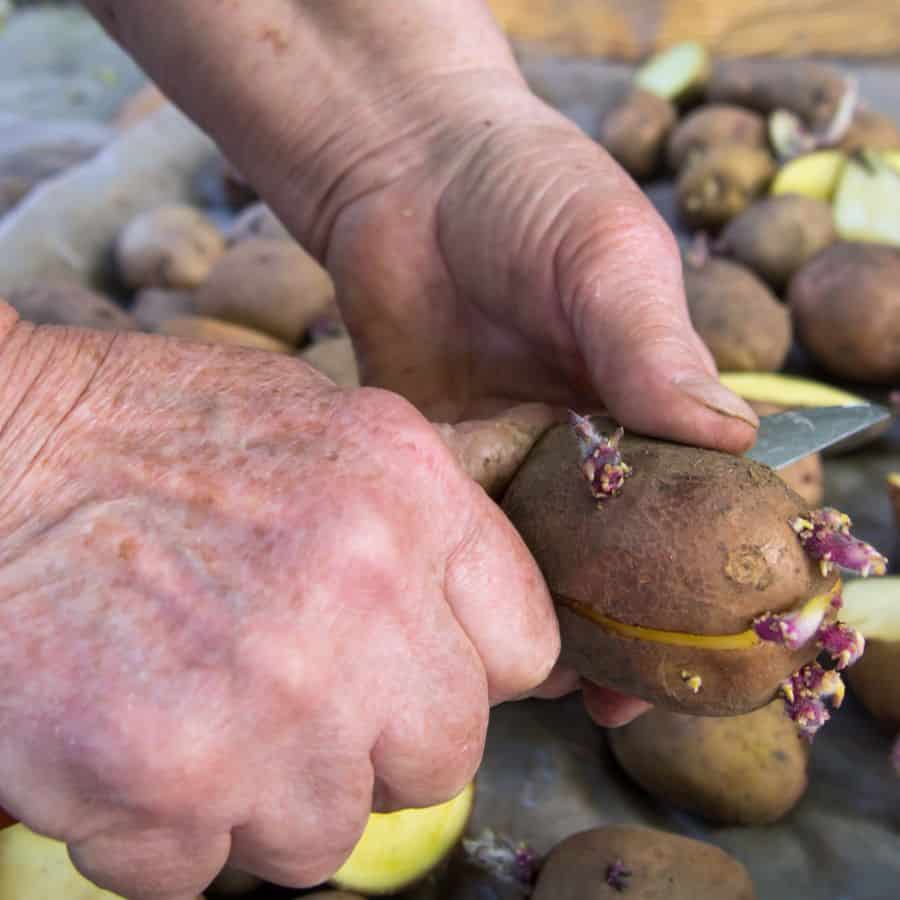
Ready to play potato surgeon? Grab a sharp knife and transform that single potato into multiple plants.
- Cut your potato into chunks roughly 2-3 inches in size
- Ensure each piece has at least 2-3 sprouting eyes
- Make clean, decisive cuts to minimize damage
Most people make this mistake with their potato scraps: planting them immediately after cutting. This is the express lane to Rot City, population: your disappointed hopes and dreams.
The Crucial Callous Period (Your Patience Will Be Rewarded!)
I was shocked to discover that this step makes or breaks your potato-growing success. Think of it like letting a wound heal before swimming. Your potato pieces need a protective “skin” before they come into contact with the soil.
Lay your cut potato pieces on a tray in a dry, indirect light location for 2-3 days. You’ll notice the cut surfaces drying and forming a callous.
This natural bandage prevents rot and disease once the plant is established. Skipping this step is like diving into a pool with an open wound… in shark-infested waters.
Planting Day: Where the Magic Happens
Your patient waiting has paid off! Those calloused potato pieces are now ready for their new home. Potatoes are like teenagers. They require ample space, proper nutrition, and just the right amount of attention.
For planting success:
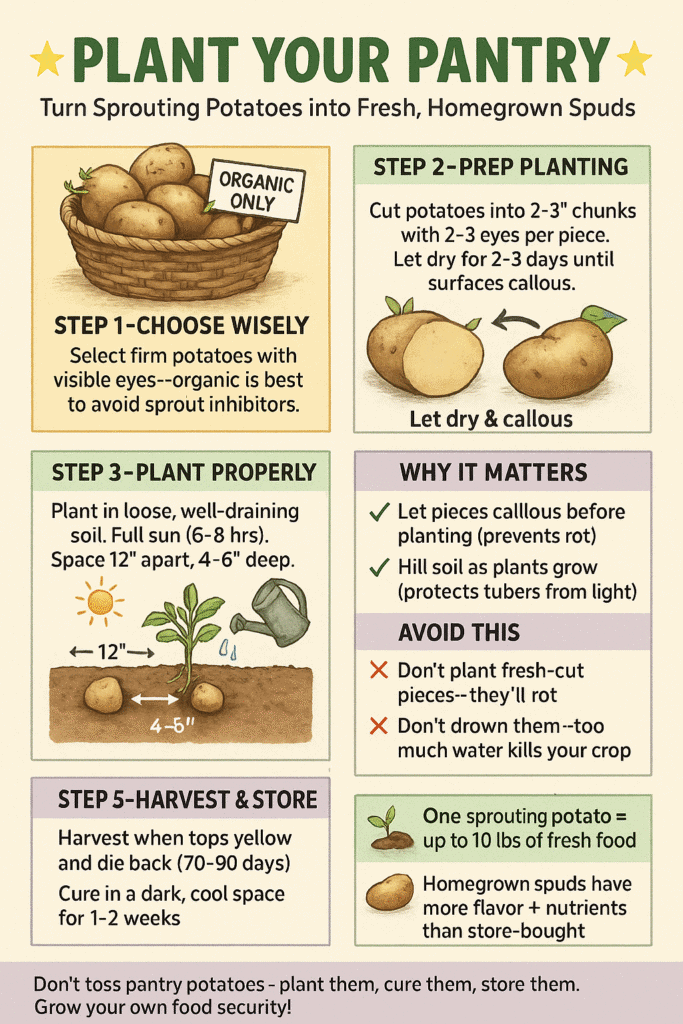
- Choose a location with 6-8 hours of direct sunlight
- Use loose, well-draining soil (potatoes dislike wet feet).
- Plant each piece cut-side down, 4-6 inches deep
- Space pieces 12 inches apart to give tubers room to develop
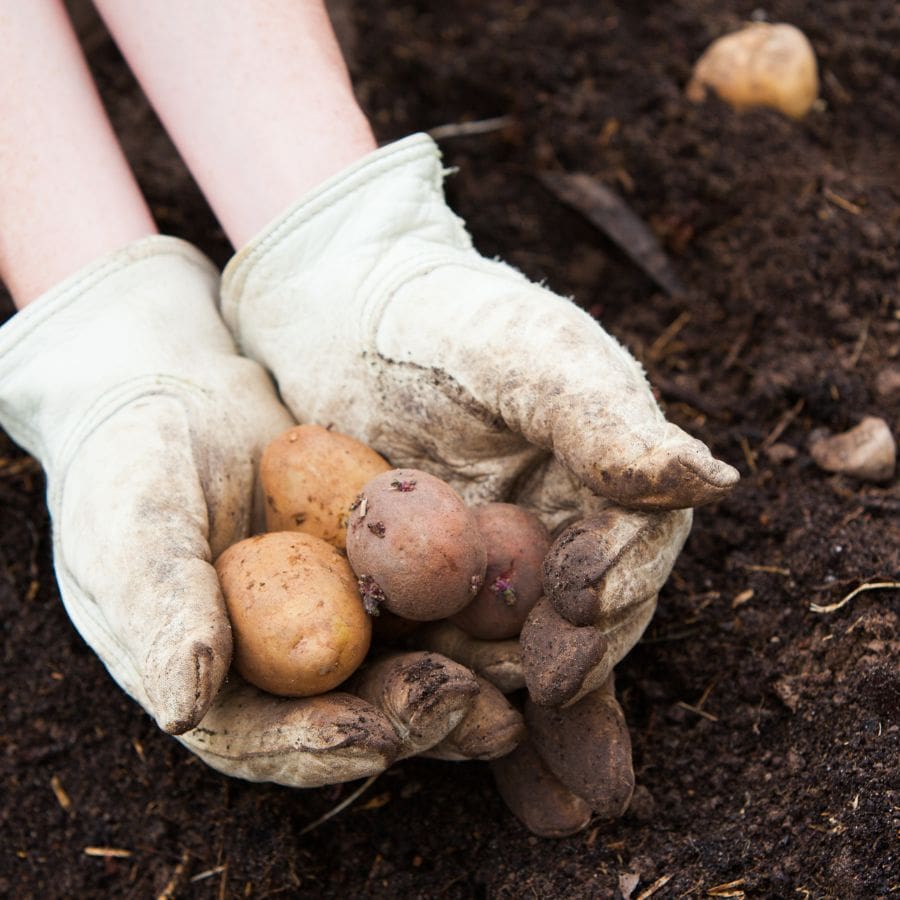
The game-changer for your potato crop isn’t what you think… It’s not fancy fertilizer or special watering schedules. It’s all about the space and depth. Crowded potatoes are sad potatoes.
Aftercare: Babysitting Your Buried Treasure
Your potatoes are trying to tell you something important: “Don’t drown us!” The #1 killer of potato plants is overwatering. These plants need consistent moisture, not a swimming pool.
Perfect potato parenting includes:
- Watering lightly but consistently (soil should feel like a wrung-out sponge)
- “Hilling” soil around plants as they grow taller (this protects developing tubers)
- Covering any exposed tubers to prevent greening (green = potentially toxic)
The difference between amateur and pro plant parents is simply knowing when to back off and let nature work its magic. Your potatoes will flourish with just the right care, not helicopter parenting.
Harvest Day: Digging for Edible Gold
In just 70-90 days (the blink of an eye in gardening time), your patience transforms into a spectacular harvest! When the plant tops begin to yellow and die back, your underground treasures are ready.
Harvest like a pro:
- Wait until the tops are mostly dead for mature potatoes
- Use a garden fork to gently loosen soil (stay 6+ inches from plant stem)
- Lift plants and search the surrounding soil like a treasure hunter
- Handle fresh potatoes like fragile eggs. Their skins are delicate!
The Final Secret: Curing for Potato Perfection
Forget what you’ve heard about potatoes being ready to eat straight from the ground! The secret to long-lasting, flavorful potatoes is proper curing.
Brush off excess soil (don’t wash them!) and place harvested potatoes in a dark, cool (50-60°F) location with good air circulation for 1-2 weeks. This miracle process toughens skin, heals minor wounds, and extends storage life by months.
Store your cured potatoes in a cool, dark place away from onions and apples (they release gases that cause sprouting). Properly stored, your homegrown potato harvest can last 2-6 months, far longer than store-bought spuds!
The Healthiest Potatoes You’ll Ever Eat
Red and white potatoes aren’t just another pretty face in the garden. They’re nutritional powerhouses! They contain up to 60% more folate and niacin than russet potatoes and are packed with potassium, vitamin C, and antioxidants that support brain and heart health.
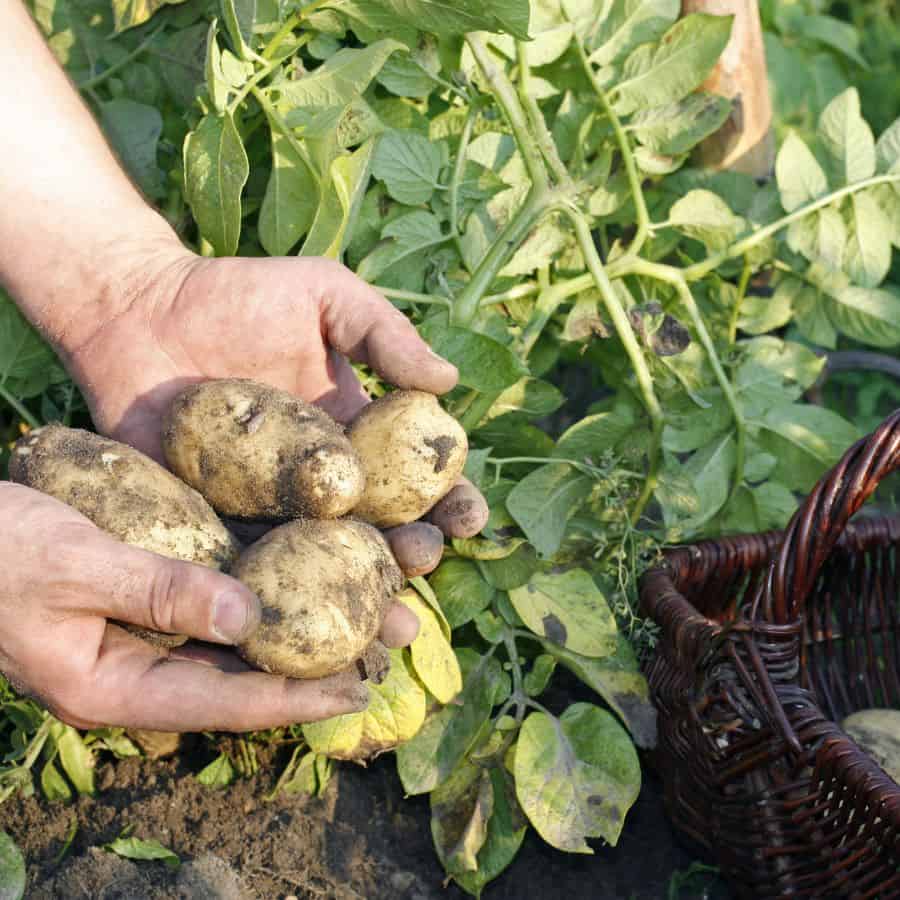
Their waxy texture makes them perfect for roasting, potato salads, and soups where you want them to hold their shape. Once you taste the vibrant flavor of homegrown potatoes, the bland grocery store varieties will feel like a sad compromise.
Ready to transform those potato scraps into garden gold? Those sprouting eyes aren’t signs of age—they’re your garden’s next thriving crop just waiting to flourish!