Think gardening season is over? Think again! While your neighbors mourn their faded flower beds, you could be harvesting fresh, aromatic herbs straight through winter. November isn’t the end.
It’s the perfect time to start your bucket herb garden, indoors or out. I was shocked to discover that herbs grown in cold weather often develop more concentrated flavors than their summer counterparts!
Why Buckets Are Your Secret Weapon This November
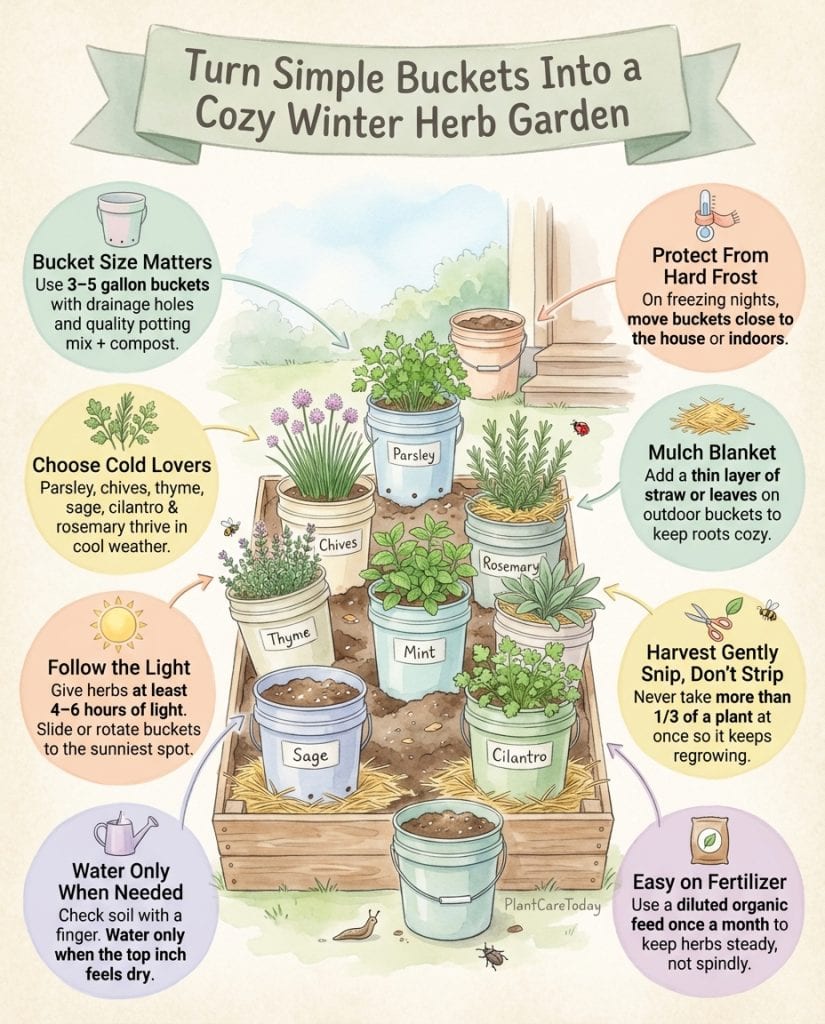
Forget fancy planters. Everyday buckets might be the most underrated garden hack of all time. They’re basically the superhero sidekicks of cold-weather herb gardening, and here’s why:
- Mobility masters: When frost threatens, just grab and go! No digging required.
- Drainage champions: A few holes in the bottom and you’ve got the perfect environment for healthy roots.
- Space savers: Whether it’s a tiny balcony or kitchen corner, buckets fit where traditional gardens can’t.
- Heat traps: Bucket soil warms faster in winter sun, like a cozy blanket for your herb roots.
- Pest bouncers: Elevate those herbs to keep slugs and other cold-weather pests from crashing your garden party.
Aim for 3-5 gallon buckets with proper drainage holes. Your herbs will thank you for filling them with quality potting mix enriched with compost or worm castings. Think of it as a five-star hotel for your plants!
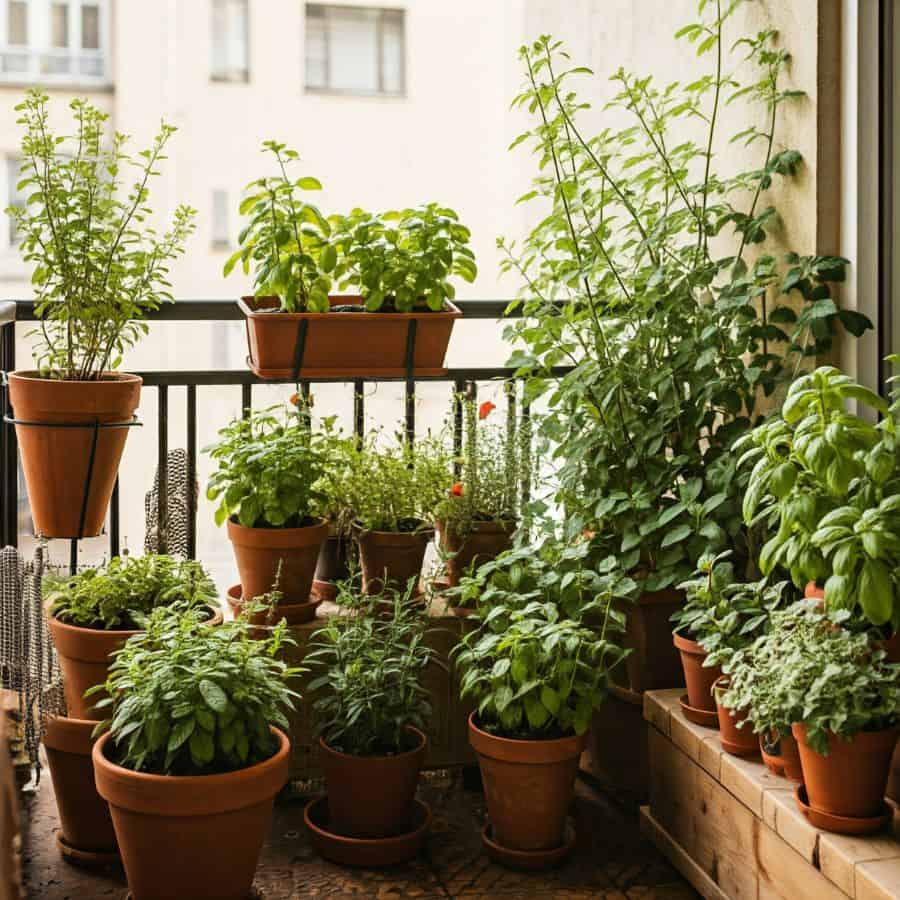
10 Herbs That Will Transform Your Winter Kitchen
The game-changer for your winter cooking isn’t another kitchen gadget. It’s having these fresh herbs at your fingertips.
Here are the top performers that are practically begging to grow in your November buckets:
1. Parsley: The Cold-Weather Superstar
Parsley doesn’t just tolerate cold weather; it thrives in it. It thrives in it! Those chilly days actually intensify its flavor.
Plant it in a 12-inch-deep bucket filled with rich soil and keep it consistently moist.
Did you know that fresh parsley contains more vitamin C than oranges by weight? Talk about a winter immune booster!
2. Chives: The Frost Fighters
These resilient little herb warriors can survive temperatures that would kill other herbs. Their mild onion flavor will transform your winter soups and omelets from bland to brilliant.
Plant them in a 10-inch bucket, give them sunshine, and watch them flourish while others surrender to winter.
3. Thyme: The Low-Maintenance Miracle
Your thyme isn’t just flavoring your roasted potatoes. It’s fighting germs! This Mediterranean herb loves the dry conditions of indoor winter air.
Plant in sandy, well-draining soil and let the top inch dry between waterings. Thyme is like that friend who never complains. It thrives on neglect and still shows up when you need it.
4. Mint: The Container’s Best Friend
Mint in buckets isn’t just convenient. It’s strategic! This herb spreads like office gossip when planted in the ground.
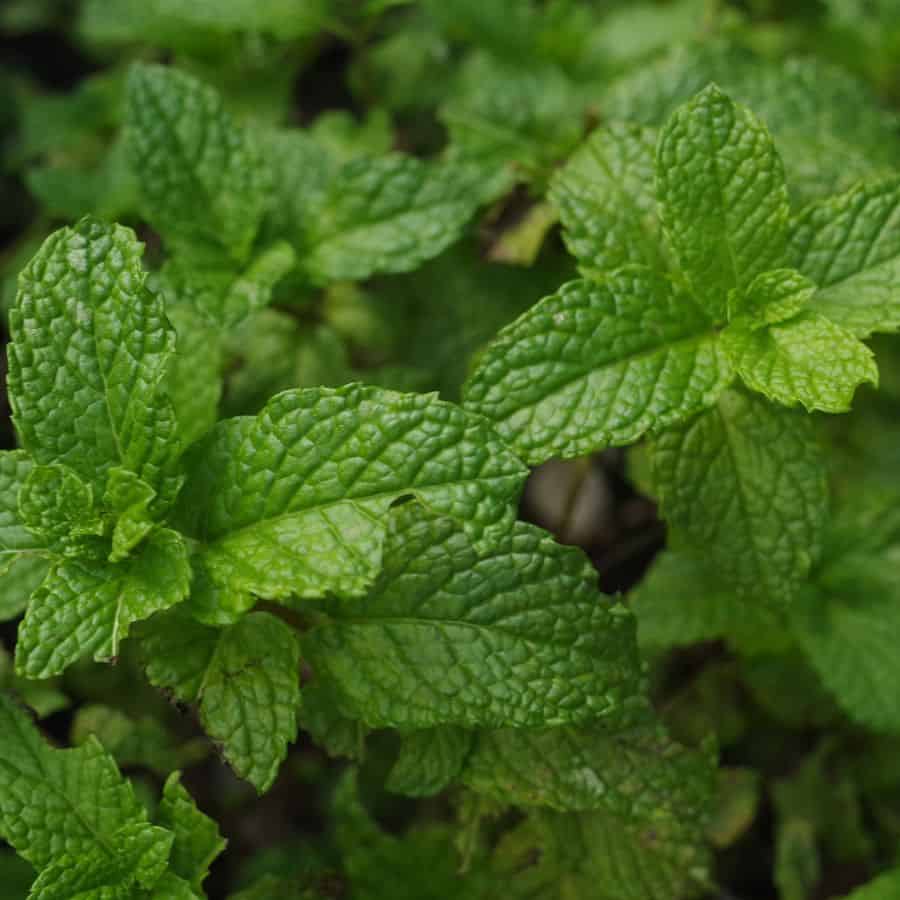
In buckets, it stays contained while still providing leaves for tea and desserts all winter. Keep the soil moist but not soggy, and place in bright light for best results.
5. Rosemary: The Aromatic Evergreen
Rosemary is the marathon runner of the herb world. It keeps going when others give up. Plant it in a 12-inch bucket with sandy soil and don’t overwater (wet feet make rosemary miserable).
When temperatures drop below freezing, bring it indoors to a south-facing window where its piney fragrance will make your home smell like a winter forest.
6. Cilantro: The Cool-Season Rebel
Most people make this mistake with their cilantro: they plant it in summer when it quickly bolts. The secret? Cilantro is actually a cool-weather lover!
November is its prime time. Use a deep bucket to accommodate its taproot, and you’ll be adding fresh cilantro to your winter tacos while everyone else settles for the dried stuff.
7. Oregano: The Mediterranean Survivor
This herb brings a touch of sunny Mediterranean hillsides to your winter kitchen. Plant oregano in a 10-inch bucket with sandy soil, water sparingly, and trim regularly to keep it bushy.
It’s packed with more antioxidants than blueberries, making it both a delicious and healthy addition to your winter meals.
8. Sage: The Winter Beauty
With its velvety, gray-green leaves, sage looks as good as it tastes. It loves cool weather and will reward you with aromatic leaves perfect for holiday cooking.
Plant in a 12-inch bucket with well-drained soil, and water only when the top inch feels dry. Sage is like that elegant friend who somehow looks better in winter attire.
9. Dill: The Quick Grower
Need quick results? Dill is your herb! It sprouts rapidly even in cooler temperatures. Use a deep bucket (12+ inches), plant seeds directly, and keep the soil consistently moist.
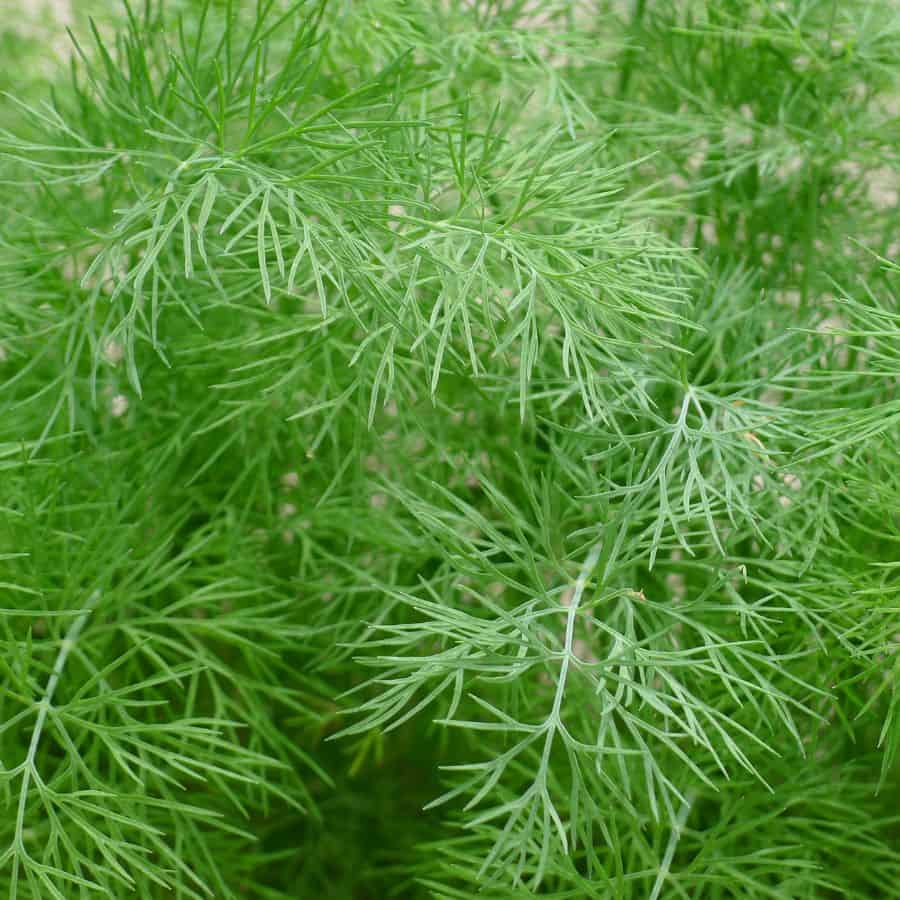
Those feathery fronds will add a fresh punch to your winter fish dishes and salads when everything outside looks barren.
10. Lemon Balm: The Winter Mood Booster
When winter blues hit, lemon balm is the perfect antidote. This hardy perennial brings a burst of citrus fragrance to your home. Plant in a 10-12-inch bucket with rich soil, and place in partial sun.
A cup of lemon balm tea can help reduce stress and improve sleep. Something we all need during the holiday season!
November Bucket Herb Care: The Survival Guide
These herbs are tough, but they’ll flourish with these simple care strategies:
- Sun-chasing: Rotate your buckets to follow available sunlight, or bring them indoors during harsh weather.
- Strategic watering: Water only when the top inch of soil is dry. Overwatering in winter is a death sentence.
- Mulch magic: A thin layer of straw or leaves acts like a winter blanket for outdoor herbs.
- Gentle harvesting: Never remove more than one-third of the plant at a time.
- Light feeding: Diluted organic fertilizer once monthly keeps growth steady without overwhelming plants.
Indoor Bucket Garden Success Secrets
Bringing your buckets inside? Create an herb paradise with these conditions:
- Provide 6-8 hours of light daily (south-facing windows are gold, or add grow lights)
- Maintain temperatures between 60-70°F (15-21°C)
- Keep air circulating, but avoid placing near heaters or drafty windows
- Rotate buckets weekly so plants don’t lean toward the light dramatically
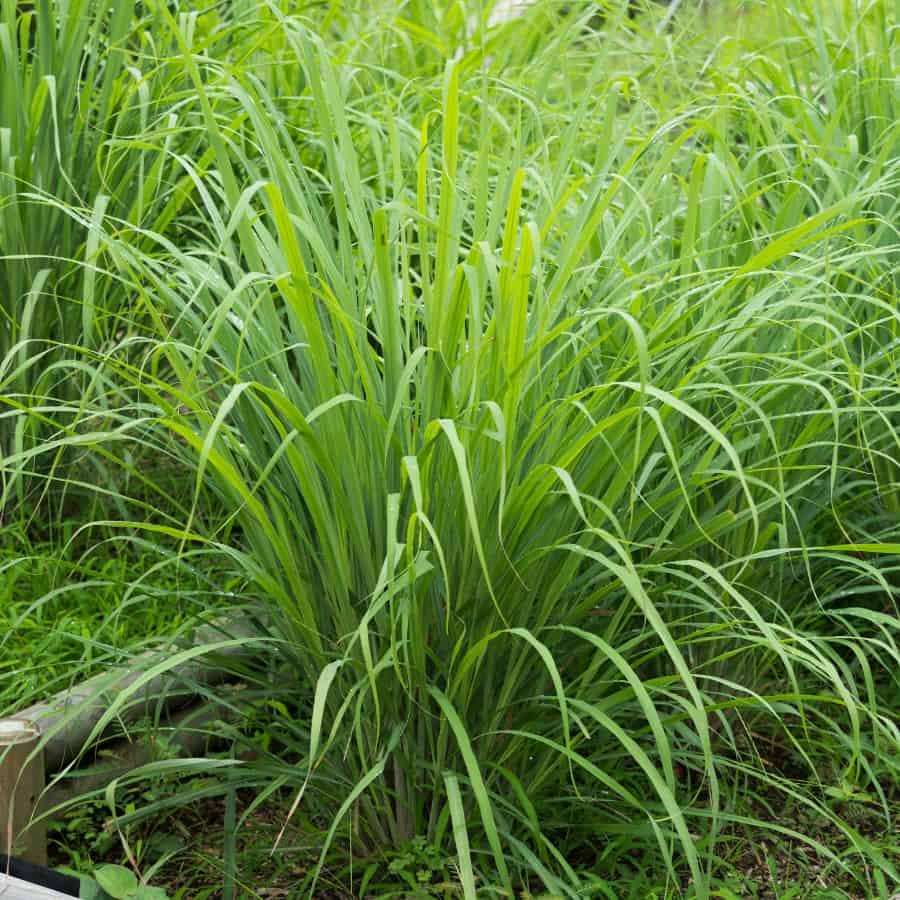
Forget what you’ve heard about basil, stevia, lemongrass, and Thai basil in winter. These heat-lovers are better saved for spring unless you have a seriously sunny indoor spot.
Your Bucket Herb Revolution Starts Now
While the rest of the garden world hibernates, your bucket herb garden is just getting started.
With minimal investment and a little care, you’ll be snipping fresh herbs while everyone else reaches for dried jars.
The difference between amateur and pro plant parents is simply knowing which plants thrive whenm and these 10 herbs are your ticket to winter gardening success .
So grab those buckets, pick your favorite herbs, and start your November growing revolution. Your winter recipes (and immune system) will thank you!