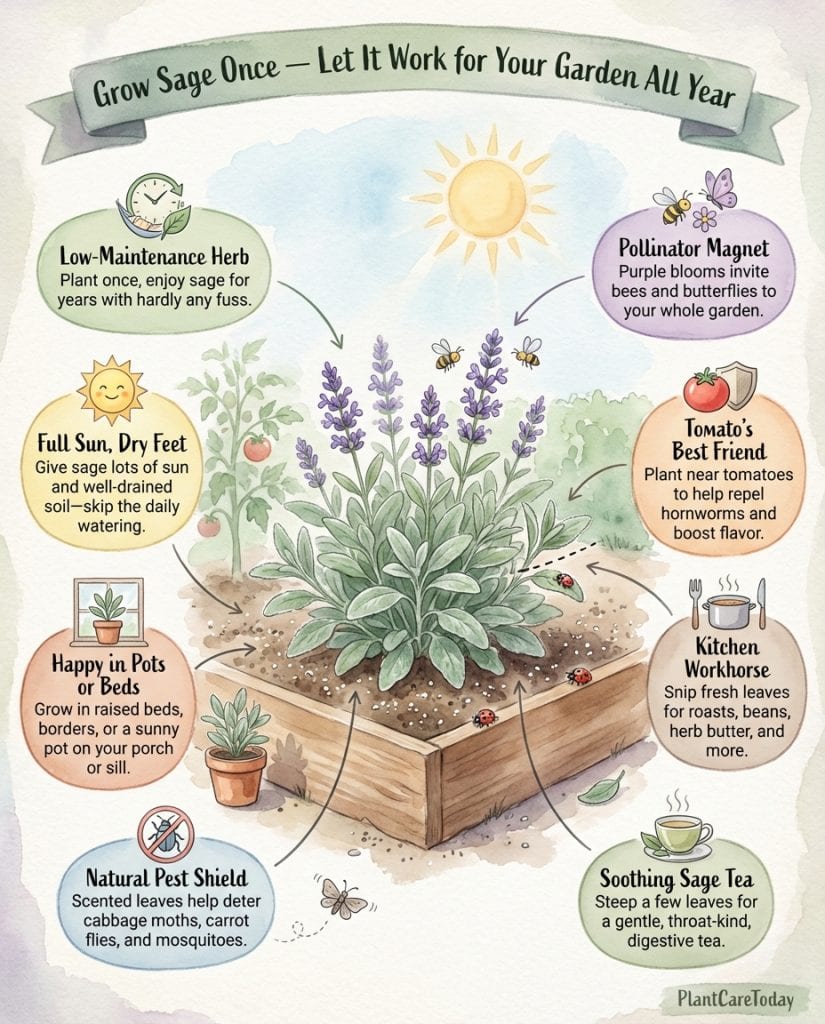
Ever feel like you’re working too hard for your plants instead of them working for you? Meet Sage, the plant equivalent of that friend who cooks, cleans, protects your home, AND makes you look good.
This Mediterranean herb isn’t just for cooking. It’s a hardworking plant that ancient Greeks literally called the “herb of immortality.” And they might have been onto something.
The “Lazy Gardener’s Secret Weapon” That Practically Grows Itself
I was surprised to learn that while most plants need constant attention, sage is about as low-maintenance as it gets. This silvery-green survivor barely needs any care.
Like that friend who shows up with wine after a rough day, sage delivers without demanding much in return. It handles drought well, pests tend to avoid it, and it returns year after year in zones 4-9 with minimal fuss.
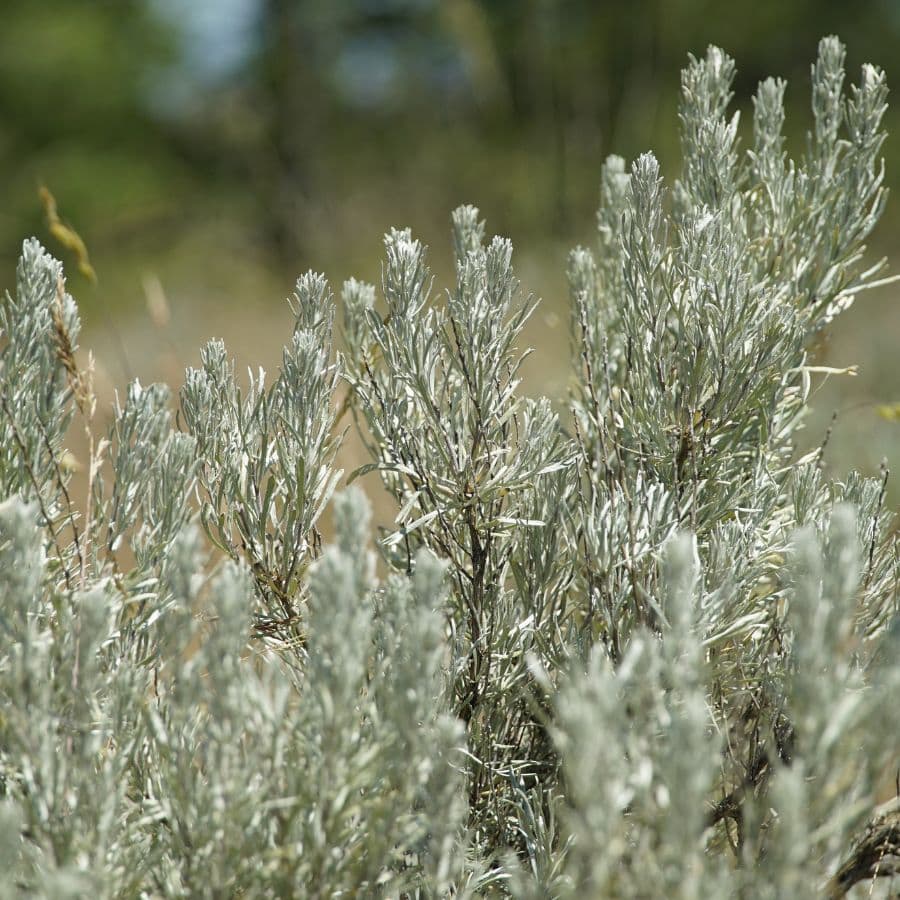
• Zero babysitting required: Forget daily watering routines
• Versatile: Thrives in gardens, pots, windowsills, or raised beds
• Sun-loving; Plant in well-drained soil and full sun
The quickest way to kill sage? Loving it too much with excess water. This Mediterranean native prefers a drier environment.
The Garden Multi-Tasker: Protector and Pollinator Magnet
Forget what you’ve heard about needing separate plants for different garden functions. Sage does a little of everything.
Those pretty purple-blue flowers attract pollinators like crazy. Meanwhile, the aromatic oils that give sage its distinctive scent act like a natural force field against garden pests.
• Bee and butterfly magnet: Attracts essential pollinators to boost your entire garden
• Natural pest deterrent: Repels cabbage moths, carrot flies, and even mosquitoes
• Tomato’s best friend; Plant near tomatoes to enhance their flavor and repel hornworms
The real trick for your vegetable garden isn’t another chemical spray. It’s this aromatic herb working overtime to protect your produce.
Nature’s Medicine Cabinet: The Health Benefits That Science Confirms
The difference between new and experienced plant parents is knowing which plants deliver the most benefits. And when it comes to health, sage is basically nature’s pharmacy in a single plant.
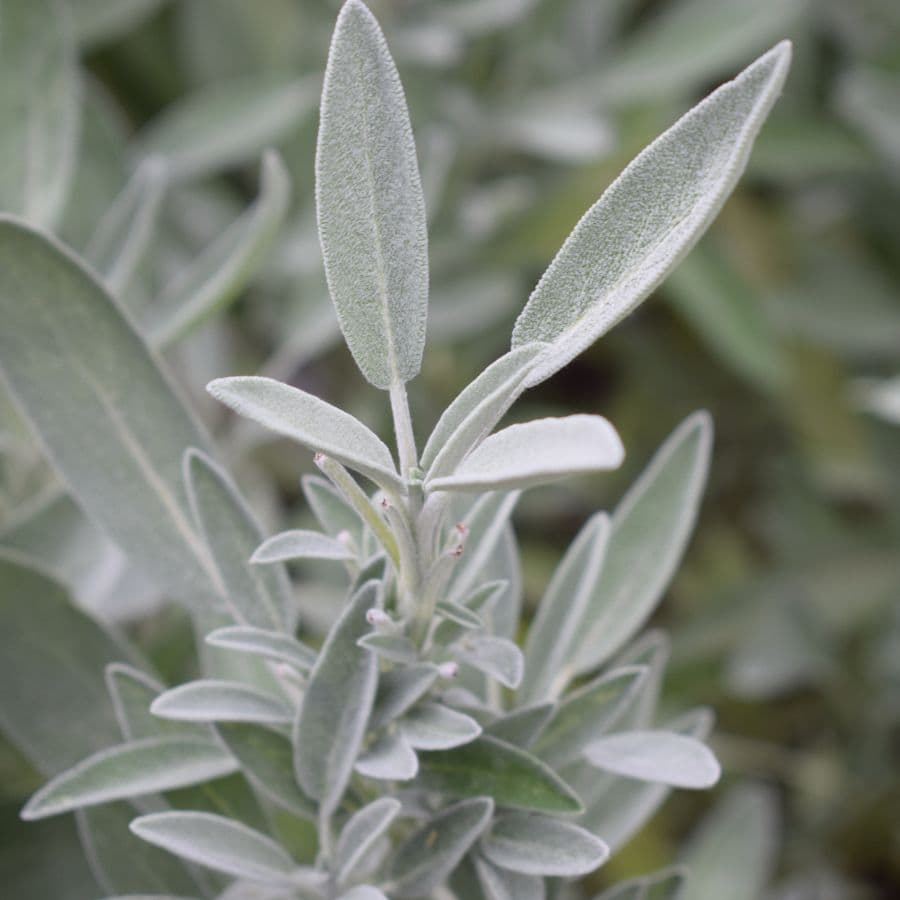
Its Latin name, “Salvia,” literally means “to heal.” Modern science backs what herbalists have known for centuries. This isn’t just folklore. It’s biochemistry.
• Memory enhancer: Contains compounds proven to boost cognitive function (studies show sage extract can improve memory by up to 42%)
• Menopause ally: Reduces hot flashes and night sweats naturally
• Immune supporter: Packed with antioxidants and antimicrobial compounds
• Digestive aid: Helps break down fatty foods and reduces bloating
Why buy expensive supplements when sage offers many of the same benefits?
20 Brilliant Ways to Put Your Sage to Work
Sage might be one of the most versatile plants you can grow. One plant. Twenty uses. No wonder medieval Europeans called it the “herb of immortality.”
In Your Kitchen:
• Flavor boost: Tuck leaves under chicken skin before roasting
• Sage-infused butter: Melt butter, crisp sage leaves in it, strain, and elevate everything
• Bean dish enhancer: Add to soups and stews (especially white beans) for depth
• Healing tea: Steep 5-6 fresh leaves for a throat-soothing, immune-boosting beverage
• DIY infusions: Create sage honey or vinegar for flavorful drizzles and dressings
• Homemade herb salt: Dry leaves, mix with sea salt, and upgrade your seasoning game

For Your Health:
• Cold & flu fighter: Combine with honey and thyme for a natural respiratory remedy
• Throat gargle: Boil with water and salt for sore throat relief
• Brain booster: Drink as tea or diffuse as an essential oil for improved focus
• Hormone helper: Ease menopause symptoms with a daily cup of sage tea
• Digestion support: Calm bloating and stimulate digestive enzymes
• Blood sugar balancer: May help regulate glucose levels (emerging research)
• Anti-inflammatory – Use as a warm compress for joint pain
• Mouth health – Gargle for gum health and fresher breath
Beauty & Home:
• Skin toner: Boil, cool, and apply to tighten pores and refresh skin
• Hair rinse: Use for shine, growth, and dandruff control
• Natural deodorant: Apply cooled tea to underarms to kill odor-causing bacteria
• Bug repellent: Burn dried leaves to keep mosquitoes at bay during outdoor gatherings
• Energy cleanser: Dry into bundles for traditional smudging to purify spaces
• Garden guardian: Plant strategically to protect vegetables from pests
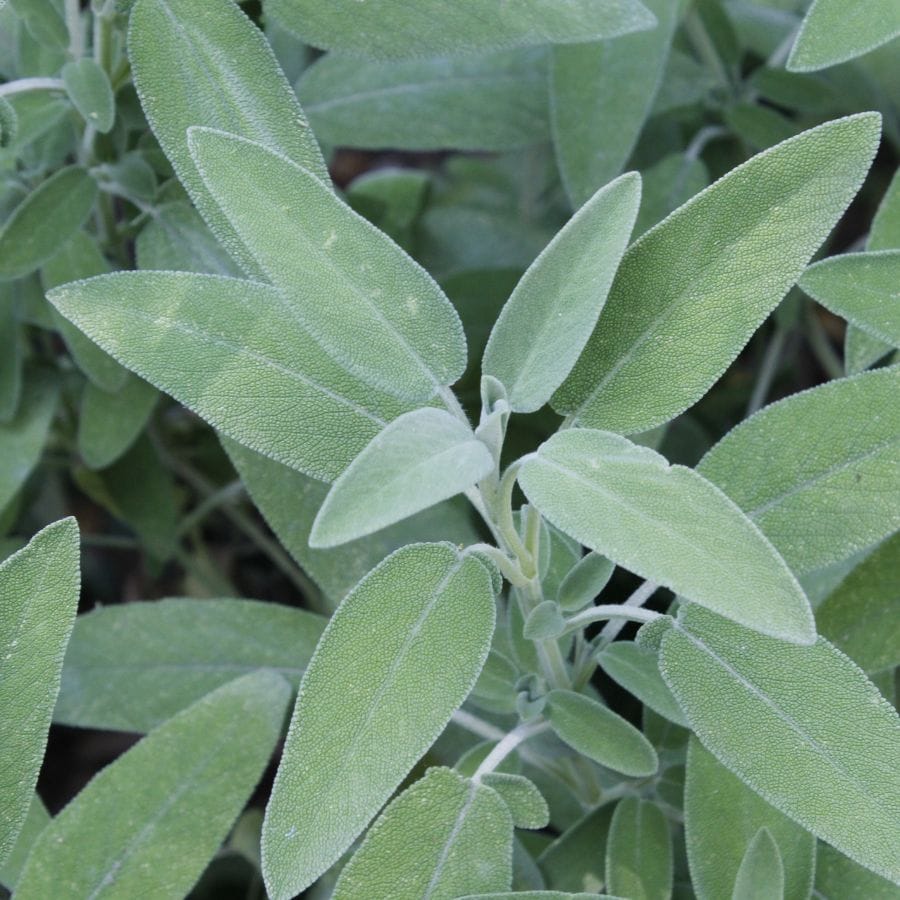
From Planting to Harvesting: Quick Sage Success Guide
Ready to grow this helpful herb? Here’s your quick guide to sage success:
• Location: Full sun (6-8 hours daily)
• Soil: Well-drained, slightly sandy soil (sage hates wet feet)
• Spacing: 12-18 inches apart
• Watering: The “tough love” approach – deep but infrequent watering, letting soil dry between
• Harvesting: Wait 2 months after planting, pick in the morning for the highest essential oil content
• Drying: Hang bundles in a warm, dark, ventilated space
Sage isn’t just another herb. It’s a genuinely useful addition to your garden that keeps giving year-round.
From boosting your immune system to flavoring your meals to repelling garden pests, this Mediterranean plant works harder than most. If you’re looking for one herb that does it all, sage is worth a spot in your garden.