
Think gardening season ends when leaves start falling? October is actually one of the best times to garden.
While most people are putting away their tools, experienced gardeners are planting bulbs that will create beautiful spring displays.
Here’s why this might be the most valuable weekend you’ll spend in your garden all year.
Why October is the Best Time to Plant Bulbs
October offers conditions that bulbs really need. The soil still holds summer’s warmth while the air has cooled, creating the right environment for root growth without causing bulbs to sprout too early.
Here’s something helpful to know: most spring-flowering bulbs perform best when planted in mid-to-late October rather than September or November.
• Warm soil + cool air = good root-growing conditions
• Natural autumn rain = less watering work for you
• Natural chilling period = better dormancy timing for spring blooms
• Reduced pest activity = fewer critters eating your bulbs
• Plant once, enjoy for years = many bulbs multiply and return bigger each year
The real trick for a great spring garden isn’t buying expensive plants in April. It’s spending one afternoon in October with these 13 bulbs.
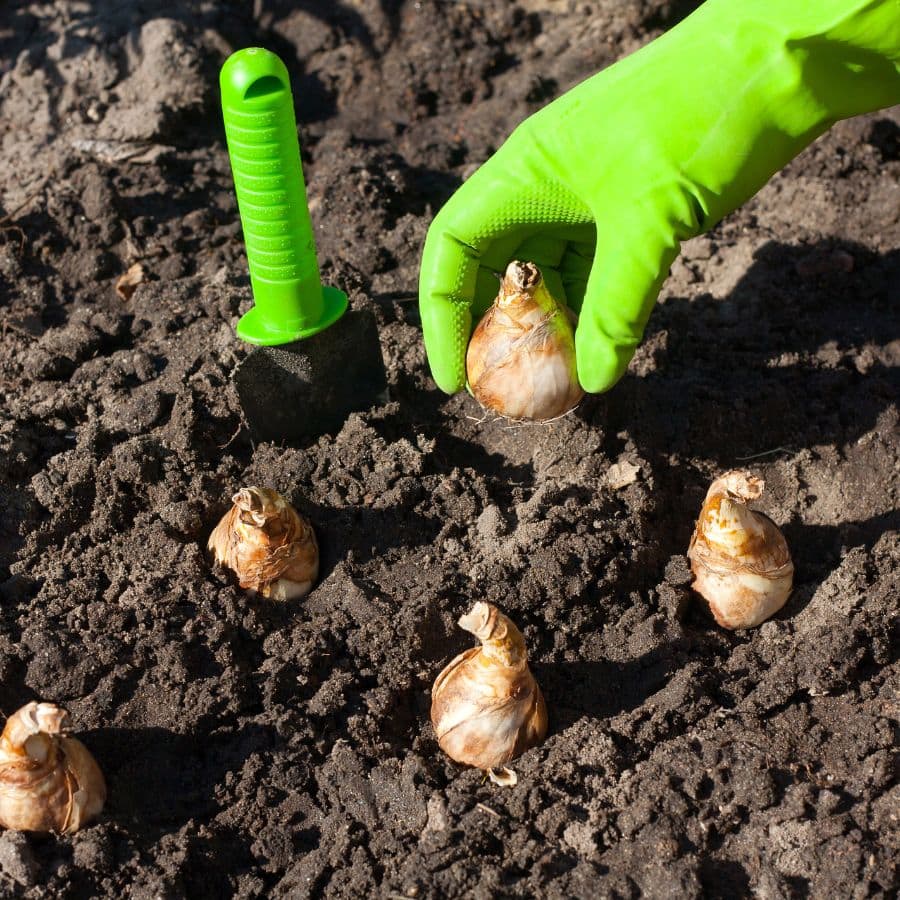
The Best October Bulb Planting List: 13 Spring Favorites
1. Tulips: Spring’s Biggest Color Show
Nothing announces spring quite like tulips. These classics transform bare soil into bright colors that make people stop and look.
• Zones: 3-8
• Plant depth: 6-8 inches deep, 4-6 inches apart
• Pro tip: Skip the straight rows. Plant in clusters of 7-12 for a more natural look.
One helpful tip: In warmer zones (8+), refrigerate tulip bulbs for 6-8 weeks before planting. This tricks them into thinking they’ve experienced winter.
2. Daffodils: The Reliable Spring Bulb
If tulips are the flashy stars of spring, daffodils are the reliable friends who show up year after year. They return reliably and multiply over time. The best part? Deer and rodents avoid them thanks to their natural toxicity.
• Zones: 3-9
• Plant depth: 6 inches deep, pointy end up
• Good varieties: ‘Carlton’ (classic yellow) or ‘Thalia’ (white)
3. Hyacinths: The Fragrant Ones
Hyacinths smell amazing. One cluster near your patio can fill your entire outdoor space with fragrance. Their densely packed flower spikes look fancy, but they’re surprisingly easy to grow.
• Zones: 4-8
• Plant depth: 4-6 inches deep, 4 inches apart
• Tip: Wear gloves when handling – the outer coating can irritate sensitive skin.
4-7. The Early Bloomers
These small bulbs bloom first, often while snow is still on the ground. They’re the first sign that spring is coming.
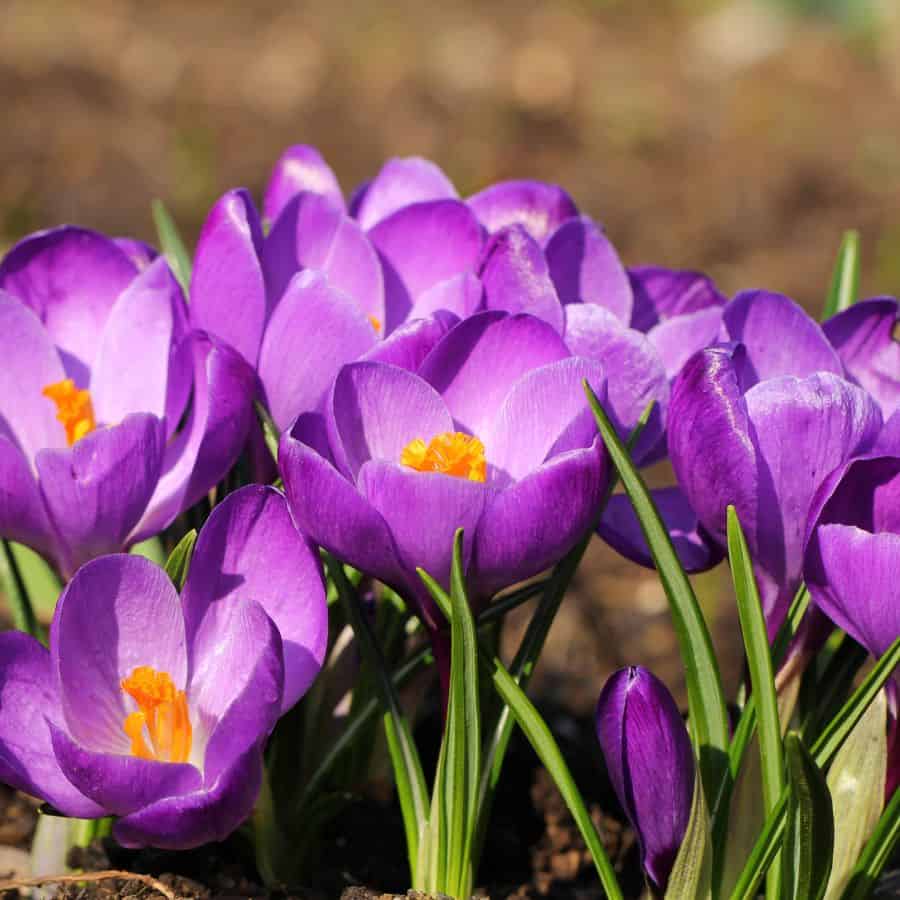
• Crocus: Often bloom while snow still covers the ground (Zones 3-9, plant 3″ deep)
• Snowdrops: Small white bells that do well in cold climates (Zones 3-8, plant 3″ deep)
• Glory-of-the-Snow: Blue-and-white stars that bloom as snow melts (Zones 3-8, plant 3″ deep)
• Anemones: Bright “windflowers” in pink, blue, and white (Zones 4-9, soak tubers before planting)
8-10. The Statement Makers
When you want something dramatic that still doesn’t need much care, these are your best bet.
• Alliums: Globe-shaped clusters on tall stems, like purple spheres hovering above your garden (Zones 4-9, plant 4-8″ deep)
• Fritillaria: Checkered or bell-shaped blooms that look almost exotic. Crown Imperial varieties can reach 3-4 feet tall (Zones 3-8, plant slightly on their sides)
• Dutch Iris: Tall, elegant flowers that make great cut flowers (Zones 5-9, plant 4″ deep)
Something I learned: allium bulbs can last for decades when planted in the right spot, making them one of the best long-term investments.
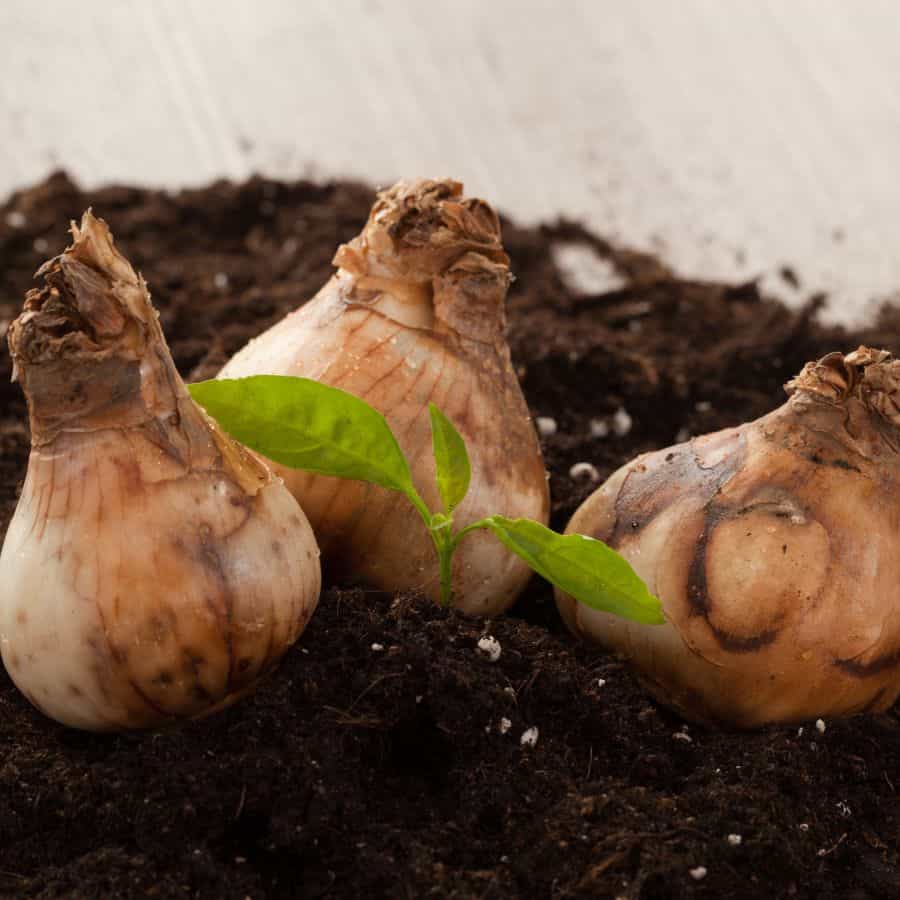
11-13. The Supporting Players
These might not be the main attraction, but they fill in beautifully and make everything else look better.
• Grape Hyacinths: Tiny blue clusters that create a blanket of color (Zones 3-9, plant 3-4″ deep)
• Iris Reticulata: Compact but eye-catching with bright blue or purple petals (Zones 4-9, plant 4″ deep)
• Leucojum (Snowflake): Nodding white bells with green tips (Zones 4-9, plant 4-6″ deep)
How to Plant Bulbs: The Basics
Even the best bulbs won’t do well without proper planting. Here’s what matters most:
• The squeeze test: Choose firm, plump bulbs that feel heavy for their size. Soft bulbs are rotting.
• Direction matters: Plant pointy side up (if you can’t tell, plant sideways – they’ll figure it out)
• Depth matters: Plant 2-3 times deeper than the bulb’s height. Too shallow means poor flowers and frost damage.
• Water once: After planting, water well, then leave them alone. Too much moisture causes rot.
• Add mulch: Add 2-3 inches of mulch to keep soil temperature steady.
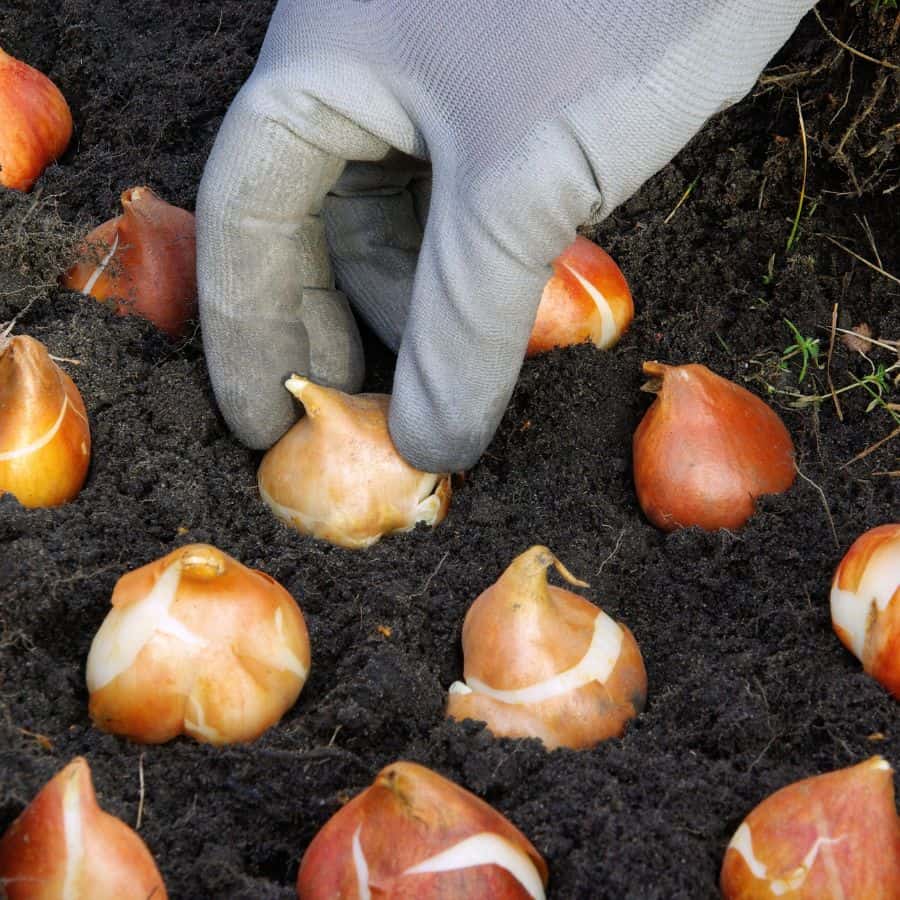
Design Tips That Work
Most people plant bulbs in straight rows. The difference between new and experienced gardeners is understanding how to create natural-looking groupings and layers.
• Try “lasagna planting”: Layer different bulbs in the same hole (large bulbs deep, medium in the middle, small on top) for months of blooms in one spot.
• Create “drifts”: Toss handfuls of bulbs and plant them where they land for a natural meadow look.
• Edge walkways: Line paths with low-growing varieties like crocus or grape hyacinth.
• Use containers: No garden? Layer bulbs in deep pots for a great spring display on patios or balconies.
Your future self will thank you for your efforts in October when spring arrives. While your neighbors are buying expensive nursery plants, you’ll be enjoying an established display that looks professionally designed.
So grab your trowel. You have about 2-3 weeks before the ground freezes to plant the foundation for spring’s best show.