
I was not surprised to learn that Americans throw away over 40% of their fresh produce, including those limp, flavorless celery stalks we’ve all bought and forgotten in the fridge.
But here’s the game-changer most plant experts won’t tell you: you can transform a single store-bought celery base into a thriving, never-ending supply that saves hundreds of dollars yearly.
Growing celery at home isn’t just economical. It’s like having a renewable resource that keeps giving back.
Think of it as the gift that keeps on giving, but instead of fruitcake, you get crisp, vibrant stalks packed with flavor that outshines store-bought celery.
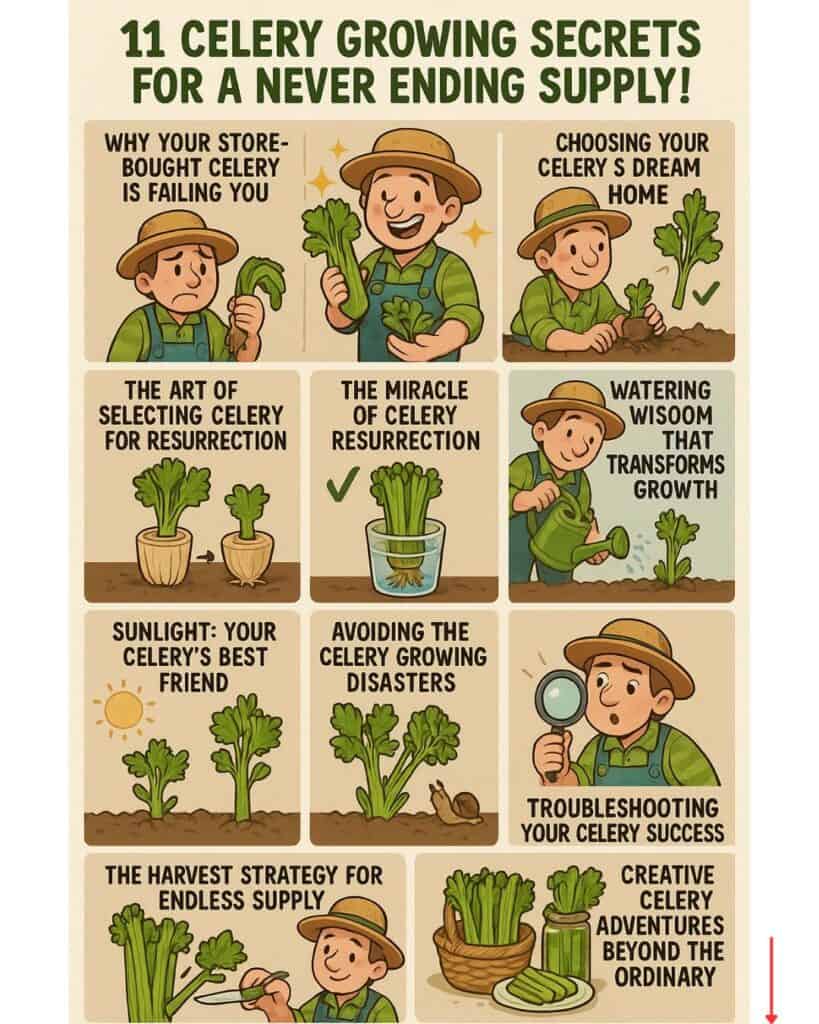
1. Why Your Store-Bought Celery is Failing You
The secret most grocery stores won’t tell you is that commercial celery is often harvested weeks before it reaches peak flavor, then treated with chemicals to maintain appearance during transport.
Your homegrown celery will be dramatically more aromatic and nutritious because you control every step of the process. Store-bought celery has traveled an average of 1,500 miles to reach your plate.
That’s like your vegetables taking a cross-country road trip before dinner! No wonder they arrive stressed, wilted, and lacking that spectacular crunch you’re craving.
2. The Stunning Benefits of Homegrown Celery
Your homegrown celery becomes a nutritional powerhouse packed with vitamins A, C, and K, plus essential potassium and folate.
When you harvest fresh, these nutrients are at their peak, not slowly deteriorating in plastic packaging for weeks.
Here’s what really shocked me: growing your own celery eliminates plastic waste and transportation-related carbon emissions. You’re literally saving the planet one stalk at a time while creating the most flavorful celery you’ve ever tasted.
3. Choosing Your Celery’s Dream Home
The difference between amateur and pro plant parents is simply understanding that celery needs deep root space to thrive.
Select a pot at least 12 inches deep and wide – think of it as giving your celery room to stretch out like it’s doing yoga.
Drainage holes are non-negotiable. Without them, you’re basically drowning your future celery harvest. Use a high-quality potting mix with a pH of 6.0-7.0, enhanced with organic compost for an extra nutritional boost your plants crave.
4. The Art of Selecting Celery for Resurrection
Not all celery is created equal for regrowth. Look for stalks that are vibrant green and firm, with an intact base where all stalks converge.
Avoid anything that looks like it’s already given up on life. Wilted or browning celery won’t deliver the results you’re after.
Cut your selected stalks about 2 inches above the base. Handle that base like it’s made of gold, because it is your ticket to unlimited fresh celery!
5. The Miracle of Celery Resurrection
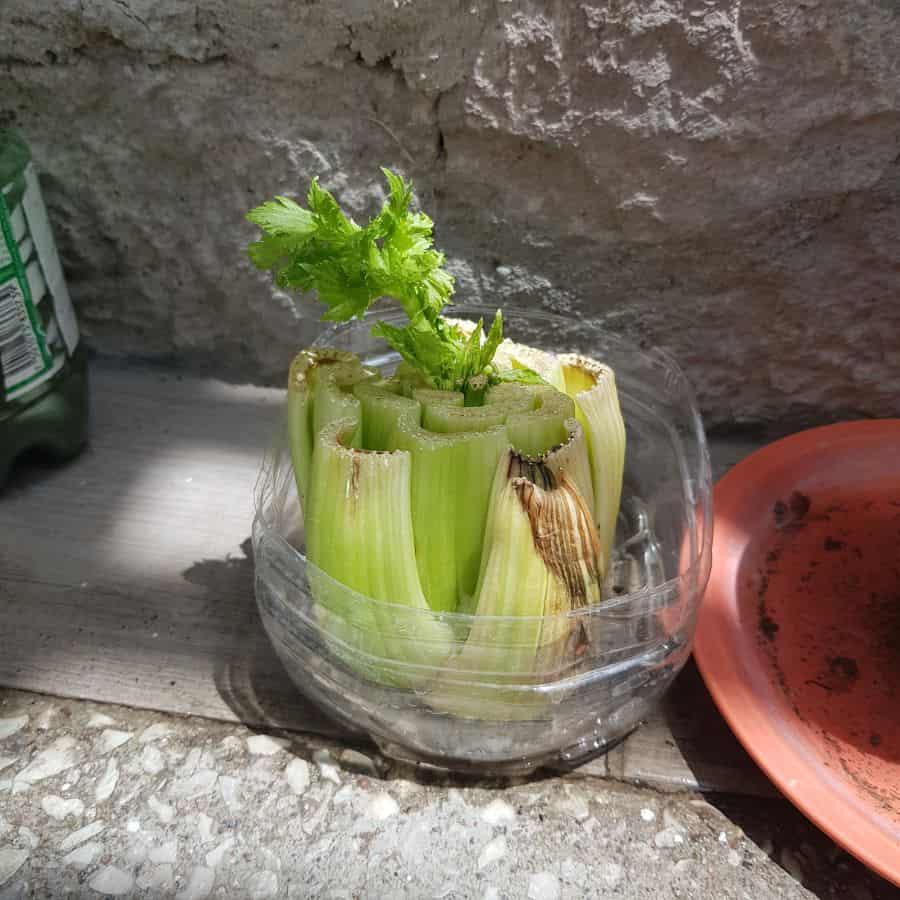
Place your celery base in a shallow dish of water, cut side up. This is where the magic happens. You’re literally bringing your celery back to life! Position it in a sunny spot and change the water every couple of days.
After about a week, you’ll witness the breakthrough moment; new growth emerging from the center like tiny green fireworks. Once this growth reaches 2 inches tall, it’s time to move it to its permanent pot.

6. Watering Wisdom That Transforms Growth
Forget what you’ve heard about complicated watering schedules. Celery wants consistent moisture – think of it like a steady relationship rather than a dramatic on-and-off romance. Water deeply once or twice per week, keeping the soil evenly moist but never waterlogged.
The secret trick is adding mulch on top of the soil. This acts like a protective blanket, retaining moisture and regulating temperature so your celery can focus on growing those lush, crisp stalks you’re dreaming of.
7. Sunlight: Your Celery’s Best Friend
Your celery is trying to tell you something important: it needs at least 6 hours of direct sunlight daily to reach its full potential. A south-facing window works miracles for indoor growing, or consider a grow light if natural light is limited.
Temperature-wise, celery prefers the Goldilocks zone of 60-70°F (15-21°C) – not too hot, not too cold, but just right for producing those spectacular, tender stalks that will make you forget store-bought celery ever existed.
8. Avoiding the Celery Growing Disasters
Most people make this devastating mistake with their celery: overwatering. Root rot is the silent killer of promising celery plants. Proper drainage and mindful watering prevent this heartbreak entirely.
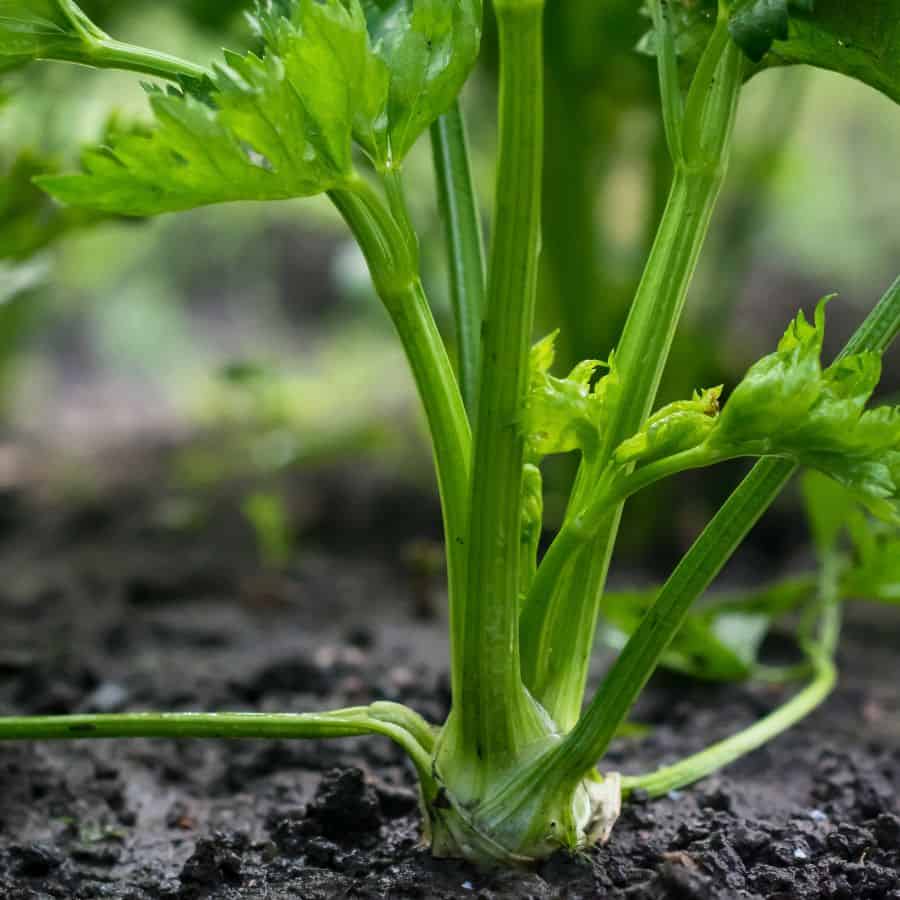
Another rookie error is planting too deeply. Your celery base should sit just below the soil surface – any deeper and you’re basically suffocating your future harvest before it has a chance to flourish.
9. The Harvest Strategy for Endless Supply
Here’s the revelation that transforms your celery from a one-time harvest to a renewable resource: cut outer stalks at the base while leaving inner stalks to continue growing. It’s like having a celery subscription service, but free!
Harvest when stalks reach 8-10 inches tall for peak tenderness and flavor. Regular harvesting actually encourages more vigorous growth – your plant rewards your attention with even more delicious stalks.
10. Troubleshooting Your Celery Success
If your celery stalks are looking thin and desperate, they’re probably screaming for more sunlight or nutrients.
A balanced fertilizer can work miracles for struggling plants, transforming them from withering disappointments to thriving successes.
Monitor for uninvited guests such as aphids and slugs. Regular inspection and organic insecticidal soap keep these pests from stealing your celery dreams. A clean growing area prevents most pest infestations before they start.
11. Creative Celery Adventures Beyond the Ordinary
Your homegrown celery opens up a world of culinary possibilities that most people never explore.
Those vibrant leaves make stunning garnishes or add unexpected flavor to smoothies; it’s like discovering hidden treasure in your own garden.
Try pickling your excess celery, juicing it for refreshing drinks, or adding it to stir-fries for a dramatic crunch.
With an unlimited supply at your fingertips, you can experiment fearlessly and discover flavor combinations that will revolutionize your cooking.
The game-changer for your kitchen isn’t expensive gadgets or exotic ingredients. It’s simply having a thriving celery plant that provides fresh, flavorful stalks whenever inspiration strikes.
Your taste buds (and your wallet) will thank you for making this simple switch from store-bought to homegrown.