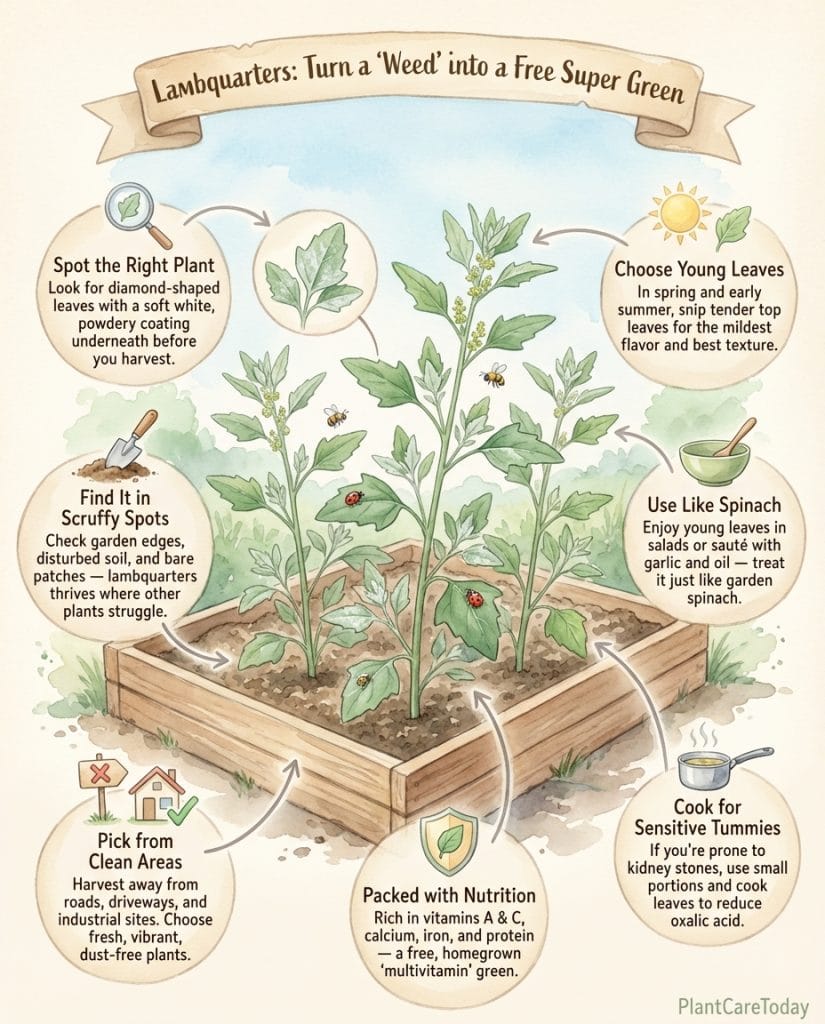
I was shocked to discover that one of nature’s most nutritional powerhouses has been growing right under our noses, and we’ve been calling it a weed!
While you’re spending money on expensive superfoods at the grocery store, lambquarters (Chenopodium album) are quietly thriving in backyards, vacant lots, and roadsides everywhere, packed with more nutrients than most vegetables in the produce aisle.
Here’s the game-changer most people don’t realize: this humble plant contains more calcium than milk, more iron than spinach, and more vitamin A than carrots. Yet 99% of people walk right past it every day, dismissing it as just another worthless weed.
The Nutritional Revelation That Will Change Everything
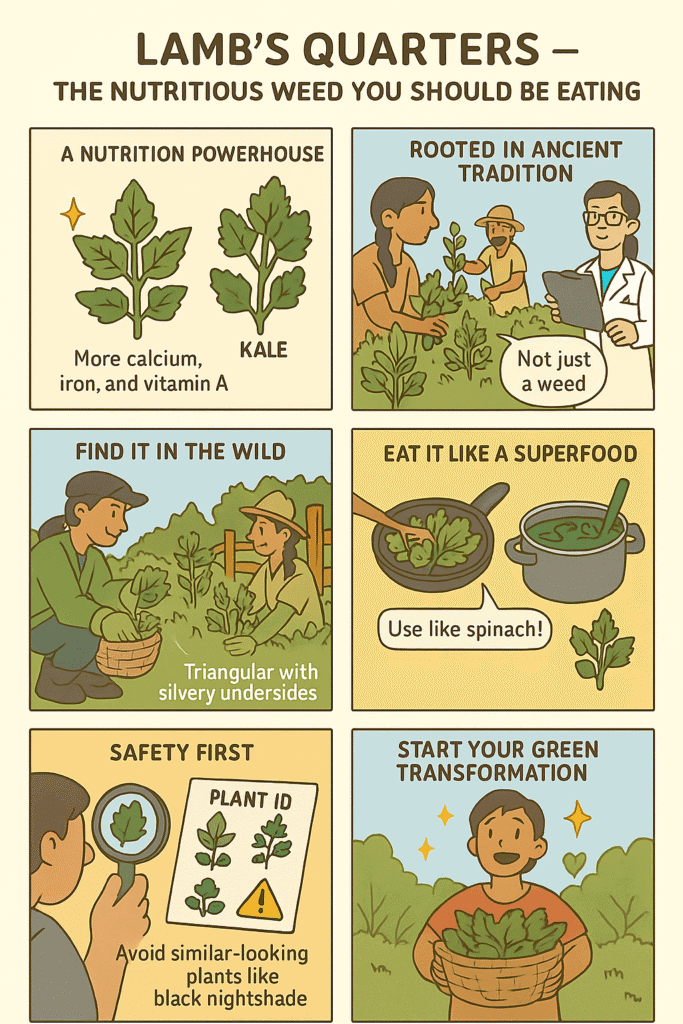
Forget what you’ve heard about expensive superfoods. Lambquarters deliver a spectacular nutritional punch that puts most store-bought greens to shame.
This isn’t just garden-variety nutrition. We’re talking about a nutrient-dense plant our ancestors considered a miracle food.
The numbers are staggering: lambquarters contain significant amounts of protein, dietary fiber, vitamin A, vitamin C, calcium, iron, and magnesium.
But here’s what separates the pros from the amateurs. It also contains antioxidants that combat oxidative stress and support your body’s natural healing processes.
Think of lambquarters as nature’s multivitamin, except it’s free, fresh, and more bioavailable than anything in a bottle.
The secret most plant experts won’t tell you is that this “weed” is a close relative of quinoa and spinach, part of the prestigious Amaranthaceae family that has nourished humans for thousands of years.
Ancient Wisdom Meets Modern Science
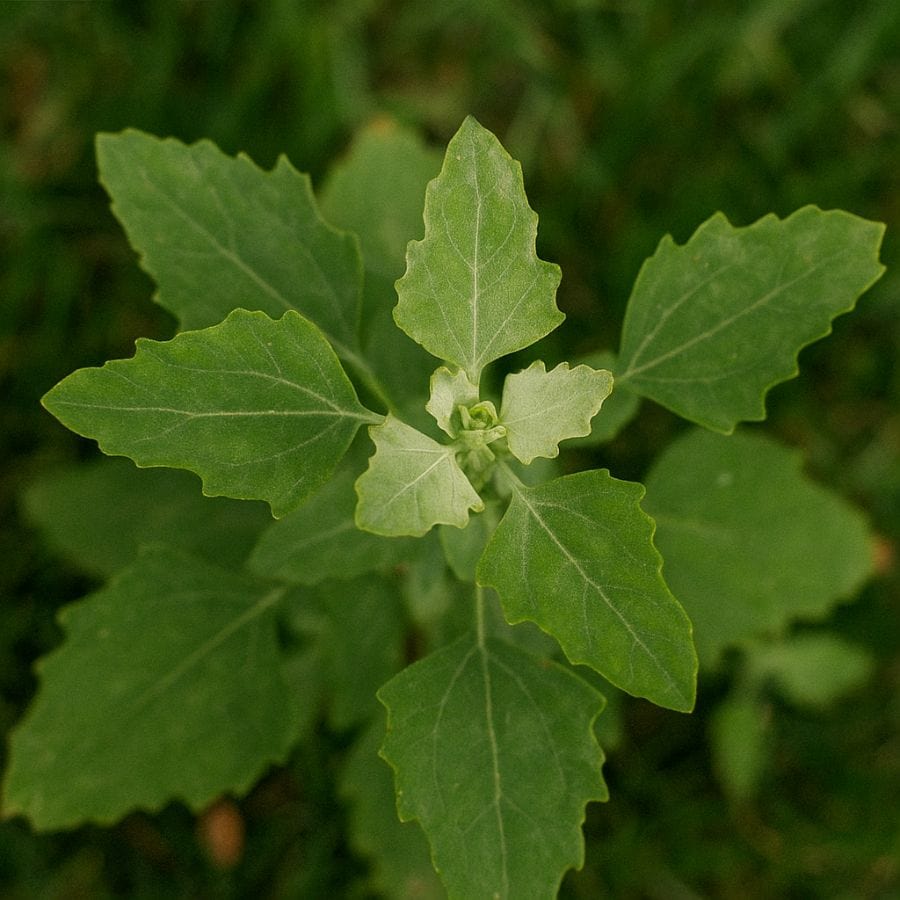
Lambquarters’ humble appearance didn’t fool Native American tribes. They used this healing powerhouse to treat digestive issues, skin conditions, and respiratory ailments long before modern medicine caught up.
In Ayurvedic medicine, it’s called ‘bathua’ and is prized for balancing the body’s natural energy systems.
The difference between amateur foragers and seasoned plant experts is this: they know that the most powerful plants often disguise themselves as common weeds.
Lambquarters have been playing this game for centuries, quietly thriving while flashier plants get all the attention.
Modern research is finally catching up to what traditional healers have long known. The plant’s anti-inflammatory, antioxidant, and antimicrobial properties make it a natural ally for boosting immune function, supporting bone health, and preventing anemia.
Your Treasure Hunt Starts Now
Here’s your breakthrough moment: lambquarters are probably growing within a five-minute walk from where you’re sitting. This resilient plant loves disturbed soils, garden edges, and anywhere other plants struggle to establish themselves.
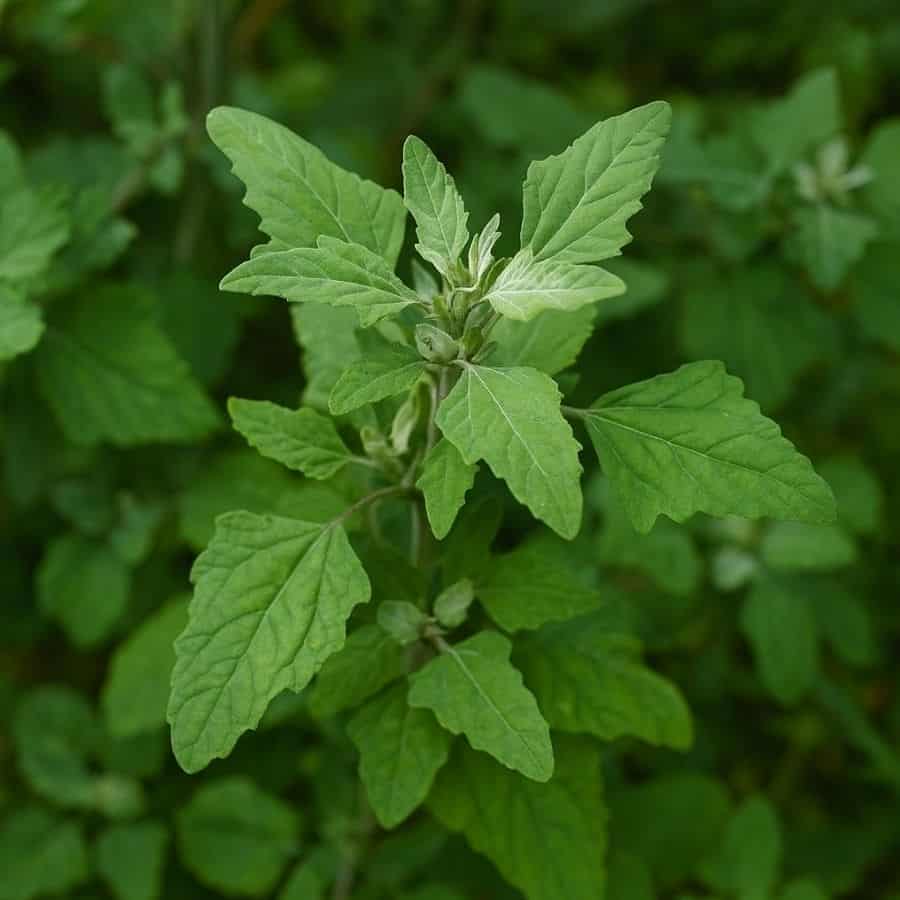
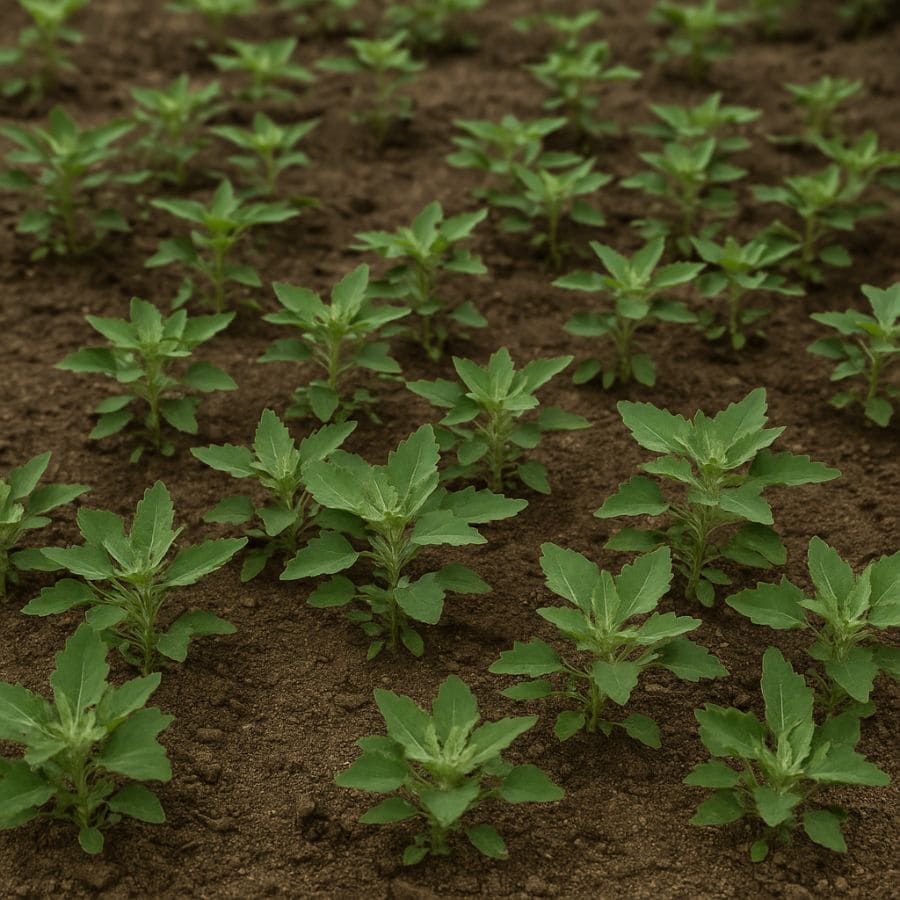
Look for the telltale signs: triangular or diamond-shaped leaves with a distinctive white, powdery coating on the undersides. The plant can reach up to 5 feet tall and produces small, unremarkable green flowers. Spring and early summer offer the most tender, flavorful leaves.
Pro tip: harvest away from roadsides and industrial areas to avoid contamination. Your lambquarters should be vibrant and healthy-looking, not struggling or dust-covered. When in doubt, stick to areas with clean soil.
From Weed to Wonder Food
Transform your cooking game with this versatile superfood. Young, tender leaves work beautifully raw in salads or smoothies, adding a mild, nutty flavor that’s surprisingly addictive. Older leaves benefit from cooking, which also reduces their natural oxalic acid content.
Your lambquarters can be sautéed like spinach, steamed as a side dish, or added to soups and stews for an instant nutritional boost. I like to think of it as nature’s way of making healthy eating both free and delicious.
The secret most people miss is that lambquarters improve with simple preparation. A quick sauté with garlic and olive oil transforms this humble weed into something that would make any restaurant chef jealous.
The Smart Forager’s Safety Guide
Most people make this mistake with wild plants: they either avoid them completely out of fear or dive in without proper knowledge. Smart foragers take a balanced approach with lambquarters.
Yes, the plant contains oxalic acid (like spinach and rhubarb), so people prone to kidney stones should consume it in moderation.
\Cooking reduces oxalic acid levels significantly. Start with small amounts to test your body’s response, and always ensure proper identification before harvesting.
The game-changer for your foraging success isn’t just finding the right plants. It’s building confidence through knowledge and gradual experience.
Your Plant-Powered Transformation Awaits
Lambquarters represent something powerful: the ability to take control of your nutrition using resources that are growing all around you.
While others spend small fortunes on imported superfoods, you’ll have access to a nutritional powerhouse that’s free, local, and incredibly fresh.
This isn’t just about saving money or eating healthier. It’s about reconnecting with the ancient wisdom that sustained our ancestors and discovering that some of nature’s most precious gifts come disguised as ordinary weeds.
Your lambquarters adventure begins when you step outside and view your environment through new eyes. That “worthless weed” you’ve been ignoring might be the nutritional breakthrough you’ve been searching for.