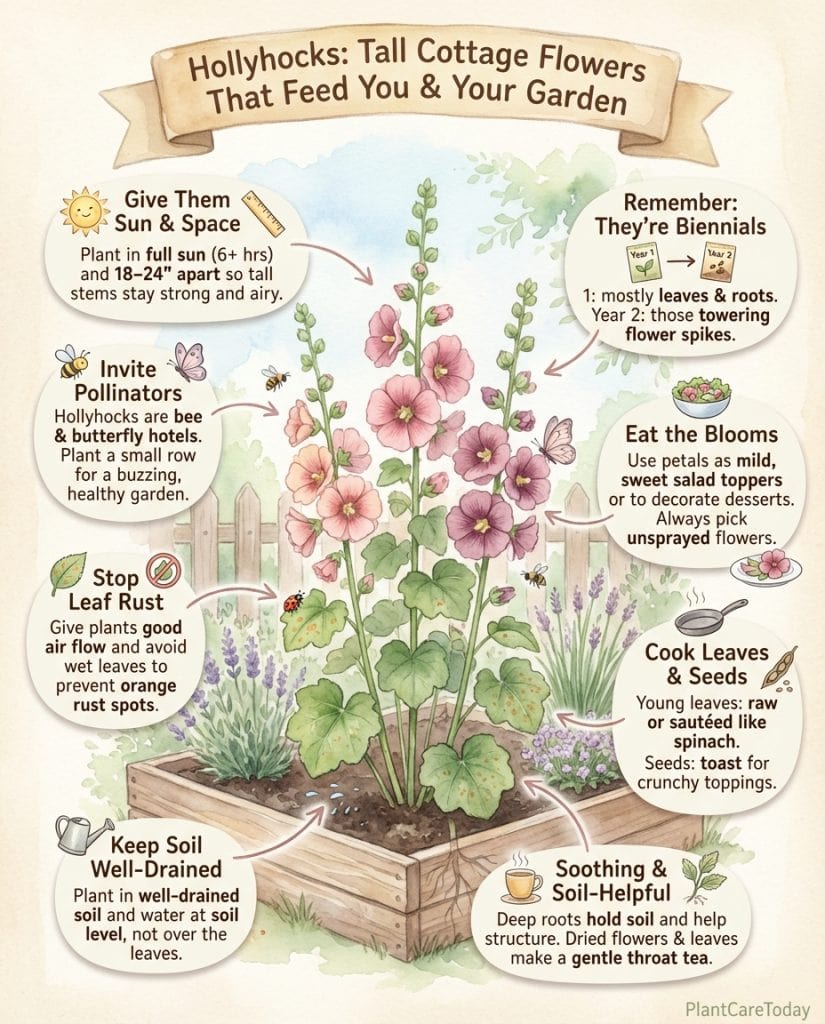
I was shocked to discover that the same towering beauties gracing cottage gardens for centuries are edible superfoods hiding in plain sight.
Hollyhocks aren’t just pretty faces. They’re like the Swiss Army knife of the plant world, solving everything from soil erosion to sore throats while serving a gourmet meal.
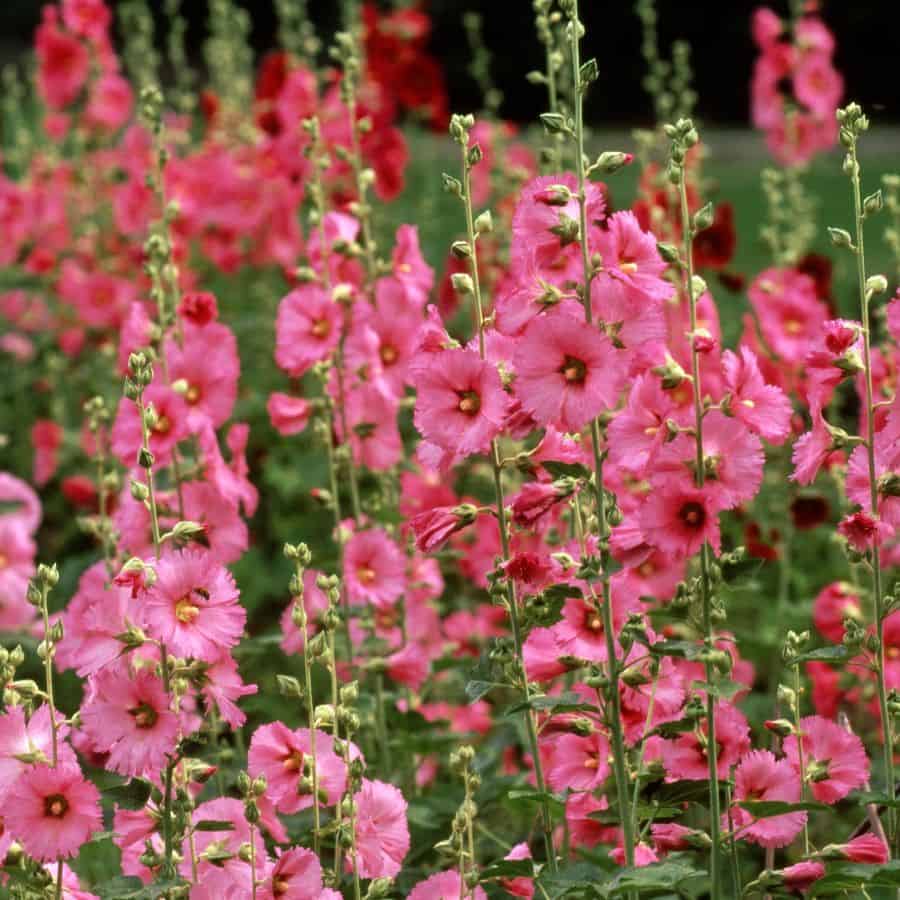
These spectacular giants can rocket up to 8 feet tall, creating living skyscrapers in your garden that would make city planners jealous.
But here’s the secret most gardeners don’t know: every single part of this plant is working overtime to benefit you, your garden, and even your dinner table.
Why Hollyhocks Are Garden Gold
Think of hollyhocks as the ultimate multitaskers, like having a supermodel who’s also a doctor, chef, and environmental activist all rolled into one towering package.
These dramatic beauties have been quietly revolutionizing gardens since medieval times, and it’s time we gave them the credit they deserve.
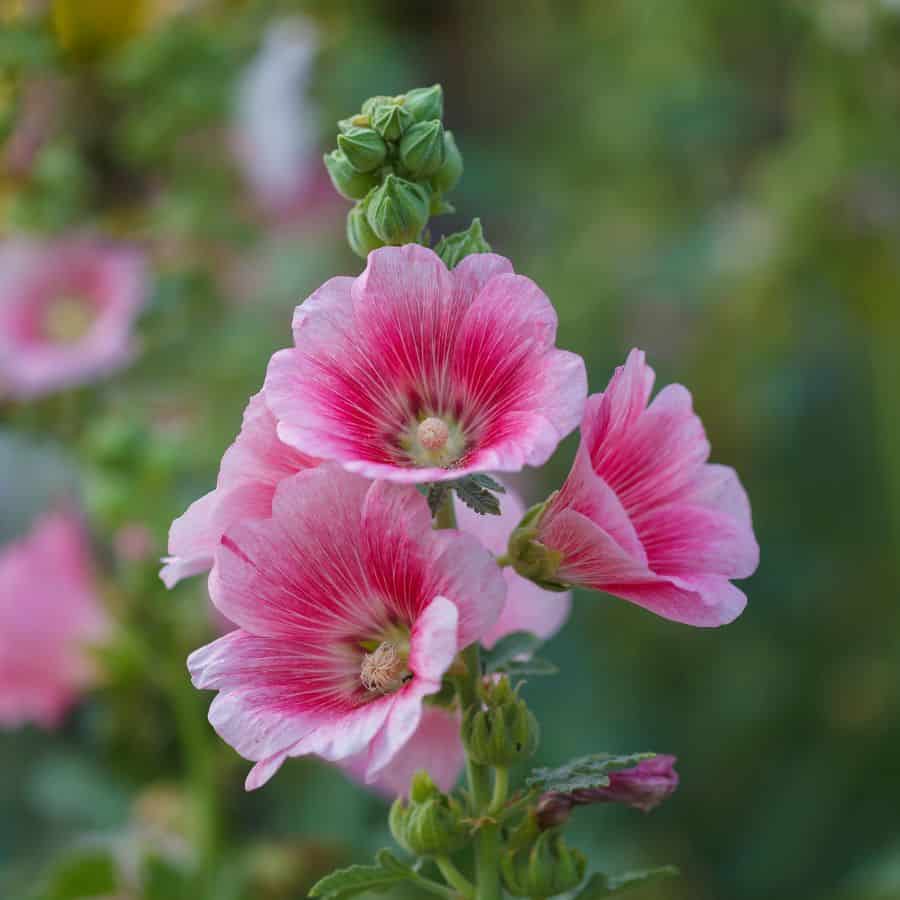
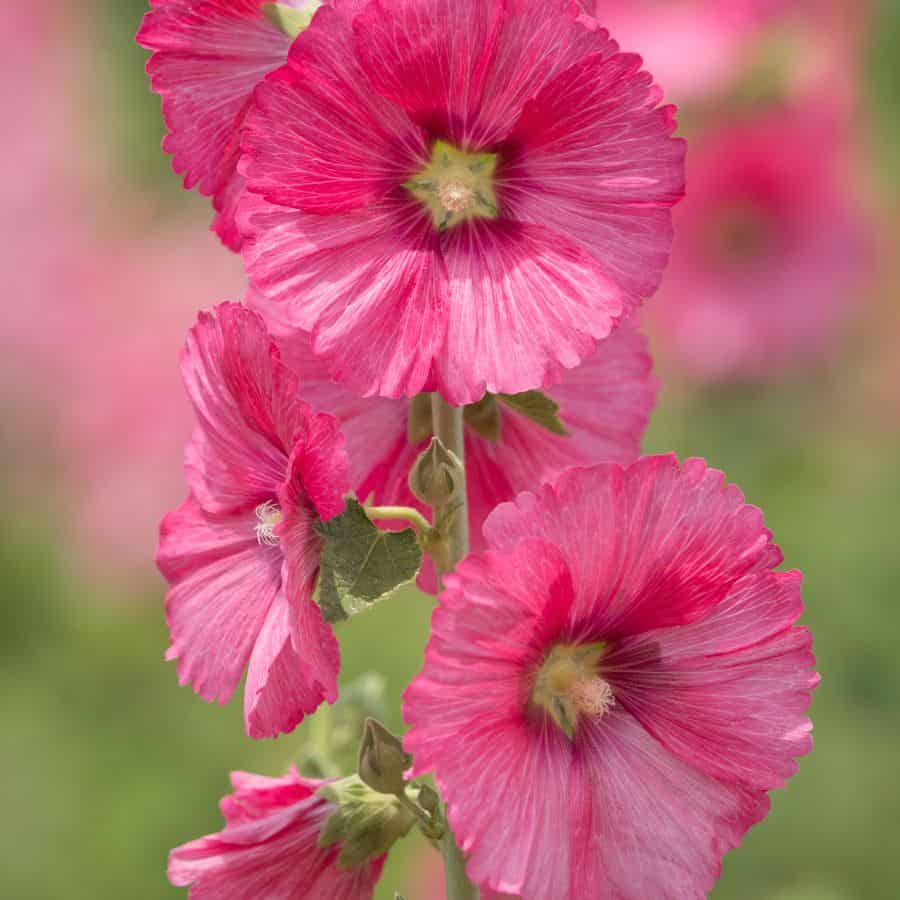
Most people plant them for their stunning flower spikes that bloom in every color from blushing pink to deep purple. But that’s like buying a smartphone just to tell time. You’re missing 90% of the magic.
The Pollinator Paradise Secret
Here’s a game-changing fact: hollyhocks are like five-star hotels for pollinators. Bees, butterflies, and hummingbirds flock to these towering beauties like teenagers to a pizza buffet.
Your garden ecosystem will thrive in ways that will make your neighbors wonder what your secret is.
Their deep roots work like underground construction crews, improving soil structure and preventing erosion. It’s like having a team of tiny engineers working 24/7 to improve your garden for free.
The Edible Revelation That Changes Everything
The breakthrough moment for most gardeners comes when they realize hollyhocks are basically vertical vegetable gardens. Every part, including flowers, leaves, and seeds, is not just edible but also deliciously nutritious.
The flowers taste like mild, sweet lettuce and deliver a vibrant visual punch, transforming any salad from boring to Instagram-worthy. Imagine serving dinner guests a salad that looks like it was sprinkled with jewels. That’s hollyhock flowers for you.
Young leaves can be sautéed like spinach or tossed raw into salads. The seeds? They’re like nature’s croutons, adding a satisfying crunch to everything from granola to soup toppings.
Ancient Medicine Meets Modern Wellness
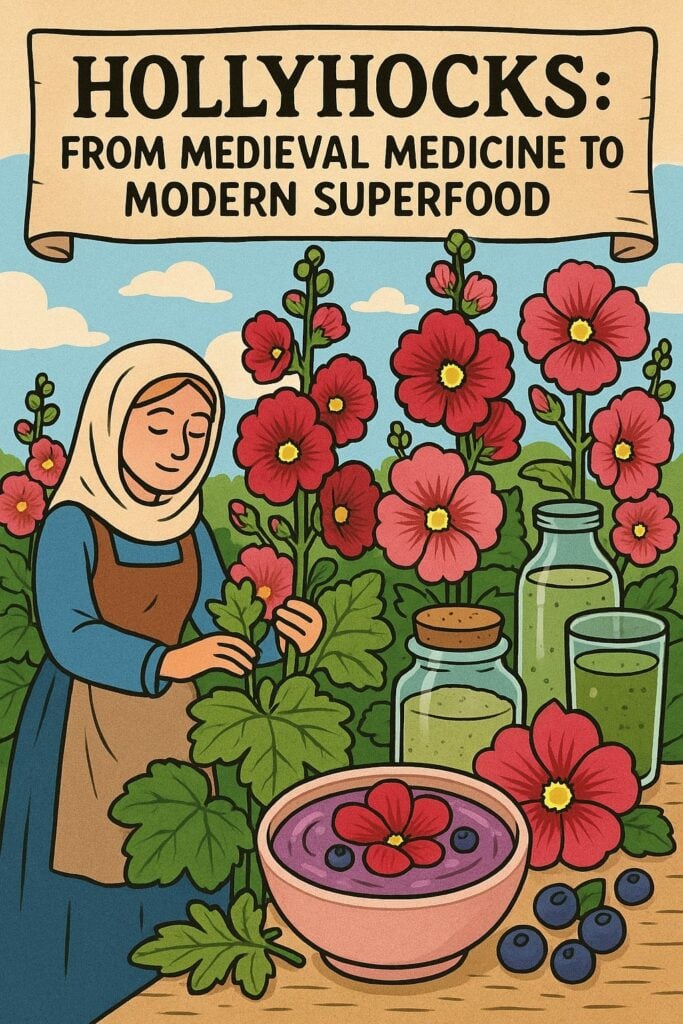
Medieval monks weren’t just growing these beauties for decoration. They knew hollyhocks packed a serious medicinal punch.
The plant contains natural mucilage, which sounds fancy but basically means it’s like having a gentle, natural pharmacy in your backyard.
Hollyhock tea soothes sore throats and coughs better than many commercial remedies. The miracle lies in the plant’s anti-inflammatory properties, which have been helping people with respiratory ailments for centuries.
Growing Your Own Hollyhock Empire
The secret to spectacular hollyhocks isn’t complicated. These plants are surprisingly forgiving. They’re like that friend who’s low-maintenance but always shows up looking amazing.
Plant them in full sun (at least 6 hours of sunlight daily) and in well-drained soil. Think of them as sun-worshippers who hate wet feet. Space them 18-24 inches apart because even friendly giants need their personal space.
Here’s the trick most amateurs miss: hollyhocks are biennials, meaning they’re playing the long game. In the first year, they build roots and leaves. Second year, they explode into those towering flower spikes that make people stop and stare.
The Pest-Proof Strategy
The main enemy of hollyhocks is rust. Those orange spots that can make leaves look like they’ve been attacked by tiny spray painters. But preventing rust is simple: ensure good air circulation and water at the soil level, not from above.
Think of it like social distancing for plants – give them space to breathe, and they’ll stay healthy and flourish.
From Garden to Gourmet
The transformation from ornamental to edible is where hollyhocks truly shine. Stuff the large flowers with herbed cheese for elegant appetizers that look like they came from a five-star restaurant.
Use the leaves as natural wraps. They’re like edible gift paper for your culinary creations. The seeds are perhaps the most underrated part.
Toast them lightly and sprinkle over salads, or grind them into flour for unique baking adventures. It’s like discovering a hidden ingredient that’s been growing in your garden all along.
Hollyhocks prove that the best things in gardening – like life – are the ones that surprise you.
These towering beauties offer everything from stunning visual impact to gourmet dining experiences while quietly improving your garden’s ecosystem and connecting you to centuries of gardening wisdom.