That humble red root vegetable sitting in your produce drawer? It might be one of the most underrated health foods in your kitchen.
Forget what you’ve heard about “superfoods” that cost a fortune. Beetroot is affordable and genuinely good for you.
Packed with nitrates, antioxidants, and essential nutrients, this red root doesn’t just add color to your plate. It could actually improve your health in some meaningful ways.
The Nutritional Value You Might Be Missing
Before we look at how beetroot helps your body, let’s understand what makes this root so beneficial.
I was surprised to learn that just 100g of cooked beetroot (about the size of your fist) delivers some solid nutrition.
- Folate: 20% of your daily needs (vital for cell repair)
- Manganese: 14% of daily requirements (supports bone health)
- Potassium: 9% DV (crucial for heart function)
- Dietary nitrates: Natural compounds that convert to nitric oxide
- Betalains: Antioxidants that give beets their red color
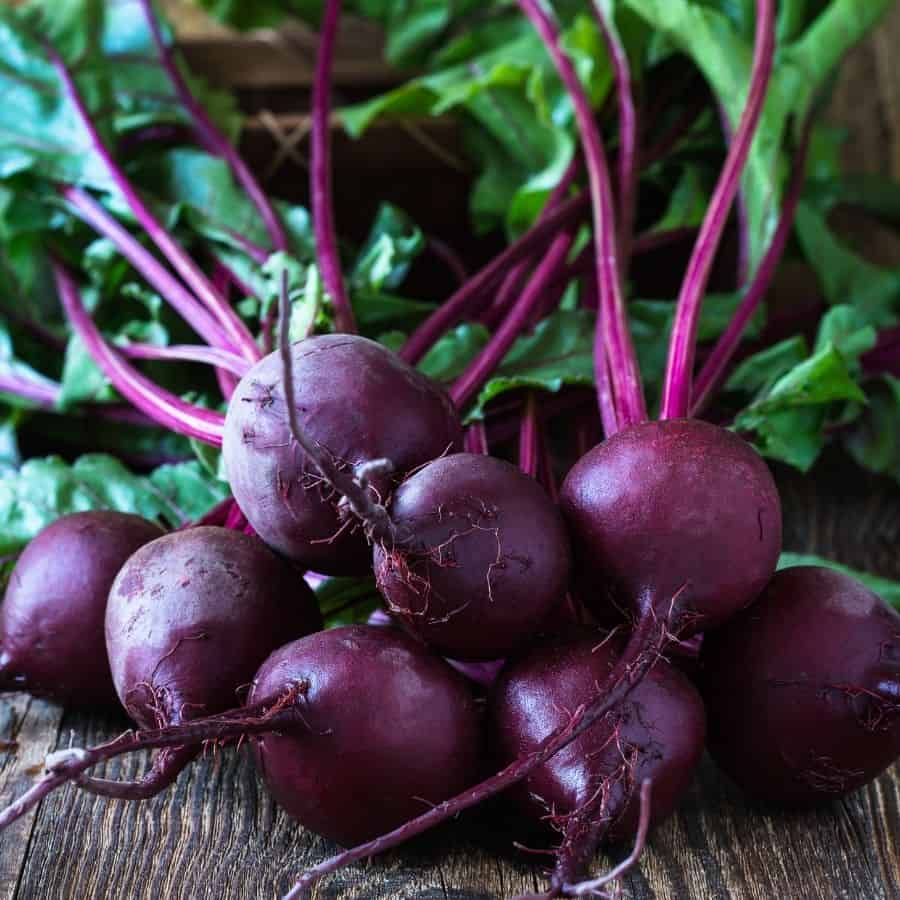
And all this for just 44 calories per serving.
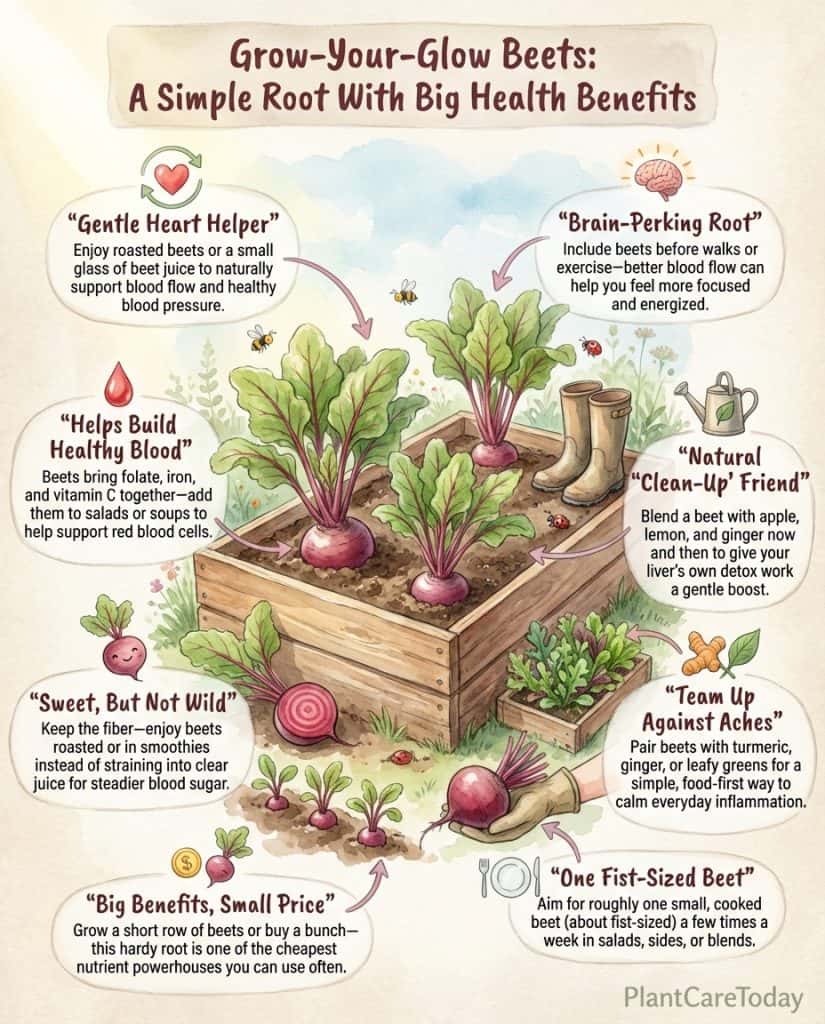
Heart Health: Helps Lower Blood Pressure
The best part about beetroot for heart health? It’s one of the more effective natural options for high blood pressure, a condition affecting 1 in 3 American adults.
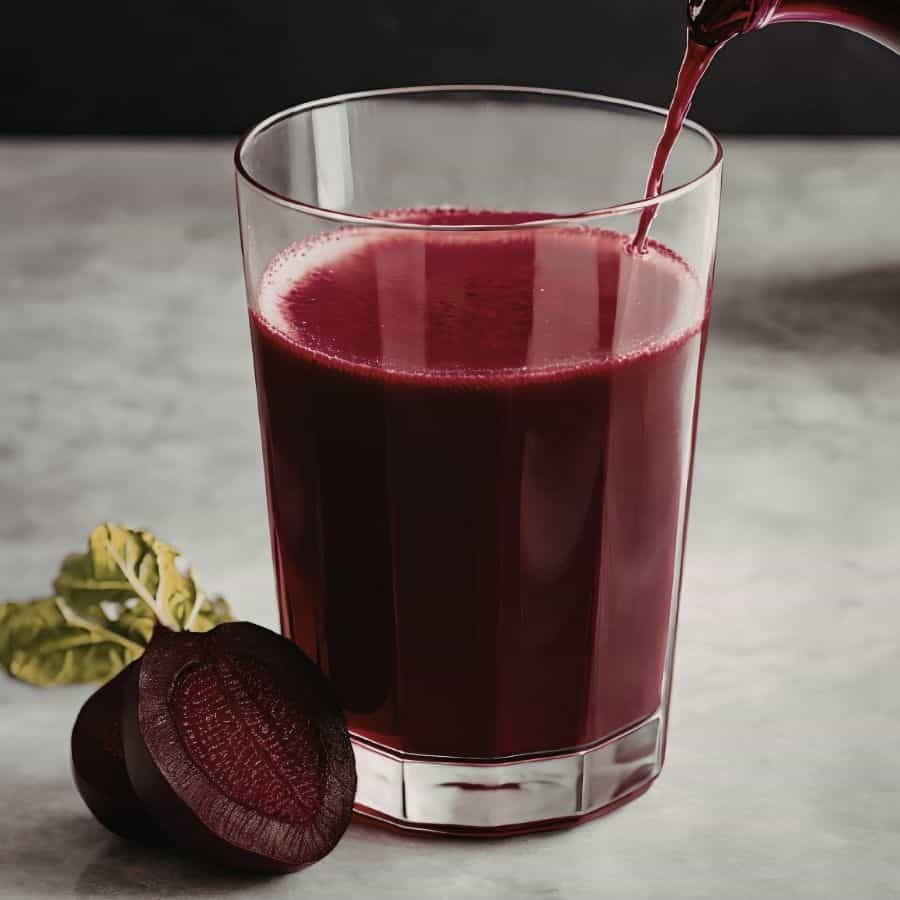
Here’s how it works: those dietary nitrates convert to nitric oxide in your body, which helps relax blood vessels. Studies show drinking just one cup of beetroot juice can lower blood pressure within hours.
For best results, try this: Drink 8oz of fresh beetroot juice daily or roast 2-3 beets with a drizzle of olive oil and a sprinkle of black pepper (which helps with nitrate absorption).
Brain Health: Better Blood Flow Means Better Function
Your brain needs oxygen and nutrients. Beetroot helps deliver both.
The real benefit is that beetroot’s ability to increase blood flow doesn’t just help your heart – it sends oxygen-rich blood to your brain, especially to the frontal lobe responsible for decision-making and focus.
In one interesting study, older adults who drank beetroot juice before exercise showed brain activity more similar to that of younger individuals on MRI scans.
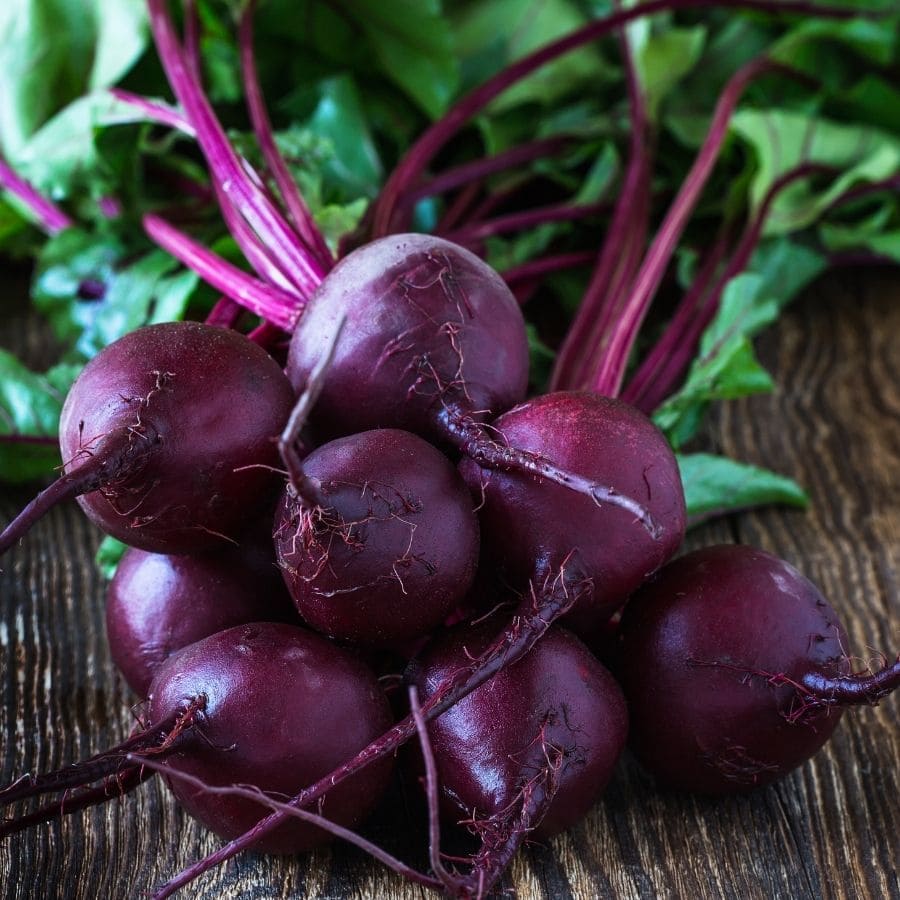
Blood Building: A Natural Option for Anemia
If you’re constantly tired, pale, or short of breath, your body might need more iron. Beetroot offers three things that help with anemia:
- Natural iron content that your body can absorb
- Folate that helps create healthy red blood cells
- Vitamin C that improves iron absorption
Liver Support: Your Natural Detox Helper
Your liver processes everything from alcohol to environmental toxins. Beetroot contains betalains, antioxidants that support your liver’s natural detoxification systems.
For those with fatty liver disease (affecting up to 25% of Americans), beetroot may be particularly helpful. Its compounds help prevent fat buildup while supporting glutathione production, your body’s main detoxifier.
Try this liver-friendly drink: Blend 1 medium beet with 1 apple, a thumb of ginger, and a squeeze of lemon.
Blood Sugar Balance: Works Well for Diabetes
Despite its sweet taste, beetroot has a relatively low glycemic index of 64, making it okay for people with diabetes. Its high fiber content slows sugar absorption, while its antioxidants help combat the inflammation that often accompanies diabetes.
Here’s what matters most: Don’t juice beets without keeping some fiber. Instead, try blending whole beets into smoothies or roasting them with a splash of balsamic vinegar for a flavor that satisfies sweet cravings without spiking blood sugar.
Reduces Inflammation: Nature’s Helper
Chronic inflammation contributes to everything from arthritis to heart disease. Beetroot’s betalains help reduce inflammatory markers throughout your system.
For better anti-inflammatory benefits, pair beetroot with other natural inflammation fighters like turmeric, ginger, or leafy greens.
Circulation: Better Blood Flow Everywhere
Let’s talk about something many don’t connect with beets: circulation and sexual health. Poor circulation affects many aspects of health, including sexual function – exactly what beetroot’s nitric oxide-boosting power addresses.
The mechanism is similar to some medications but more natural, enhancing blood flow by relaxing blood vessels. The difference? Beetroot supports overall vascular health rather than providing a temporary fix.
A daily beetroot smoothie might help more than you’d expect. (And this applies to both men and women, since better circulation benefits everyone.)
Easy Ways to Add Beetroot to Your Daily Routine
The difference between new and experienced health-focused eaters is consistency. Here are some simple ways to make beetroot a regular part of your meals:
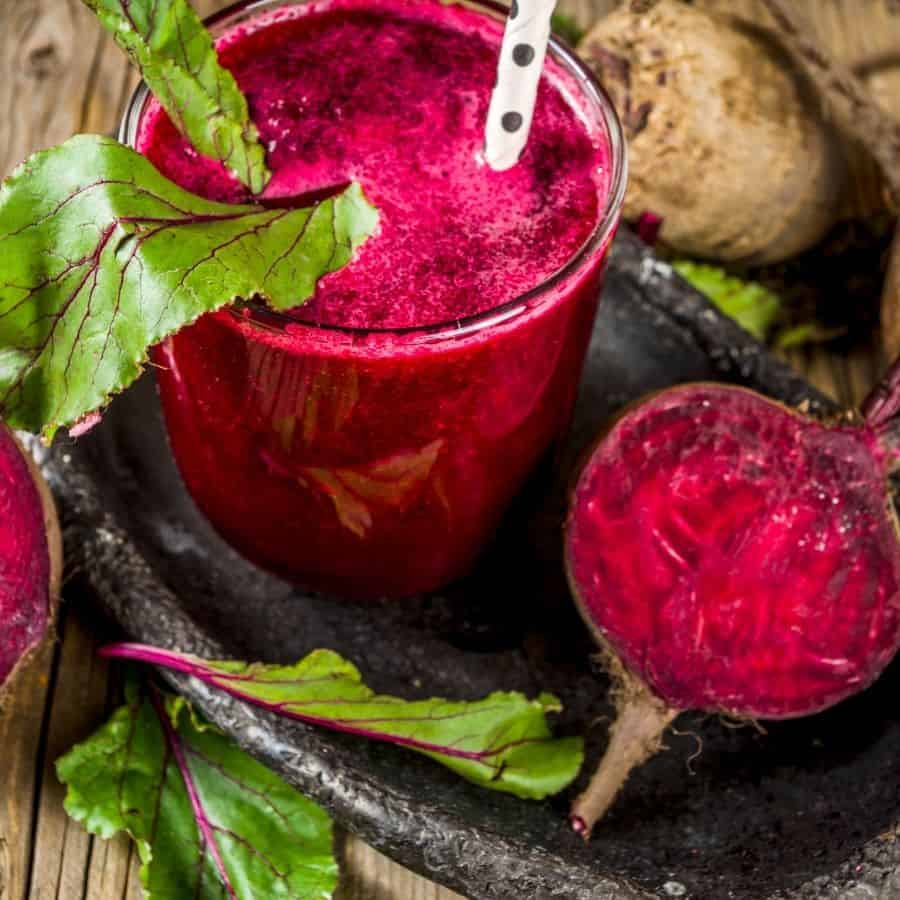
• Morning energizer: Blend 1 small beet with berries, banana, and almond milk
• Lunchtime boost: Grate raw beetroot into salads with goat cheese and walnuts
• Pre-workout: Drink 8oz beetroot juice 2-3 hours before exercise
• Dinner side: Roast beetroot with olive oil, thyme, and a pinch of sea salt
• Snack: Try beetroot chips baked with a light sprinkle of salt
One quick note: Don’t panic if your urine or stool turns reddish after eating beets. This harmless condition (called beeturia) affects about 14% of people and is simply the pigment passing through.
The Bottom Line: A Vegetable Worth Eating More Of
Beetroot is more than just food – it’s a vegetable with real health benefits. From supporting heart health to improving brain function, helping digestion to enhancing exercise recovery, this red root delivers benefits that would take multiple supplements to match.
Make room for this often-overlooked vegetable on your plate and see how you feel.